
13 Things a Rescue Records That Never Make It to the Listing
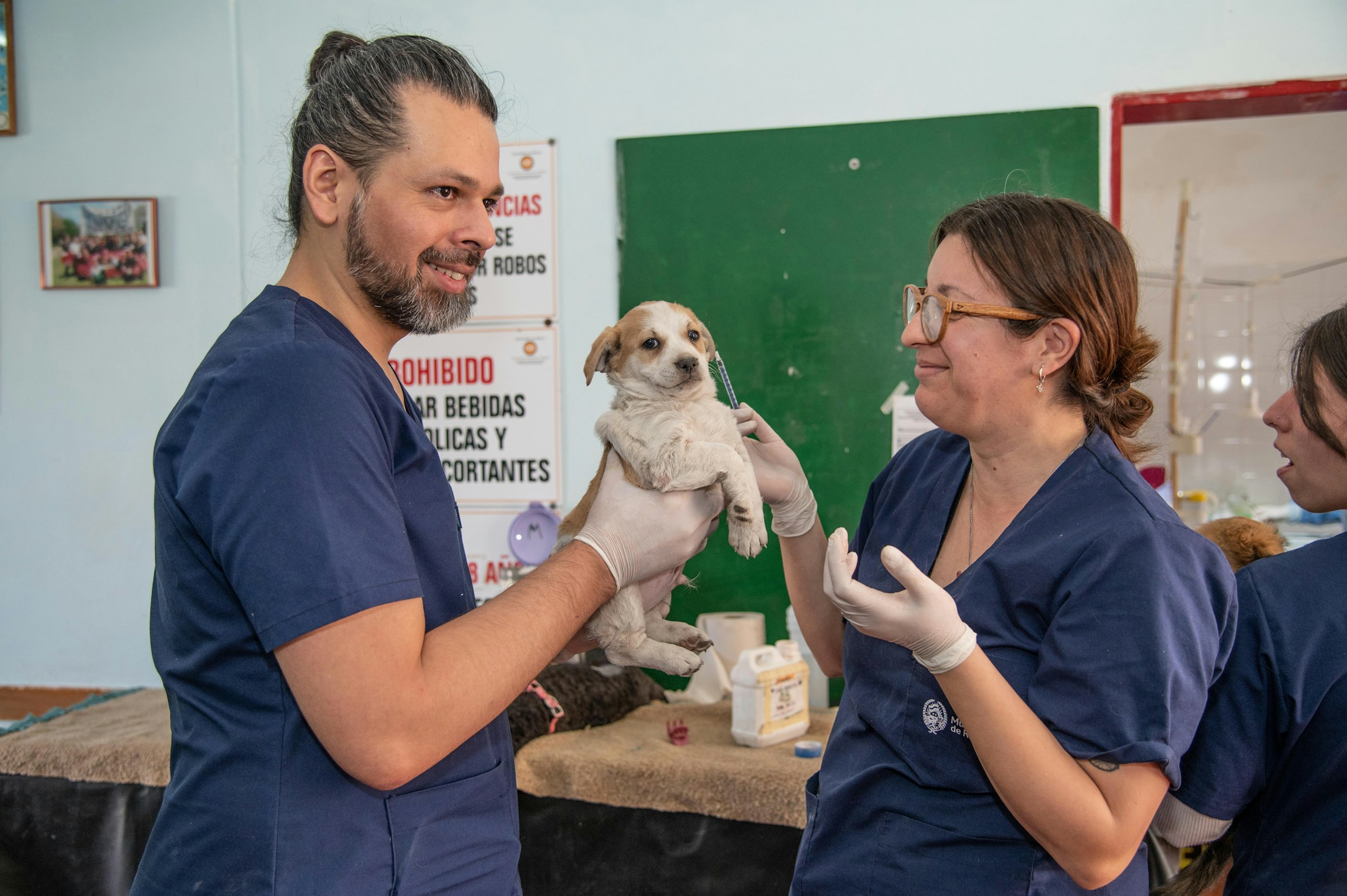
You scroll past a hundred adoptable dogs a week, and every profile looks basically the same: a name, an age, three cheerful sentences about being “sweet and loving,” and a photo where the dog is mid-smile. It looks like the whole story. It isn’t even close.
Behind that tidy little blurb sits a file rescue staff will never post publicly – vet bills that make your stomach drop, bite reports written in careful legal language, and notes about exactly which kind of home will make or break that dog. Some of it stays hidden to protect the animal. Some of it stays hidden because the truth would scare you off before you ever hit “apply.” Here’s what actually gets left out, and why it matters more than anything you’ll read in the listing itself.
#1 – The Return History No One Wants to Talk About
Rescues rarely lead with “this dog has already been returned three times,” even though repeat returns are far more common than most adopters realize. On paper, the team softens it to “would do best with an experienced owner.” Behind the scenes there’s often a pattern: separation anxiety that wrecks apartments, chasing kids, or serious guarding around food.
Staff also know that returns are usually about humans, not dogs. People underestimate energy levels, ignore breed traits, or expect a traumatized animal to act like a therapy dog on day one. So the internal file keeps score – how long the dog stayed, what was tried, what really happened the day it came back – and that private paper trail is almost always more honest than the public bio.
#2 – The True Bite or “Incident” Record

When a listing says “may be a little mouthy” or “needs slow introductions,” the software behind it might say something a lot blunter: “Bit the vet during blood draw,” or “Snapped at child, no broken skin.” A single bite, in context, doesn’t automatically make a dog dangerous. But lawyers and insurance companies treat it like a lit fuse, so rescues walk a tightrope between informing people and scaring off every possible adopter.
Many organizations log incidents in painful detail for their own liability and decision-making – who was present, where the dog was touched, whether medical care was needed. Paste that straight into a public listing and most people close the tab. So you get coded language instead: “not suitable for homes with small children,” “needs a structured environment.” Some call that dishonest. Others call it the only way these animals get a second chance.
#3 – The Real Medical Costs Hidden Behind “Routine Care”
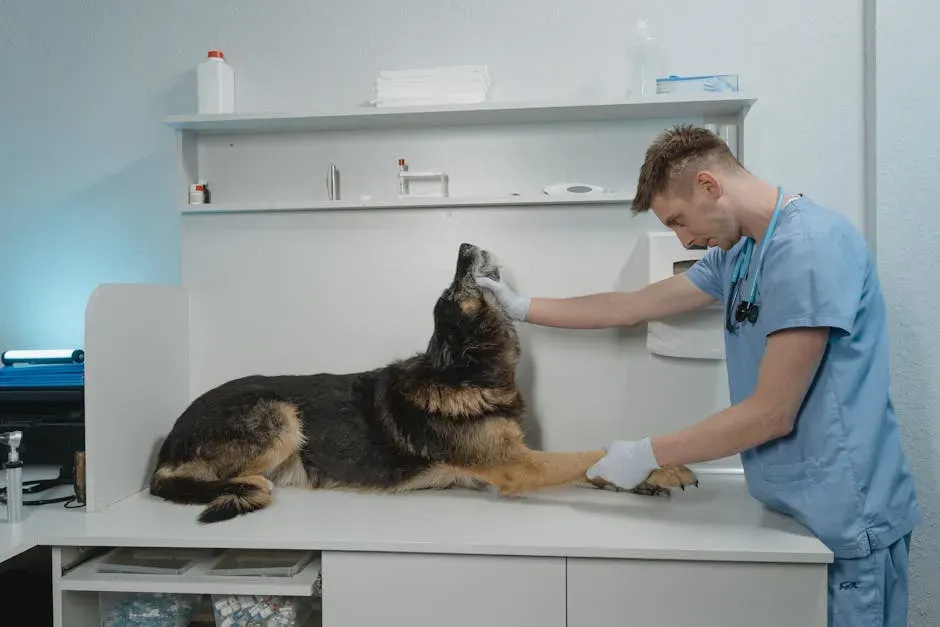
Most listings mention “up-to-date on shots” and “spayed/neutered” like it’s no big deal. What you don’t see is the spreadsheet tracking thousands of dollars in vet bills for a single “normal” dog – heartworm treatment, dentals, skin infections, chronic ear issues. These are standard in rescue work, but they don’t photograph well, and listing every problem makes people assume the dog is broken or too expensive to keep.
Internally, staff are brutally honest with each other. They know which dogs have early arthritis, sensitive stomachs, or a high chance of recurring allergies. They also know that writing “will likely need pain meds for life” in public makes casual adopters back away instantly. So the medical tab you see is rarely the full story – it’s the version designed not to scare you off before you even meet the dog.
Fast Facts
- Heartworm treatment typically runs $400-$1,000 depending on severity
- A full dental cleaning with extractions can cost $300-$700 per visit
- Chronic ear infections often mean repeat $50-$150 vet visits for years
- Ongoing allergy or skin medication can add $20-$50 a month for life
#4 – The Shelter Trauma That Doesn’t Show in Photos

Scroll any rescue page and you’ll see “a little shy at first” or “still coming out of her shell.” What doesn’t make it in is that, in the kennel, some of these dogs shut down so hard they won’t eat for days, or spin in circles until their paws bleed. Trauma looks different under fluorescent lights and slamming metal doors than it does on your couch, and most adopters have no idea how wide that gap really is.
Staff track how a dog reacts to loud noises, cleaning time, being moved between kennels, or separated from a kennel mate. They notice which dogs panic walking past certain rows, which freeze during meet-and-greets, and which only settle for one specific volunteer. None of that reads well in a three-line blurb, so it gets compressed into gentle phrases – even though it often predicts the anxiety or reactivity that shows up weeks later at home.
#5 – The Temperament Test Results Nobody Posts

Many shelters run a behavioral assessment – food bowl tests, handling tests, dog-to-dog checks. When a dog “fails,” that word never gets pasted into a Facebook post. Instead you see “no other pets” or “needs a home without small children,” while the internal record might say “guarded food bowl, growled and lunged when approached.”
The ethics here are genuinely messy. Some behaviorists argue these tests are unreliable snapshots of a dog under extreme stress, so a “bad” result becomes one data point among many rather than a death sentence. Staff still log every trigger, every escalation, every flicker of body language, and track progress as the dog decompresses in foster care. The public only ever sees the one soft phrase left standing after all that nuance gets filtered out.
Quick Compare
- Internal note: “Guarded food bowl, growled and lunged when approached”
- Public listing: “Needs a home without small children”
- Internal note: “Froze, then snapped during handling test”
- Public listing: “May need extra patience with new people”
#6 – The Ugly Truth About Where the Dog Really Came From

Most bios say something like “rescued from a high-kill shelter” or “found as a stray.” Technically true, often incomplete. What doesn’t make the listing is the hoarding house stacked floor to ceiling with waste, the backyard breeder dumping “defective” puppies, or the dog pulled from a fighting bust with scars to prove it.
Rescue staff document these origins in intake notes, sometimes with photos they’d never post publicly – not to hide the truth, but because graphic backstories can actually hurt a dog’s chances. Some people don’t want a dog with “baggage.” Others get so overwhelmed they start treating the dog as permanently damaged. So “came from a difficult situation” quietly replaces “chained outside 24/7 with visible wounds,” and the darkest chapter of that dog’s life stays in the file instead of the feed.
#7 – The Foster’s Unfiltered Play-by-Play

Foster homes are supposed to be honest, but not every brutally honest note is fit for public consumption. The website might say “doing well in foster.” The shared internal document might actually read, “screams in the crate for two hours every night” or “bolts the second a door opens.”
- Which household routines send the dog into meltdown – vacuuming, visitors, car rides
- How the dog really behaves when no one’s watching – counter-surfing, chewing, marking
Some fosters are blunt to the point of savage: “fantastic dog if you hike daily, nightmare if you work ten-hour shifts.” Staff cherry-pick the useful parts for the description and quietly drop the harsher opinions, knowing the average reader bails at the first sign of inconvenience. Ironically, the most life-saving intel about a dog’s daily reality is usually the least visible part of its online profile.
#8 – The “We Almost Euthanized” Conversations
This is the one no one likes to admit out loud: some of the dogs you see listed as “adoptable” once had serious internal debates attached to their file. Maybe there was a severe bite, an unpredictable trigger, or a medical condition the rescue couldn’t afford to treat. Behind closed doors, teams sometimes have to ask each other, quite literally, whether it’s safe or even ethical to keep trying.
Those conversations leave a paper trail you’ll never see – behaviorist reports, liability waivers, board notes discussing a dog by name. A trainer’s note like “potentially placeable with a highly experienced, child-free household” can be the thin thread that keeps a dog off a list no one wants to say out loud. The public sees “needs an adult-only home with a confident handler” and assumes strong personality. Most never realize how close that animal came to not being available at all.
Worth Knowing
- Behaviorist reports and liability waivers can sit quietly in a dog’s file for months
- Board discussions about tough cases happen by name, not by number
- A single line like “placeable with an experienced, child-free household” can be the deciding factor
- Most adopters never see how close a dog came to being pulled from the list entirely
#9 – The Financial Red Flags About Future Care
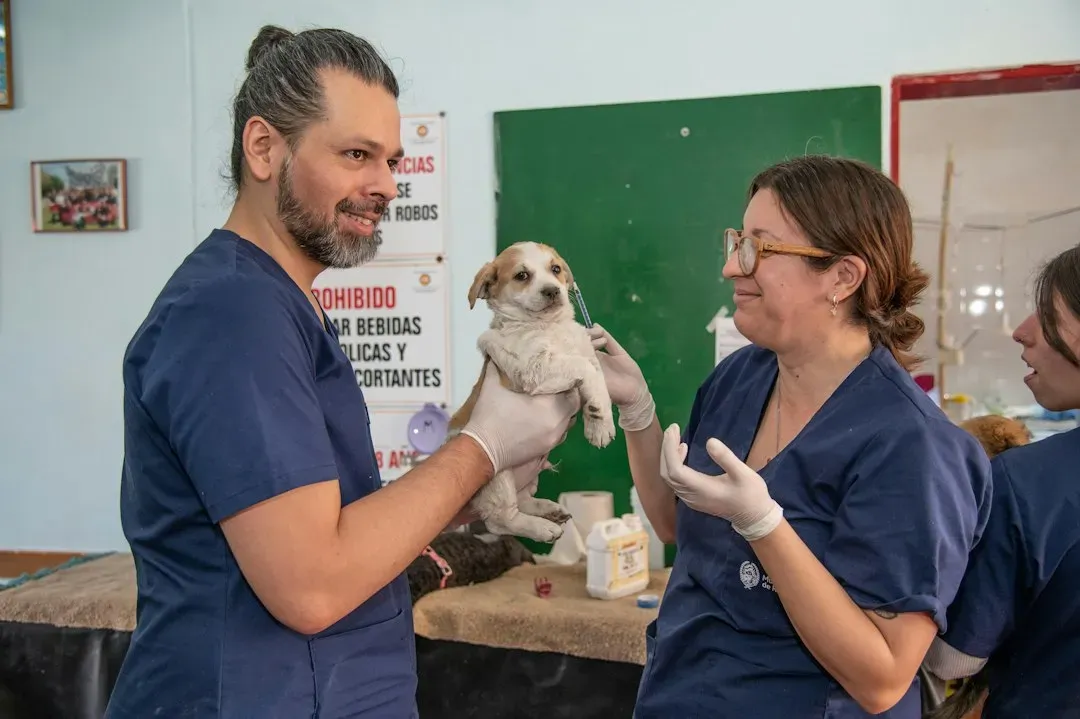
Rescues almost never write “this dog could cost you a fortune,” even when they strongly suspect it’s true. Instead you get “has some special needs” or “will require ongoing monitoring by a vet” – translation: chronic meds, diagnostics, and the occasional terrifying emergency vet bill. Leading with “expensive forever” is basically adoption suicide, so nobody does it.
Privately, staff talk frankly about breeds with known orthopedic, cardiac, or respiratory risks, and which dogs are already showing early signs that could explode into major bills later. They know who’s already needed multiple surgeries, and which dogs came back with adopters saying flatly, “we can’t afford this level of care.” Responsible adopters can usually get the full history just by asking – but most people don’t know to ask, and the listing certainly isn’t going to volunteer the worst-case number.
#10 – The Real Reason the Last Adoption Fell Apart

“No longer a fit for their previous home” sounds like a sad landlord story. Sometimes it is. But the internal notes are often more like “bit visiting nephew when he grabbed the collar” or “destroyed the couch and door frame when left alone eight hours.” Rescues sanitize this partly to protect adopter privacy, and partly to avoid the online pile-on that follows any hint of a bite.
Staff quietly dissect every return: was the match wrong from the start, were instructions like crate training and slow introductions ignored, did someone want a Netflix buddy and adopt a working breed instead? Those conversations are raw and unflinching about the humans involved. The listing, meanwhile, says “returned through no fault of his own” – technically true, but missing exactly the detail that would make the next family think twice.
#11 – The “Petty” Quirks That Break Homes in Week Three

The annoying-but-harmless quirks rarely make it into a listing, even though they quietly make or break a home. Few rescues will write “obsessed with shadows” or “barks at every man in a baseball cap,” even when it’s sitting right there in the file. Yet these are exactly the things that push a family over the edge three weeks into a placement that was supposed to be perfect.
- “Steals socks and guards them like treasure”
- “Will only potty on grass, never gravel or concrete”
Individually, none of that screams unadoptable. Stacked together, it paints a very different day-to-day picture than “lovable goofball.” List them all and the profile reads neurotic instead of charming, so rescues pick one or two cute quirks and bury the rest. It’s not lying, exactly – it’s editing. Every dog has weirdness; the rescue just decides how much of it you see upfront.
#12 – The Real Risk Level Around Kids and Other Pets

“Best in a home with older children” is one of the most sanitized phrases in all of rescue language. It often translates to “we don’t fully trust this dog around grabby hands or chaotic environments” – not because the dog is a monster, but because staff saw something that made them cautious: flinching at sudden movement, stiffening when hugged, a freeze-then-snap reaction to a toddler.
“Selective with other dogs” can come from files describing lunging, snarling, or near-fights in a playgroup. Some of these dogs never get dog-park-style playtime; they’re walked with careful distance or paired only with known “helper dogs.” To keep options open, the listing softens the message anyway, leaving the real risk calculation – about your kids, your pets, your liability – far more detailed behind the scenes than one polite sentence suggests.
At a Glance
- Flinching at sudden movement often gets softened to “needs older children”
- Stiffening during hugs can translate into “not big on affection yet”
- Lunging in a playgroup may become “selective with other dogs”
- Some dogs are walked on careful routes to avoid known triggers entirely
#13 – Who They’ll Quietly Approve (or Decline) Before You Even Apply

The listing says “loving forever home wanted.” Internally, there’s often an unspoken hierarchy of who actually gets approved. A high-drive shepherd mix? Staff may have already decided: no first-time owners, no apartments, no all-day crating. A timid, shut-down dog? Loud kids and a revolving door of visitors are quietly deprioritized, no matter how sweet the application sounds.
Case notes might read “absolutely needs a fenced yard,” or “only consider if a trainer’s reference checks out,” and none of that nuance ever reaches the public post – it would scare off inquiries, and rescues need a big pool of applicants to find the right needle in the haystack. People get furious when they’re denied, convinced they were perfect on paper. What they don’t realize is there’s a detailed profile of the human the rescue is searching for, built quietly alongside the profile of the dog they’re advertising.
The Bottom Line

The cute, two-paragraph rescue listing you scroll past is a heavily edited trailer, not the full documentary. Behind every “sweet boy looking for his forever home” sits a stack of notes on medical bills, failed tests, near-misses, ugly backstories, and human mistakes that never make it to Facebook. Call that manipulative if you want – I’d call it a messy, necessary compromise between honesty, marketing, safety, and survival in a system that’s chronically underfunded and overwhelmed.
If you’re serious about adopting, you owe it to yourself and the dog to ask for the director’s cut: full medical history, behavior notes, honest foster feedback, the real reason behind any return. That information exists, whether or not it made the post. The real question isn’t whether rescues are hiding something – they clearly are, for reasons that mostly make sense. It’s whether adopters actually want the whole story, or whether we’d all rather keep double-tapping the filtered version and calling it a day.