
Your Dog May Forget the Toy You Bought Them, but Familiar Experiences Can Shape How They Feel Around You for Years
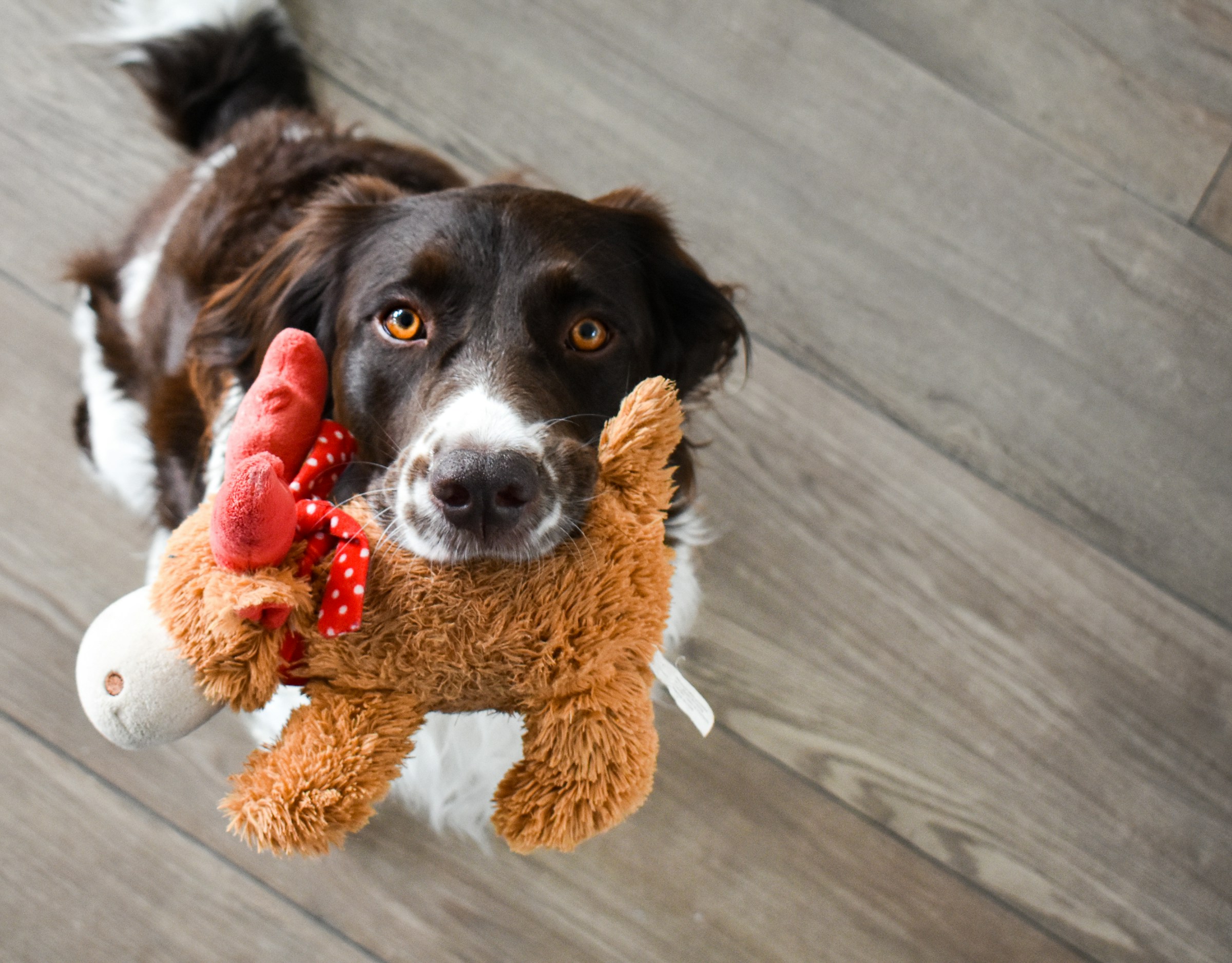
Picture this: you spend forty bucks on the squeaky unicorn toy from the pet store, watch your dog rip it apart in ten minutes, and forget it exists by dinner. Meanwhile, that same dog still tenses up every time a stranger raises their voice, or melts into a puddle of trust the second you sit on the floor a certain way. That’s not a coincidence. That’s your dog’s nervous system keeping score of something far more permanent than plastic and squeakers.
Most owners assume the fastest way to a dog’s heart is through the toy aisle. Animal behavior researchers know better. Toys vanish from memory almost instantly, but the emotional residue of how you touch, train, and treat your dog day after day gets filed away for the long haul. Stick around, because what actually rewires a dog’s trust in you isn’t what you’d expect.
#7 – Your Dog’s Memory Isn’t “Goldfish-Level” at All
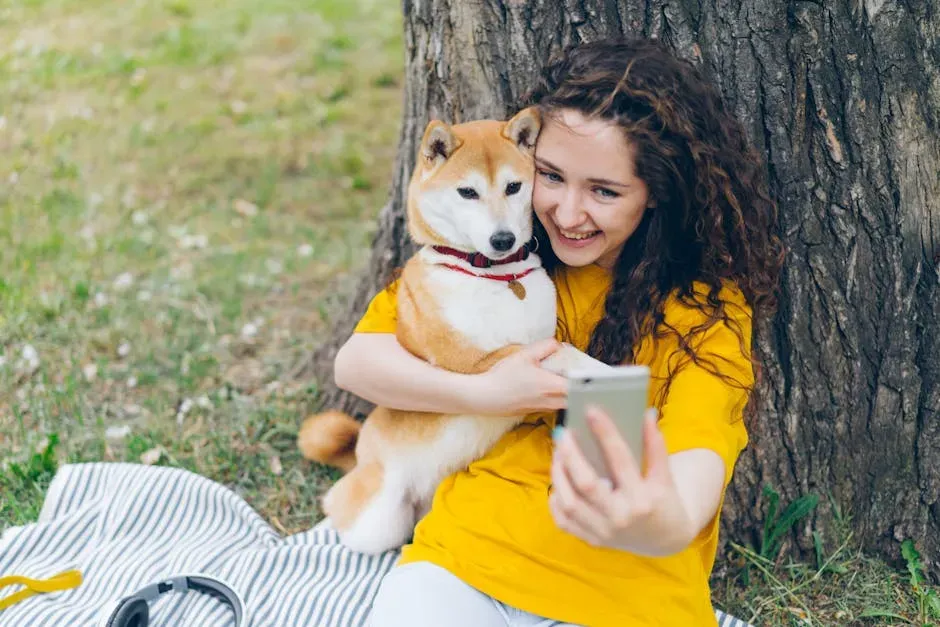
People love to joke that dogs “live in the moment” and forget everything within minutes. That joke is flat-out wrong. Dogs absolutely forget random details, like which toy was on the floor last Tuesday, but emotionally loaded experiences carve deep, lasting tracks into their brain.
Fast Facts
- Dogs form lasting associative memories tied to specific people, places, and tones of voice, not just objects.
- A single intense event can outweigh months of calm, neutral experiences in shaping future behavior.
- Emotional memories appear to be stored differently than object memories, which is why toys fade fast but fear or trust linger.
- Body language, not verbal recall, is usually how a dog “shows” you what it remembers.
Researchers have shown dogs form long-term associative memories that link specific people, places, smells, and tones of voice with either safety or stress. They don’t “remember” in words the way we do, but their body remembers in reactions. That’s why a dog can stiffen the instant a certain person walks in, even if that person hasn’t visited in months.
Here’s the part that surprises most owners: a single intense experience can outweigh dozens of calm, neutral ones. One terrifying vet visit where your dog was forced and held down can make them fight every future appointment for years. Meanwhile, months of gentle, predictable routine quietly teach their nervous system that life with you is safe.
So no, your dog isn’t reacting randomly. They’re pulling from a private archive of experiences they’ve filed away about you specifically. But that’s nothing compared to what we found about #6.
#6 – It’s Not the Toy, It’s the “Emotional Wrapper” Around It
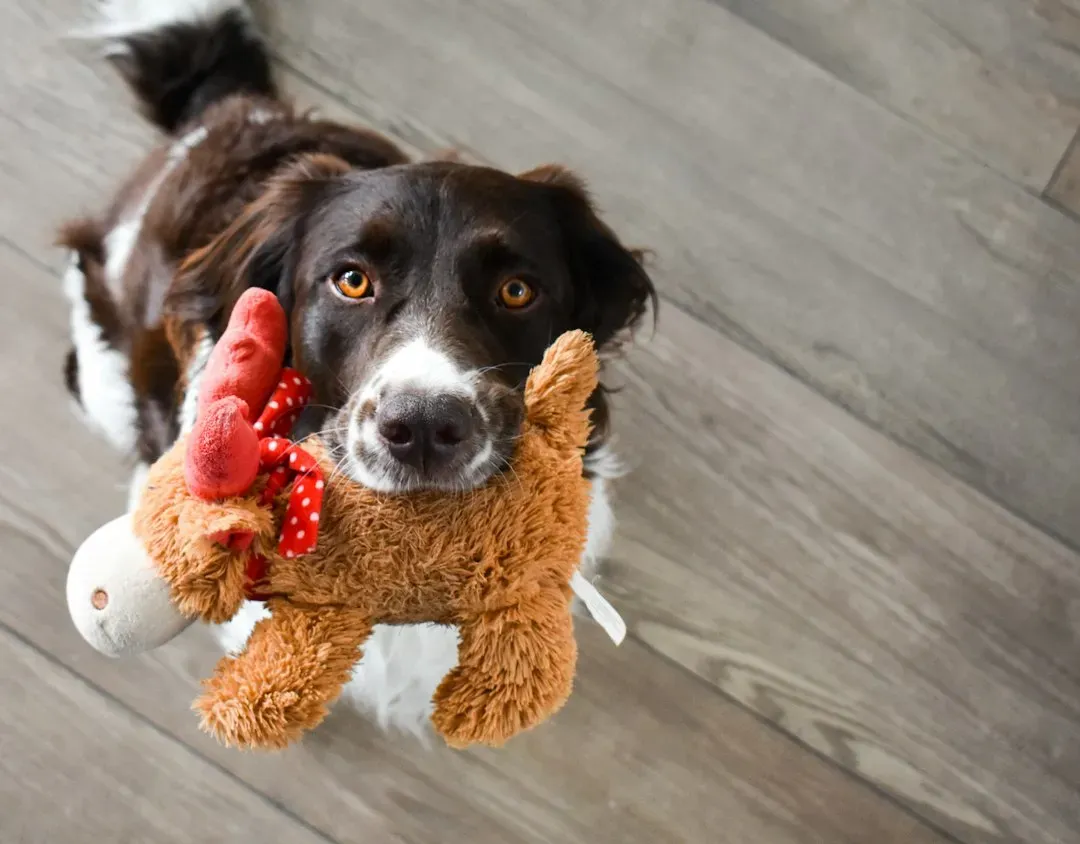
Here’s the part most owners completely miss: the object itself almost never matters. What sticks is the emotional context wrapped around it. The same rubber ball can mean “best day of my life” or “something feels off right now,” depending entirely on your energy when you pull it out.
When you hand your dog a new toy, they’re reading you the whole time. They’re clocking your tone of voice, your body language, and whether the moment feels playful or tense.
- Your tone of voice
- Your body language and energy
- Whether the play itself feels safe or chaotic
If you’re laughing, fully present, down on the floor with them, their brain pairs that toy with joy and safety. If you’re distracted, stressed, or snapping at someone else in the room, that same toy quietly gets linked to background tension instead.
Over time, the toy itself becomes irrelevant packaging. The emotional wrapper is what actually gets wired in for good. Many trainers privately roll their eyes at owners who keep buying new toys but never change how they show up during playtime, because the dog will forget the brand-name plush long before they forget whether playing with you felt relaxed or pressured. But that’s nothing compared to what we found about #5.
#5 – Your Daily Routine Is Quietly Training Their Nervous System
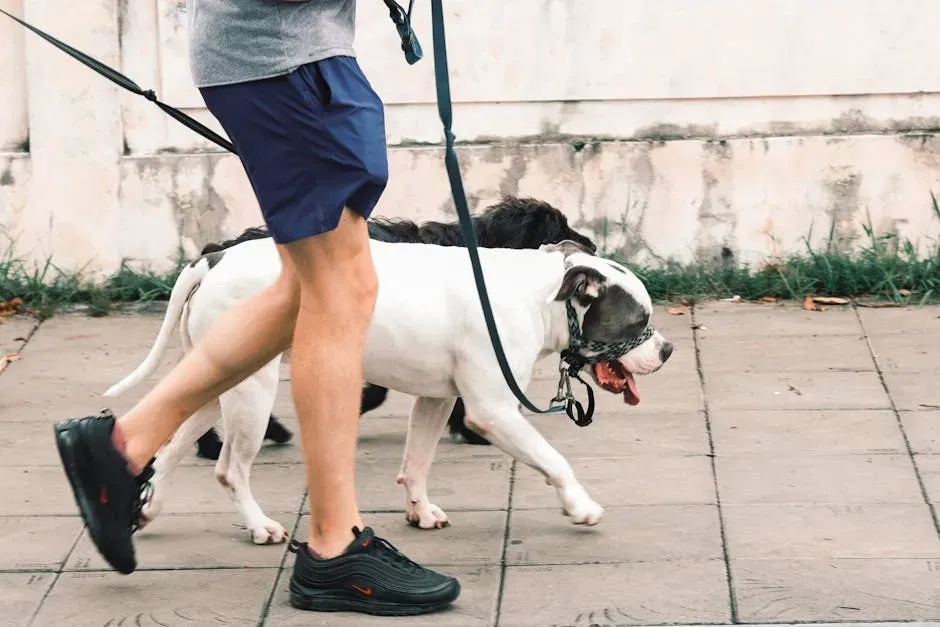
Most people think “training” only happens during those fifteen-minute sessions with treats and commands. In reality, your dog is being trained all day long by your routine, especially by how predictable or chaotic that routine actually is.
Dogs thrive on patterns. When meals, walks, and downtime happen in roughly the same windows every day, their stress hormones sit lower. Their body can “forecast” what’s coming next, and that forecasting is what makes them calmer and more secure over time. That deep sense of safety becomes anchored to you, because you’re the predictable center of the whole pattern.
Worth Knowing
- Predictable feeding and walk times are linked to lower baseline stress in dogs.
- Erratic feeding schedules or unexplained long absences can trigger anxiety-like behaviors.
- Routine doesn’t have to be exciting to be effective, consistency matters more than novelty.
- Dogs raised on stable schedules often adapt more easily to travel, boarding, or new environments later on.
On the flip side, a constantly shifting schedule, like late feedings, random walk times, or sudden long absences with no warning, teaches your dog that life is unstable. They may not know exactly why, but they know the instability happens around you. That shaky undercurrent can resurface years later as separation anxiety, clinginess, or reactivity that seems to come out of nowhere.
Here’s the uncomfortable truth few owners want to hear: a dog walked at the same boring time every single day often feels more secure than a dog who gets “epic” but unpredictable outings. When it comes to a dog’s emotional health, stability beats novelty almost every time. But that’s nothing compared to what we found about #4.
#4 – Your Dog Can “Catch” Your Mood Like a Cold
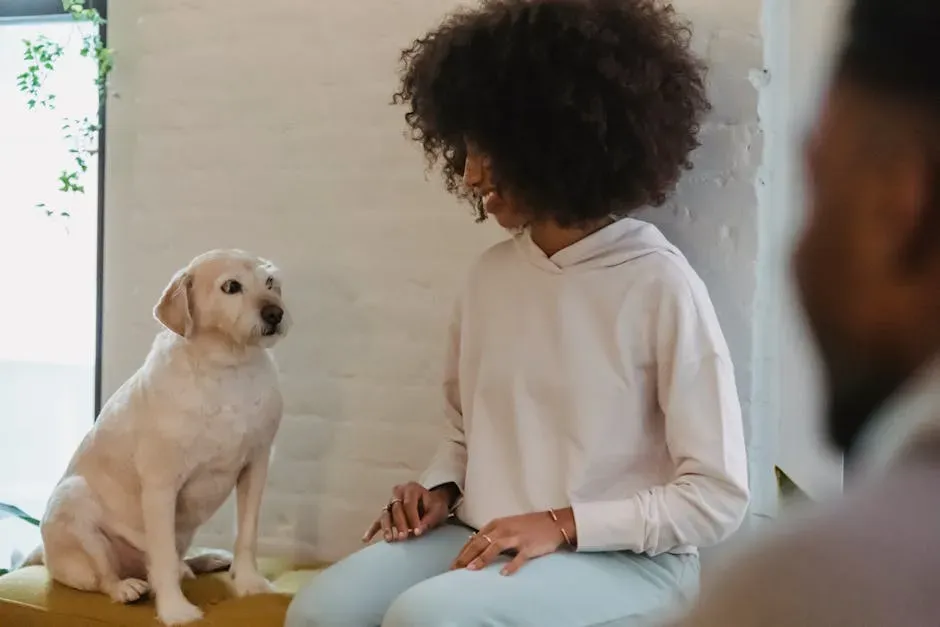
This is where things get uncomfortably human. Dogs are remarkably skilled emotional readers, and research has shown their heart rates and stress levels can actually sync with their owners’ during stressful situations. In plain terms, your dog doesn’t just observe your mood, they often absorb it.
If you’re consistently tense, angry, or anxious, your dog’s body quietly learns a rule: being near their human means staying on high alert. Over months and years, that alertness can become their default state. They startle more easily, bark more, or seem clingy, not because they’re being dramatic, but because their nervous system has essentially copied yours.
At a Glance
- Dogs can mirror an owner’s stress response, including elevated heart rate, during tense situations.
- Chronic owner anxiety is associated with more reactive, alert, or clingy behavior in dogs.
- Calm, steady owner behavior during stressful moments teaches dogs that unpredictability doesn’t mean danger.
- Small habits, like pausing before reacting, can shift a dog’s baseline stress level over time.
On the other hand, if you handle frustration in front of your dog with calm boundaries instead of explosions, they experience something very different, over and over: even when things go wrong, their human stays steady and predictable. That memory of emotional regulation becomes just as real to a dog as learning “sit” or “stay.”
People tend to bristle at this because it sounds like blame. It isn’t. It’s leverage. You don’t need to overhaul your entire personality overnight, but small habits, like taking a breath before yelling, stepping away before a fight escalates, or turning arguments into quieter conversations, can reshape how your dog feels around you for years. But that’s nothing compared to what we found about #3.
#3 – Gentle Touch Today Can Change How They Handle Stress Tomorrow
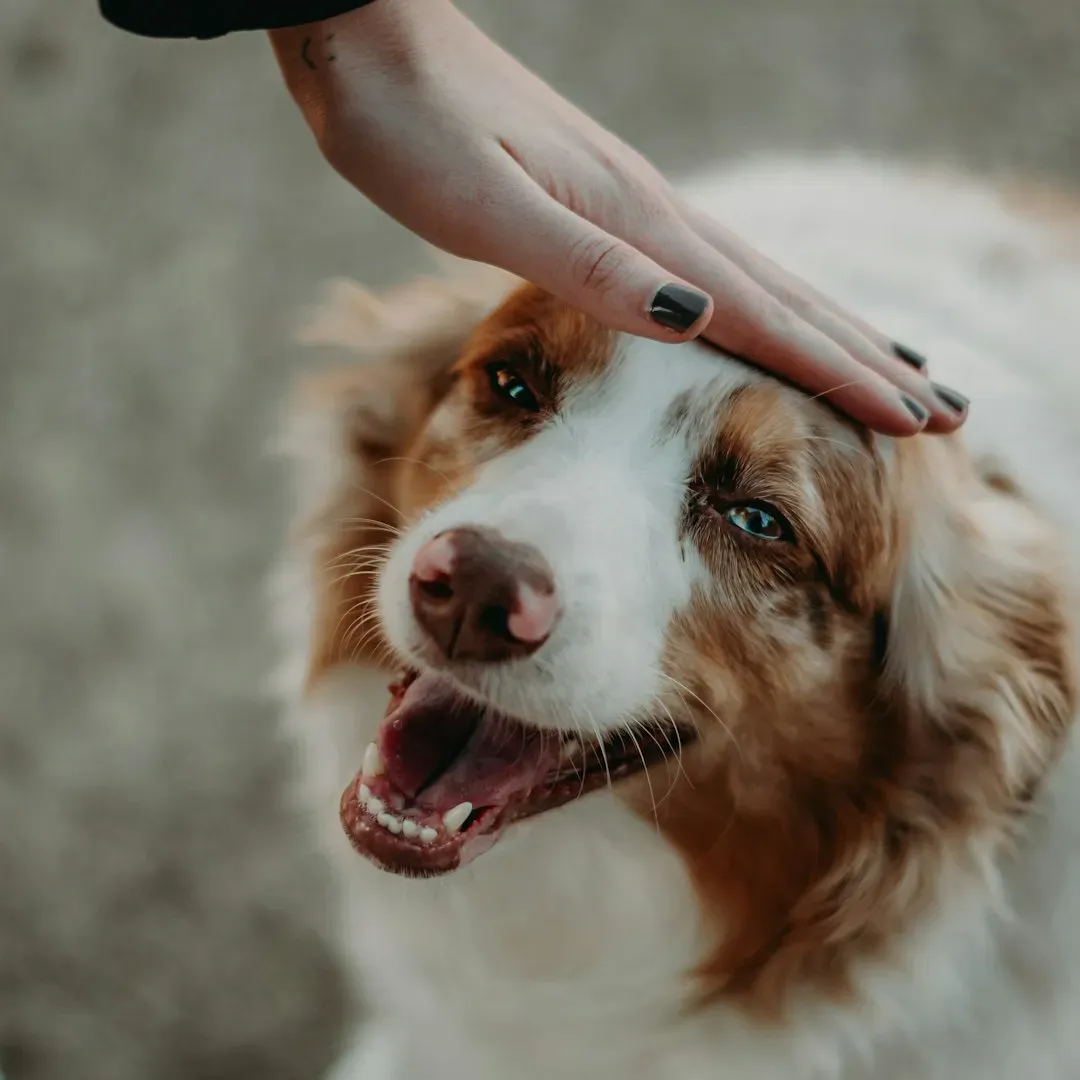
Most owners think of petting as simple affection. Behavior science treats it as data collection, because every single time you touch your dog, you’re teaching them something.
- Confirming “I’m safe, even when hands are near my body,” or
- Teaching “hands can be unpredictable or scary”
Dogs raised with consistent, gentle, consent-based touch, meaning you watch their signals, stop when they lean away, and never force handling, tend to grow into dogs who are easier to groom, easier for vets to examine, and far less hand-shy later in life. Their bodies have stored hundreds of tiny, forgettable moments that all say the same thing: this person’s hands have never led to pain or panic.
On the other hand, dogs who’ve been grabbed, yanked, pinned during nail trims, or hugged tightly while clearly uncomfortable remember that too. Many “sudden” bites around grooming aren’t sudden at all. They’re the final overflow of years of stored negative experiences finally spilling over.
The scary part is you rarely see the damage happening in real time; the dog just “tolerates” it and moves on. The beautiful part is you also rarely notice the slow healing that comes from months of gentle, respectful touch, until the day your dog lets a vet do something they used to fight tooth and nail. But that’s nothing compared to what we found about #2.
#2 – Training Style Leaves Emotional Scars or Emotional Armor
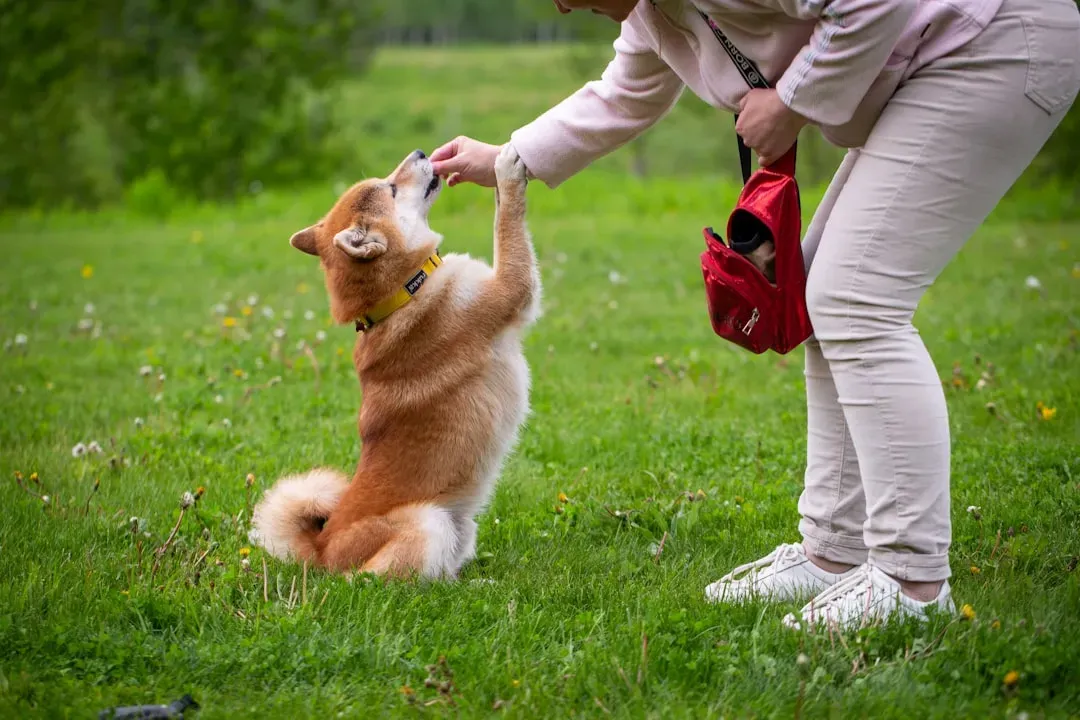
Ask any two trainers about “discipline” and you’ll start a small war in the comments section. But underneath all that noise, one thing is clear: how you correct and reward your dog builds a long-term emotional story they quietly tell themselves about you.
Harsh, unpredictable corrections, like yelling, sharp leash jerks, alpha rolls, or shock collars used out of frustration, can sometimes suppress unwanted behavior fast. But they also teach a dog that their human can become dangerous without much warning. Even a dog that looks perfectly obedient on the surface often carries visible tension underneath: a lowered body, a tucked tail, hesitant movements before every command.
Reward-based training with clear, consistent boundaries tells a completely different story. It says, “I know what’s expected of me. When I get it right, good things happen, and when I get it wrong, my human guides me instead of exploding.” That builds genuine trust rather than mere compliance, and trust, layered through hundreds of tiny interactions, becomes the stable emotional lens your dog uses to read everything you do.
Quick Compare
- Harsh corrections: fast suppression of behavior, but often paired with fear, tucked tails, and hesitant movement.
- Reward-based training: slower to show results, but builds lasting trust and confidence.
- Harsh corrections: compliance driven by avoiding punishment.
- Reward-based training: compliance driven by mutual understanding and safety.
Here’s the controversial part most trainers agree on privately: a dog allowed to make small, safe mistakes and get calmly redirected often ends up more confident than a dog that’s “perfect” simply because they’re too scared to try anything new. That confidence is exactly what carries a dog through stressful, unfamiliar situations years down the road. But that’s nothing compared to what we found about #1.
#1 – The “Emotional Echo” of Your Shared Rituals Lasts for Years

If toys fade, routines blur, and specific days get fuzzy in a dog’s mind, what actually lasts? For most dogs, it’s your rituals, those small, repeated moments that quietly become the emotional skeleton of their entire life with you.
- The slow morning cuddle before you get out of bed
- The way you always say the same phrase right before walks
- That goofy “you’re home!” greeting the second you walk through the door
Individually, these moments look tiny, almost forgettable. But stacked day after day, year after year, they build what you could call your dog’s “felt story” of you. They may never recall the exact day you brought home that fancy new toy, but they will carry the feeling that their person always comes back, and when they do, it’s safe and warm.
On the darker side, rituals can work against you too. If your evenings regularly involve shouting, slammed doors, or you disappearing in an agitated state for hours, your dog eventually learns that this part of the day is when the energy turns bad. Buying three new toys to “make it up” won’t undo that pattern, because a dog’s nervous system trusts the routine, not the receipt.
Here’s the hard truth most people don’t want to hear: your dog’s opinion of you in old age won’t come from the rare, massive moments, the big trips, the expensive gifts, even the dramatic rescues. It will come from the emotional echoes of thousands of ordinary moments that quietly told them either “with this person, I’m okay” or “with this person, I’m always bracing.”
The Bottom Line
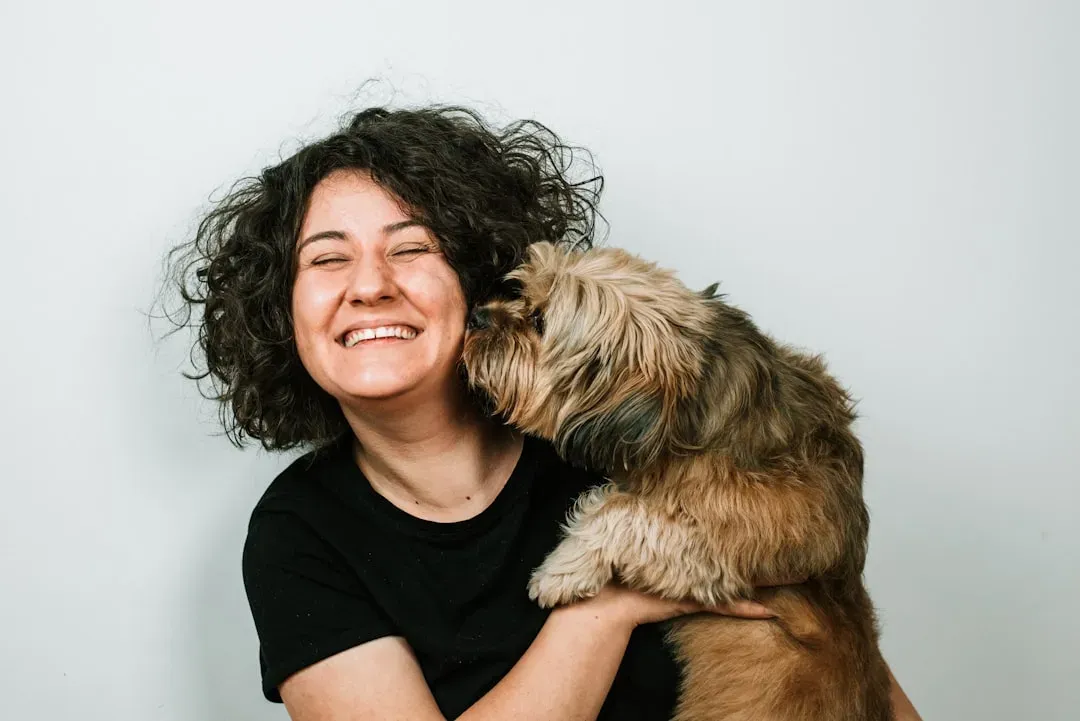
Your dog will absolutely forget the color of the toy you bought last month, the brand of treats you favored this year, and nearly everything you’ve ever posted about them online. But they will not forget how it felt to live beside you.
Familiar experiences, the way you touch them, talk to them, train them, fight around them, and come home to them, shape their emotional reality for years. That’s not meant to guilt-trip you. It’s meant to wake you up.
Dogs are not our whole life, but they make our lives whole.
Roger Caras
You don’t need more stuff to make your dog happy. You need more consistent kindness, clearer boundaries, calmer reactions, and richer daily rituals. In the end, your dog’s real “memory” of you isn’t a toy, a treat, or a gift, it’s the feeling in their body the moment you walk into the room. The only real question left is whether you’re willing to change your habits so that feeling is safety, not tension.