
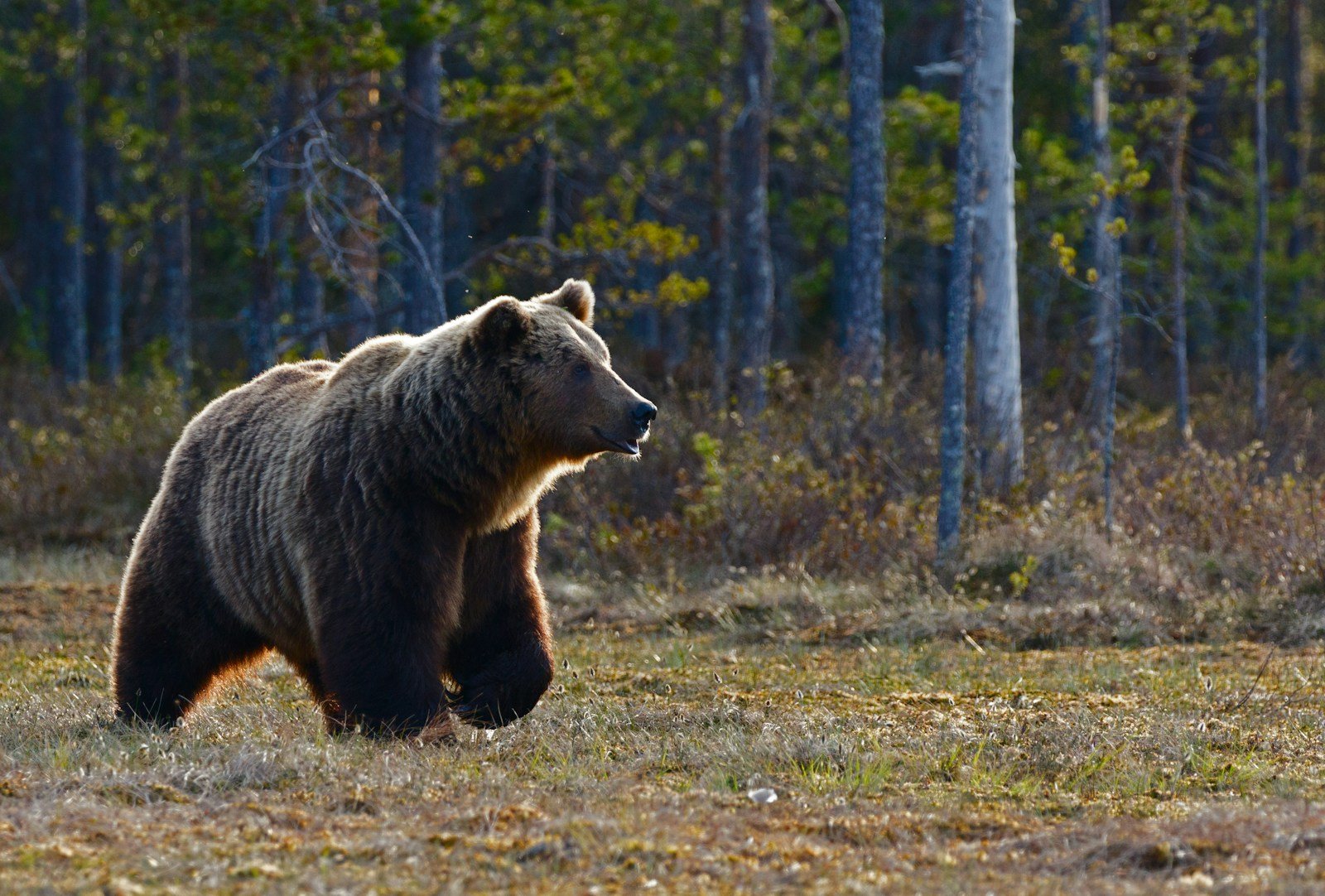
DD Animal News- For over a hundred years, California’s landscape has been devoid of its iconic grizzly bears, once a symbol of the state’s untamed wilderness. But that could soon change, thanks to a renewed effort by conservationists to bring these formidable predators back to the Golden State.
The Return of a Legend
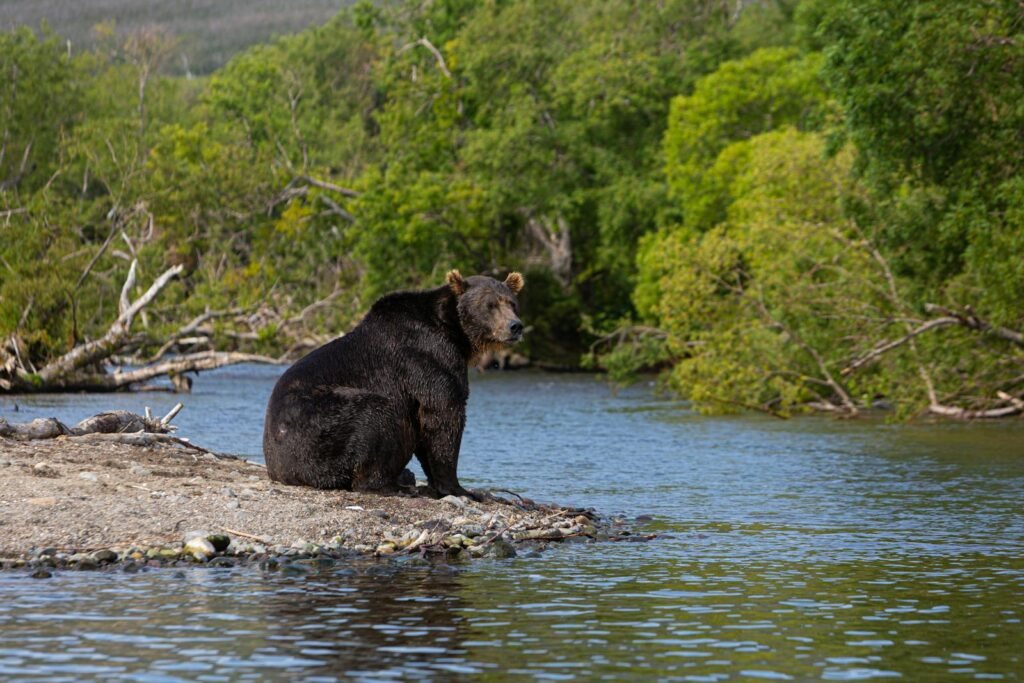
Grizzly bears once roamed California’s mountains, forests, and valleys in vast numbers, with estimates suggesting up to 10,000 individuals before European settlers arrived. However, by the 1920s, they had been eradicated from the state, driven to extinction by habitat loss, hunting, and targeted extermination campaigns that treated them as dangerous pests. Today, the only grizzly most Californians encounter is the one emblazoned on the state flag.
The California Grizzly Alliance, a conservation group focused on restoring these apex predators to their native range, recently completed a comprehensive feasibility study.
The findings? There are “no insurmountable biological, ecological, economic, legal, or policy obstacles” to bringing grizzlies back, according to a recent press release from the alliance. The study combined scientific analysis with social research to gauge public opinion, concluding that with enough funding and support, grizzlies could thrive once more in parts of their historic range.
Understanding the Grizzly
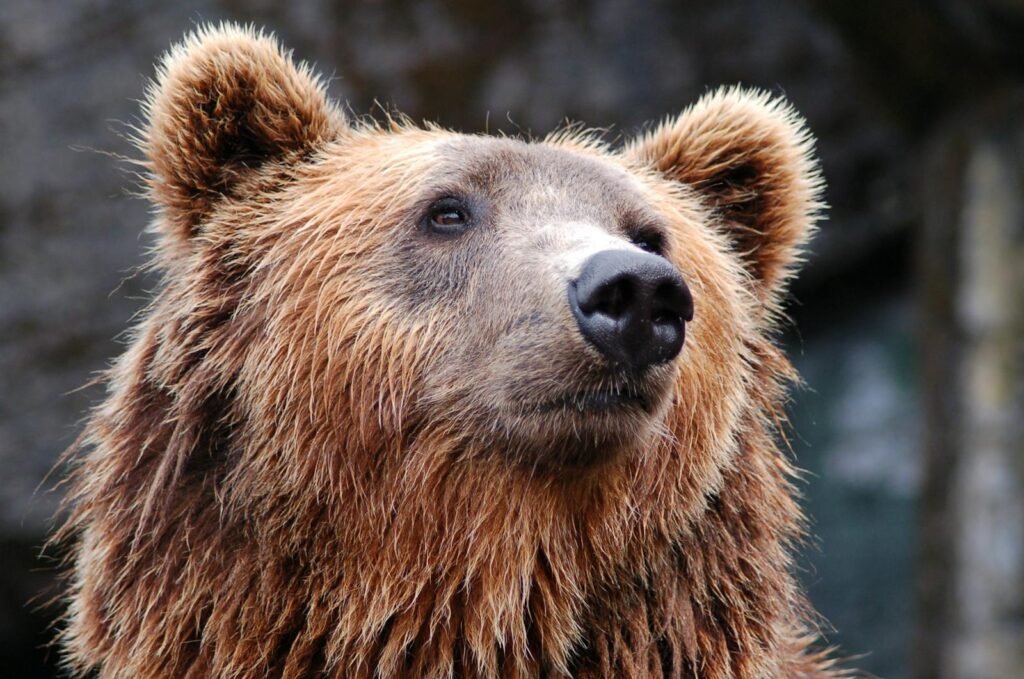
Despite their fearsome reputation, grizzly bears (Ursus arctos horribilis) are not the relentless man-eaters of popular imagination. They are a subspecies of brown bears (Ursus arctos), distinguished primarily by their range, slightly smaller size, and more solitary nature. Grizzlies tend to be more cautious around humans, typically retreating when they catch a scent or hear the approach of people.
“The grizzly was honored and respected not only for its power, but for the balance it helped maintain in the natural world,” said Tejon Tribe Chairman Octavio Escobedo III in the alliance’s press release. “This study shows that with the right approach, it’s actually possible for the bear to fulfill that role once again.”
Overcoming a Bloody Past
Grizzlies did not vanish due to an inevitable clash with human progress. Instead, they were deliberately targeted. Early settlers, ranchers, and miners saw them as a direct threat to livestock and human safety. Strychnine, a lethal poison, was commonly used to bait and kill the bears, sometimes mixed with shattered glass to ensure a slow, agonizing death. Newspaper ads from the late 1800s even promoted these deadly mixtures as a surefire way to exterminate the species.
A recent report by the alliance points out that many of those responsible for the bears’ eradication had histories of violent behavior toward both animals and other people.
“The California grizzly did not disappear due to some inexorable force of human progress,” the study concluded. “Grizzlies disappeared from the state because a relatively small group of individuals… killed so many of them.”
A Path Forward
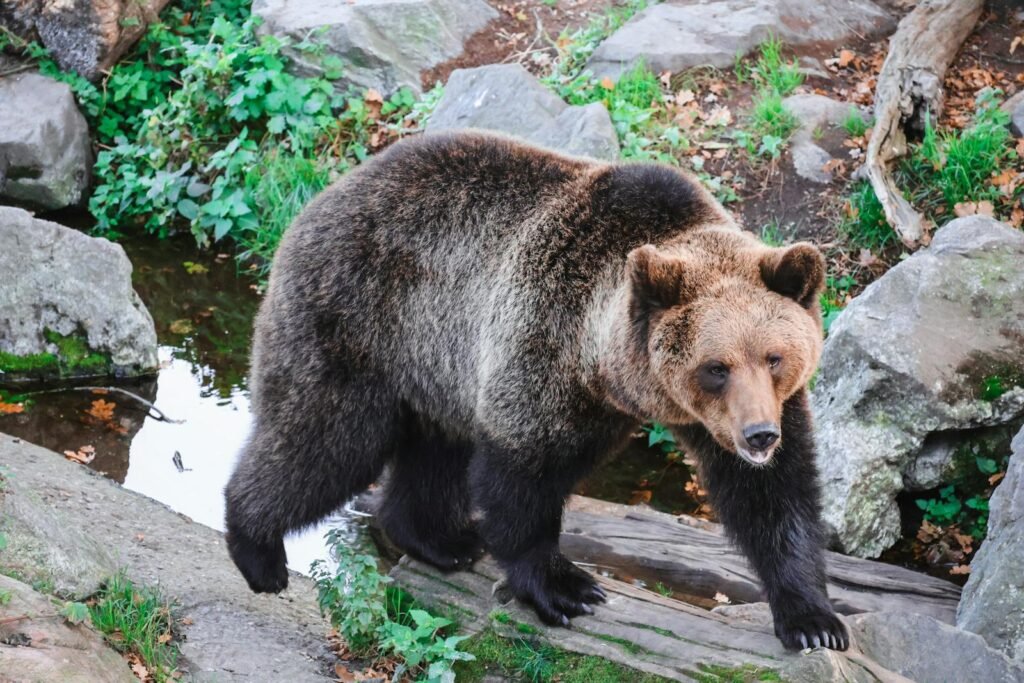
If reintroduction is to succeed, public awareness and support will be crucial. While many Californians support the idea, effective education about coexistence with grizzlies will be essential to prevent conflicts and ensure the long-term survival of the bears. The alliance believes that with the right strategies, California could once again be home to one of North America’s most iconic predators.
“Bringing grizzlies back to California is not just about restoring a species, but about restoring an essential part of our state’s natural heritage,” said Dr. Emily Johnson, a wildlife biologist involved in the study. “It’s about reconnecting Californians with the wild places that shaped our history.”
Looking Ahead
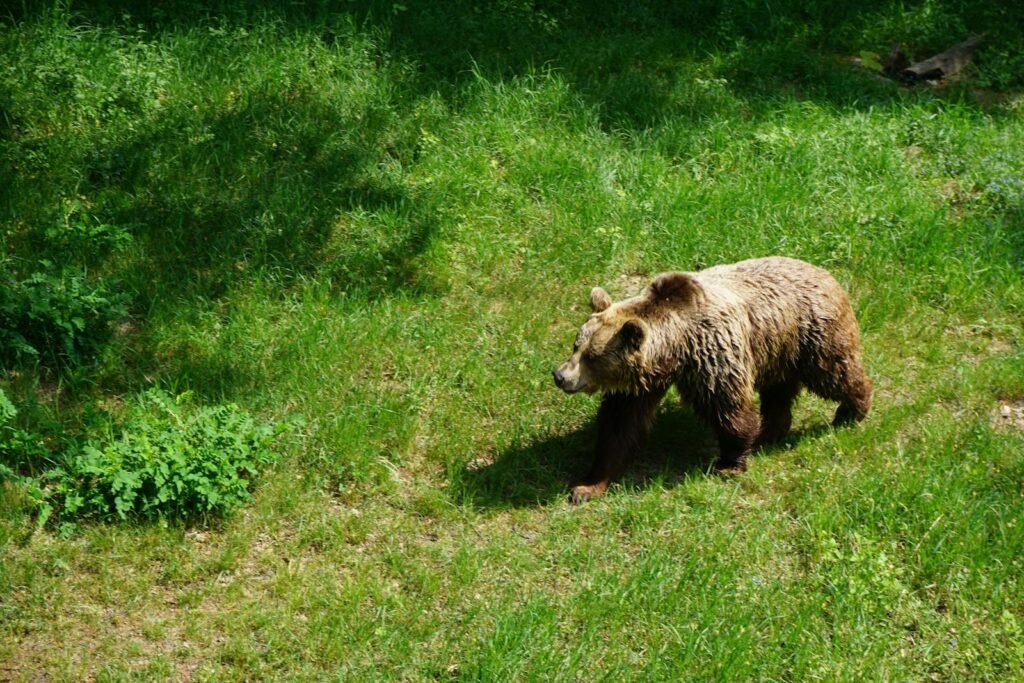
The potential reintroduction sites include mountainous areas surrounding the Great Central Valley, the Coast and Transverse mountain ranges, and the western foothills of the Sierra Nevada — regions that still offer the diverse habitats these bears once thrived in. Streams where salmon spawn would provide critical food sources, increasing the chances of successful recolonization.
For now, the idea remains a vision, but with enough public support, funding, and careful planning, California’s wilderness could once again echo with the powerful roar of the grizzly.


