
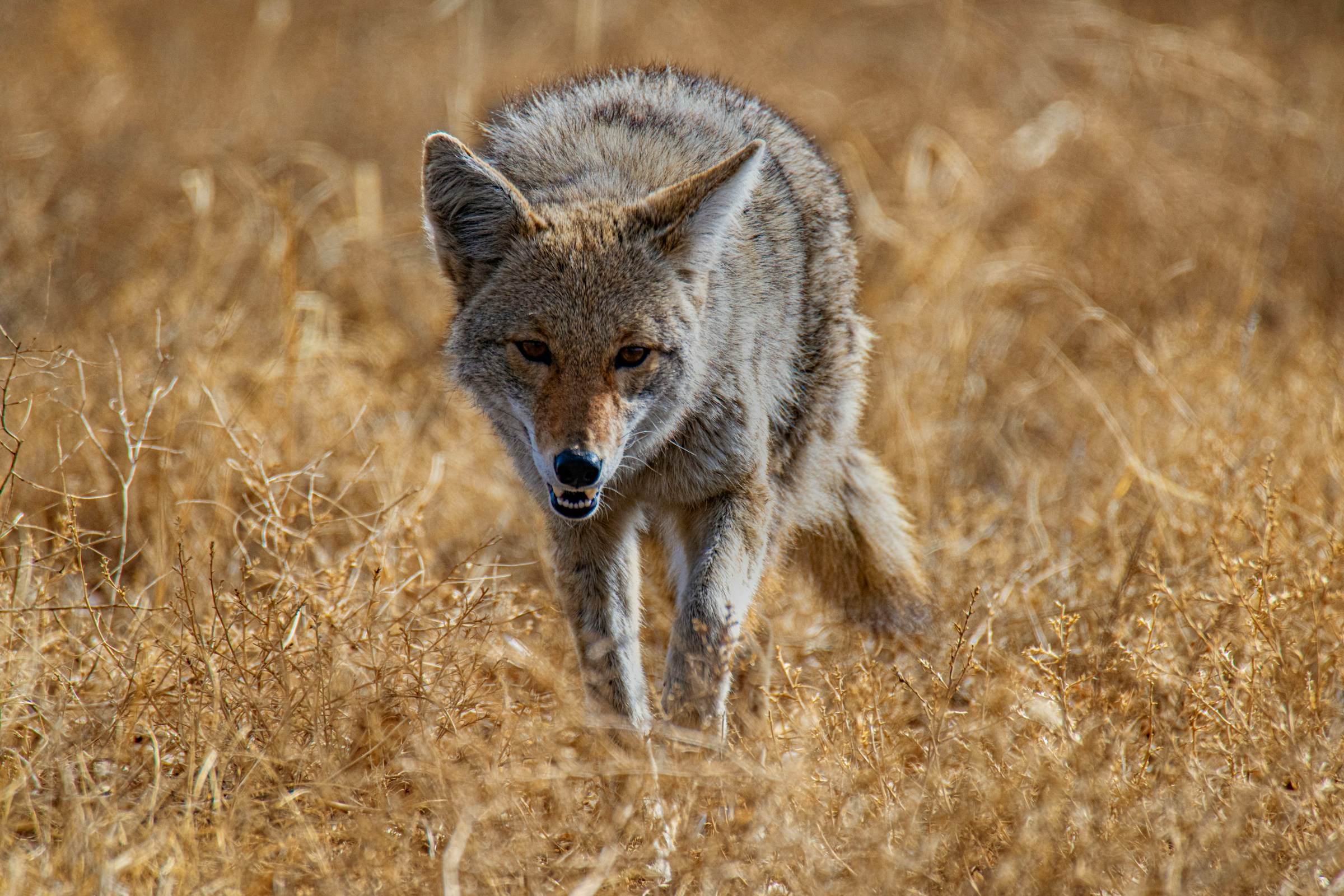
Coyotes have a reputation as scrappy loners lurking at the edges of cities and suburbs, but that image is only half the story. When it comes to raising pups, these wild canines are far closer to a tight-knit family than a pair of freewheeling single parents. Their dens are often buzzing with relatives pitching in, overlapping generations, and a surprising amount of coordination that feels almost like a well-run household. Once you start seeing coyotes as family-focused rather than purely solitary, their behavior suddenly makes more sense. Why do they tolerate certain adults near their den but chase off others? Why do some coyotes seem to live in settled territories for years, while others roam? Underneath it all is a flexible, family-based system that helps pups survive in unpredictable landscapes, from remote deserts to your local golf course.
A Species Built Around Pair Bonds And Long-Term Partnerships
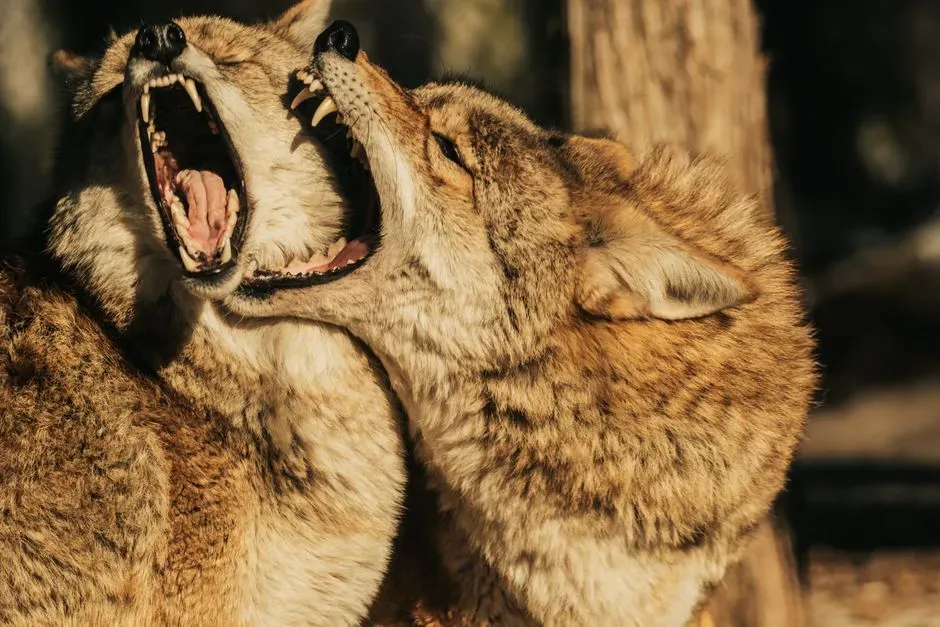
At the center of a coyote family is usually a breeding pair that behaves much more like long-term partners than casual mates. These two often stay together across multiple breeding seasons, reusing territories they know well and refining their teamwork each year as they raise litter after litter. Instead of the stereotype of a single mother doing all the work, the male typically plays an active, ongoing role in support, protection, and provisioning. This kind of pair bond makes evolutionary sense for a mid-sized predator that cannot rely on brute strength alone. When both adults coordinate hunting, feeding, and guarding, pups have a better chance of making it through the vulnerable first months of life. In a way, it is similar to human couples who realize that sharing night feedings, grocery runs, and housework makes the whole household more resilient and less stressed.
Cooperative Families: Older Siblings And “Aunts” That Stick Around
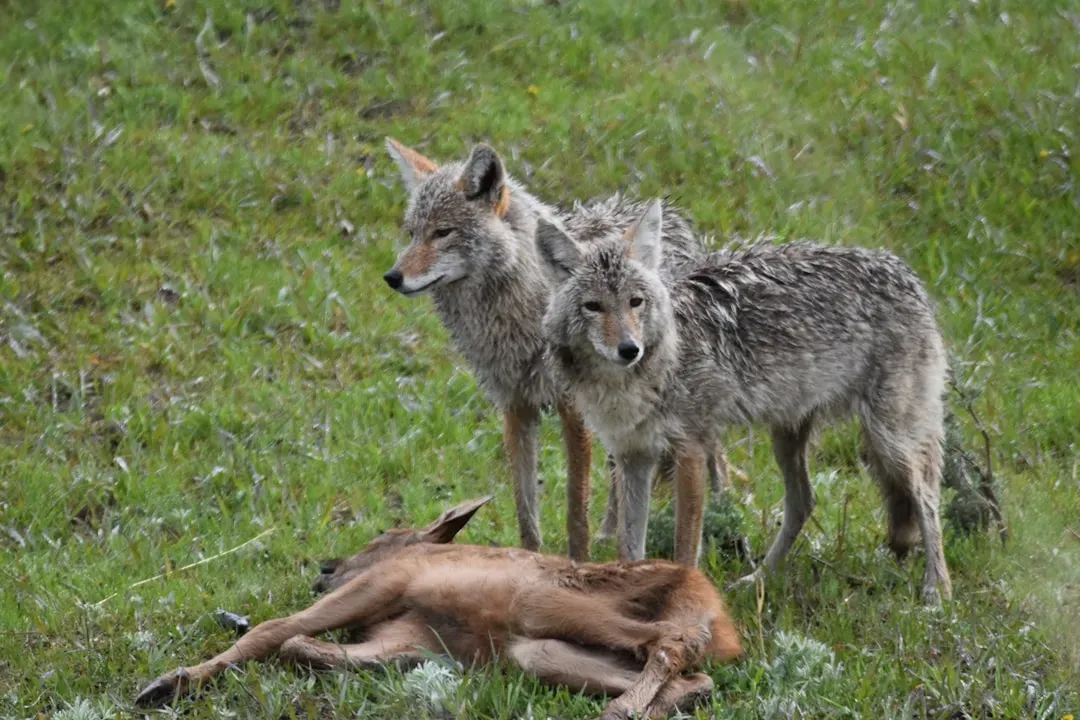
One of the most striking things researchers have documented is that coyote parents are often not alone with their pups. Yearling offspring may delay dispersing and stay with the family to help raise the next litter, acting a bit like live-in babysitters or junior co-parents. In some territories, additional non-breeding adults also pitch in, creating a small clan rather than a simple nuclear pair. These helpers can babysit pups at the den, bring them food, and sound alarms when danger is near. For the helpers, staying close offers benefits too: they gain experience in parenting, maintain access to a familiar home range, and sometimes inherit a slice of that territory. It reminds me of big human families where older siblings practically help raise the younger ones, learning skills they will eventually use in their own homes.
Shared Duties: How Coyote Parents Divide The Work
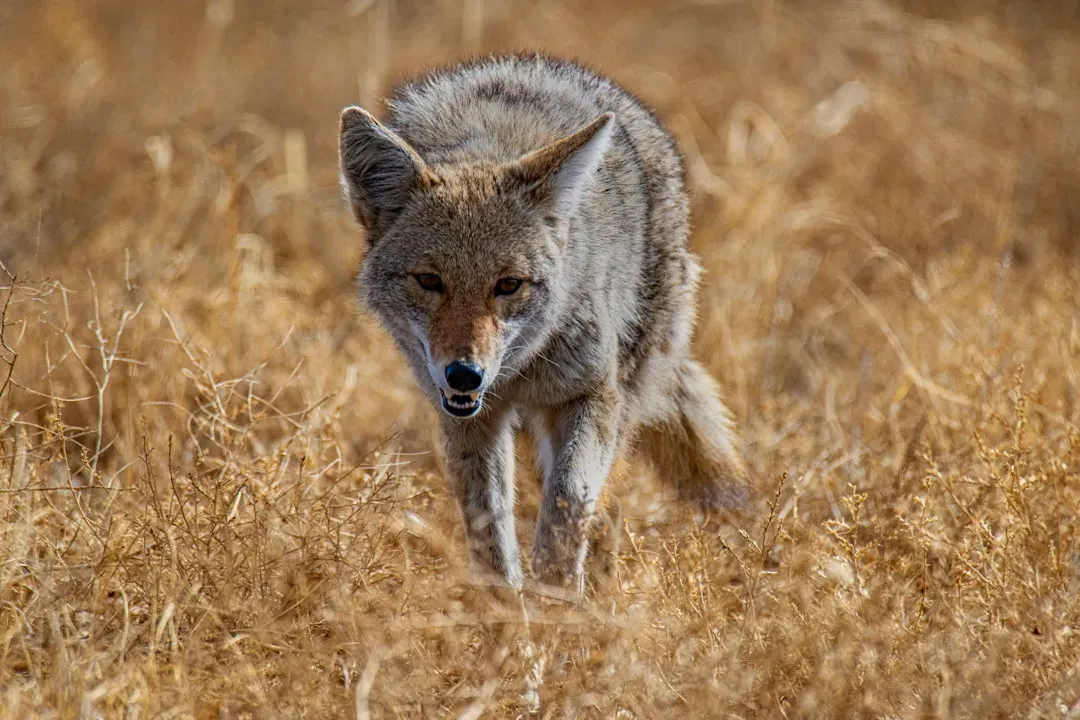
If you watched a coyote den for a full season, you would rarely see one parent doing everything while the other simply wanders around. Mothers and fathers share duties more than many people realize, though the exact division can shift depending on conditions and individual personality. Mothers are more tied to the den in the earliest days, nursing and sheltering the tiny pups, while fathers often take on the role of primary food provider and perimeter scout. Over time, as pups grow and become more mobile, the balance adjusts. Both parents and sometimes helpers start taking pups on short forays, teaching them how to move quietly, respond to alarm calls, and investigate prey. The family feels less like two independent adults with their own schedules and more like a small working team that adjusts who does what based on who is available and what the environment throws at them that day.
Teaching Survival Skills: Play, Practice, And Real-World Training
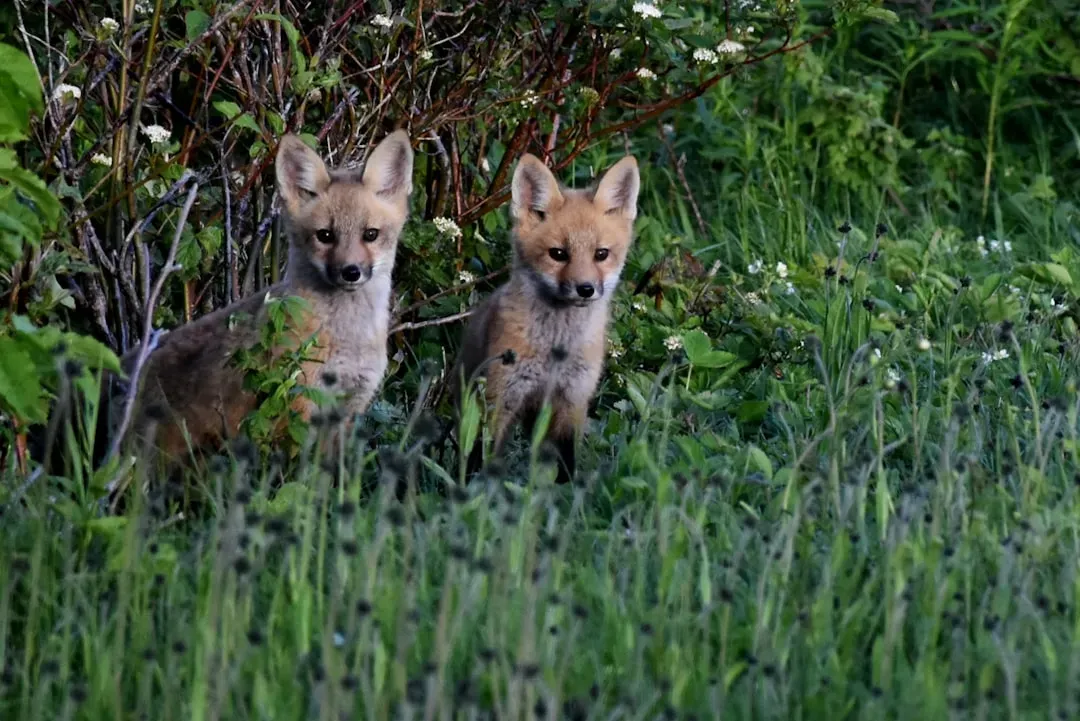
Pup play might look like chaos, but to a behaviorist it is a training camp disguised as fun. Young coyotes chase, pounce, mouth, and wrestle each other not just to burn off energy but to sharpen hunting skills and social awareness. Adults sometimes join in or subtly shape the game, cutting it short if things get too rough or steering the pups toward certain types of practice. Later, adults introduce more serious lessons: trailing scents, approaching carcasses cautiously, or watching for human activity before crossing open ground. The family’s home range is essentially a huge outdoor classroom where every night offers new examples of what to do and what to avoid. It is not that coyotes hold formal lessons, of course, but their routines and reactions create a constant, immersive education that solitary parents would struggle to provide as effectively.
Communication And Coordination: How Families Stay In Sync
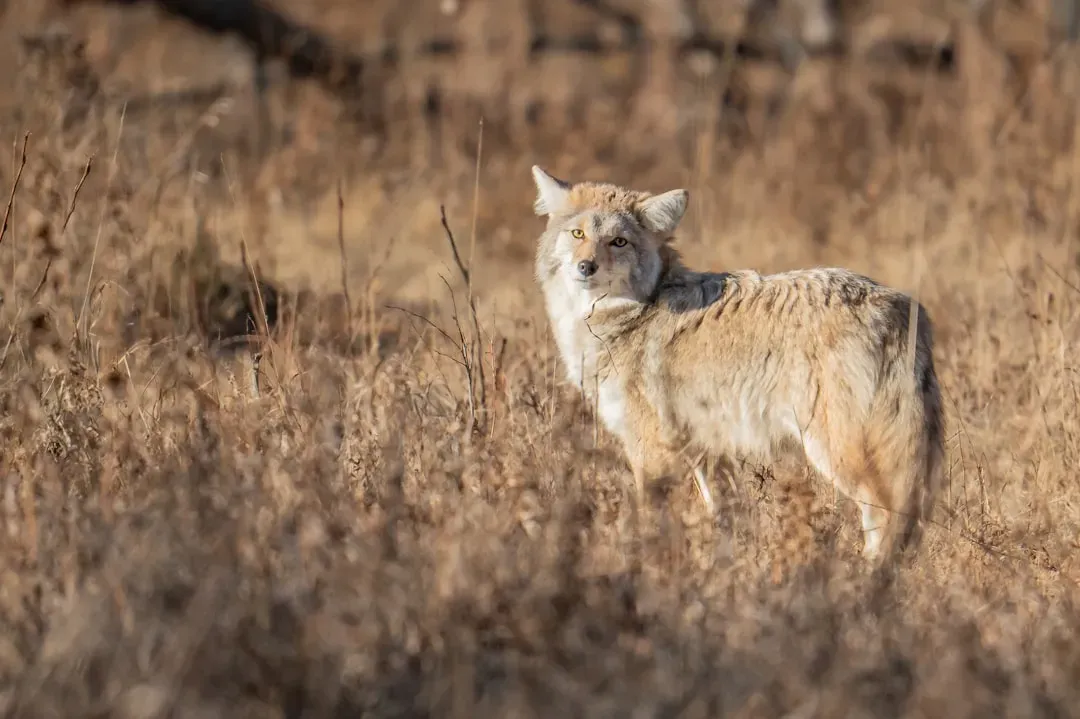
Coyotes are famously vocal, and those eerie nighttime howls are not just random noise. Family groups use a mix of barks, yips, whines, and howls to keep tabs on each other, mark their presence to neighbors, and reunite after hunting or scouting. To a trained ear, the pattern of voices can reveal roughly how many individuals are calling and whether pups are part of the chorus yet. Beyond sound, they rely heavily on scent marks, body postures, and even subtle approaches and retreats to coordinate within the group. Think of it like an ongoing group chat with text, emojis, and tone of voice all layered together. In such a system, raising young as a cooperative family becomes much more efficient: everyone knows who is nearby, who is on duty, and when it might be time to retreat to safety.
Urban Coyotes: Family Strategies In The Middle Of Our Cities
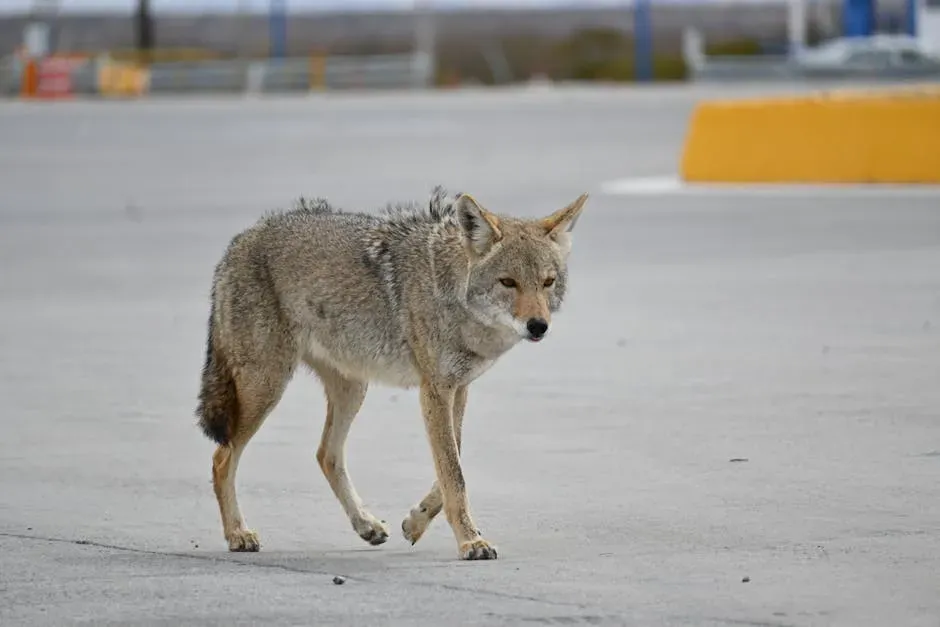
What may surprise people most is that this family-based system is alive and well in cities and suburbs. Urban coyotes often form stable territories that they defend as family units, using greenbelts, parks, cemeteries, and drainage corridors as their core spaces. When residents see “the same coyote” over and over, it is often a breeding adult from a long-term family group that has quietly carved out a living among roads and houses. In these human-dominated landscapes, cooperative parenting can be a real advantage. Multiple adults mean more eyes scanning for cars, dogs, and people, and more options for finding food in fragmented habitat. Ironically, while many city dwellers picture lone coyotes sneaking down alleys, it is the hidden dens full of pups and helpers that really explain why the species is thriving alongside us rather than fading away.
Why Family-Based Parenting Makes Evolutionary Sense
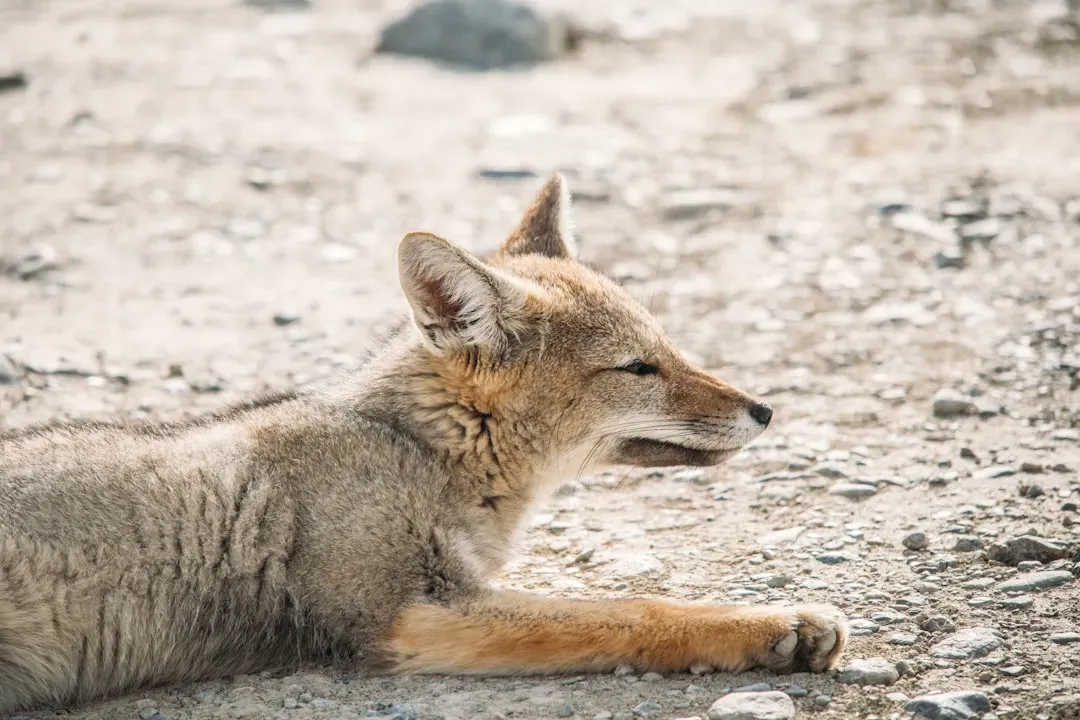
From an evolutionary perspective, raising pups as a cooperative family is a kind of insurance policy. Pups are fantastically vulnerable: bad weather, scarce prey, disease, or a single accident can wipe out an entire litter if only one adult is available to respond. A small network of related adults spreads out the risk, increasing the odds that at least some offspring survive to adulthood and pass on shared genes. It is also a flexible system that can stretch or contract depending on circumstances. In rich environments with plenty of food and safe den sites, families may be larger and keep offspring around longer. In harsher conditions with more pressure from humans or competitors, groups may be smaller and more fluid. The core idea stays the same, though: it is smarter to treat parenthood as a team sport than a solo performance.
Rethinking Coyotes: Why Our View Of Them Needs To Catch Up
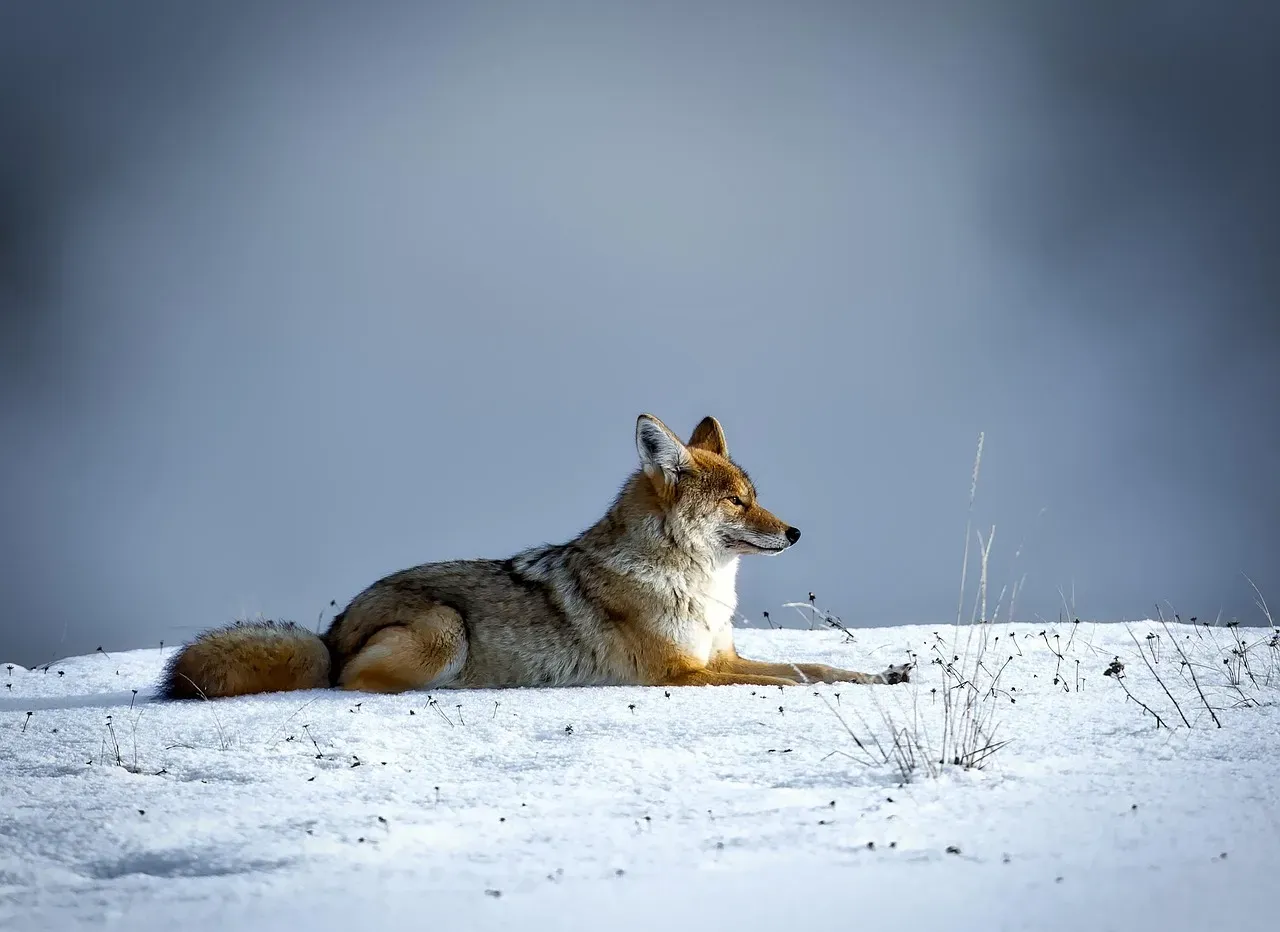
To me, the most striking part of all this is how far public perception lags behind what behaviorists actually see in the field. We still talk about coyotes like scruffy loners gaming the edges of civilization, yet their real story is closer to that of adaptable, highly social parents doing their best to raise families in a world we keep reshaping. That disconnect matters, because people are more likely to fear and persecute what they imagine as rogue individuals than what they recognize as family groups simply trying to survive. Recognizing coyotes as cooperative, family-minded animals does not mean romanticizing them or ignoring the rare conflicts they can cause. But it does suggest that our management, our media stories, and even our casual conversations should treat them less like villains and more like neighbors with a complex home life. The more we see the family behind the howl, the harder it becomes to justify knee-jerk hostility – and the easier it is to choose coexistence over pointless crusades. Did you expect the “urban trickster” to be such a devoted family animal?


