
Animal Behaviorists Say When Your Dog Places Their Head in Your Lap Without Being Invited They Have Registered a Drop in Your Mood Before Any Outward Sign Was Visible
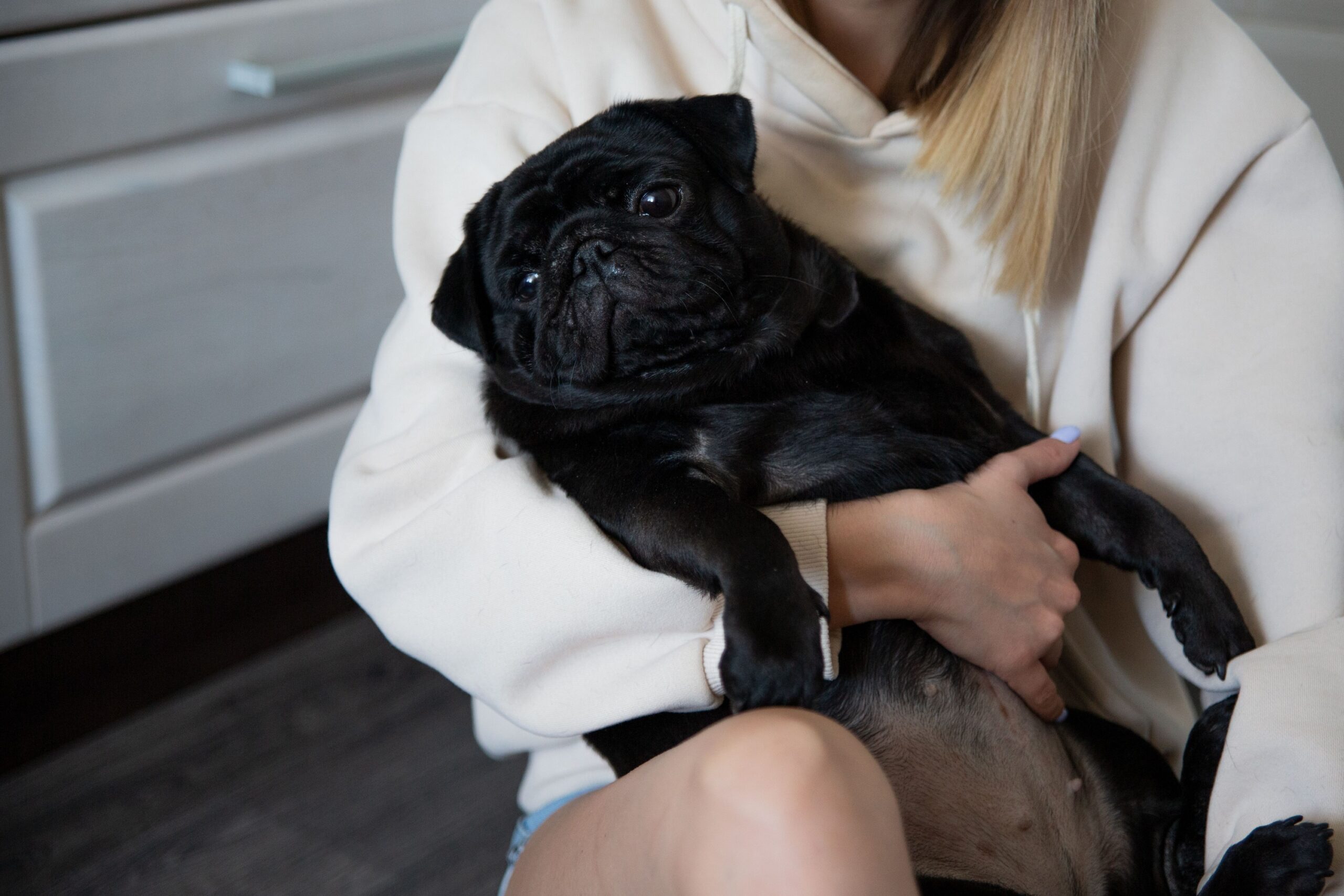
There’s this quiet, almost eerie moment many dog owners know: you’re just sitting there, trying to hold it together, and suddenly your dog appears and gently drops their head in your lap. You haven’t cried, you haven’t sighed dramatically, you haven’t said a word. But somehow, they know. It can feel almost supernatural, like you’re living with a furry little mind reader.
I remember once staring at my laptop, holding in a wave of frustration, and my dog just walked over, leaned his whole head into my legs, and stayed there. No fanfare, no begging, just quiet contact. Honestly, it felt like he noticed the storm inside me before I even admitted it to myself. It’s moments like these that make people ask: are dogs really detecting our mood drops before we show any obvious sign – and what does science actually say about it?
How Dogs Read Us Before We Speak
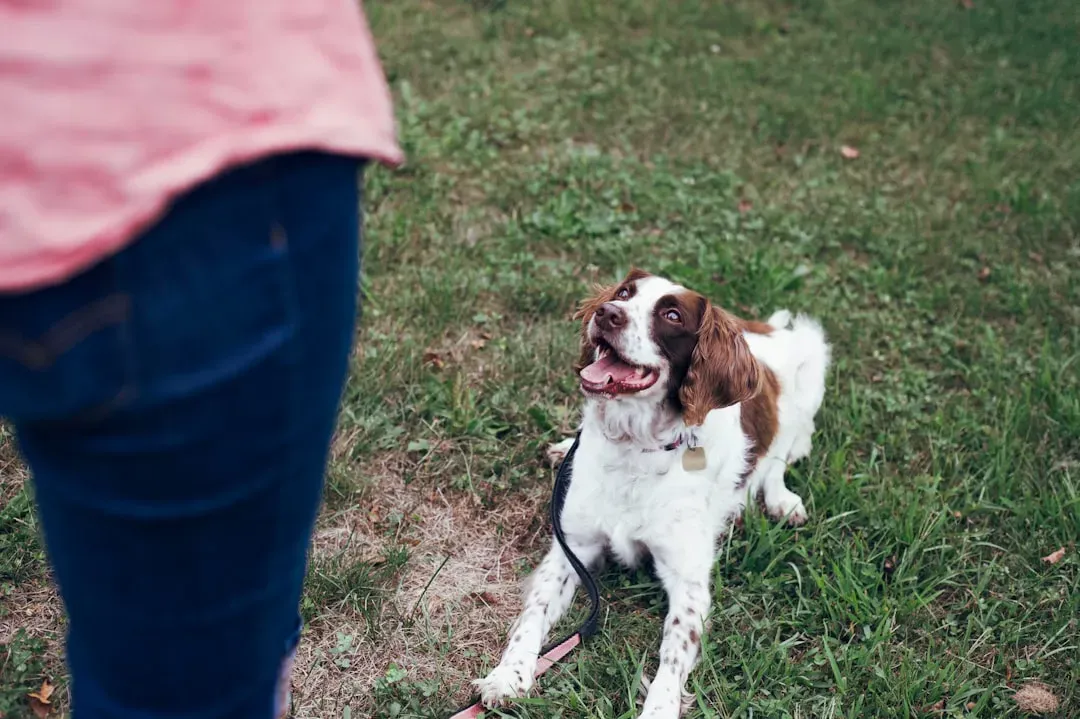
Animal behaviorists generally agree on one big thing: dogs are freakishly good at reading humans. They live in a world where our body language, breathing, routines, and smells are their main channels of information. Over thousands of years of living alongside people, dogs have become experts at picking up subtle shifts in posture, micro-movements in the face, and even tiny changes in the way we type on a keyboard or hold our shoulders.
So when people say their dog rests their head in their lap before there’s any outward sign of sadness, what’s often happening is that the dog has picked up on early, tiny cues that we don’t even realize we’re showing yet. Your jaw may be tighter, your breathing a bit shallower, or your scent slightly different. To us, that feels like “no sign at all.” To a dog, it’s like someone turned on a siren.
The Science: Smell, Hormones, and Invisible Signals

Dogs are not just looking at us; they’re smelling us in a way we can’t fully imagine. They have a far stronger sense of smell than humans, and research has shown that they can detect changes in human body odor related to stress and emotional shifts. When our mood drops, our bodies can release different patterns of hormones and chemicals, and dogs are likely noticing those subtle scent changes long before we notice our own emotional crash.
This doesn’t mean every head-in-lap moment is a scientifically measured diagnosis of your mental state, but it does mean there’s a real biological foundation for why dogs seem to anticipate our feelings. They may not understand “sadness” the way we describe it, but they absolutely notice the invisible changes that come with it. To them, your mood is not an abstract idea; it’s something they can literally smell and sense.
Comfort or Habit? What That Head in Your Lap Really Means
When your dog places their head in your lap, they might be comforting you – but they also might be seeking comfort themselves. Dogs are social animals; physical closeness is one of the main ways they connect and feel safe. If your mood drops and your energy shifts, sitting closer or leaning on you may be their way of saying, “Something feels off. Let’s handle this together.” It’s comfort going both ways, like a shared blanket on a cold night.
At the same time, some dogs learn that nuzzling or resting their head on you gets them affection, petting, and attention. Over time, what might start as a response to your subtle stress cues can turn into a habit because it’s consistently rewarded. That doesn’t make it less special; if anything, it shows how your emotional life and their behavior become intertwined, shaping each other over time.
Why It Feels So Uncannily Timed

One reason these moments feel almost magical is that we only really notice them when they line up with an emotional low point. Think of all the times your dog has rested their head on your lap when you were just watching TV or scrolling your phone – you probably didn’t mentally mark those as extraordinary. But when it happens exactly when you’re on the verge of tears, it sticks in your memory and feels like a tiny miracle.
Our brains are wired to notice and remember emotionally charged events, so the perfectly timed head-in-lap becomes a powerful story we tell ourselves about our bond with our dog. Is there real sensitivity there? Absolutely. Are we also selectively noticing the most dramatic examples? Very likely. The truth is a mix of genuine emotional attunement and our human tendency to highlight the moments that feel like proof of something deeper.
Emotional Support: Real Comfort, Even Without Magic
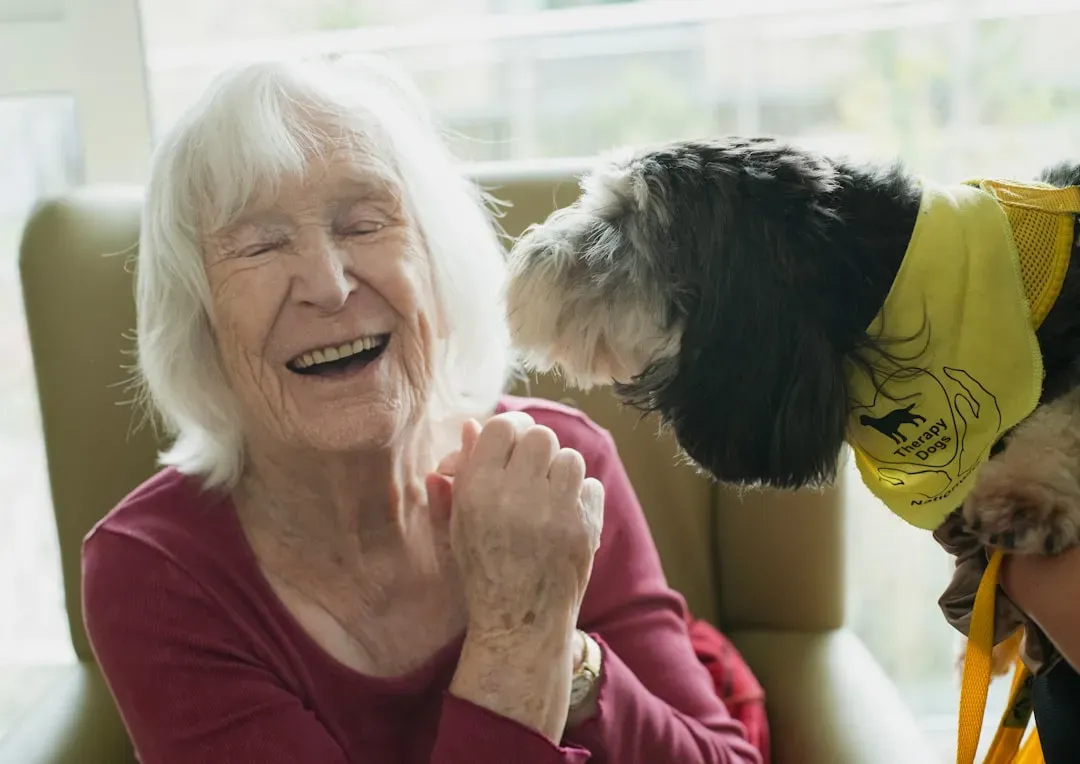
Even if we strip away the idea that dogs are flawless mood detectors, what’s left is still pretty incredible. Having a dog that comes close, leans in, or rests their head on you when you’re low can genuinely help your nervous system calm down. The warmth, the weight, the soft fur, the rhythmic breathing – these simple physical sensations can slow your heart rate and help you feel less alone, like someone is quietly on your side without needing an explanation.
There’s also something deeply healing about being cared for by a creature who doesn’t ask questions or offer advice. Your dog doesn’t need you to put your feelings into words or justify why you’re upset. They just show up and exist with you in that space. In a world obsessed with productivity, having a being in your life whose main response to your pain is, “I’ll just lie here with you,” is unexpectedly powerful.
How to Respond When Your Dog Does This
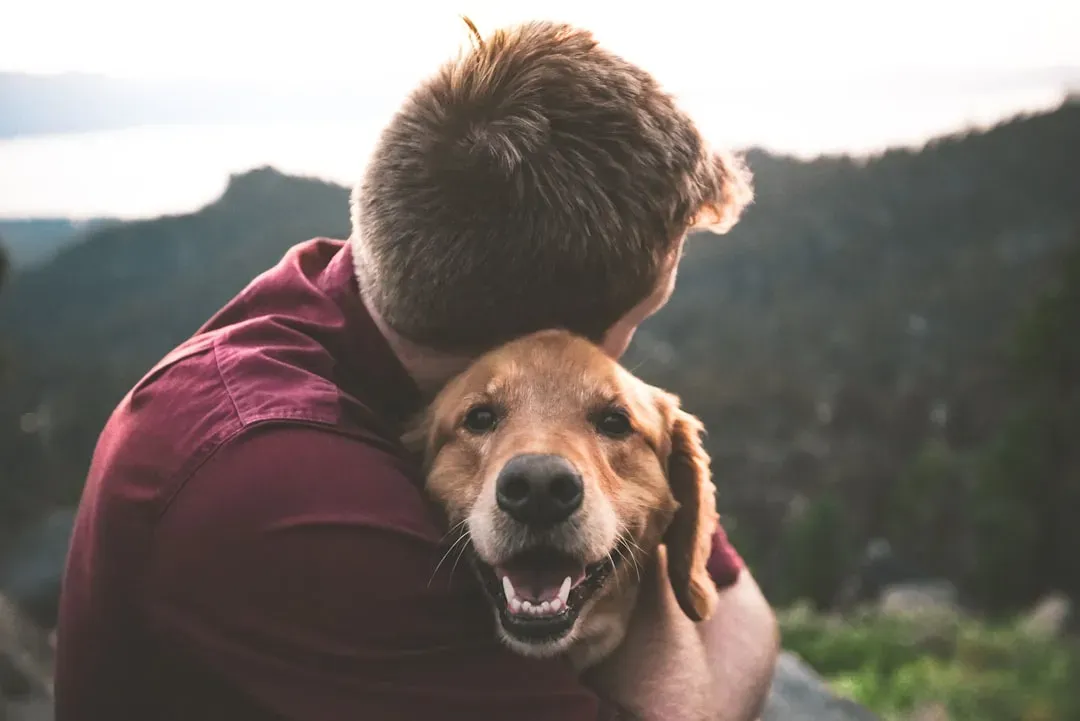
When your dog places their head in your lap during one of those quiet emotional dips, you don’t have to overanalyze it – but you also shouldn’t ignore it. For many dogs, that gesture is a bid for connection, and meeting it with a calm, gentle response can strengthen the bond you share. Softly petting them, speaking in a relaxed tone, or simply putting your hand on their back is like saying, “I see you too, and we’re in this together.”
At the same time, it’s worth noticing patterns. If your dog only does this when your stress is high or your energy is unusually low, it might be a sign they’re picking up more from you than you realize. That can be a quiet nudge to check in with yourself: Are you sleeping enough? Are you overwhelmed? In a small way, your dog’s behavior can become an emotional mirror, reflecting back changes you might be trying to power through or ignore.
Conclusion: Heartfelt Instincts, Not Telepathy
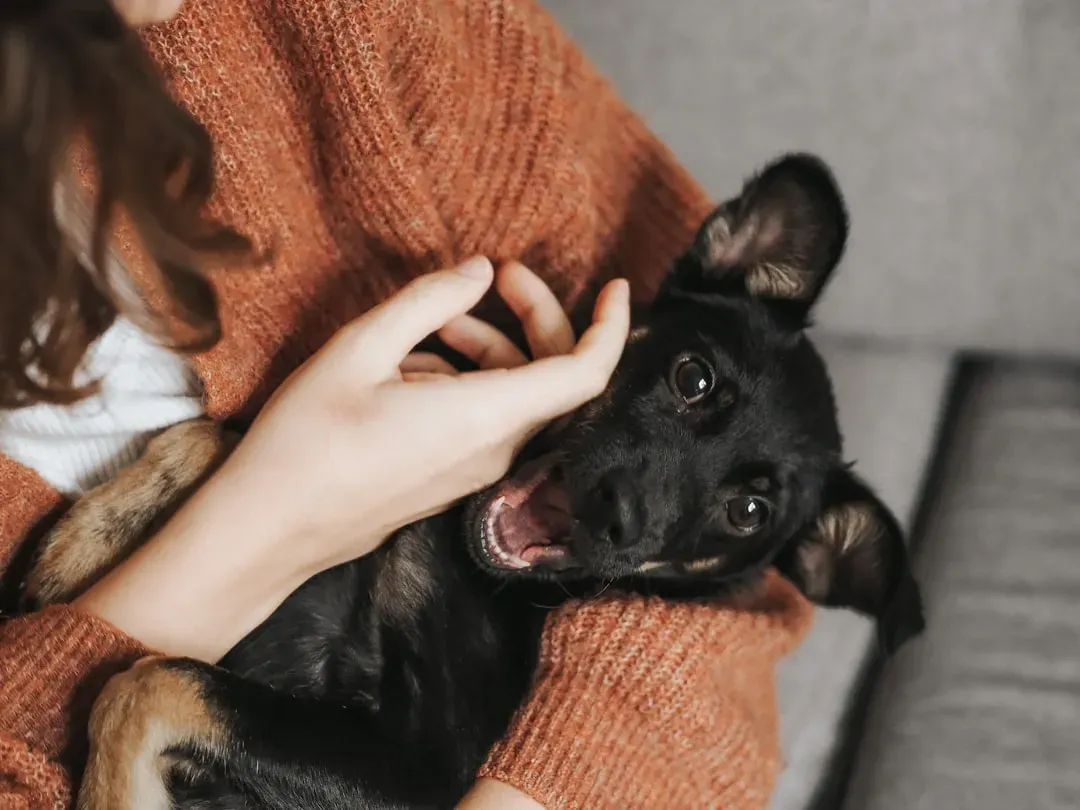
My honest opinion? Dogs are not mystical mood-reading oracles, but they are incredibly sensitive, observant, and tuned in to us in ways we often underestimate. When animal behaviorists say a dog may place their head in your lap after registering a drop in your mood before any obvious sign appears, they’re talking about a mix of subtle cues, scent changes, and learned patterns – not mind reading. To me, that makes it even more impressive, because it’s rooted in real, everyday closeness instead of magical thinking.
So the next time your dog quietly drops their head in your lap, you don’t need to decide whether it’s science, instinct, or habit. You can just let it be what it is: a living, breathing reminder that someone in your world is watching you closely enough to notice when you’re not okay and cares enough to lean in. In a life full of noisy advice and shallow check-ins, that simple, wordless gesture might be one of the most honest forms of support you’ll ever get – what do you make of that kind of loyalty sitting right at your feet?