

Picture this: you toss a brand‑new toy on the floor, casually drop its name in conversation once, and your dog, with that tilted-head look of intense focus, seems to just get it. For a long time, scientists thought that kind of rapid word learning was something only very young children could do. Now, research in animal cognition is forcing us to rethink that assumption, and dogs are right at the center of that shake‑up.
In recent years, studies on canine intelligence have shown that at least some dogs can link a new word to a new object after hearing it only one or a few times, using a process called fast mapping. It is not magic and it does not mean your dog secretly understands full sentences like a preschooler, but it does mean their minds are doing something far more sophisticated than many people once believed. The bigger question is not just whether dogs can fast map, but what that ability reveals about how they think, feel, and live with us.
What Fast Mapping Actually Is (And Why It Shocked Scientists)
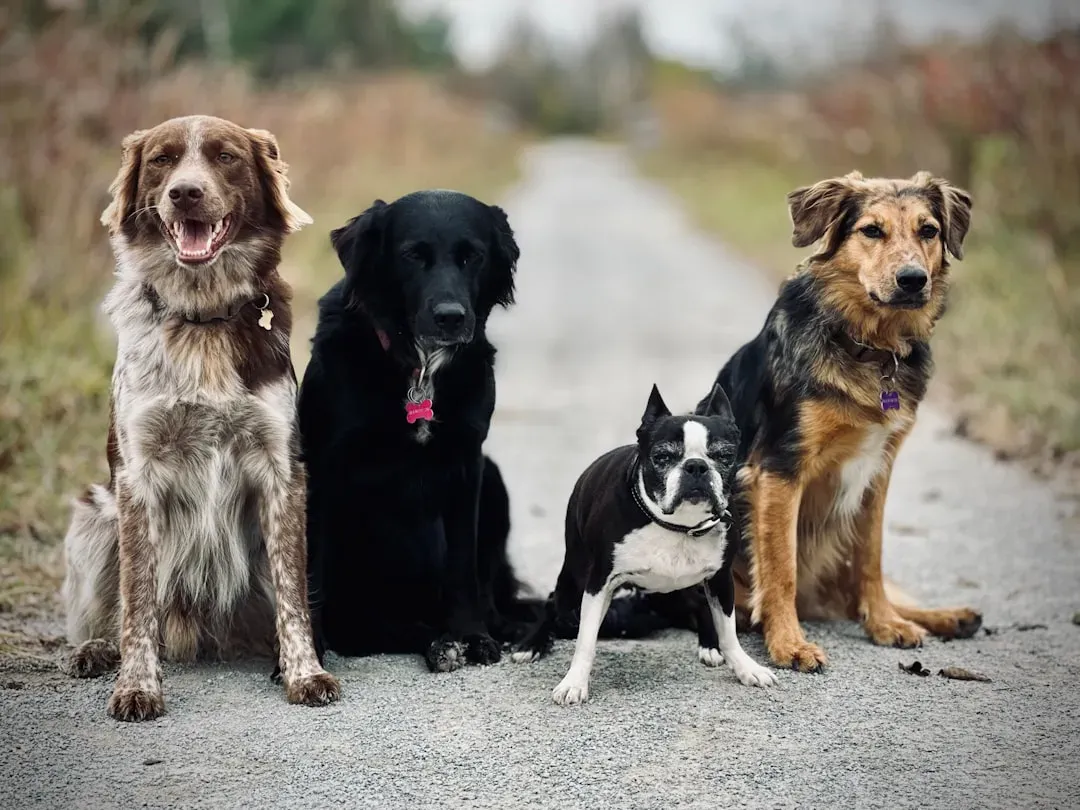
Fast mapping is a term that originally came from developmental psychology, describing how toddlers can pick up the meaning of a brand‑new word after just a single, brief exposure. For example, when a child is shown a familiar ball and a strange new toy and hears a parent say the name of the unfamiliar object once, they can often remember that name later and use it correctly. That ability to learn quickly from sparse information was long believed to be a hallmark of early human language learning.
When researchers first saw signs of the same process in dogs, it genuinely rattled the old hierarchy that placed human language abilities in a separate box from animal cognition. If a dog can pick out a new toy after hearing a new word only once, using exclusion and memory, then at least some of the mental machinery behind word learning is not exclusively human. That does not put dogs on the same linguistic level as children, but it does mean the line between “human‑unique” and “animal” cognition is more blurred, more nuanced, and far more interesting than most textbooks used to suggest.
How Dogs Pull Off Single‑Exposure Learning in the Lab
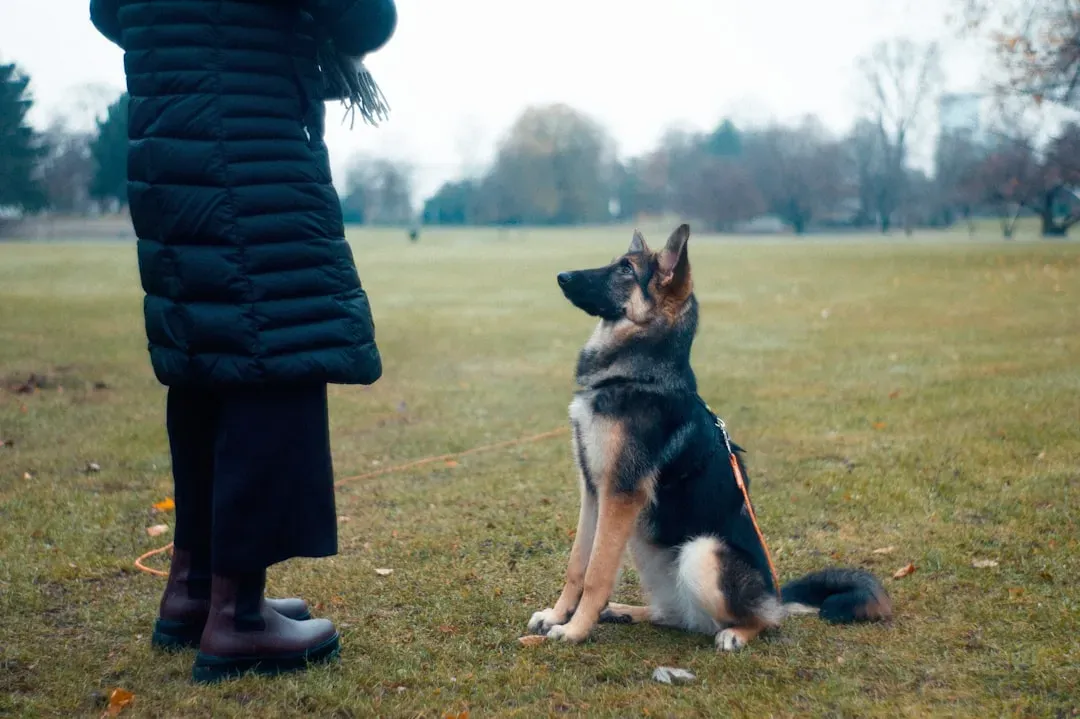
In carefully controlled experiments, dogs are typically trained first to recognize a set of toys by name: ball, rope, duck, and so on. Once they can reliably fetch each one on command, researchers introduce a completely new object the dog has never seen before, alongside those familiar toys. Then comes a new word, spoken once or a small handful of times, referring to the unfamiliar item. If the dog consistently goes for the new object when hearing the new word, it suggests they are mapping the sound to the object using logic and memory instead of mere guesswork.
One striking detail is that many dogs in these studies seem to rely on a kind of “process of elimination.” They hear a word they have never encountered, see both known and unknown objects, and infer that the strange sound must belong to the unfamiliar thing. That may sound simple, but it demands several abilities at once: remembering previously learned names, recognizing that this particular word does not match any of them, and then forming a new association in the moment. Scientists call that combination of inference and quick mapping fast mapping for a reason – it is not just fast, it is remarkably efficient.
Genius Dogs or Just Really Motivated Learners?

Here’s where we need to be honest: most of the dramatic fast‑mapping demonstrations you read about involve exceptionally talented individual dogs, not every golden retriever at the local park. These are animals that have often been trained intensively over long periods and already know dozens, sometimes even well over a hundred object names. They are outliers, a bit like the kid in school who casually breezes through advanced math while everybody else is still wrestling with times tables.
That said, calling them “genius dogs” can be a bit misleading. Their abilities are not necessarily proof of some mysterious, rare superpower; they may instead show what can happen when the average canine brain is pushed to its limits with patience, clear communication, and strong motivation. As someone who has spent a lot of time watching ordinary pet dogs and then reading about these standout performers, I suspect the gap is less about some mythical “giftedness” and more about how seriously humans have decided to teach and observe them. In other words, many dogs might be capable of more than we ever bother to ask of them.
Are Dogs Really Learning Words Like Human Children?
This is the controversial part: some people hear about fast mapping in dogs and jump straight to the conclusion that dogs learn language almost exactly like toddlers. That is tempting, especially when you see videos of a dog reliably retrieving a new toy by name after a single session. But the deeper you look, the more the differences matter. Human children do not just learn labels; they rapidly build rich, flexible concepts, connect them to grammar, and use them to talk about the past, the future, and things that are not even present.
Dogs, at least based on the evidence so far, seem to learn more narrowly. They treat words mostly as signals tied to specific actions or objects: this sound means fetch this thing, come here, lie down, or food is coming. That is still impressive, but it is not the same as understanding that a “ball” is part of the larger category of “toys,” that toys can be shared, that sharing can be fair or unfair, and that fair play can be discussed in entirely new sentences. In my view, we should admire dogs on their own terms instead of trying to squeeze them into a human developmental template that does not quite fit.
Why Dogs Might Have Evolved to Be Such Good Word Learners
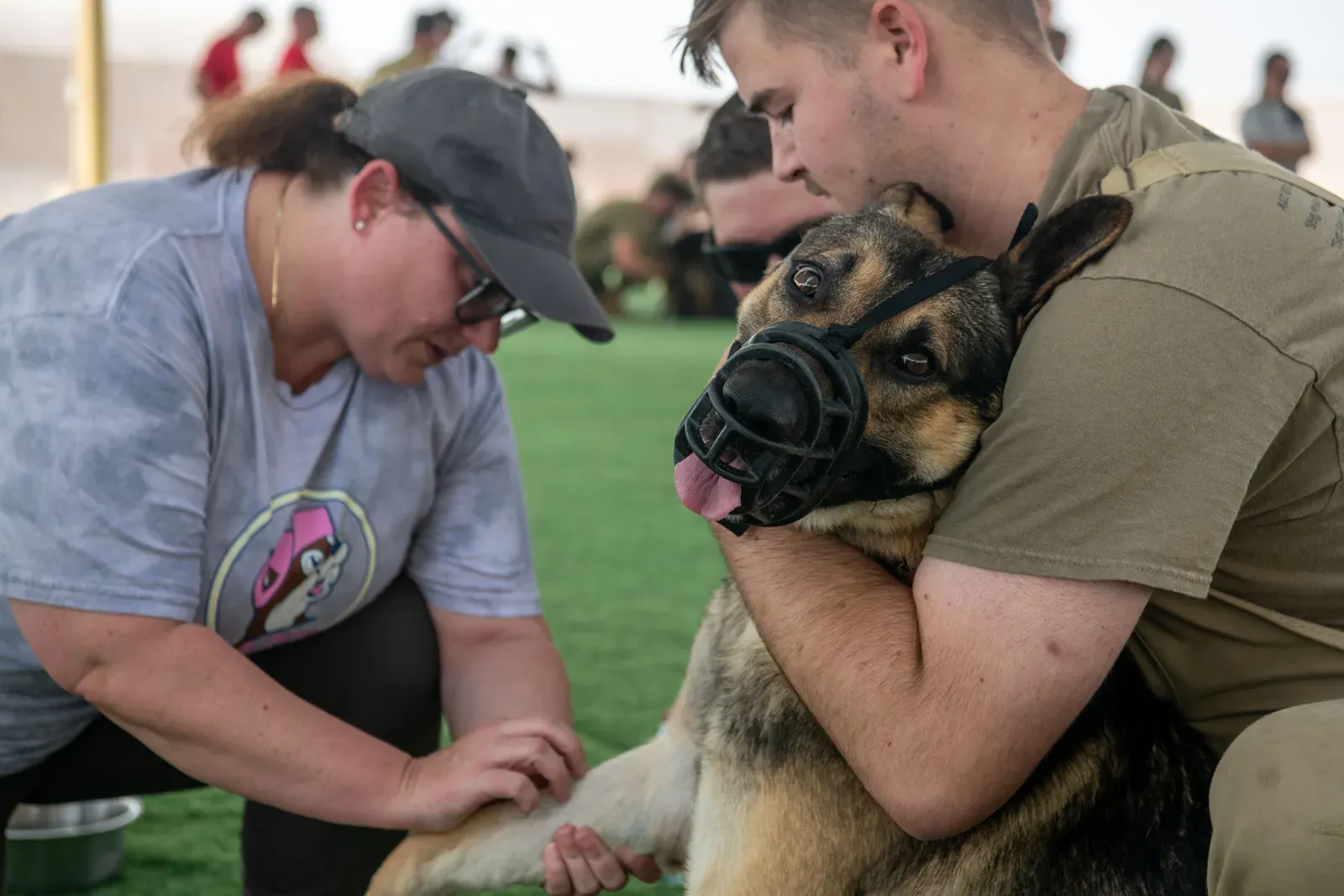
Dogs are not just wolves with a collar; they are the product of thousands of years of living alongside humans. Over that time, the dogs that paid closer attention to human gestures, voices, and routines probably had a survival advantage. Being able to read our social cues, anticipate our actions, and respond to our signals would have meant better access to food, protection, and social contact. Word learning, including fast mapping of object names, may simply be one piece of that broader package of human‑oriented skills.
It is telling that dogs, compared with many other domesticated animals, are unusually good at reading pointing, gaze direction, and subtle changes in tone. Their ears and eyes are almost tuned to us in the way a radio is tuned to a favorite station. From that perspective, fast mapping is less a magical trick and more a predictable outcome of being deeply embedded in human social life. They have, quite literally, evolved to care what we say and to treat our sounds as meaningful clues about what matters next.
What This Means for Training and Everyday Communication
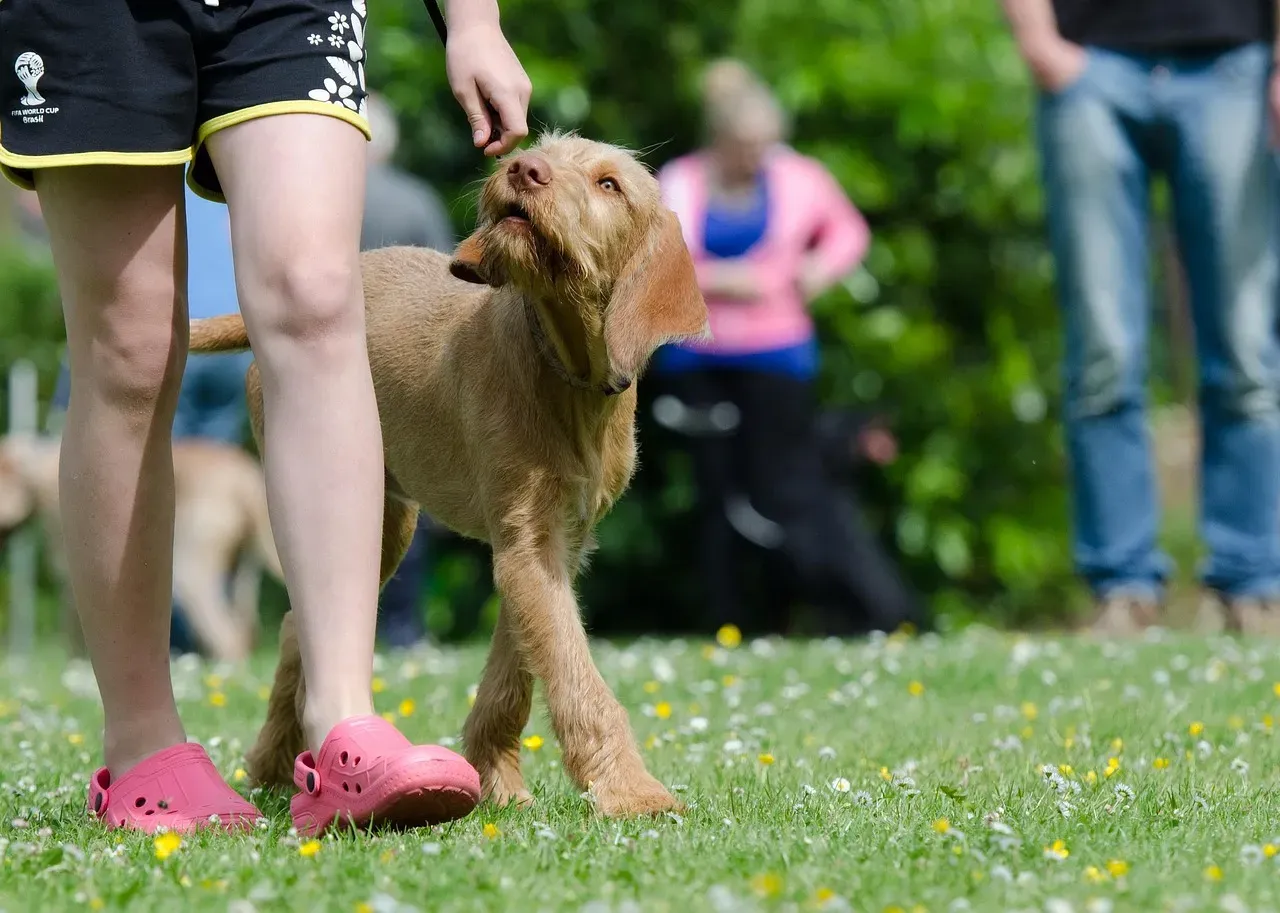
The practical takeaway is surprisingly empowering: your dog is probably capable of learning more words than you think, and not just for commands like sit or stay. Consistently labeling toys, locations, routines, and even people can help your dog build a richer mental map of their world. Repetition, clear pronunciation, and pairing the word with a concrete experience – like handing over the toy or moving toward the place – make a difference, just as they do for children.
Of course, not every dog will fast map a brand‑new object name after a single exposure, and that is completely fine. What the research suggests is that dogs can make smart inferences and use context to fill in blanks, especially when they already have a strong vocabulary base. If you treat them as active learners rather than furry robots following rote commands, you might notice them picking up patterns you never explicitly trained, like understanding that “We’re going to the park” reliably predicts that it is leash and excitement time.
The Emotional Side: Do Names and Words Matter to Dogs’ Feelings?
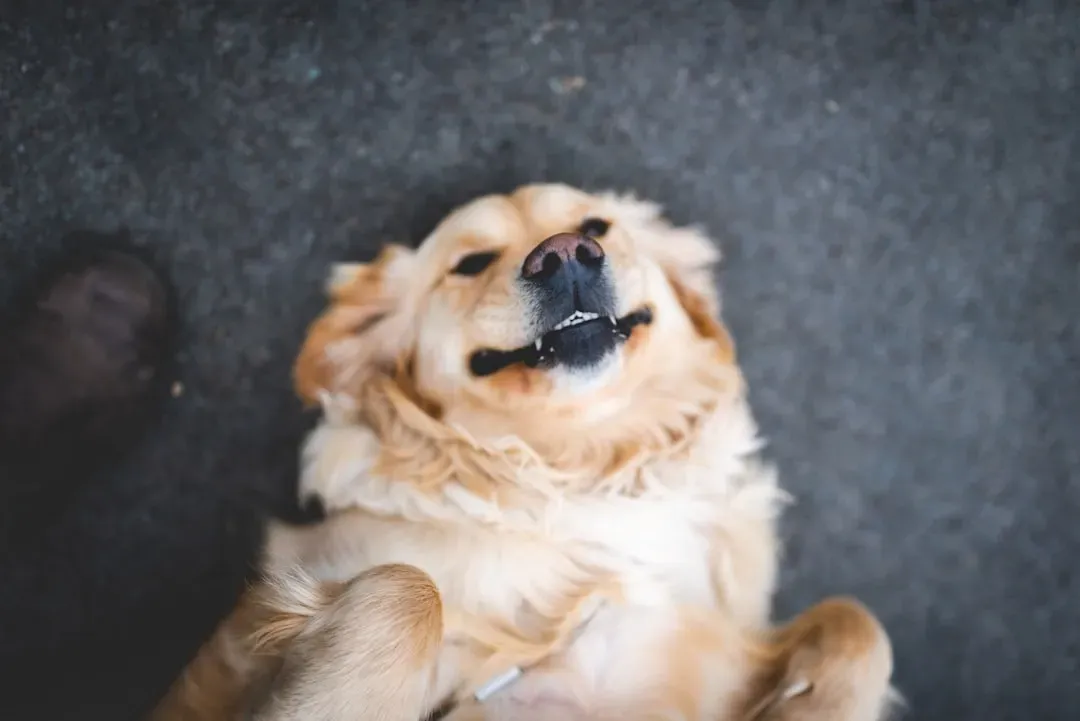
Beneath all the technical talk about cognition and fast mapping is a more intimate question: does it actually matter, emotionally, that your dog knows the name of their favorite toy or the word that means you are coming home? The answer, in my opinion, is yes. Words, for dogs, are woven into a network of feelings, expectations, and social bonds. Hearing a familiar word can trigger tail wags, hopeful glances, or that relaxed, contented sigh they give when routines fall into place.
When we label things consistently – “bed,” “walk,” “grandma,” “ball” – we are giving dogs a kind of emotional roadmap. They learn not only what tends to happen next, but also who and what is important. It is not language in the human philosophical sense, but it is meaning in a very real, lived sense. When my own dog recognizes the word for a family member and runs to the door before the knock, it feels less like a party trick and more like proof that these shared signals have become part of our relationship’s emotional grammar.
The Bigger Picture: Are We Underrating Animal Minds?
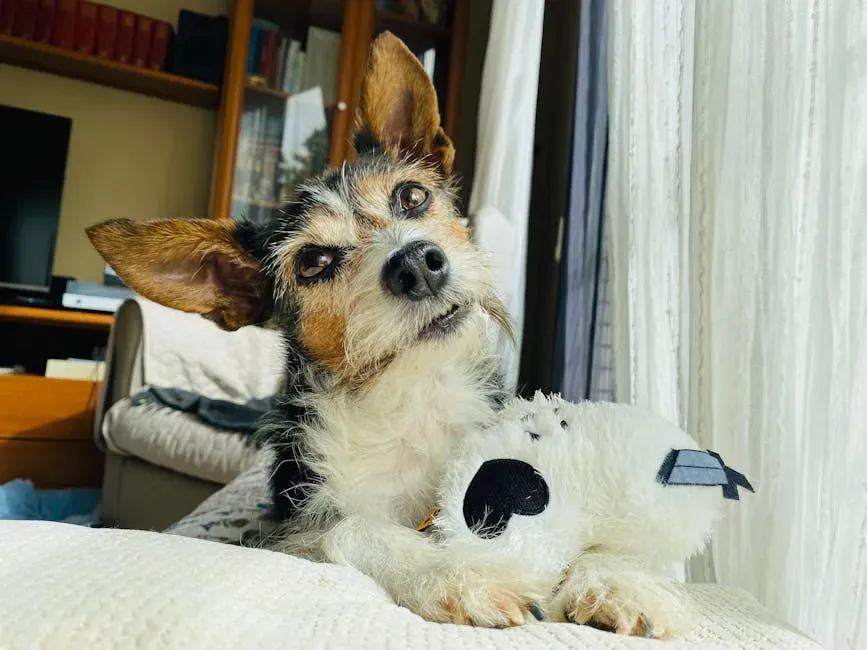
Fast mapping in dogs is a small window into a much bigger landscape: the growing realization that many animals are more cognitively flexible than we gave them credit for. For decades, scientific culture leaned heavily toward assuming human uniqueness unless proven otherwise. Now, with more careful, creative experiments, we are finding islands of overlap – whether it is problem‑solving in crows, memory in scrub jays, or word learning in dogs. Each new finding chips away at the old, comfortable idea that there is a clean, simple line between “our” minds and “theirs.”
Personally, I think the most respectful stance is not to declare dogs almost human, but to accept that they are fully dog – creatures with their own way of thinking, rich in some domains and limited in others. Fast mapping shows that they can handle a surprisingly sophisticated kind of learning that we once thought belonged only to young children. It should make us cautious about patronizing them and, more broadly, about underestimating the mental lives of other species just because they do not speak in our language or share our cultural tools.
Opinionated Conclusion: Why Your Dog’s Fast Mapping Should Change How You See Them
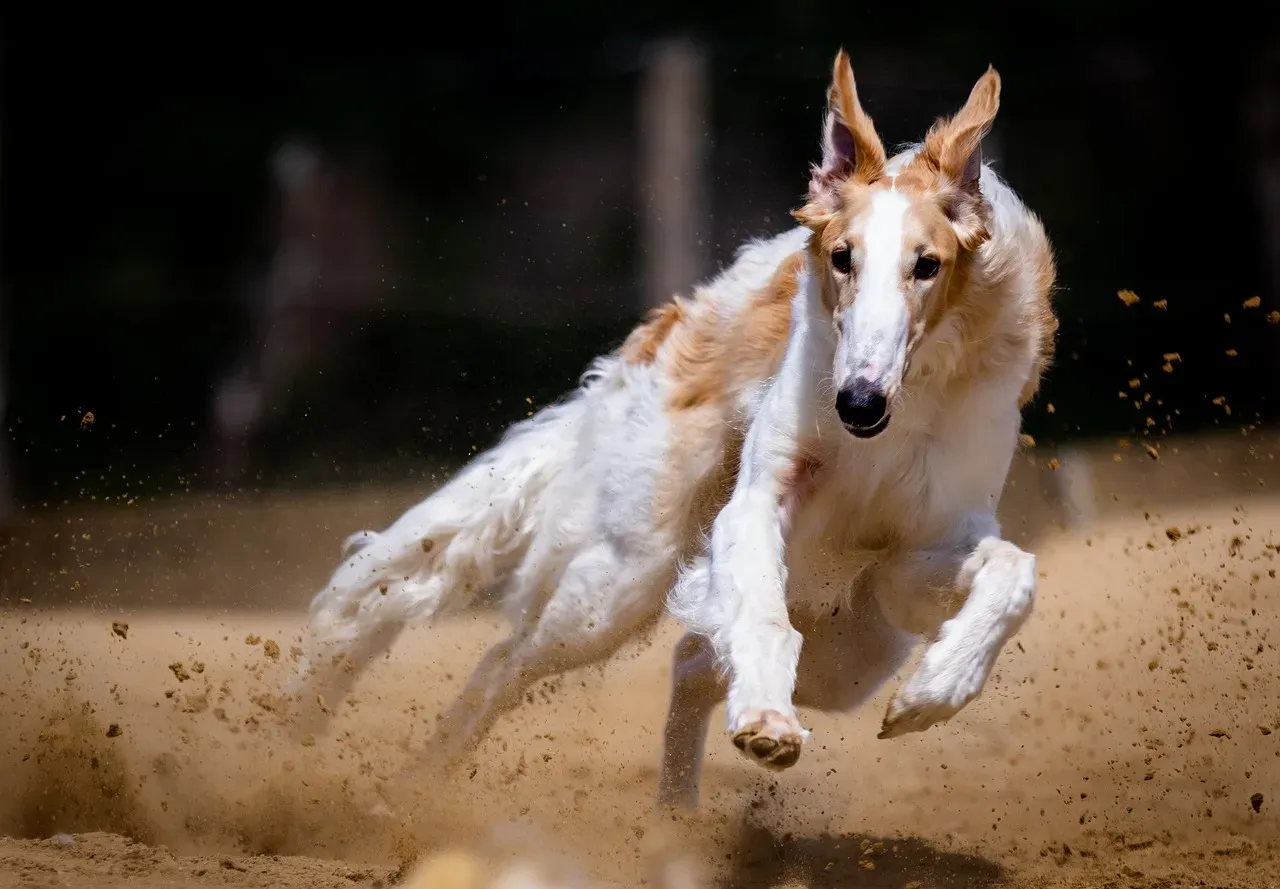
If dogs can sometimes learn a new object’s name after just one or a few exposures, then the old view of them as simple command‑followers is not just outdated – it is lazy. Fast mapping does not mean your dog is secretly a child in a fur suit, but it does mean their brain is running more complex calculations than “hear word, get treat.” They infer, they exclude, they remember, and they do it all in a noisy, human‑made world that was never really designed for them in the first place.
My own bias is clear: I think we should treat fast mapping and similar findings as a wake‑up call to raise our expectations of what animals can do, while still respecting their differences rather than forcing human labels on them. The dog lying on your couch is not a passive pet but an active learner, constantly decoding your sounds, habits, and moods. The least we can do is meet that effort halfway – by speaking to them with more intention, training with more curiosity, and granting their minds the dignity of being taken seriously. The next time your dog seems to “get” a new word almost instantly, will you still chalk it up to coincidence, or will you see it as a glimpse into a mind you are only just beginning to understand?


