

Many dog owners have felt that quiet sting of surprise when their furry companion suddenly opts for the hallway rug or the living room couch instead of curling up nearby at night. It can spark questions about whether something has shifted in the relationship, yet animal behavior research points to a much wider set of explanations that have little to do with emotional distance.
Understanding these patterns starts with recognizing that dogs make practical choices about rest just like people do. A sudden change in sleeping habits often reflects adjustments in daily life rather than any deliberate pull away from their human.
The Myth of Rejection in Dog Behavior
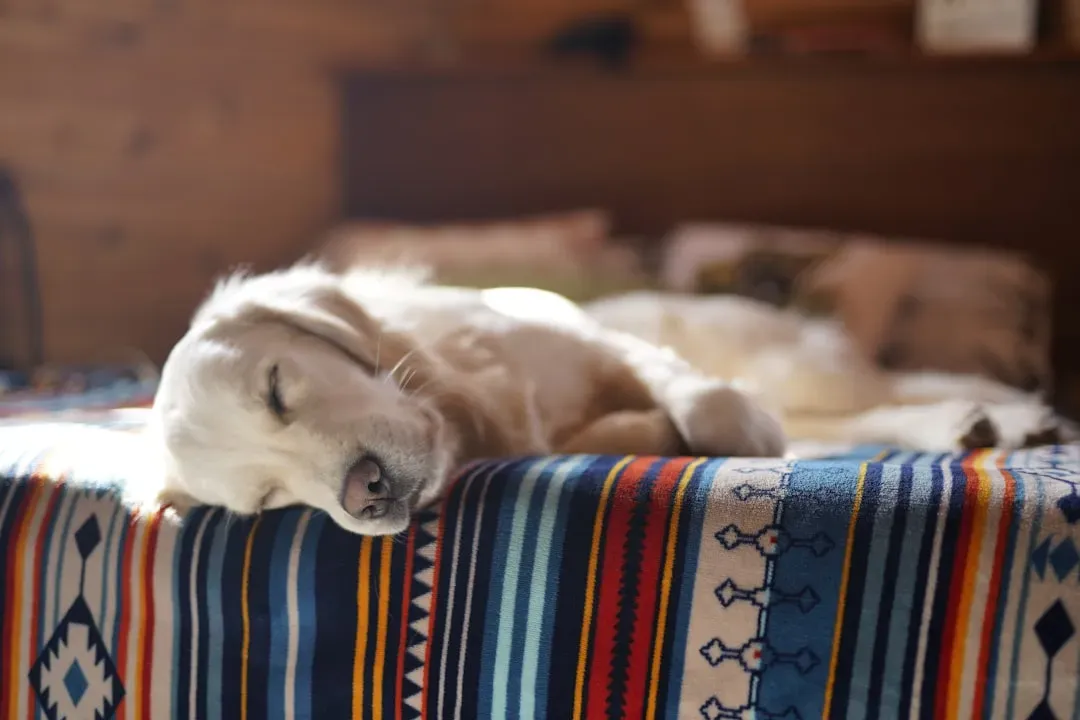
Dogs form attachments through consistent routines and shared experiences rather than constant physical closeness during sleep. Studies on canine social dynamics show that independent sleeping can simply signal a dog feeling secure enough in its environment to choose its own spot. This independence often grows as a dog matures and learns the household rhythms.
Rejection implies intent that rarely matches what actually happens in these moments. Most dogs continue to seek affection during waking hours even when they sleep apart, which suggests the nighttime choice is more about comfort than connection. Owners who watch for daytime greetings and play invitations usually see the bond remains steady.
Temperature Preferences and Sleeping Choices

Dogs regulate body heat differently than humans, and a warm bed can quickly become uncomfortable on certain nights. Many will move to cooler floors or shaded areas when indoor temperatures rise even slightly. This practical response helps them maintain an ideal resting temperature without any emotional undertone.
Seasonal shifts often trigger these moves, especially in homes without precise climate control. A dog that once enjoyed the bed might seek tile or hardwood when summer humidity climbs. Providing a designated cool mat nearby can satisfy the need while keeping the dog close enough for easy morning interactions.
Comfort and Personal Space Needs
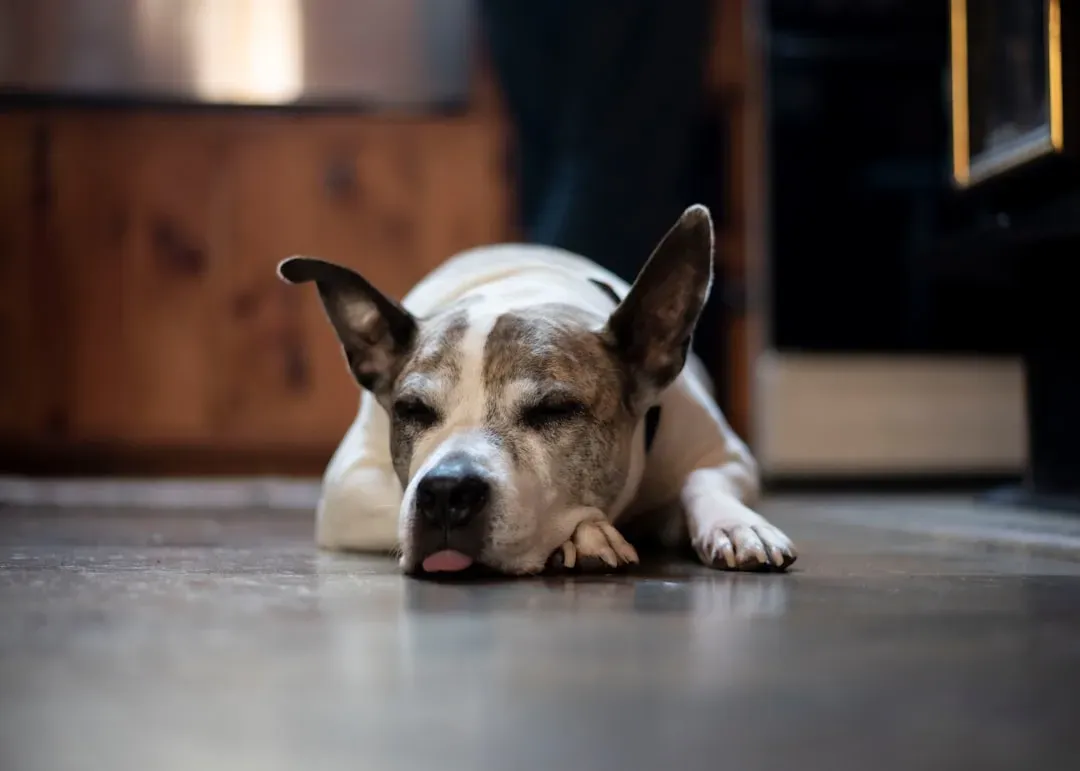
Some dogs simply prefer firmer surfaces or more room to stretch out fully during deep sleep cycles. Mattresses that feel supportive to people can limit a dog’s natural positions, leading them to seek open floor space instead. This preference shows up more in larger breeds or those with joint sensitivities.
Personal space also plays a quiet role once a dog feels fully at home. Puppies often crave constant contact, yet adults frequently value a bit of separation at rest. Respecting that boundary tends to reduce nighttime restlessness and supports better overall sleep quality for everyone in the house.
Age and Life Stage Influences

Younger dogs explore different sleeping arrangements as they test independence, while senior dogs may shift spots due to changing mobility or sensitivity to pressure points. These transitions happen gradually and reflect normal development rather than any sudden change in feelings toward their family.
Life events such as a new routine or household addition can prompt temporary adjustments too. A dog might test alternative spots during periods of higher activity or noise. Once the environment stabilizes, many return to familiar patterns without any lasting shift in attachment.
Potential Health Signals to Monitor

While most independent sleeping stems from everyday preferences, a sudden and persistent change deserves a closer look at physical comfort. Issues like arthritis, digestive upset, or skin irritation can make certain surfaces less appealing overnight. Tracking other signs such as appetite or energy levels helps separate normal variation from something that needs attention.
Veterinary guidance becomes useful when the move coincides with visible discomfort or altered behavior during the day. Early checks often reveal simple solutions like joint support or dietary tweaks. Most cases still trace back to comfort rather than any relational issue.
Strengthening Your Connection in Other Ways
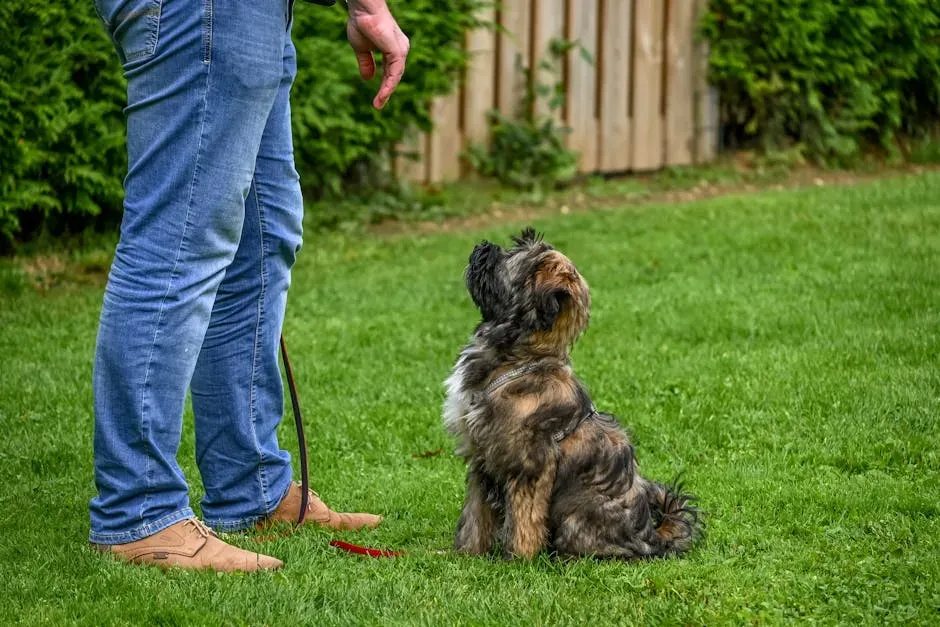
Shared activities during the day build far more lasting trust than insisting on nighttime proximity. Short training sessions, walks, or quiet grooming time reinforce the bond without forcing sleep arrangements. Dogs respond strongly to these consistent positive interactions.
Creating inviting options near the bed, such as a well-padded crate or low platform, gives a dog choices while keeping it within reach. Many owners find that offering these alternatives reduces any sense of distance and keeps mornings relaxed. The focus stays on mutual comfort rather than control.
Embracing Your Dog’s Unique Preferences

Every dog carries its own blend of instincts, past experiences, and physical needs that shape how it rests. Accepting these individual patterns often leads to smoother household rhythms and fewer misunderstandings. What looks like distance from one angle frequently turns out to be simple practicality from the dog’s perspective.
Owners who adapt to these preferences usually report stronger daily connections and less worry about nighttime choices. The relationship thrives on flexibility and observation rather than rigid expectations about where sleep should happen. In the end, a dog that feels understood tends to offer affection more freely across all hours of the day.


