
Beyond the Tail Wag: Your Dog’s Entire Body Is Telling You a Story
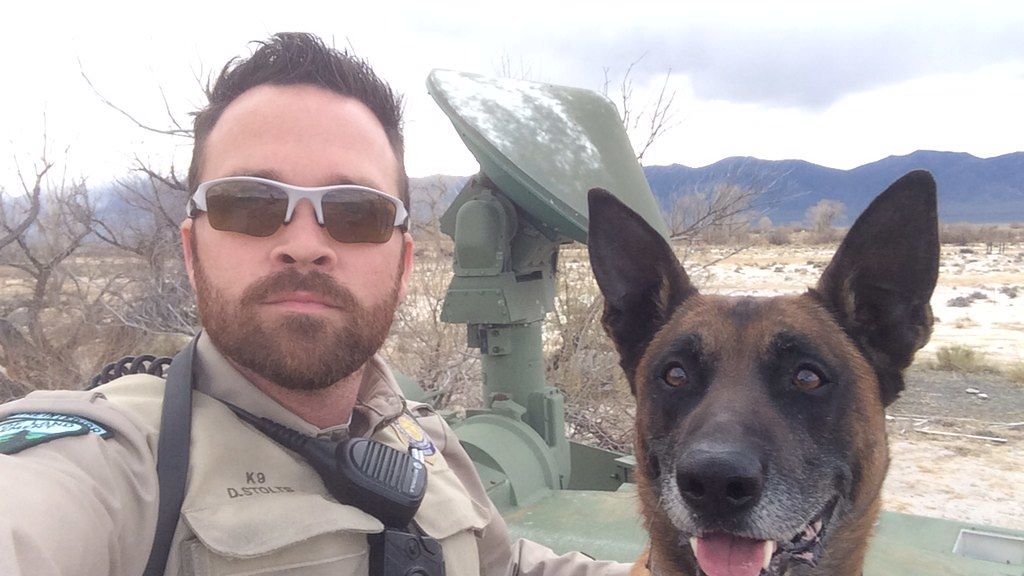
You’ve seen it a million times. That tail going a mile a minute, the excited prance, maybe even a full-body wiggle that starts at the nose and ends somewhere near the tip of that wagging tail. We call it happiness, right? Most of the time, yeah. Here’s the thing though. That wagging tail is just one tiny piece of a much bigger, more intricate conversation your dog is having with you every single moment of every single day.
Dogs don’t have the luxury of words. They can’t exactly tap you on the shoulder and say hey, I’m feeling a bit overwhelmed right now, could you give me some space? Instead, they rely on an entire symphony of physical signals, subtle shifts in posture, the position of their ears, the tension in their mouth, even the way they distribute their weight. All of it matters. All of it is communication. Learning to read this language doesn’t just make you a better dog owner, it transforms your relationship into something deeper, something built on genuine understanding and trust.
The Eyes Have It: Windows to Your Dog’s Soul

Look into your dog’s eyes and you’ll find more than just devotion staring back at you. When a dog is feeling tense, their eyes may appear rounder than normal, showing a lot of white around the outside, sometimes known as whale eye, and dilated pupils can also be a sign of fear or arousal. That glassy, hard stare isn’t your pup trying to win a staring contest. It’s stress, pure and simple.
On the flip side, squinty or blinking eyes paired with a relaxed face generally signal contentment. Think about when your dog is getting those perfect belly rubs or settling in next to you on the couch. Their eyes soften, maybe even close halfway. That’s trust. Hypervigilant scanning, increased blinking, squinting and furrowed brows could indicate stress, so context really does matter here.
Honestly, once you start paying attention to your dog’s eyes, you’ll be amazed at how much they reveal. It’s like suddenly being able to understand a language you’ve heard your whole life but never quite grasped. Next time your dog seems off, check the eyes first.
Ear Positions: The Radar Dishes of Emotion
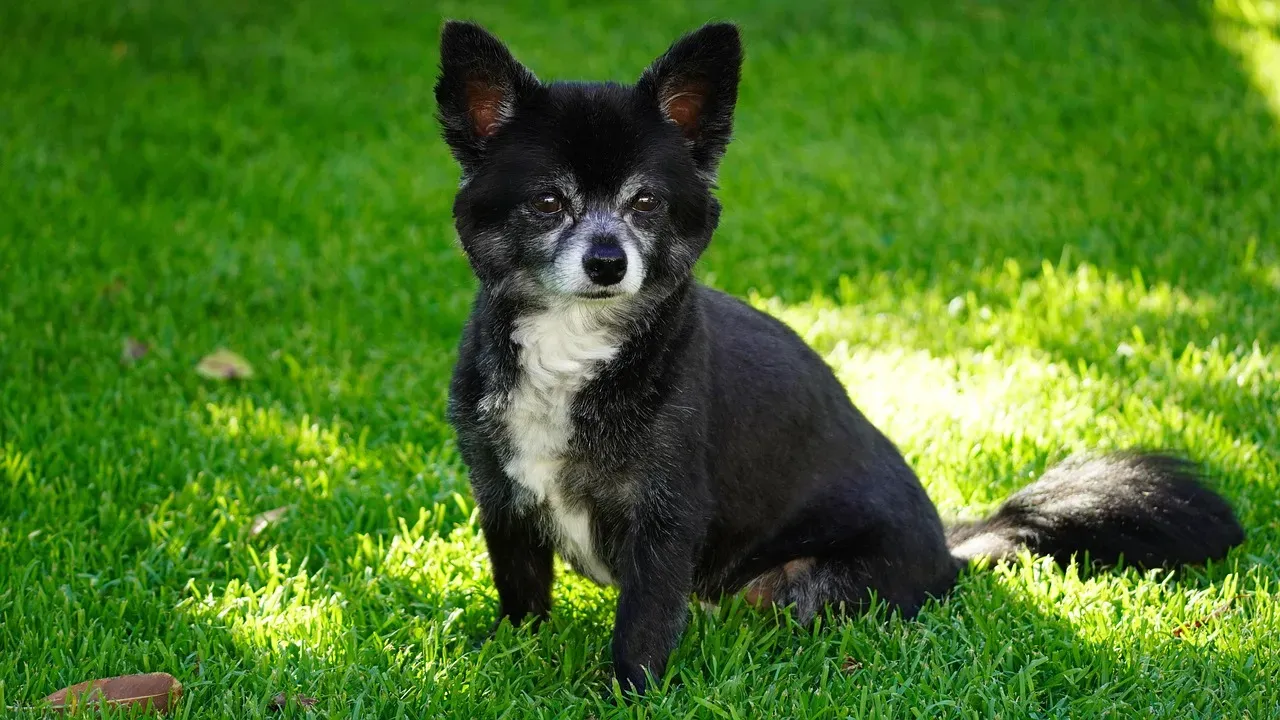
Dogs use their ear position as a way to communicate with other animals as well as humans, with many ear positions relating feelings of fear, aggression, submission, relaxation, and everything in between. When those ears perk up and point forward, your dog is alert and focused. They’ve locked onto something, whether it’s the sound of a treat bag crinkling or a squirrel in the yard.
Ears can vary from simply back to communicate an appeasement intention, to flattened or pressed back in frightened individuals, and in extremely fearful individuals, ears can be pressed back so far on the head that they completely disappear. Picture your dog at the vet’s office, ears plastered to their skull. That’s not just discomfort, that’s genuine fear talking.
What about those sideways airplane ears? Ears kept forward are associated with interest, attention, and approach-oriented intentions, while sideward position indicates a conflicting inner state. Your dog is uncertain, processing, trying to figure out what’s happening around them. Give them a moment to work it out.
The Mouth Tells More Than Hunger
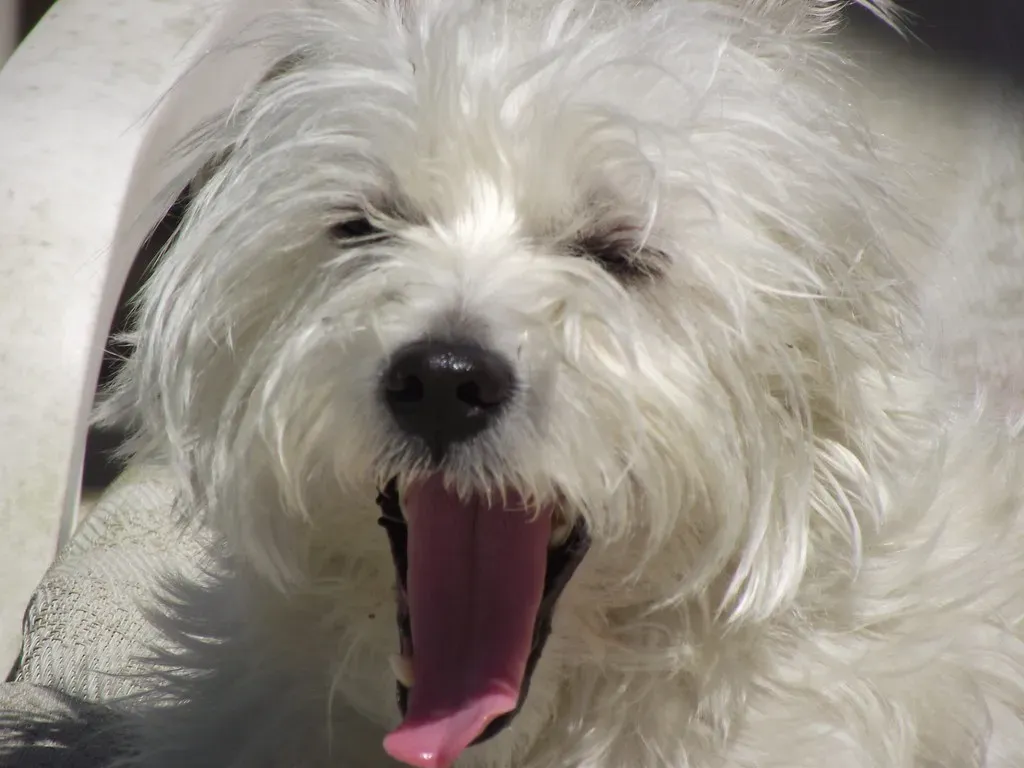
Yawning and nose-licking are considered to be ambivalent behaviors, meaning that the dog is cautious, concerned, stressed, anxious, or has the potential to respond with aggression if the situation escalates or persists. Yes, you read that right. That yawn might not mean your dog is sleepy at all. A wide-awake dog who yawns may be experiencing stress, a common signal that they’re feeling nervous or worried.
The top three calming signals owners should be on the lookout for are lip licking, yawning, and shaking off. When your dog flicks their tongue out quickly, especially when there’s no food around, they’re trying to calm themselves down or communicate unease. Maybe a stranger is approaching too quickly, or maybe the environment is just too loud and chaotic.
I think we often miss these subtle cues because we’re looking for the big, obvious signs. A dog with a mouth slightly open, tongue relaxed, possibly lolling to one side shows relaxation and trust. That’s the look you want to see during playtime or cuddle sessions.
Posture: The Body Never Lies
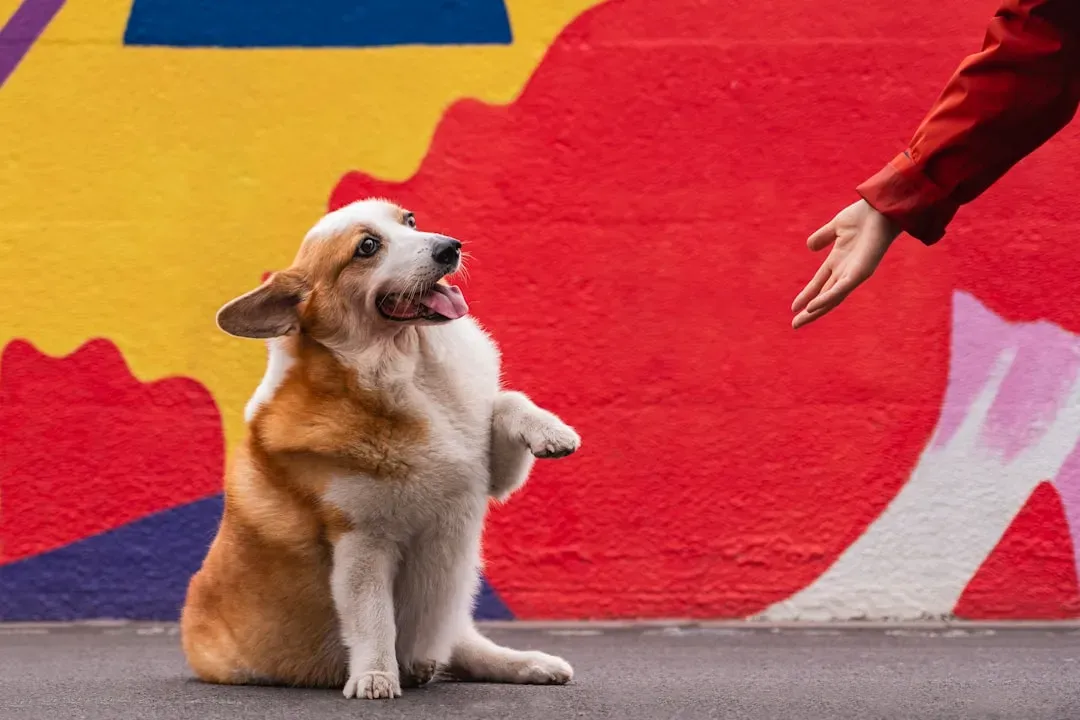
A dog with a lowered body may be showing submission or fear, making the dog appear smaller and less threatening. Watch how your dog carries themselves in different situations. A confident, relaxed dog stands square on all four feet, weight evenly distributed. Their body looks loose and wiggly, ready for whatever comes next.
When a dog is frightened, they will react to the fearful stimulus with their whole body, with body language showing up as a combination of several signals. Cowering, crouching, trying to make themselves small – these are all your dog’s way of saying they’re not comfortable. Puffed up posture and stiffened muscles indicate that a dog is action-ready and gives them the appearance of being bigger than they really are.
Think about how your own body language changes when you’re nervous versus confident. Dogs are exactly the same. They can’t hide how they feel because their entire body broadcasts it. Respecting those signals can prevent so many misunderstandings.
Calming Signals: Your Dog’s Peace Offerings
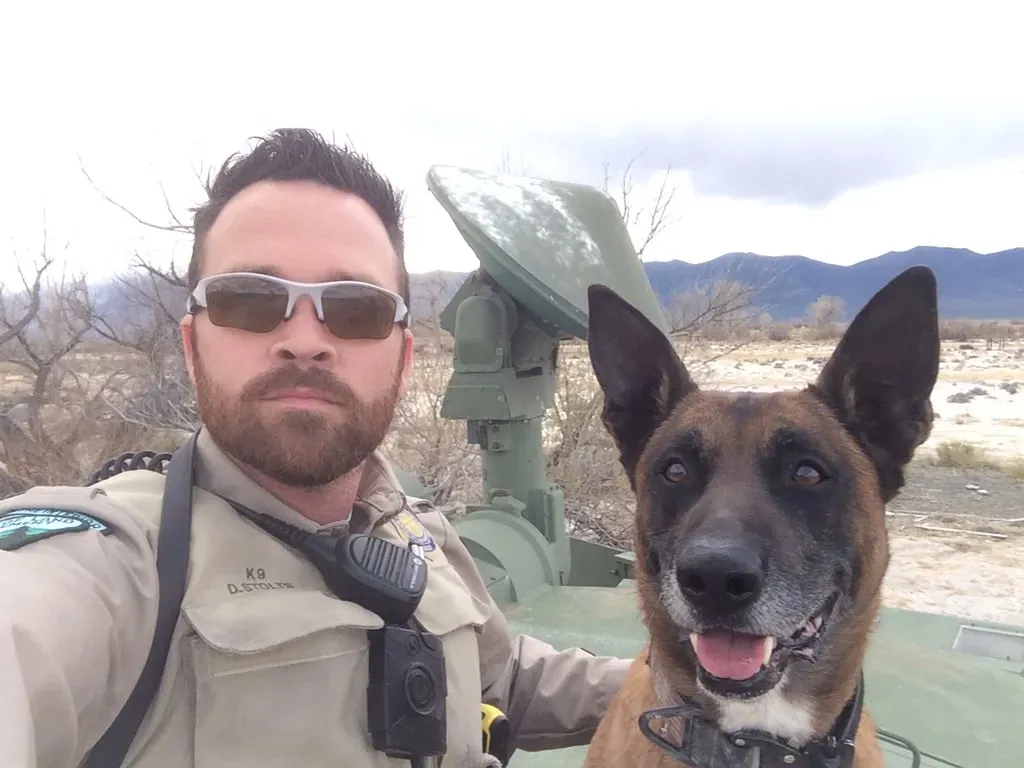
Calming signals are behaviors that dogs naturally exhibit when they are feeling stressed and are trying to diffuse a situation, with Norwegian dog trainer Turid Rugaas identifying approximately thirty behaviors as such. These include turning their head away, sniffing the ground, freezing, or even that full-body shake-off you might see after a tense moment.
Calming signals serve as a language of their own, aimed at diffusing potential conflicts, avoiding confrontation, and fostering a harmonious environment, with many signals bearing resemblance to human behaviors in similar situations. When your dog turns away from an approaching stranger or another dog, they’re not being rude. They’re saying let’s keep this peaceful, I’m not a threat.
Calming signals can be seen in stressful situations and in exciting situations, as good and bad stress affect your dog the same way. Learning to recognize these signals helps you become your dog’s advocate. If you see them lip-licking and yawning at the dog park, maybe it’s time to give them a break before things escalate.
The Tail: More Complex Than You Think
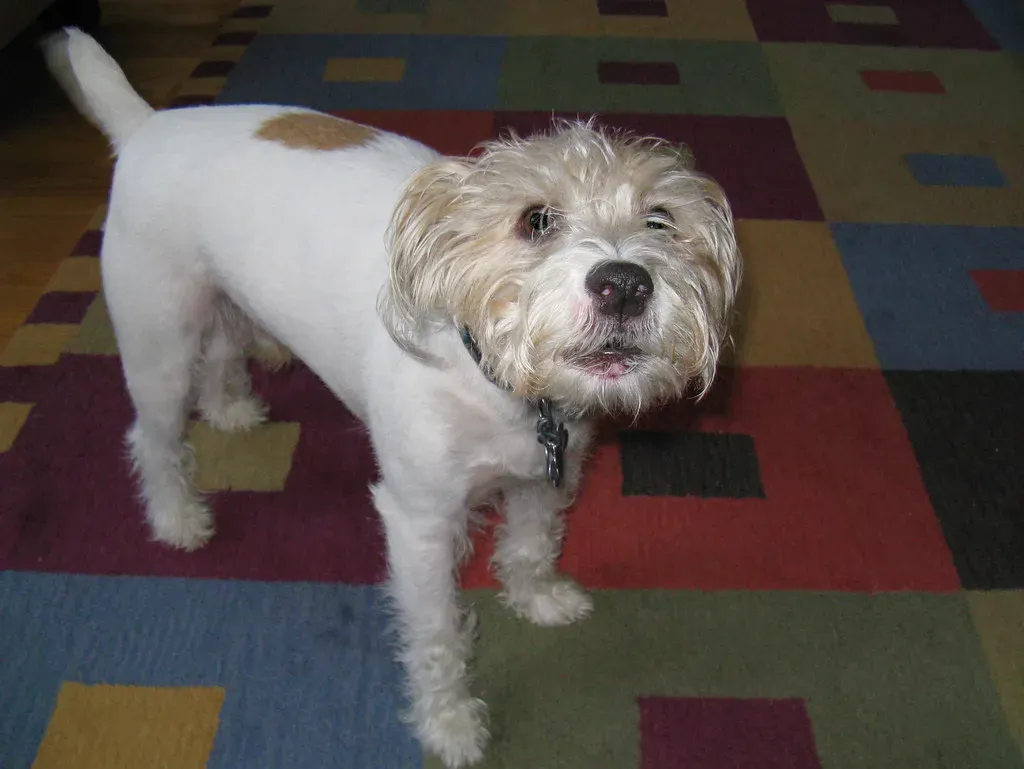
Let’s be real, we’ve all been fooled by a wagging tail at some point. A wagging tail doesn’t always mean your dog is feeling happy, as this motion is more ambiguous than people think, signaling an intent to interact which could mean the dog is ready for a happy, fun interaction or could be preparing for a stressful encounter. The speed, height, and stiffness of that wag tells the real story.
A key sign is found in circular wags, as if your dog is wagging its tail in a circle, showing you that it is very happy and joyful. That helicopter tail spin? Pure joy. A tail that’s tucked and held low, with slight or fast short wagging motions communicates uncertainty and concern, while a high, raised tail wag that’s waving rigidly in tight ticks back and forth is a dog that’s highly aroused and ready to react.
The position matters just as much as the movement. A tucked tail screams fear or submission. A tail held high and stiff can mean arousal or even potential aggression, depending on what the rest of the body is doing. Never judge the tail in isolation.
Conclusion: Becoming Fluent in Dog
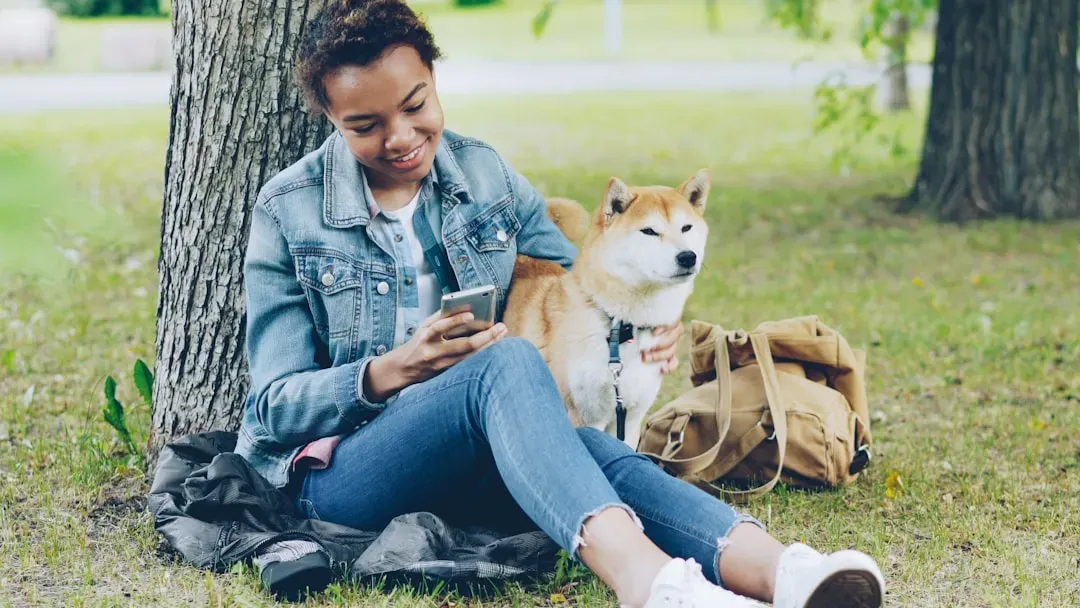
When you read a dog’s communication, look at every signal from the tail height to the eye shape, as your dog is talking to you all the time, and if you learn what your dog is saying, you will develop a deeper bond of trust and respect. This isn’t just about avoiding bites or managing problem behaviors. It’s about truly seeing your dog for who they are and what they need in every moment.
Start small. Pick one body part to focus on this week, maybe the ears or the mouth. Watch how your dog’s signals change in different environments, with different people, during different activities. You’ll be surprised how quickly the patterns emerge. Learning how to decode your dog’s signals is an important step in understanding issues surrounding their happiness, stress and health.
Your dog has been talking to you all along. The conversation has always been happening. The question is, are you ready to truly listen? What new signals will you notice in your dog today?