
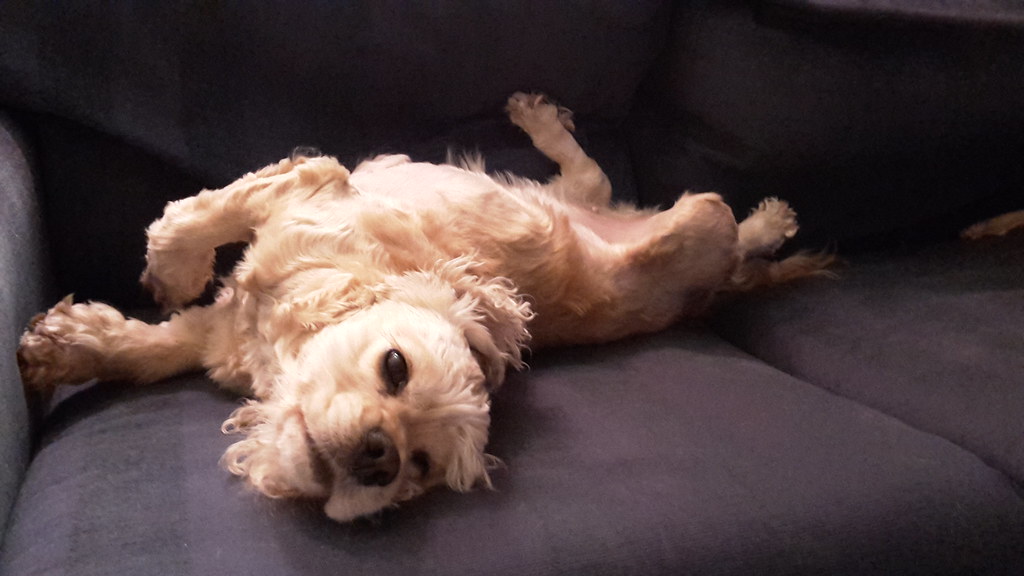
Ever noticed your dog curling up in the tightest corner of the room or snuggling under furniture, even when a plush bed is available? This behavior isn’t just quirky; it’s deeply rooted in canine psychology. Dogs often prioritize security over comfort when selecting their sleeping spots, a trait inherited from their wild ancestors.
The Evolutionary Instincts Behind Sleeping Choices

In the wild, survival hinges on vigilance. Wild canines would seek out concealed, sheltered spots to rest, minimizing exposure to predators. This instinctual behavior ensured they remained safe during vulnerable sleep periods. Even domesticated dogs retain this survival mechanism, often opting for locations that offer a sense of protection over sheer comfort.
For instance, a dog might choose to sleep under a table or in a closet, places that provide a den-like environment. This preference isn’t about the softness of the spot but the security it offers. It’s a testament to their ingrained need for safety, even in the comfort of a modern home.
Common Secure Sleeping Positions and Their Meanings

Observing your dog’s sleeping position can offer insights into their sense of security. The “donut” position, where a dog curls tightly into a ball, is a classic example. This posture protects vital organs and conserves body heat, signaling a desire for safety and warmth.
Another position is the “lion’s pose,” where a dog rests with their head on their paws, ready to spring into action if needed. This stance indicates a state of alert relaxation, balancing rest with readiness. Such positions highlight a dog’s instinctual drive to remain protected, even during sleep.
The Role of Environment in Sleeping Spot Selection

A dog’s environment significantly influences their choice of sleeping spots. Factors like noise levels, foot traffic, and the presence of other pets or people can impact their sense of security. A quiet, low-traffic area might be more appealing than a bustling living room, even if the latter offers a more comfortable bed.
Temperature also plays a role. Dogs might seek out cooler or warmer spots depending on their needs, but the overarching priority remains security. A dog might forego a cozy bed in a drafty area for a less comfortable spot that’s more enclosed and sheltered.
Understanding the Preference for Enclosed Spaces
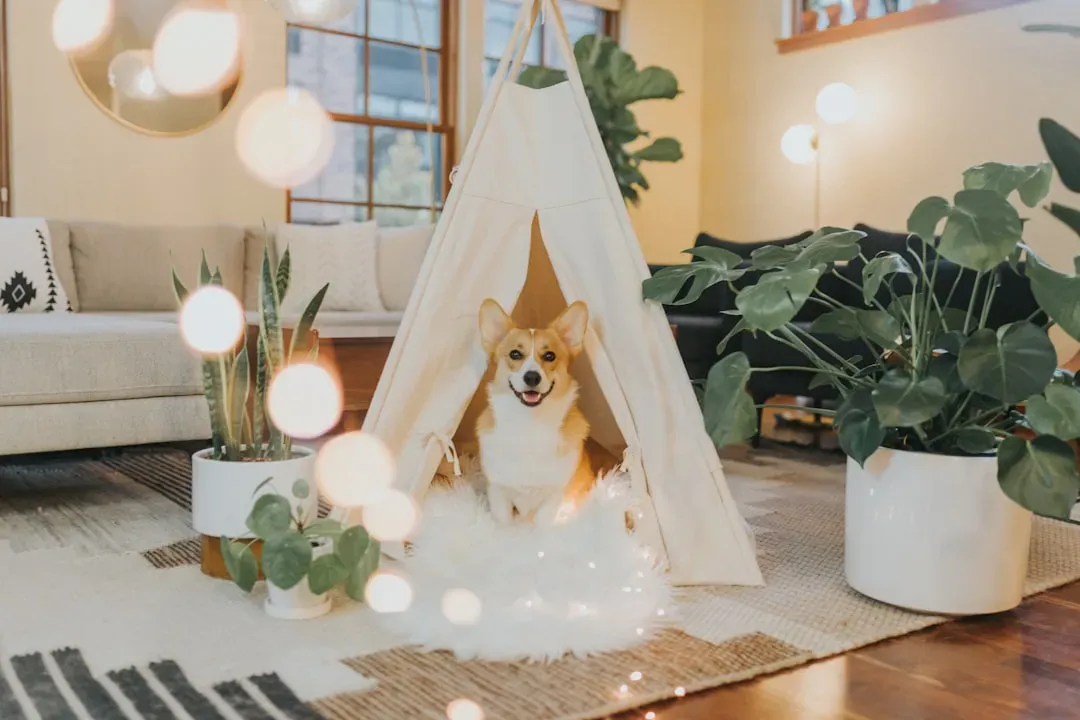
Many dogs exhibit a preference for enclosed spaces, such as crates, under beds, or behind furniture. These areas mimic the dens of their ancestors, providing a sense of enclosure and safety. This behavior isn’t a sign of fear but rather a natural inclination towards secure resting places.
Providing a designated “den” space, like a crate with an open door, can cater to this preference. It offers a retreat where the dog feels safe, aligning with their instinctual needs while integrating into the household environment.
How Trust Influences Sleeping Locations
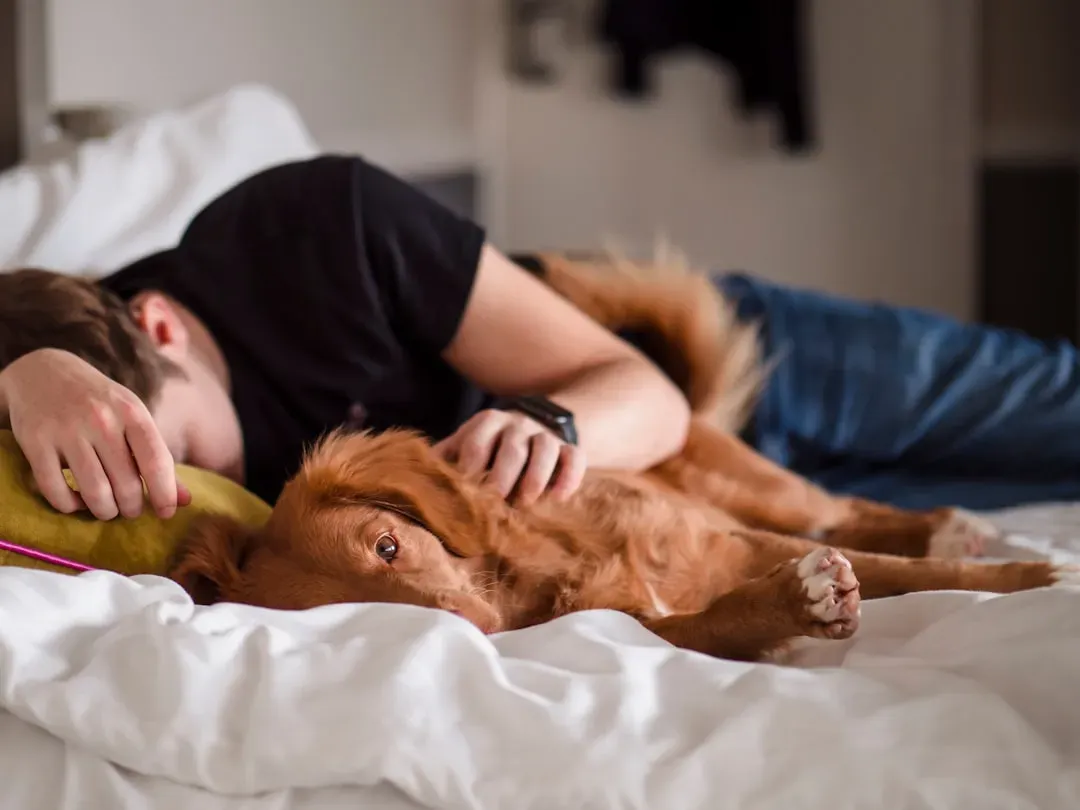
The bond between a dog and their owner can influence sleeping choices. A dog that trusts their owner deeply might choose to sleep in more open areas or even alongside their human. This behavior indicates a sense of security derived from the owner’s presence.
Conversely, a dog that prefers secluded spots might still be building trust or simply has a stronger instinctual drive for enclosed spaces. Recognizing and respecting these preferences is crucial in fostering a comfortable environment for your pet.
Balancing Comfort and Security in Your Dog’s Sleeping Arrangements
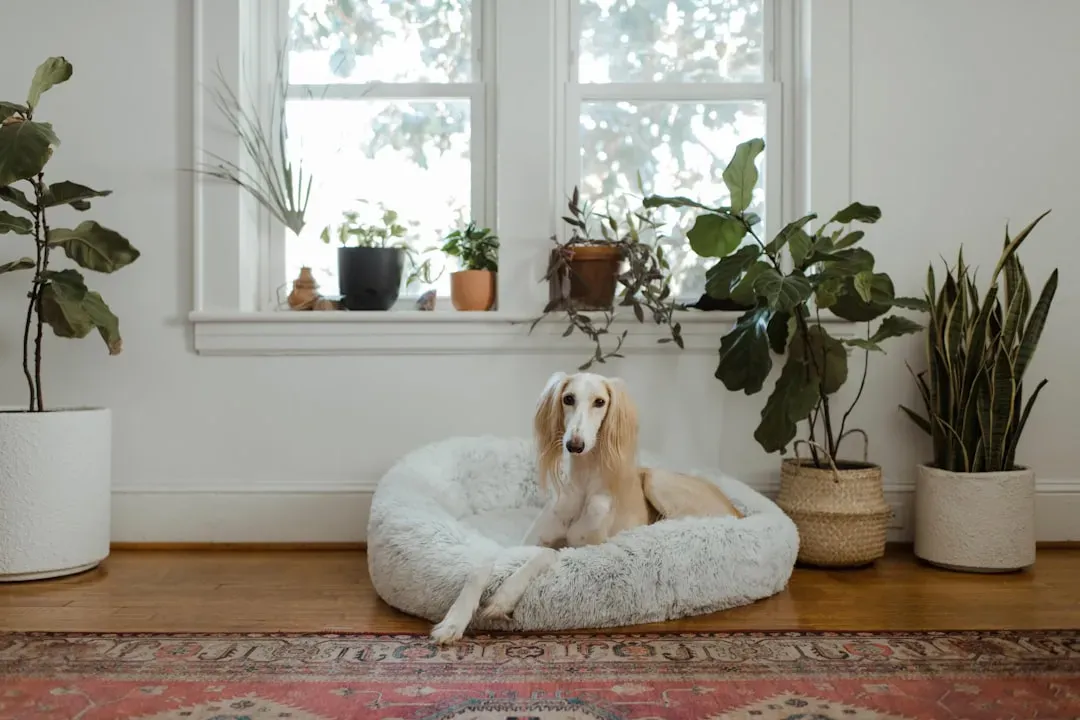
While security is a primary concern for dogs, comfort shouldn’t be overlooked. Providing a comfortable bed in a quiet, low-traffic area can offer both. Observing your dog’s behavior and preferences allows you to tailor their sleeping arrangements to meet both their comfort and security needs.
Introducing elements like soft bedding within a crate or a designated quiet corner can create an inviting space that appeals to their instincts. This approach ensures they have a safe haven that also offers physical comfort.
Conclusion
Understanding that dogs often prioritize security over comfort in their sleeping choices sheds light on many of their behaviors. By acknowledging and accommodating this instinct, owners can create environments that cater to their pets’ psychological and physical needs. After all, isn’t the ultimate goal to provide a home where our canine companions feel both safe and comfortable?


