
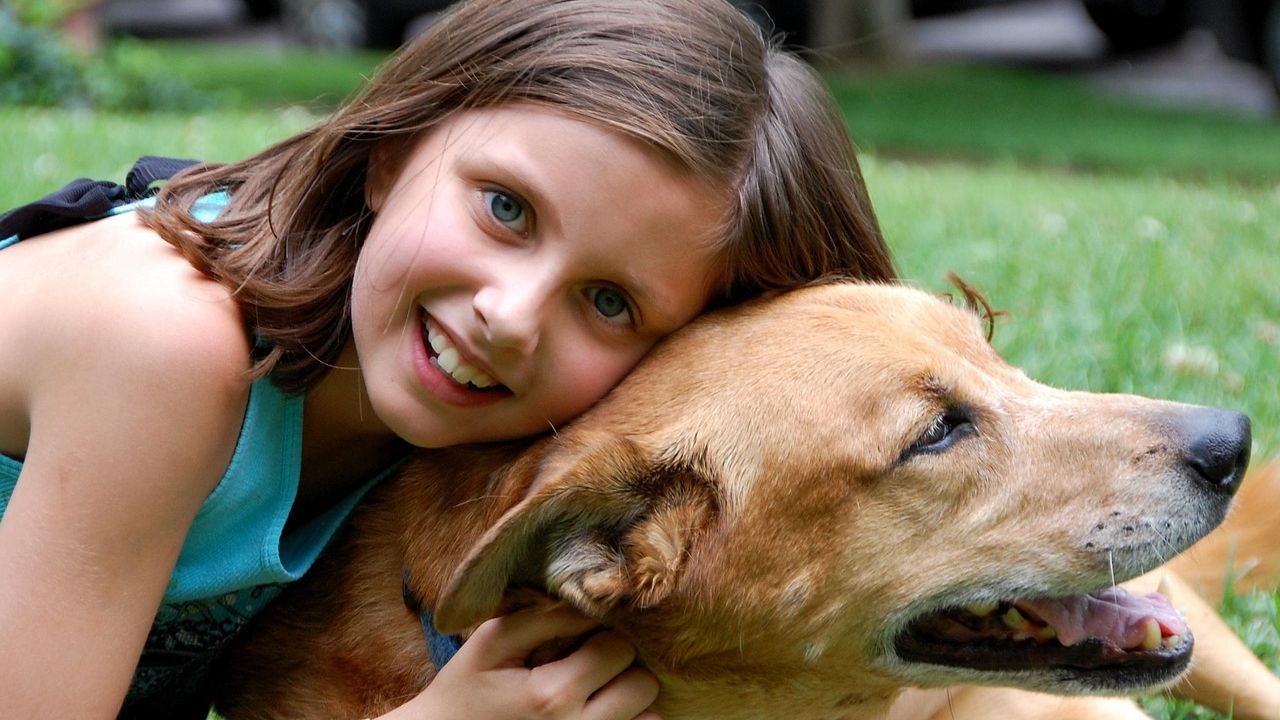
Imagine a world where your family dog not only becomes your child’s best friend but also their vigilant protector. Recent studies in canine psychology reveal that dogs raised alongside children undergo significant behavioral transformations, developing a unique form of protective intelligence that reshapes their innate instincts. This fascinating interplay between dogs and children offers insights into the profound bond they share and the mutual benefits that arise from their companionship.
The Evolution of Canine Protective Instincts
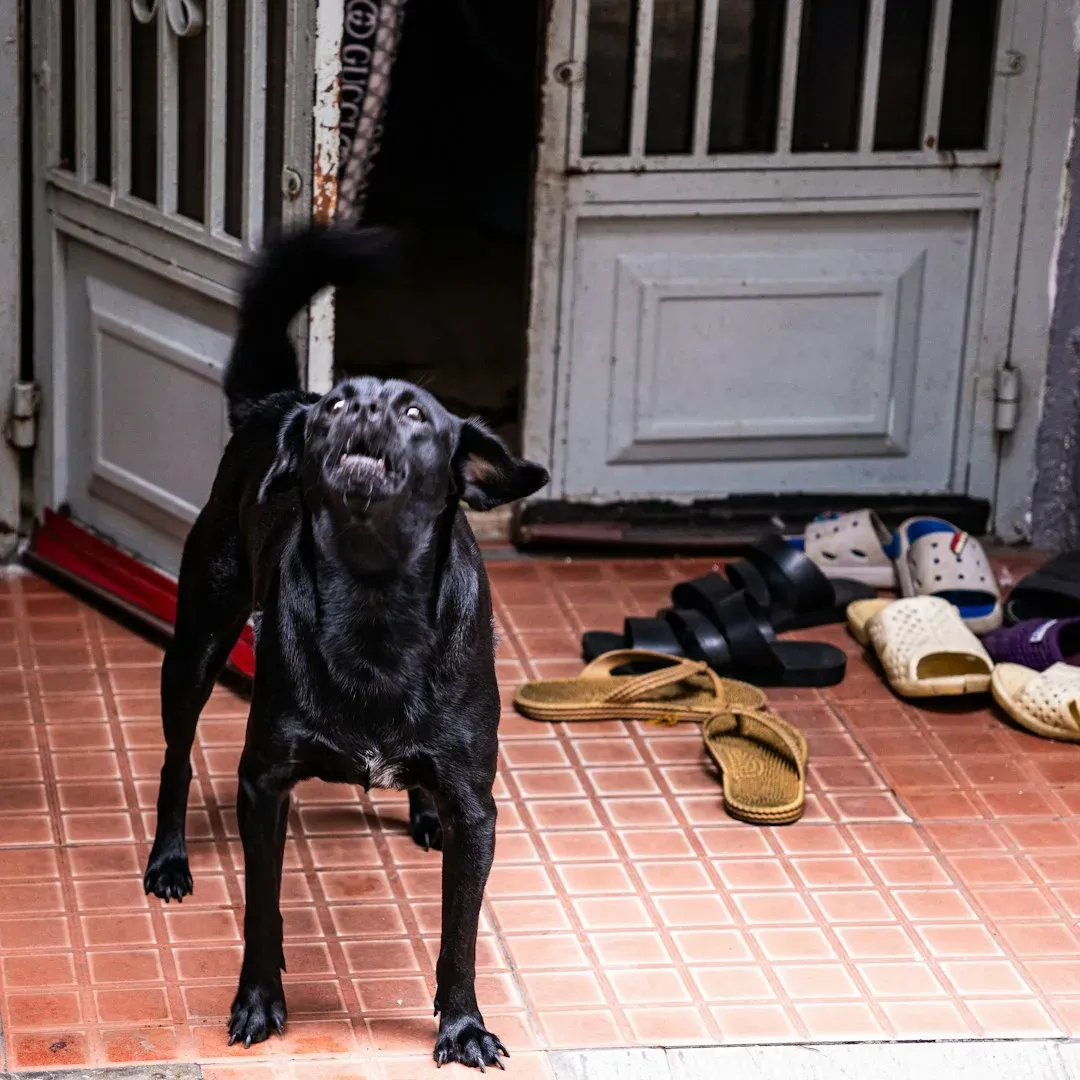
Dogs have long been celebrated for their loyalty and protective nature. Historically, certain breeds were specifically developed to guard livestock and homes, embedding a strong protective instinct within their genetic makeup. However, when these animals are raised in close proximity to children, their protective behaviors often become more nuanced and tailored to the unique dynamics of human families.
This evolution is not merely a product of training but also a result of the deep emotional bonds that form between dogs and their young human companions. As dogs integrate into the family unit, they begin to perceive children as vulnerable members of their “pack,” prompting a natural inclination to safeguard them from potential threats.
Understanding the Pack Mentality in Domestic Dogs
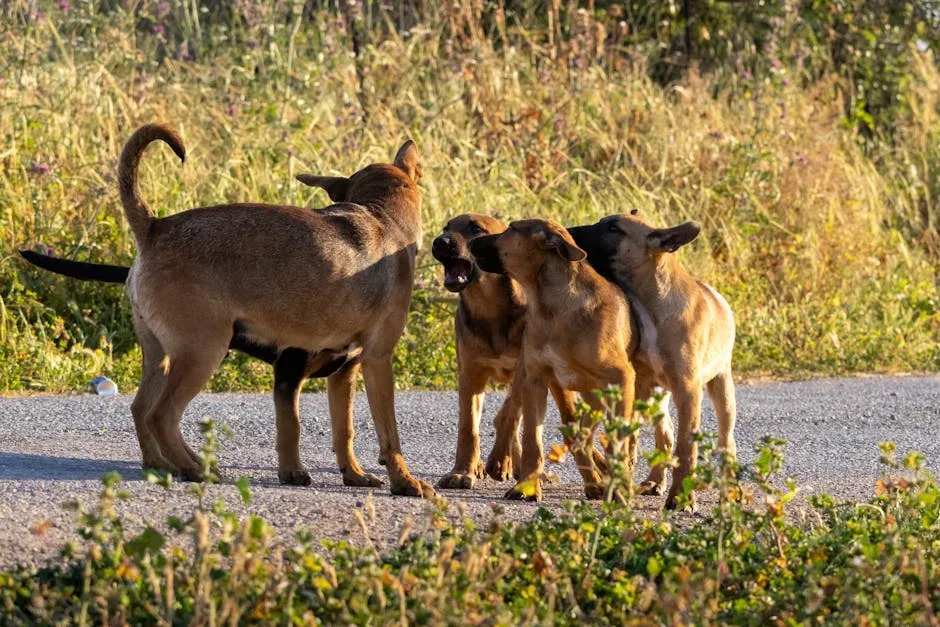
At the heart of a dog’s protective behavior lies the concept of pack mentality. In the wild, canines operate within structured social groups where each member has a role, and the safety of the pack is paramount. When domesticated dogs are introduced into human households, they often extend this pack mentality to include their human family members, especially children.
This inclusion leads to behaviors where dogs position themselves between children and unfamiliar individuals, exhibit heightened alertness during playtime, and even display signs of distress when their young charges are upset. Such actions underscore the depth of their perceived responsibility towards the youngest members of their human pack.
Behavioral Changes in Dogs Raised with Children
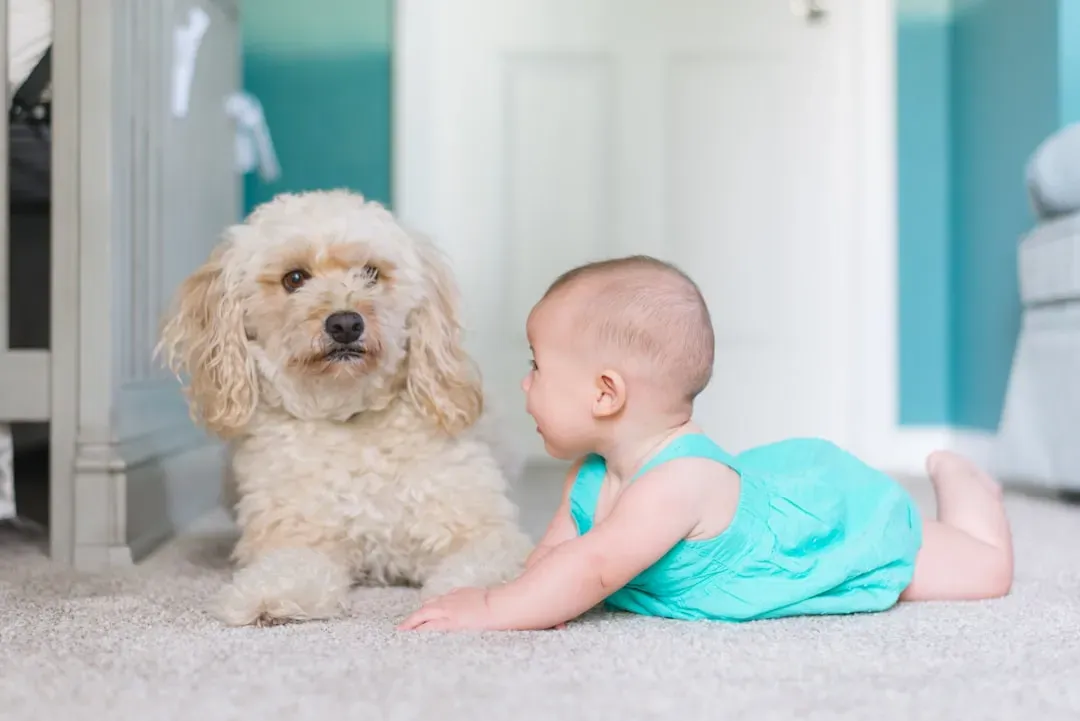
Dogs raised alongside children often exhibit behavioral adaptations that reflect their protective roles. These can include increased patience, gentleness, and a heightened sensitivity to the emotional states of the children they accompany. For instance, a dog might become more tolerant of sudden movements or loud noises, recognizing them as typical childlike behaviors rather than threats.
Additionally, such dogs may develop a keen sense of vigilance, staying close to children during outings or becoming more alert when strangers approach. This protective vigilance is a testament to the deep bond formed through daily interactions and shared experiences between the dog and the child.
The Role of Socialization and Training
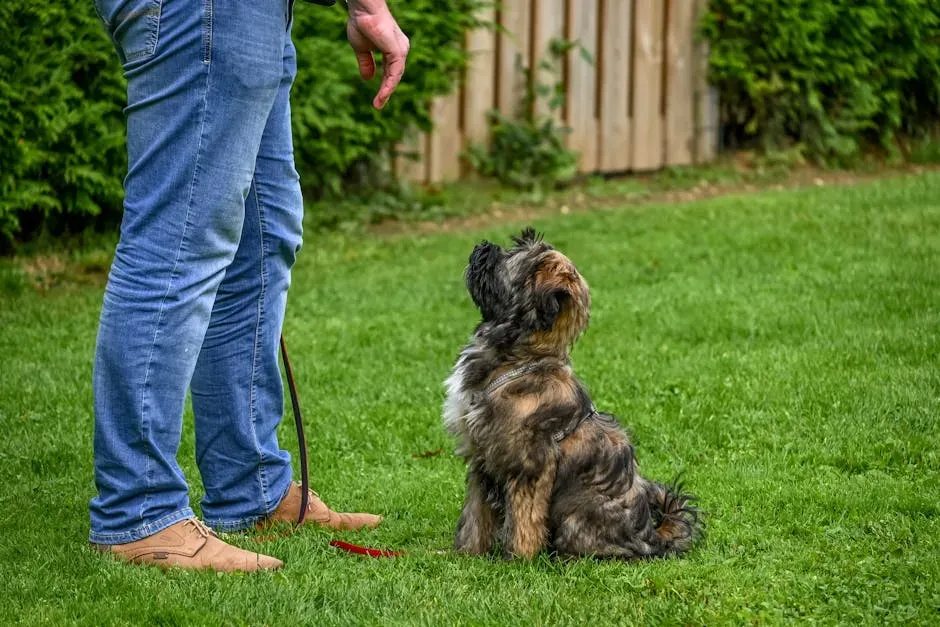
While innate instincts play a significant role, the importance of proper socialization and training cannot be overstated. Introducing dogs to children in controlled, positive environments helps reinforce desirable behaviors and ensures that protective instincts do not escalate into overprotectiveness or aggression.
Training sessions that involve both the dog and the child can foster mutual respect and understanding. Teaching children how to interact appropriately with dogs – such as recognizing signs of discomfort or stress – further strengthens this bond and promotes a harmonious relationship.
Emotional Bonds and Mutual Benefits
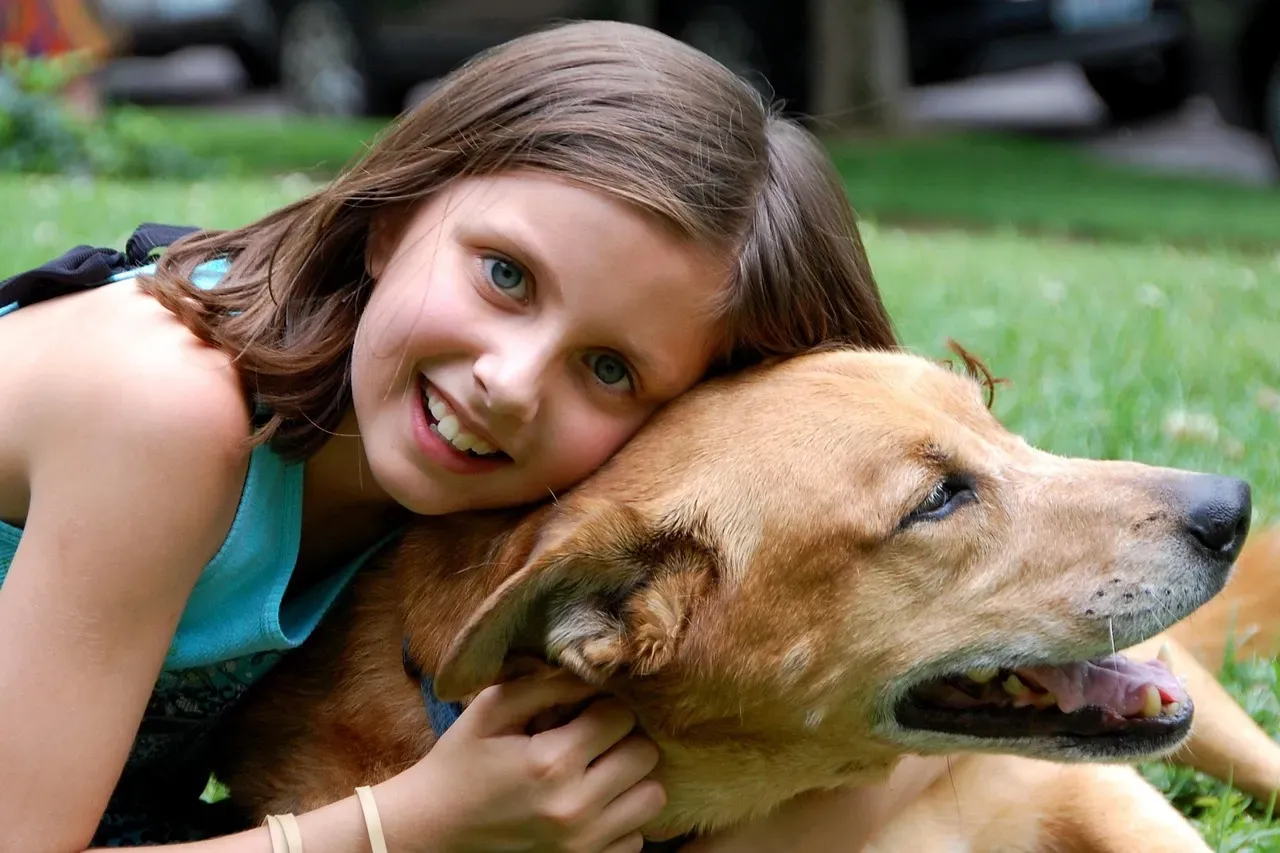
The relationship between dogs and children is not one-sided. Children often find comfort, companionship, and a sense of security in their canine friends. This bond can lead to increased empathy, responsibility, and social skills in children, as they learn to care for and understand another being’s needs.
For dogs, the presence of children can provide stimulation, play opportunities, and a sense of purpose. The mutual affection and trust that develop contribute to the overall well-being of both parties, creating a dynamic where both the child and the dog thrive.
Recognizing and Respecting Boundaries
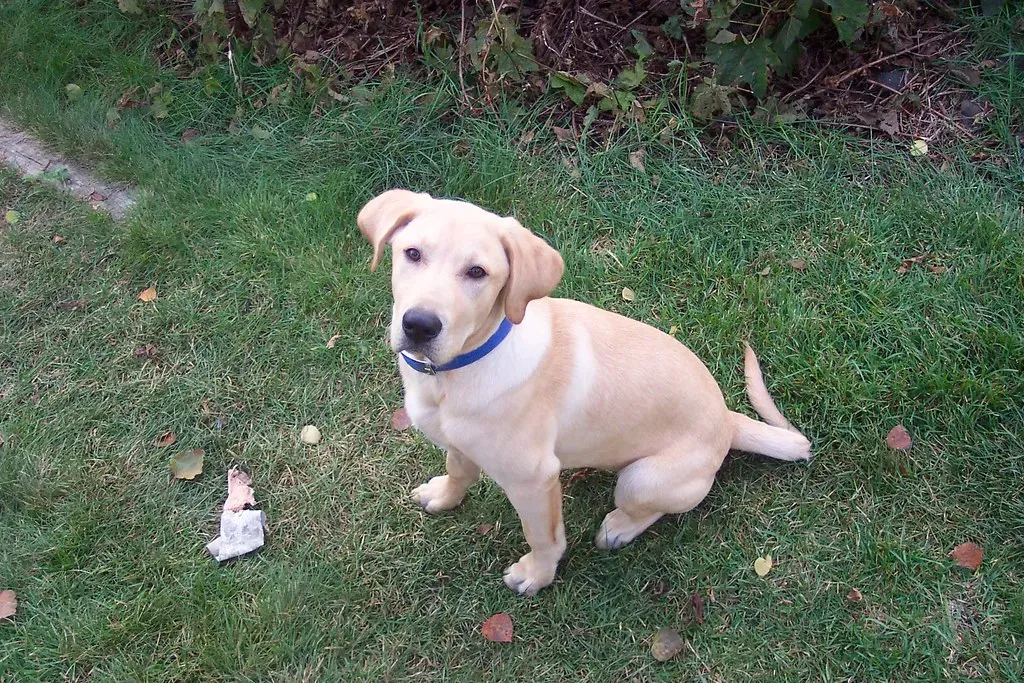
Despite the many benefits, it’s crucial to recognize and respect the boundaries of both the child and the dog. Not all dogs are naturally inclined to be protective, and some may feel overwhelmed or stressed by the unpredictable behaviors of young children.
Observing and understanding a dog’s body language is essential. Signs of discomfort, such as flattened ears, avoidance, or growling, should be addressed promptly to prevent negative interactions. Ensuring that both the dog and the child have their own spaces and times for rest can help maintain a healthy relationship.
Conclusion: A Harmonious Partnership
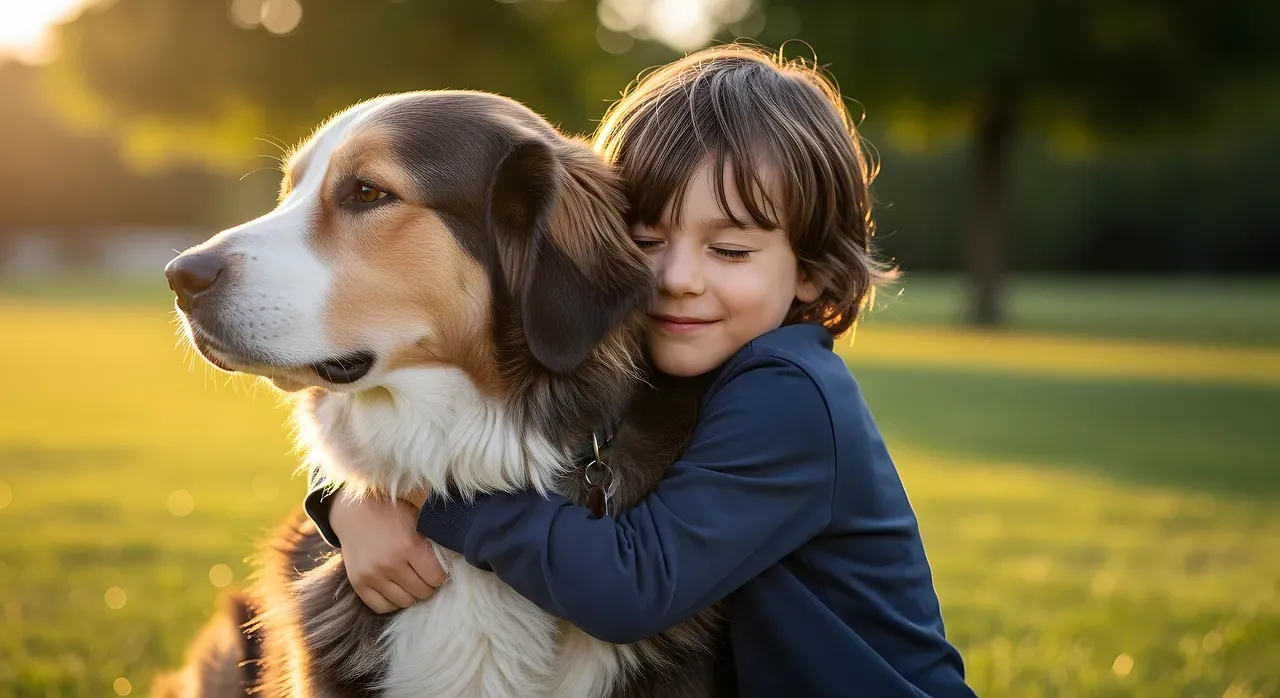
The intricate relationship between dogs and children is a testament to the adaptability and depth of canine intelligence. When raised together, dogs often develop a protective intelligence that not only rewires their natural instincts but also enriches the lives of the children they accompany. This harmonious partnership, built on mutual respect, understanding, and love, highlights the profound connections that can exist between humans and their canine companions.
As we continue to explore the depths of canine psychology, one thing remains clear: the bond between a child and their dog is not just heartwarming – it’s transformative. Isn’t it remarkable how our four-legged friends can become both guardians and confidants in the journey of childhood?


