
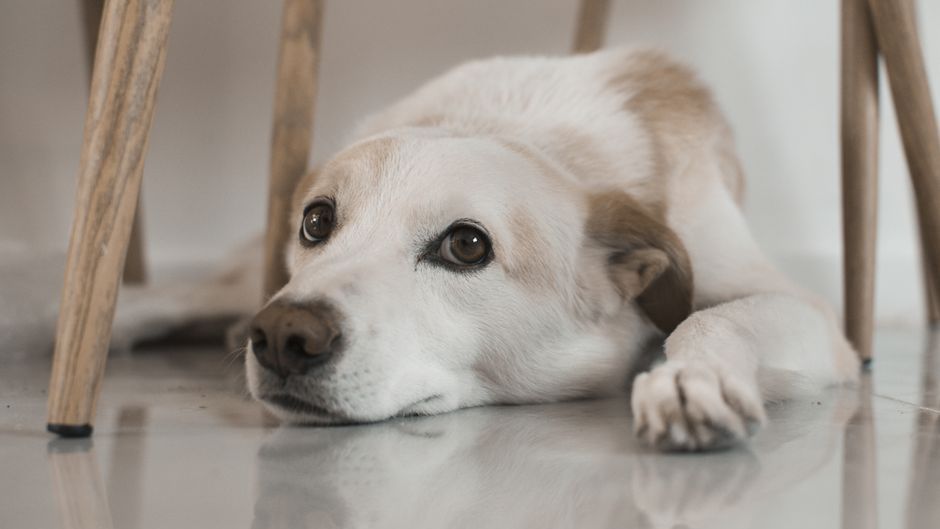
Have you ever returned home to find your dog avoiding your gaze, leading you to wonder if they’re feeling guilty for some mischief? It’s a common misconception among dog owners. In reality, when dogs avert their eyes upon your return, they’re not recalling a past wrongdoing but are instead displaying a natural, submissive behavior. Let’s delve into the canine psyche to understand this better.
The Canine Perspective on Eye Contact
In the human world, direct eye contact often signifies honesty and engagement. However, in the canine realm, prolonged eye contact can be perceived as a challenge or threat. Dogs have inherited this instinct from their wolf ancestors, where staring was a means to assert dominance. Therefore, when your dog looks away, it’s their way of saying, “I come in peace.” This behavior is deeply ingrained and is a dog’s method of maintaining harmony within their social structure.
Submission Over Guilt: Decoding Your Dog’s Behavior
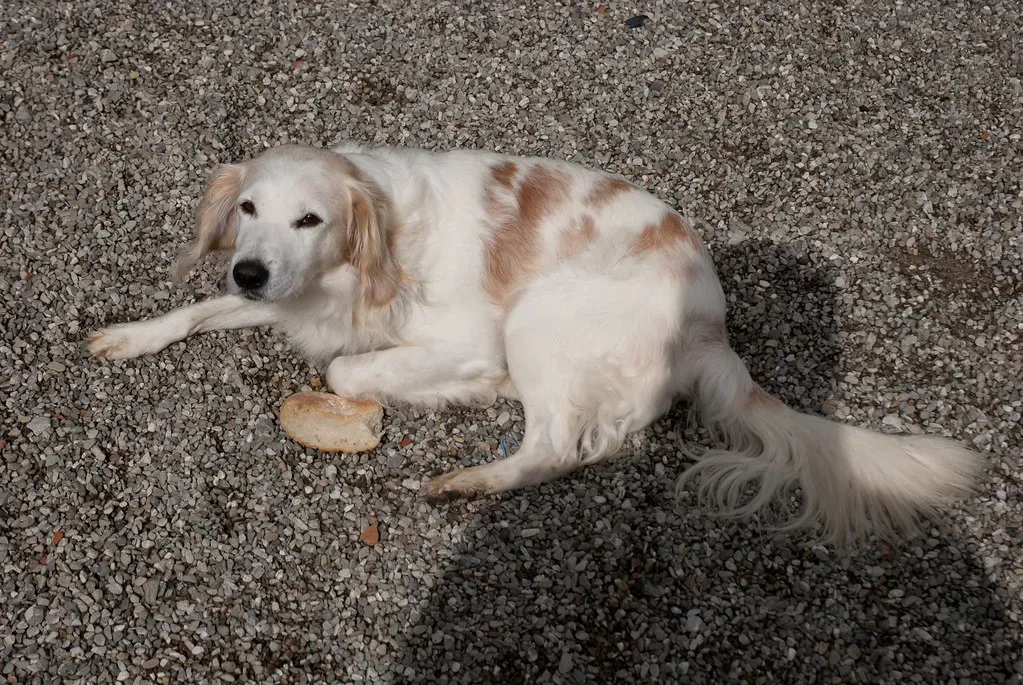
It’s tempting to anthropomorphize our pets, attributing human emotions like guilt to their actions. However, canine behaviorists suggest that dogs don’t experience guilt in the same way humans do. When a dog avoids eye contact, especially after you’ve been away, it’s not an admission of guilt but a submissive gesture. They’re acknowledging your higher status in the pack hierarchy and are showing deference, not remorse.
Appeasement Behaviors: More Than Just Eye Avoidance
Averting their gaze is just one of the many appeasement behaviors dogs exhibit. Other signs include lip licking, yawning, or turning their body away. These actions are a dog’s way of diffusing potential tension and signaling that they pose no threat. Recognizing these behaviors can help you understand your dog’s emotional state and respond appropriately, fostering a stronger bond between you and your furry friend.
Building Trust Through Positive Reinforcement
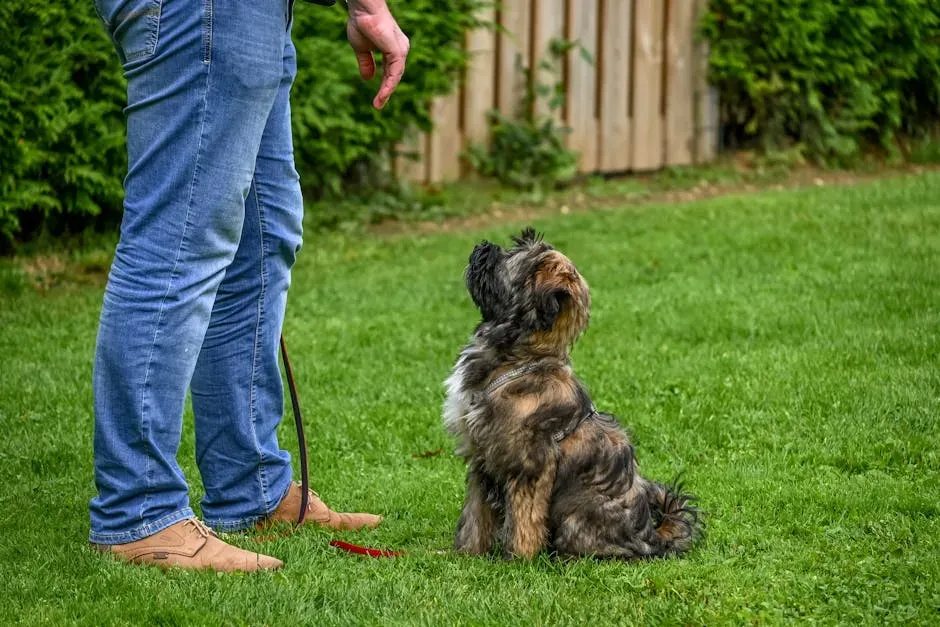
Understanding that your dog’s avoidance of eye contact is a natural behavior allows you to approach them with empathy. Instead of forcing eye contact, which can be intimidating for them, use positive reinforcement techniques. Reward them with treats or affection when they voluntarily make brief eye contact. Over time, this can help them associate eye contact with positive experiences, building trust and confidence.
When to Be Concerned: Recognizing Stress Signals
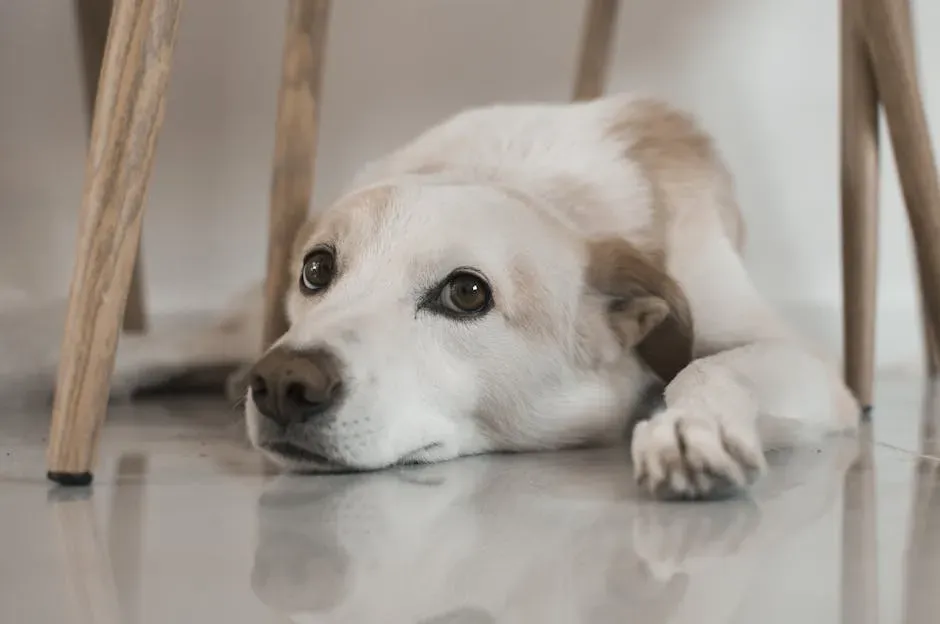
While occasional avoidance of eye contact is normal, consistent avoidance accompanied by other signs like cowering, tail tucking, or excessive panting may indicate stress or anxiety. It’s essential to observe your dog’s overall body language and consult with a veterinarian or professional dog behaviorist if you notice persistent signs of distress. Early intervention can prevent behavioral issues and ensure your dog’s well-being.
Respecting Your Dog’s Communication Style
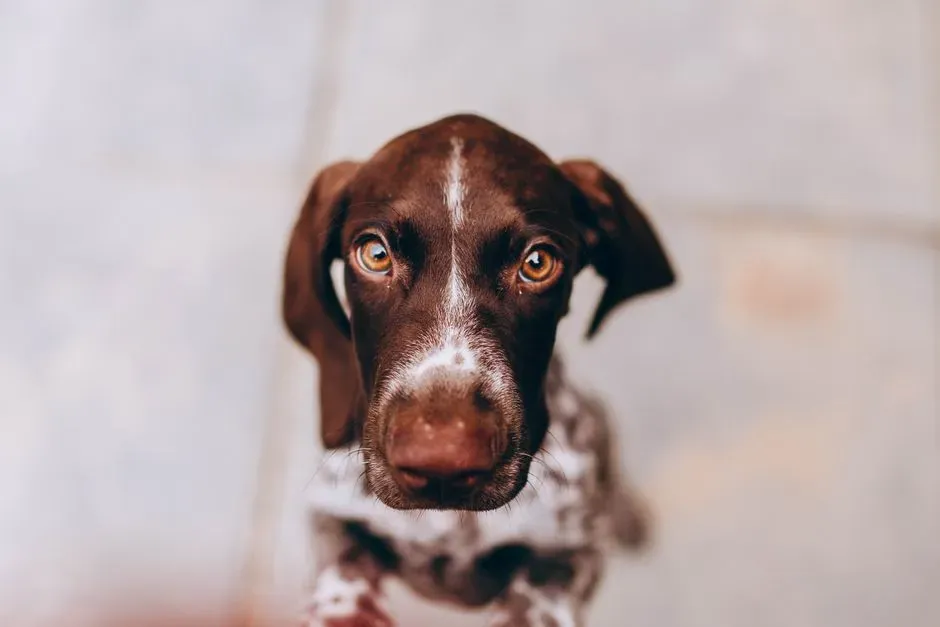
Every dog is unique, and their comfort levels with eye contact can vary. Some may naturally be more inclined to make eye contact, while others may prefer to avoid it. Respecting your dog’s individual communication style is crucial. By doing so, you create a safe environment where your dog feels understood and secure, strengthening the bond you share.
Conclusion: Embracing the Canine Way of Communication
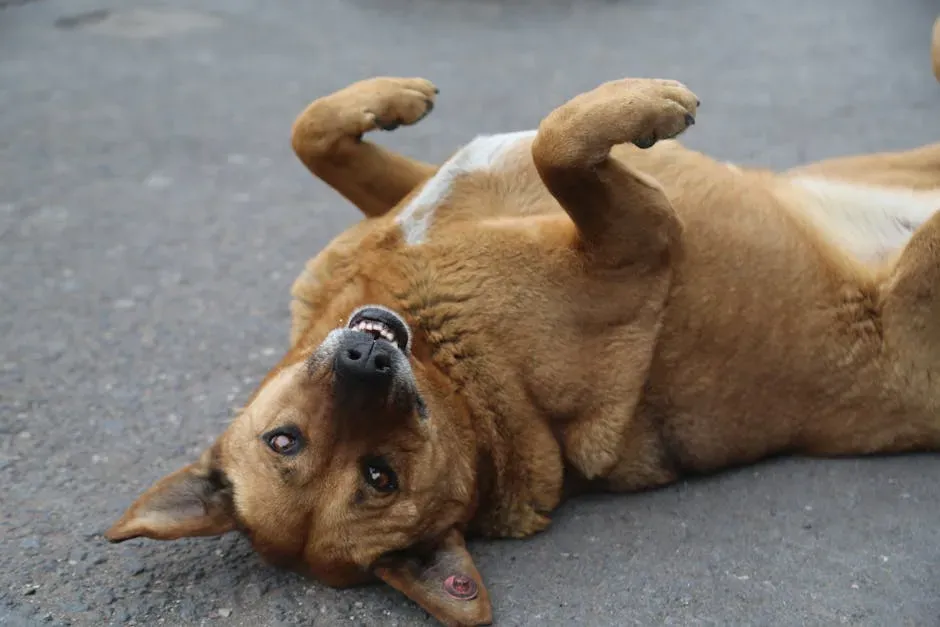
In the end, understanding that your dog’s avoidance of eye contact is a sign of submission and not an indication of guilt allows you to appreciate their natural behaviors. By respecting their communication methods and responding with patience and positive reinforcement, you can build a trusting and loving relationship. So, the next time your dog looks away when you return home, remember, they’re simply saying, “Welcome back, leader.” How will you respond to their greeting?


