
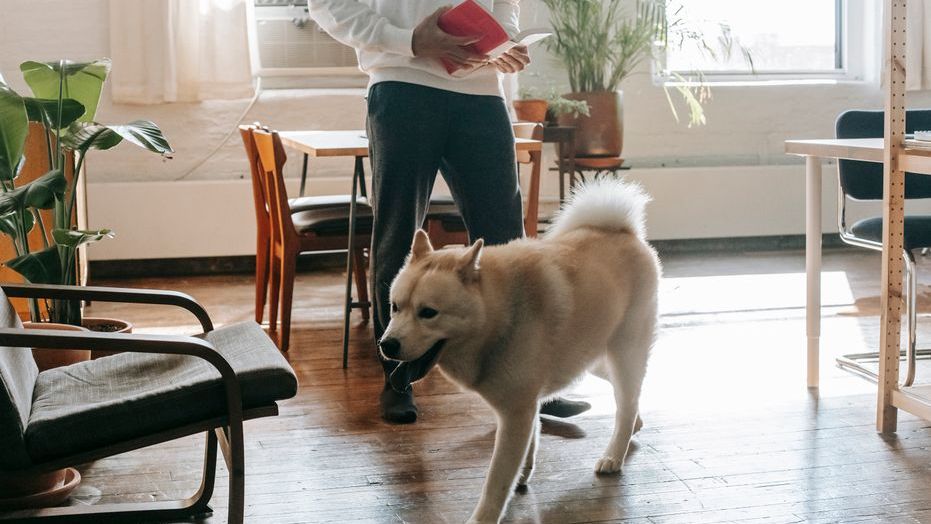
You have likely watched your dog spin in tight loops before settling down for a nap. The motion looks almost ritualistic, as if some invisible checklist must be completed first. That familiar routine connects modern pets to instincts shaped long before they shared homes with people.
Those circles are not random. They reflect deep seated behaviors that once helped wild canines stay safe and comfortable in changing environments. Understanding the pattern reveals how much of the wild still lives inside everyday dogs.
Why the Ritual Begins

Dogs start circling because their bodies still respond to signals from earlier times. The movement helps them test the ground beneath their paws and decide if the spot feels right. Small adjustments in direction or speed often follow as they fine tune the position.
Each turn also gives them a quick scan of the area. They pick up scents and sounds that might matter once they are lying still. This quick survey becomes automatic even when the room holds no real surprises.
Echoes from Wild Canines

Wild ancestors flattened grass and leaves to create a clearer resting place. The action reduced hiding spots for insects or small threats that could disturb sleep. Over generations the motion became tied to the simple act of lying down.
Those same movements helped pack members keep an eye on one another. A quick circle allowed a dog to note who was nearby before relaxing. Domestic dogs carry the pattern forward even when the original reasons no longer apply.
Preparing the Perfect Spot
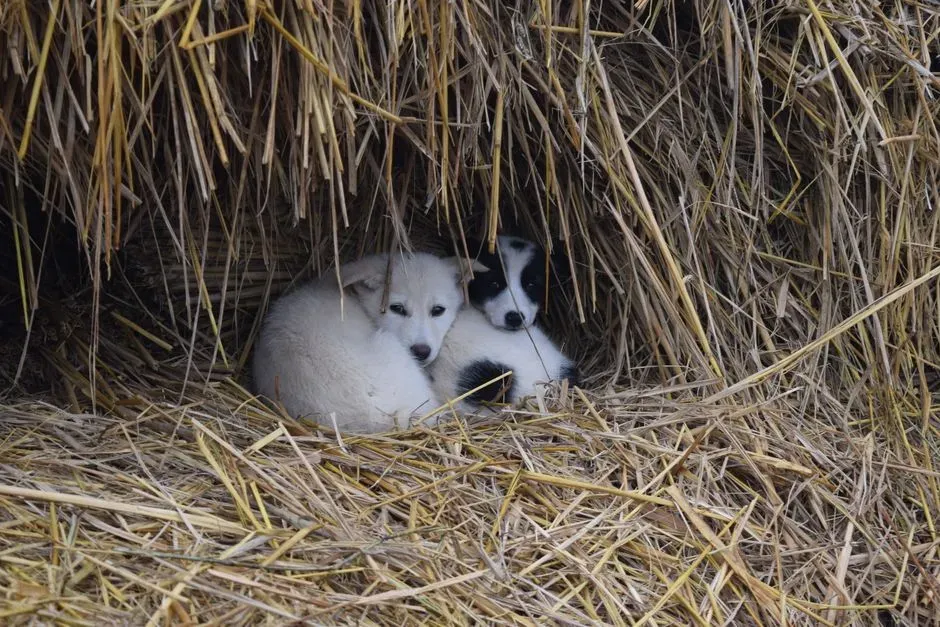
The circles let dogs shape a small nest that matches their body. They push aside debris and test the surface temperature with each step. The result is a spot that feels more supportive once they finally rest.
Some dogs add a final paw scrape after the turns. The extra motion clears loose material and creates a slight depression. Owners often notice the same sequence repeated in the same corner of the room night after night.
Sensing Potential Threats

Each loop gives a dog time to listen for unusual sounds. The motion also stirs up air currents that carry fresh scent information. In open land this habit once helped spot approaching animals before they got too close.
Inside a house the same instinct lingers. A dog may circle near a doorway or window because those spots still feel like edges of territory. The behavior fades only when the animal feels completely secure.
Temperature and Comfort Factors

Circling can help dogs find a balance between warm and cool surfaces. They test different patches of floor or bedding with their paws during the turns. The final choice often matches the temperature their body prefers at that moment.
Longer haired breeds sometimes circle more in summer to find cooler ground. Shorter coated dogs may linger longer in winter while searching for warmth. The pattern shifts with the seasons yet stays rooted in the same basic search.
Persistence in Domestic Life
Even apartment dogs repeat the circles on carpet or tile. The surface offers little to flatten yet the motion continues unchanged. Breed and age play small roles but the core habit appears across many types of dogs.
Puppies learn the sequence by watching older dogs. The action becomes part of their daily rhythm without any training. Owners who notice the pattern often realize it happens most often before deep sleep rather than quick rests.
Insights for Better Pet Care
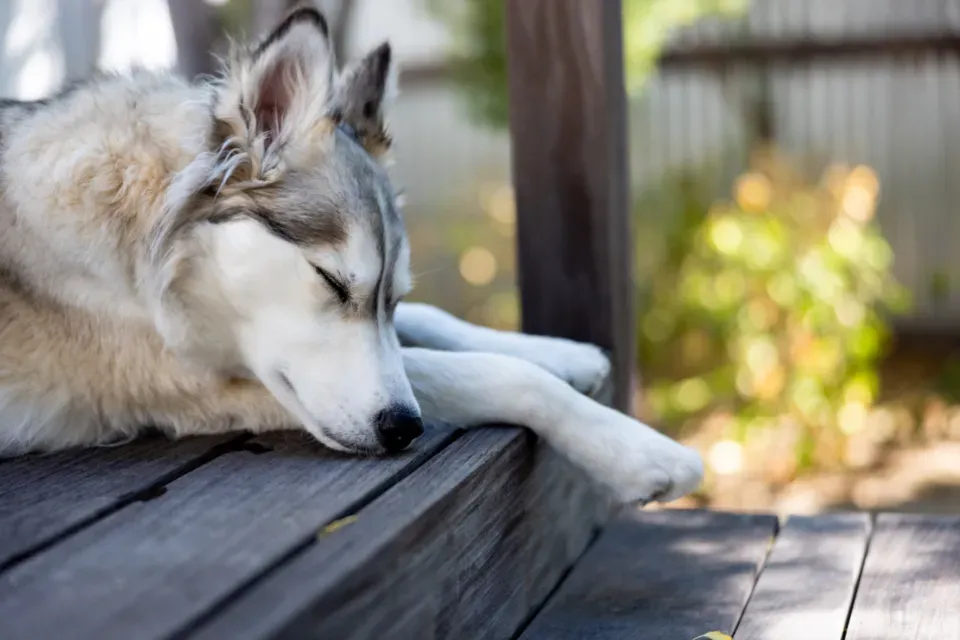
Recognizing the circles as normal helps owners create calmer spaces. A quiet corner with familiar bedding supports the instinct without interference. Watching the routine also gives clues about how secure a dog feels in its surroundings.
Small changes like adding a raised bed or moving a mat can make the settling process smoother. The behavior itself rarely signals a problem unless it becomes frantic or endless. In most homes the circles simply mark the quiet transition from activity to rest.
Paying attention to these moments reminds people that dogs carry their own quiet history into every room. The simple spin before lying down keeps a thread alive between ancient survival and the comfort of a modern home. That connection stays worth noticing even on ordinary days.


