
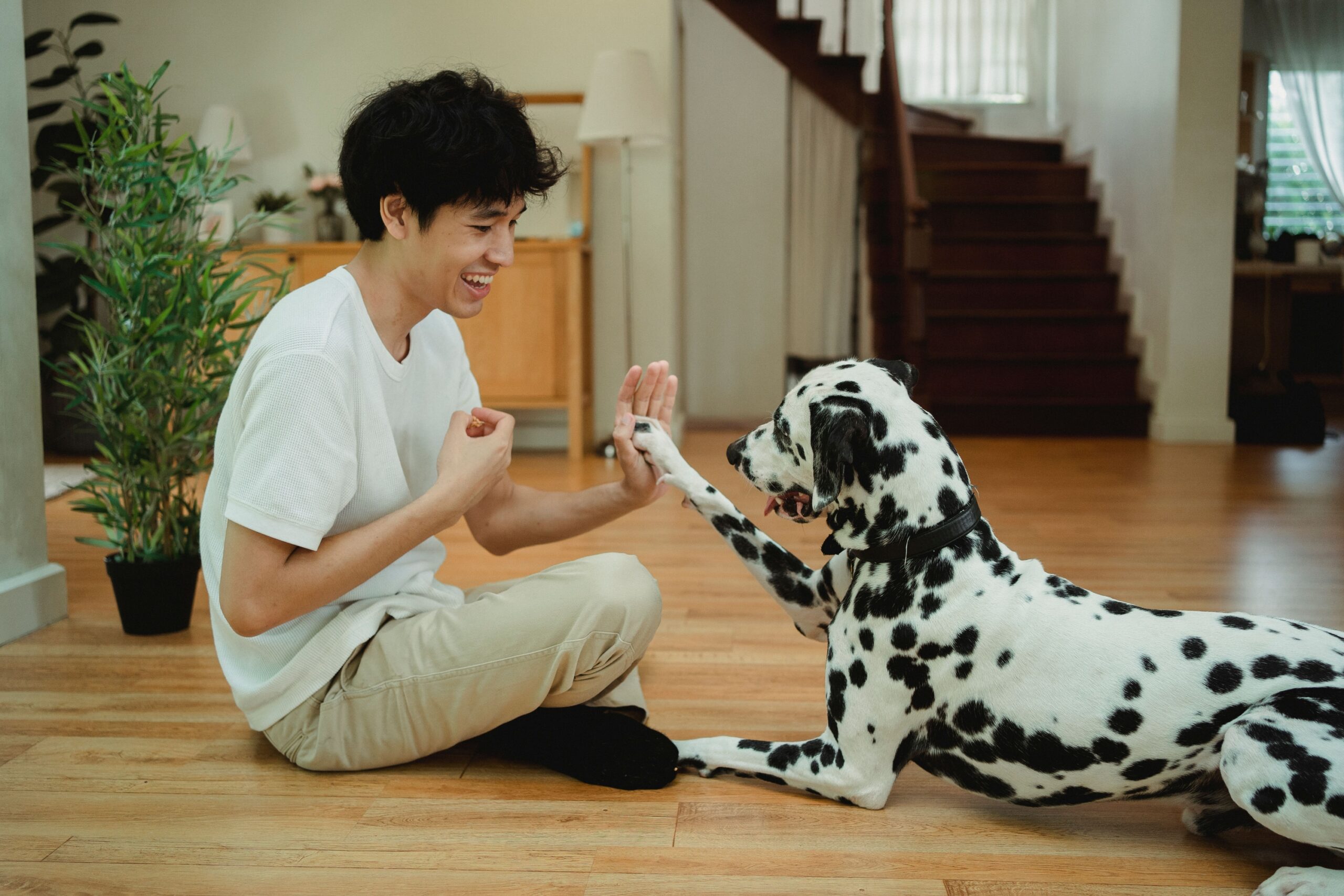
You bend down to say hi, your dog trots over, tail gives a tiny wag… and then everything stops. The body stiffens, the eyes go a bit wide, the ears freeze. You call their name in your happiest voice, maybe pat your leg, maybe lean in closer. Nothing. It feels confusing, a little worrying, and honestly, a bit personal.
Here’s the twist: that frozen moment often has very little to do with “stubbornness” or “being weird” and a lot more to do with how your dog is managing stress. Modern canine psychology suggests that in those few seconds, backing off can be far more powerful than cheerleading them through it. When we really understand what freezing means for dogs, those awkward greetings transform from frustrating mysteries into clear, compassionate communication.
Freezing Is Not Rudeness: It’s A Survival Strategy
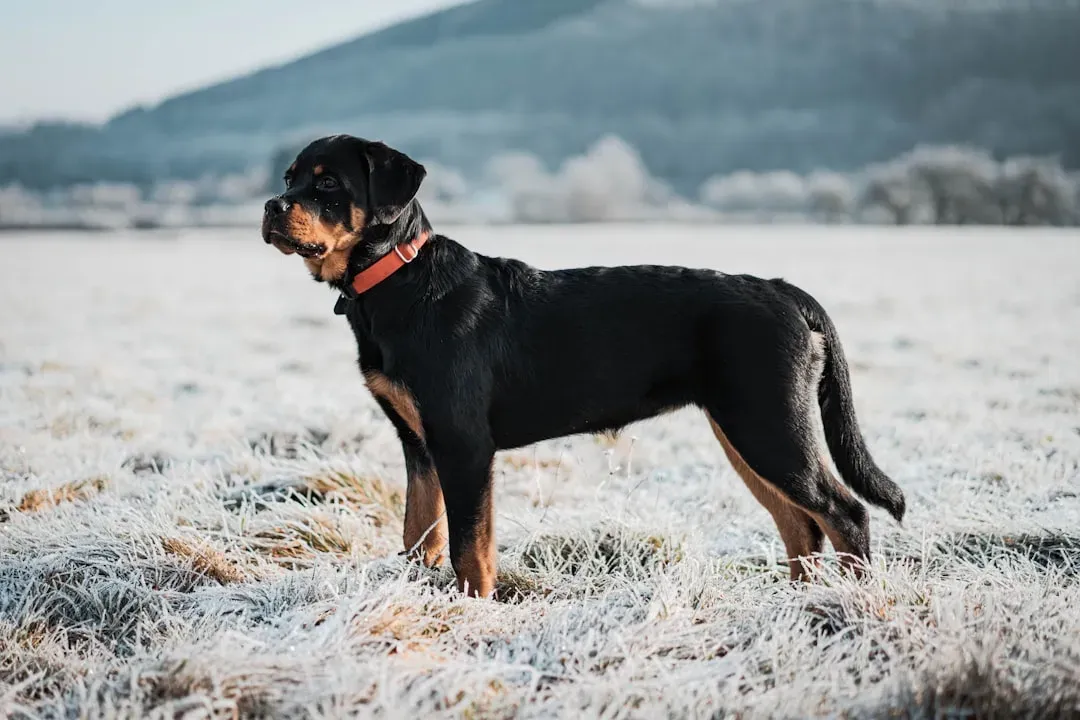
When a dog suddenly stops moving during a greeting, many people read it as the canine version of being aloof or moody. In reality, freezing is one of the brain’s oldest survival strategies, sitting right alongside fight, flight, and fidgeting. Your dog isn’t trying to annoy you; they’re quietly trying to cope with a situation that feels a little too intense or unclear.
Think of it like hitting pause on a movie when the scene gets overwhelming and you’re not sure what happens next. The dog’s nervous system is doing the same thing: gathering information, scanning for threat, and buying time. The stillness you see on the outside is often a storm of processing on the inside, and pushing through that pause with more noise and more pressure can accidentally crank up their stress instead of helping it settle.
Body Language: The Tiny Clues Hiding Inside The Freeze
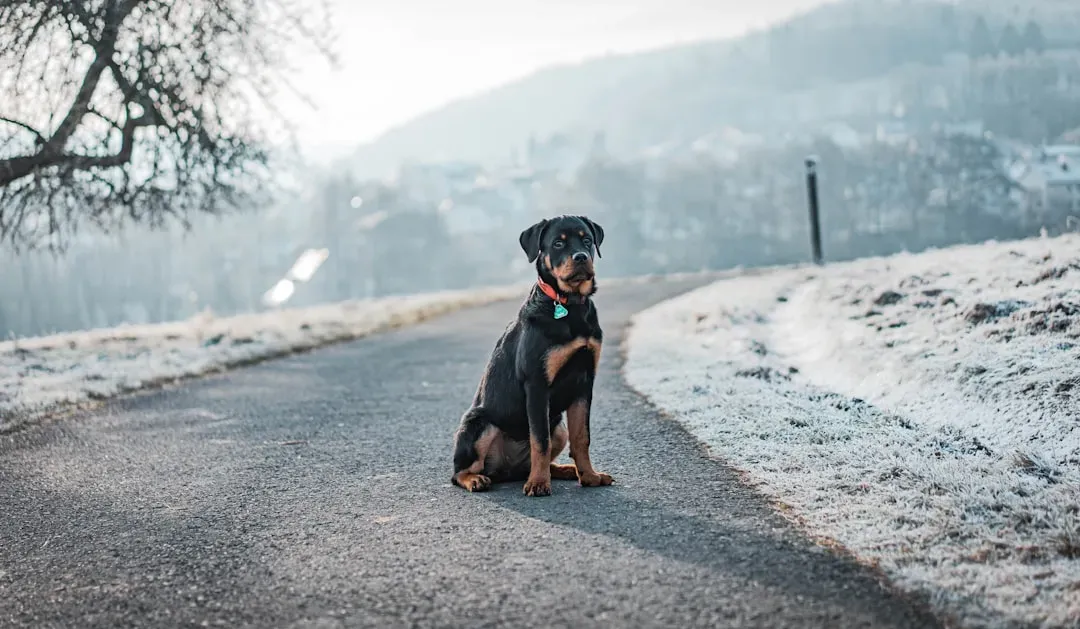
Not every freeze means the same thing, and this is where canine body language becomes your best friend. A soft freeze might look like a dog pausing with a loose body, blinking, maybe licking their lips gently or turning their head slightly away. That dog might just be saying they’re overwhelmed but still trying to be polite, like a person stuck in a slightly awkward hug.
A hard freeze, on the other hand, is a different story. You’ll see a stiff posture, muscles tight, tail held still (sometimes very high, sometimes tucked), eyes wide or suddenly very focused, and the whole dog looking almost statue-like. That kind of freeze is often a warning sign: the dog is not okay, and if the pressure keeps coming, this is the moment that can tip into a growl, snap, or bite. Learning to tell the difference between soft and hard freezes is one of the most powerful safety skills any dog guardian can have.
Stress, Social Pressure, And Why Encouragement Can Backfire
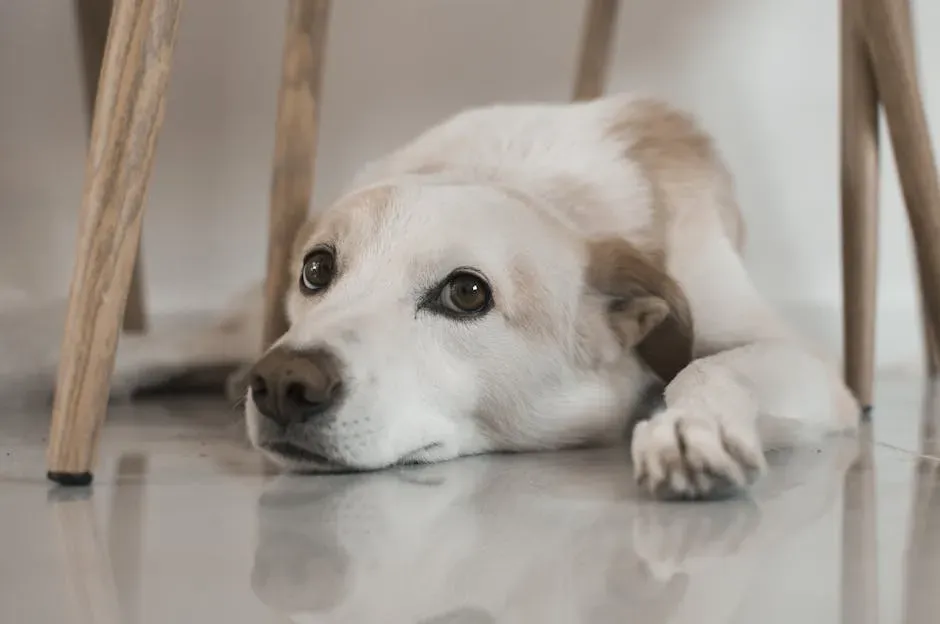
Many of us were raised with the idea that if someone (or some dog) is nervous, we should encourage them through it. So we chirp their name, pat our knees, push the stranger’s hand closer “so they can see it’s fine,” or coax them toward the thing they’re scared of. In human terms, it is a bit like pushing a friend onto a roller coaster after they already said they were afraid of heights.
From a psychological perspective, a freeze during greeting usually means the dog’s stress system is already activated. When we layer verbal excitement and physical pressure on top of that, the message we think we’re sending (“It’s okay, you’re safe!”) doesn’t match what their body is feeling (“This is too much, too fast.”). Instead of teaching calm, we accidentally teach them that their attempts to say “I need space” are ignored, and next time they might skip the freeze and go straight to a stronger reaction.
Why Space Is A Powerful Reinforcer Of Safety
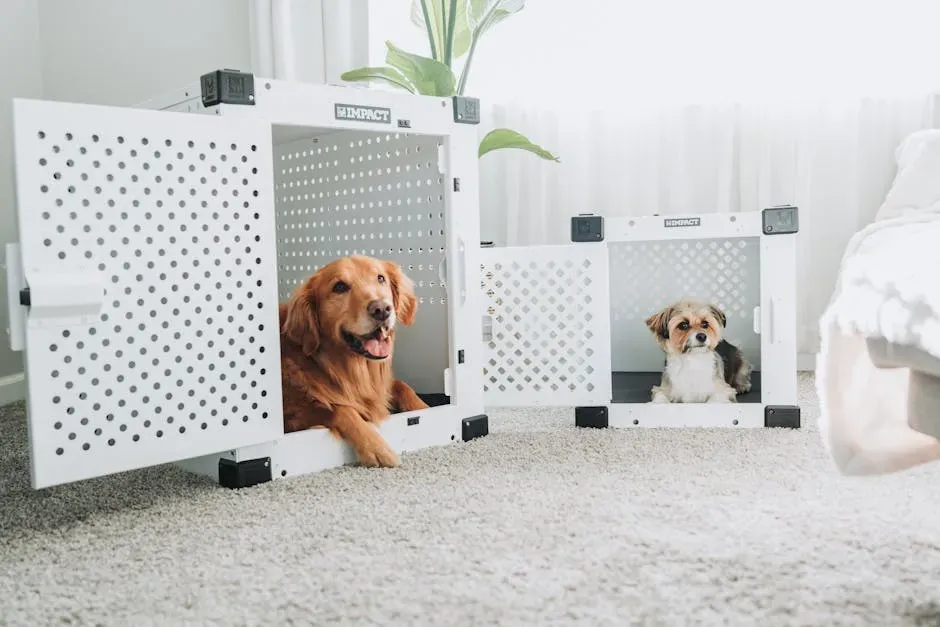
Here’s the underrated magic trick in canine psychology: distance is often the strongest reinforcer you can offer to an uneasy dog. When they freeze and you respond by stepping back, turning your body slightly sideways, and reducing the pressure, you are proving in real time that their quiet signal works. Their nervous system starts to learn that when things feel too big, they have a way to make things smaller again.
Over time, this changes the entire emotional picture. Dogs who learn that freezing and asking for space is respected are more likely to keep using those softer signals instead of escalating to growling or snapping. You’re not “rewarding fear” by giving space; you’re reinforcing safety and communication. It is the difference between being trapped at a party where you cannot leave and being able to step outside for fresh air whenever you need it.
How To Respond In The Moment When Your Dog Freezes
So you notice your dog go still during a greeting. What now? First, resist the urge to cheerlead. Instead, soften your body language: turn slightly sideways instead of facing them head-on, avoid bending over their head, and keep your hands low and still. If someone else is greeting them, you can calmly say something like that you’re going to give the dog a second and gently have the person pause too.
Next, quietly add space. You might take a couple of steps back with your dog, or ask the person to step away and ignore the dog for a moment. Keep your voice calm and neutral rather than overly bright or apologetic. If your dog chooses to come forward again on their own, let them approach at their own pace rather than luring or dragging them. If they choose not to, that’s valuable information: they’re telling you this greeting or this environment is simply too much right now.
Building Confidence Without Pushing Past Their Limits
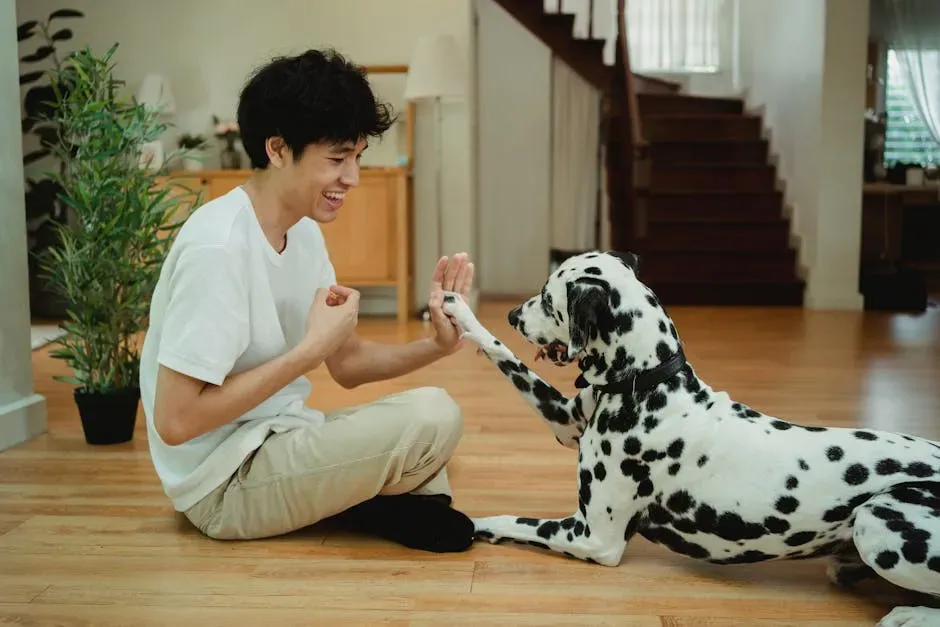
None of this means you should shield your dog from the world forever. Confidence grows through well-managed, positive experiences where the dog feels in control of how close they get and how long they stay. This can look like watching people from a comfortable distance, practicing sniffy walks in new places, or greeting familiar friends in calm, predictable ways where the dog is allowed to opt out at any time.
Over time, you can gradually reduce distance or add tiny bits of challenge, but the key is to increase difficulty slower than you think you need to. I learned this the hard way with my own dog: the more I tried to “show her it was fine” by nudging her closer to things, the more shut down she became. When I finally flipped it and treated her hesitations as data instead of disobedience, her confidence grew faster and felt much more real, not just forced compliance.
Rethinking “Friendly” Dogs: They Don’t Owe Anyone A Greeting
We love to describe our dogs as “friendly,” and that word quietly loads a lot of expectations onto them. A truly dog-centered approach means acknowledging that even the friendliest dog on most days can have moments where they simply do not want to say hi. Freezing during a greeting is often just a dog’s way of choosing not to be social right then, the same way a person might decline a hug or avoid small talk after a long day.
Respecting that choice is not overprotective; it is ethical. It also prevents a lot of messy situations, like the dog who tolerates pushy petting until one day they suddenly snap. When we normalize the idea that dogs do not owe every human or dog interaction, we take a huge amount of social pressure off their shoulders. That shift alone can reduce how often they feel the need to freeze in the first place.
Conclusion: Space As An Act Of Respect, Not Rejection
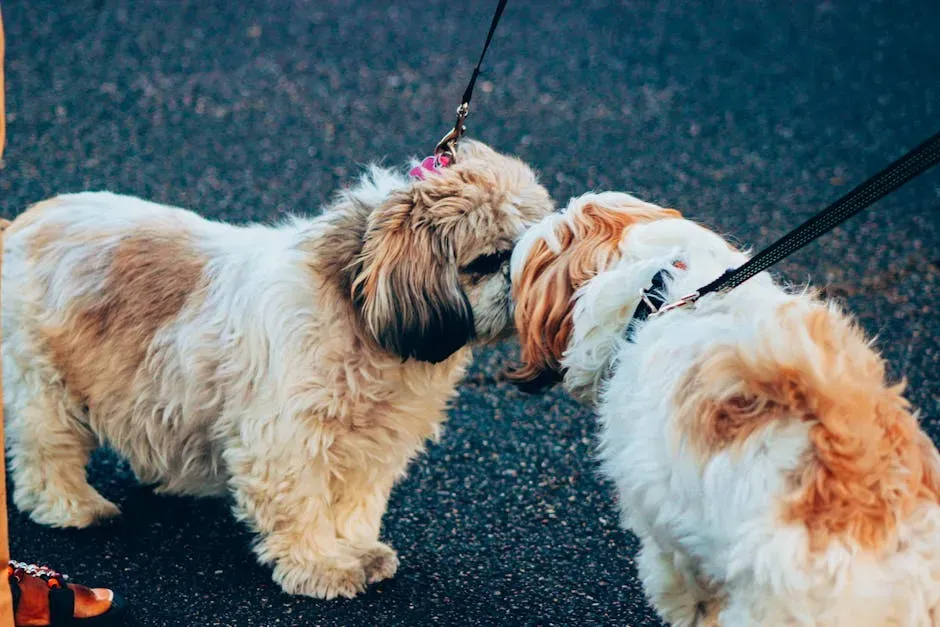
Freezing during a greeting is one of the clearest examples of how dogs speak softly while humans tend to respond loudly. When we stop interpreting that stillness as rudeness or stubbornness and instead read it as communication, everything changes. Giving space in that moment is not only kinder, it is also smarter training and better safety management for everyone involved.
Personally, I think we underestimate how brave dogs are just to live in a human-sized, human-paced world. The least we can do is listen when they quietly say, “This is a bit much right now.” So next time your dog freezes, consider stepping back instead of leaning in, and see what they choose when they finally feel they have room to breathe. Does it change how you see that awkward pause in the middle of a greeting?


