
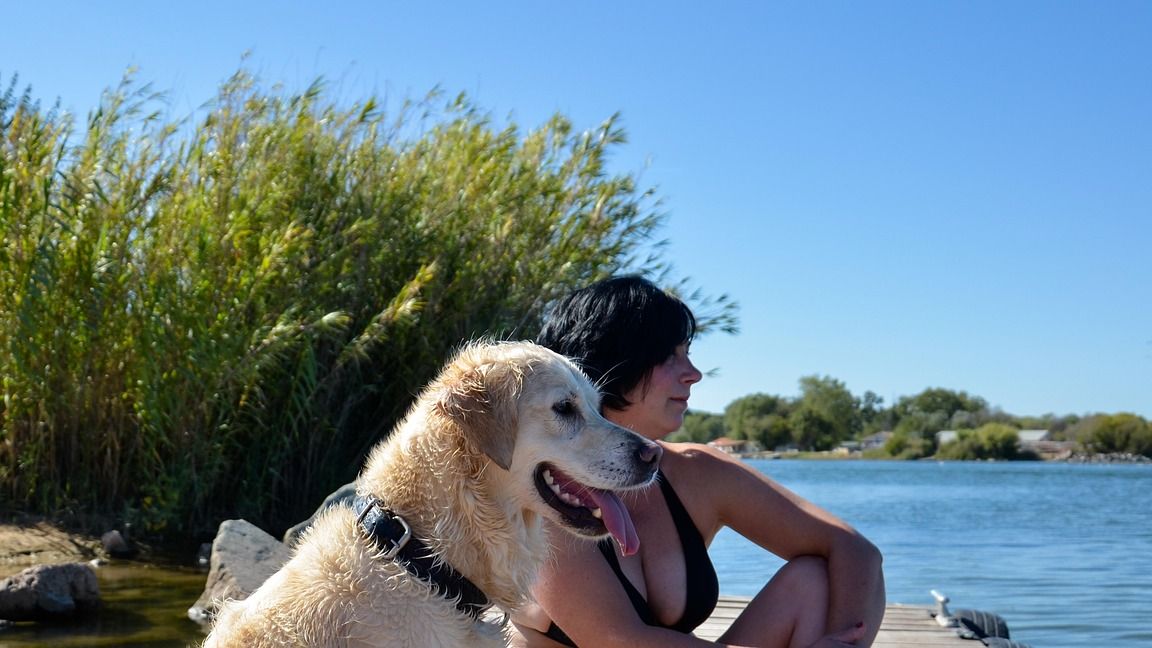
Understanding the Protective Instinct
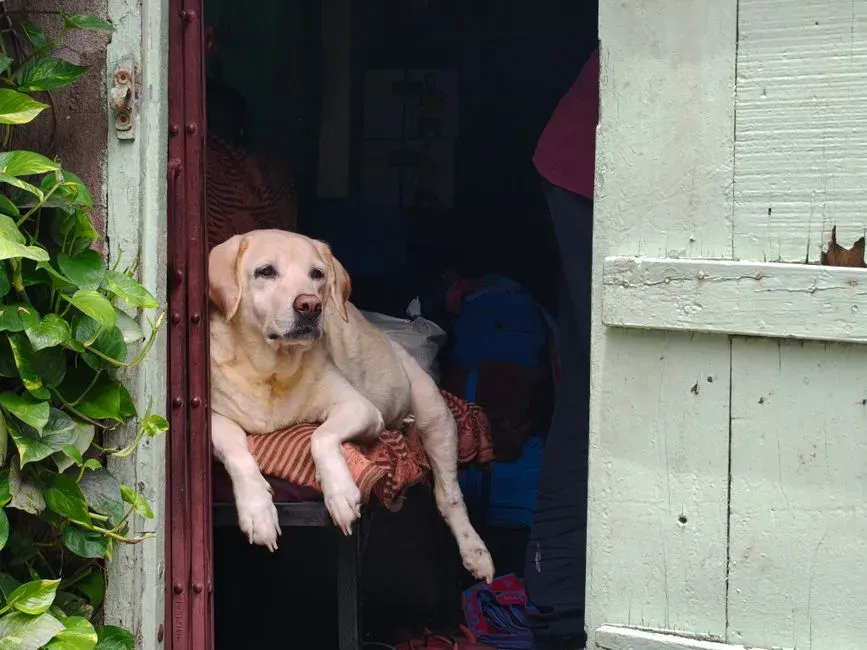
Dogs still carry the same alertness their wild ancestors relied on when the group rested together. Facing an entry point lets them monitor the most likely direction any disturbance would come from. This choice happens almost automatically once the lights go down and the household quiets.
The instinct does not require training or past trauma. It simply reflects how dogs assess risk during vulnerable moments like sleep. Many owners notice the pattern repeats even in homes with no history of intrusions or loud noises at night.
The Role of Denning Behavior in Dogs
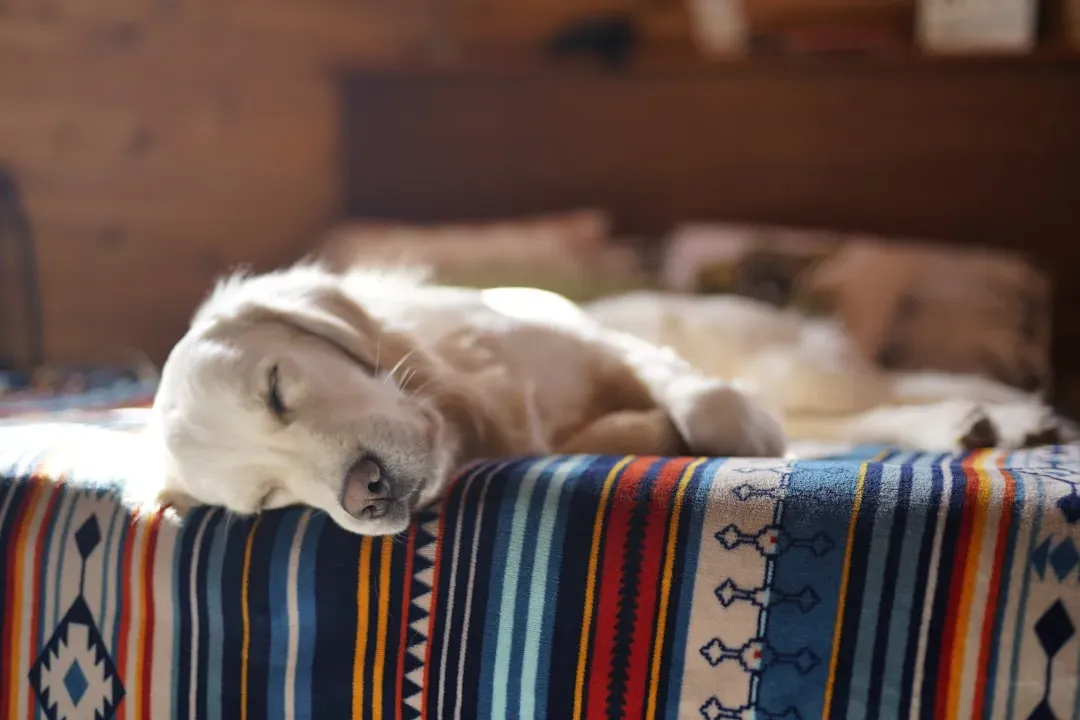
Modern dogs still seek a sense of enclosure when they choose a sleeping spot. Placing themselves between the family and the open doorway creates a small buffer that feels secure. The behavior echoes the way wild canids position themselves at the mouth of a den while others rest deeper inside.
Owners often see this same orientation whether the dog sleeps on the floor, a dog bed, or even at the foot of the human bed. The consistent direction suggests the choice is driven more by layout than by any single emotional state.
Why Facing the Door Makes Sense Evolutionarily
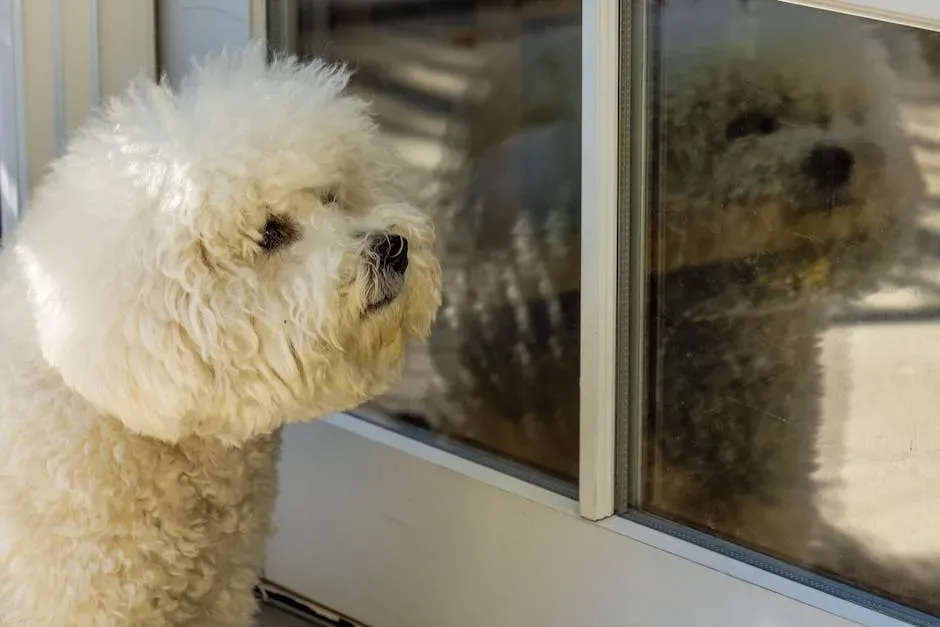
Throughout domestication, dogs that stayed alert to outside sounds gained an advantage for the whole group. Those who faced potential entry points could react faster to unusual noises or movement. Over generations the preference became a reliable default rather than a learned response.
Today the same wiring shows up in apartments, suburban houses, and rural homes alike. The trigger is simply the presence of a threshold that leads to the rest of the world. Even dogs raised entirely indoors display the pattern because the instinct is older than any single living environment.
Distinguishing Protection from Distrust
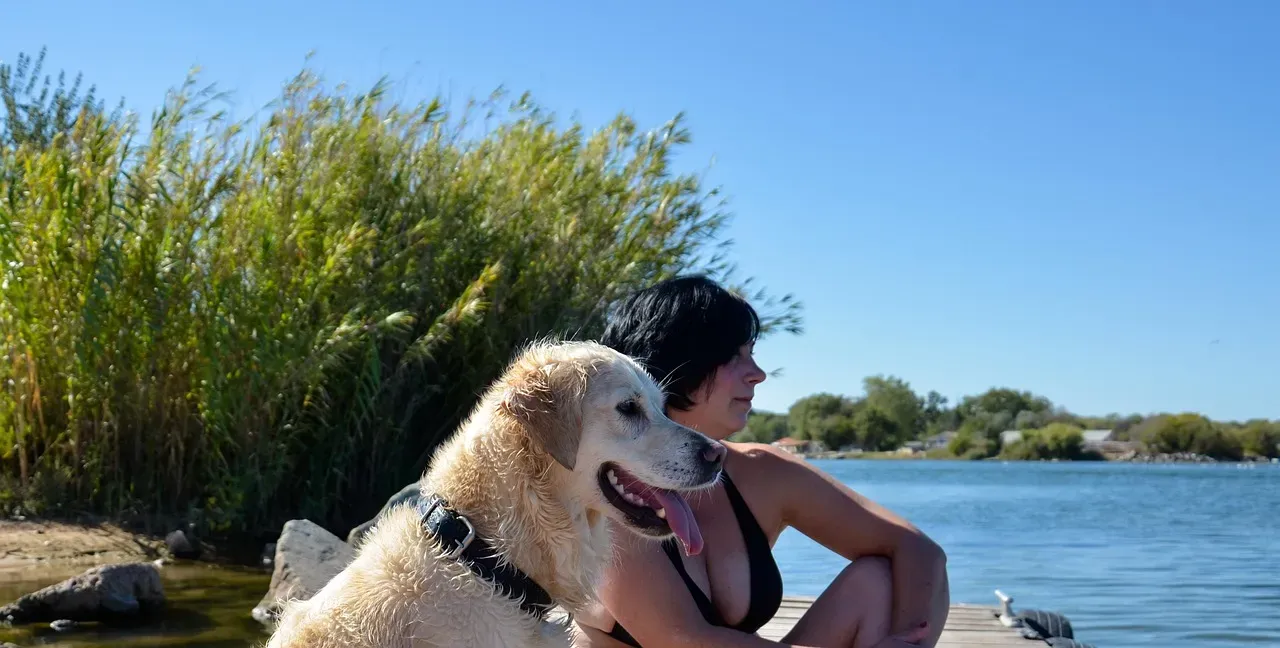
Many people assume a dog that turns away must be avoiding closeness or feeling uneasy around the household. In reality the opposite is often true. The dog is choosing a spot that allows the rest of the family to relax without worry.
Body language offers clearer clues than position alone. A relaxed jaw, steady breathing, and easy return to sleep after a small noise all point to calm guardianship rather than anxiety. When the same dog greets family members warmly during the day, the nighttime choice looks more like care than caution.
How Environment Shapes Sleeping Positions
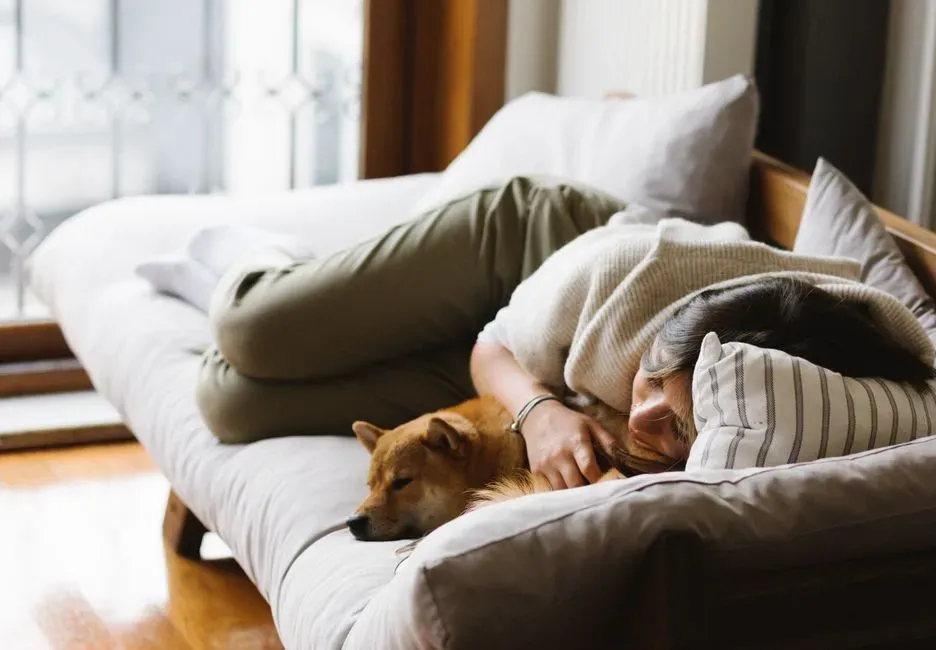
Room layout plays a bigger role than most owners realize. A dog will often pick the spot that gives the clearest line of sight to the main doorway even if that means sleeping a little farther from the bed. Changes in furniture or new night lights can shift the exact angle without changing the underlying reason.
Multi-dog homes sometimes show a loose rotation where one animal takes the forward position on certain nights. The arrangement still serves the same purpose of shared vigilance. Single dogs simply default to the most strategic angle available in the space they are given.
Strengthening Your Bond by Respecting These Habits
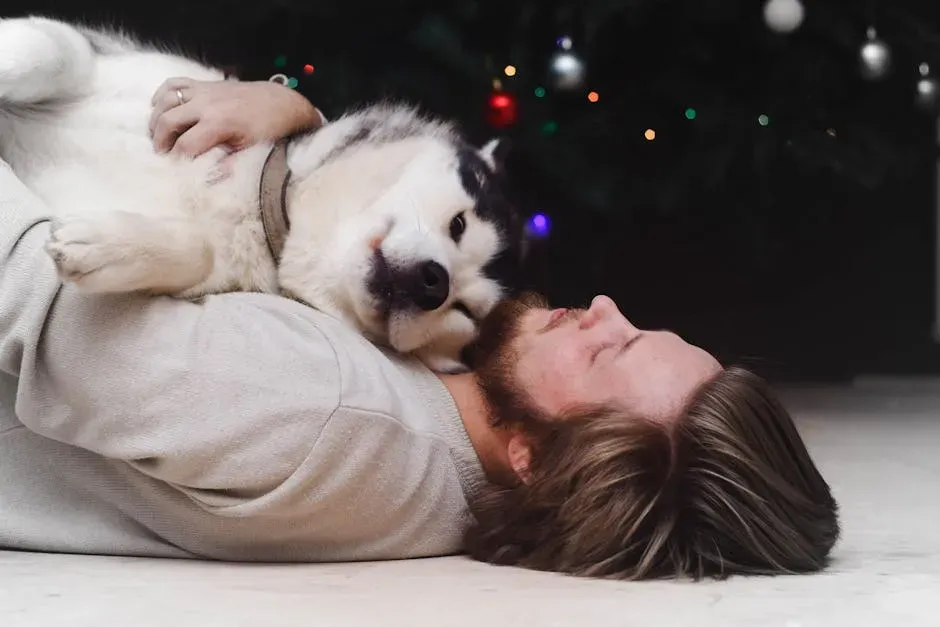
Allowing the preferred sleeping direction rarely requires major changes to the household routine. A slightly wider path to the door or a low night light near the threshold can make the chosen spot more comfortable. Small adjustments like these acknowledge the instinct without forcing the dog into a different posture.
Over time the consistency builds quiet confidence on both sides. The dog continues to feel useful in their role while the owner learns to read the behavior as normal rather than worrisome. The result is often a deeper sense of mutual understanding during the hours when everyone is most vulnerable.
Embracing Your Dog’s Natural Guardian Role
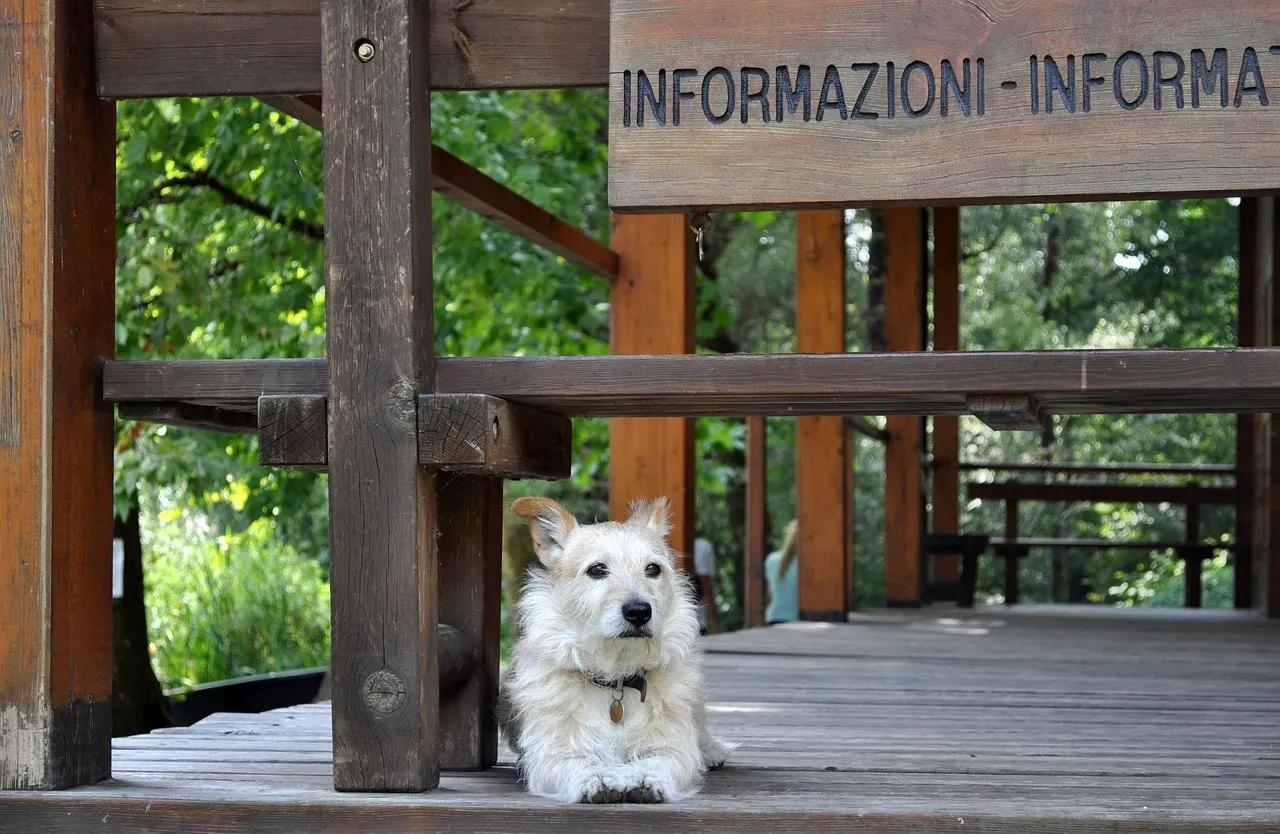
Once the behavior is viewed as guardianship instead of suspicion, nightly routines feel less mysterious and more reassuring. The dog is not pulling away. They are simply doing what their lineage has always done when the pack settles for the night.
Respecting that choice does not mean ignoring other signs of stress if they appear. It simply means recognizing one common posture for what it usually represents. In the end the quiet face toward the door becomes another small reminder that your dog still sees the household as worth protecting.


