
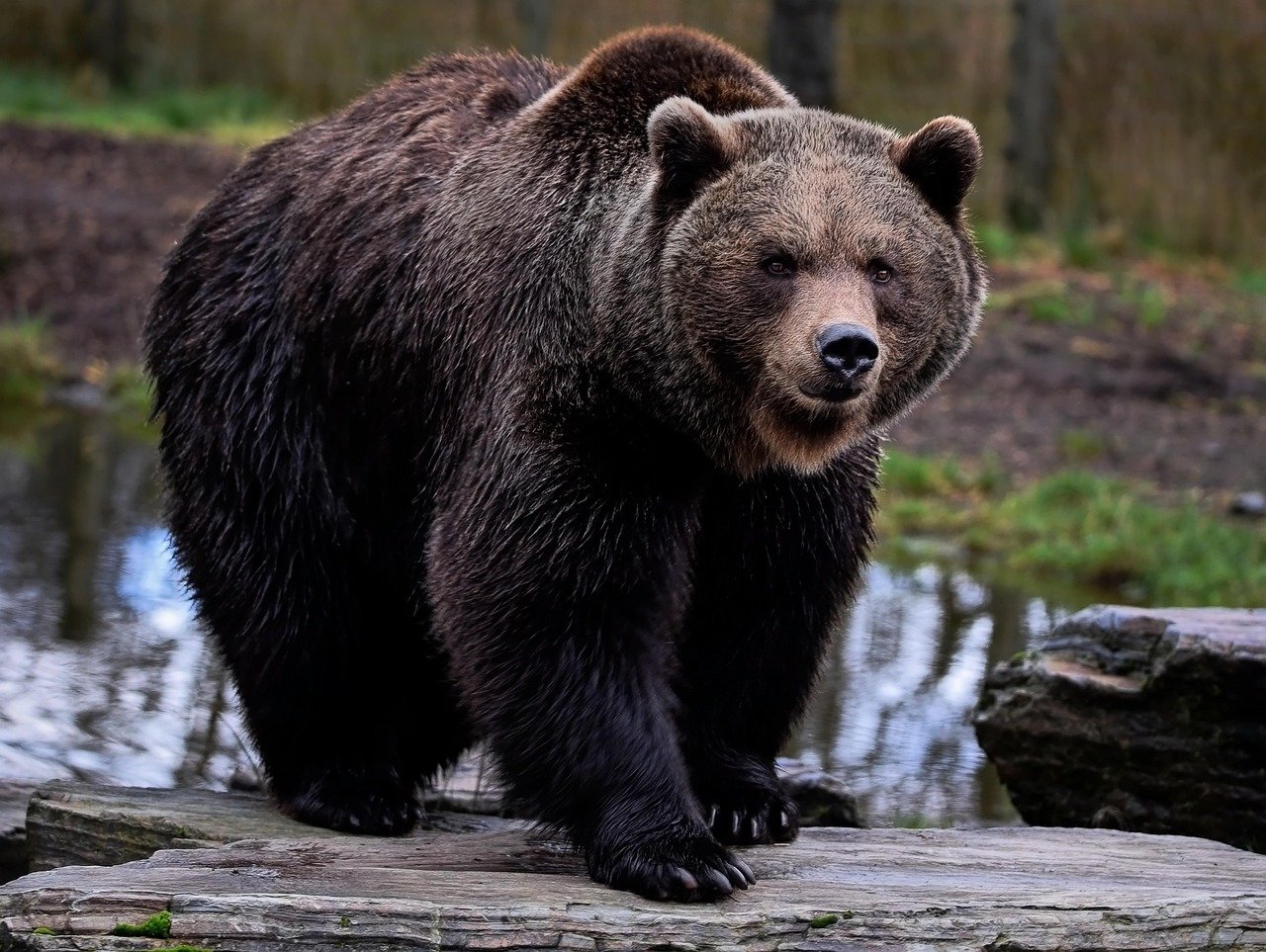

A century after the last grizzly vanished from California’s wildlands, a new study says bringing the state’s iconic animal back isn’t just possible—it’s entirely feasible.
The California Grizzly Alliance has released a 200-page, peer-reviewed report titled Recovering Grizzly Bears in California, assessing whether the Golden State could once again support wild grizzlies. The findings: there are no biological, ecological, legal, or economic barriers preventing their return.
From State Symbol to Extinct
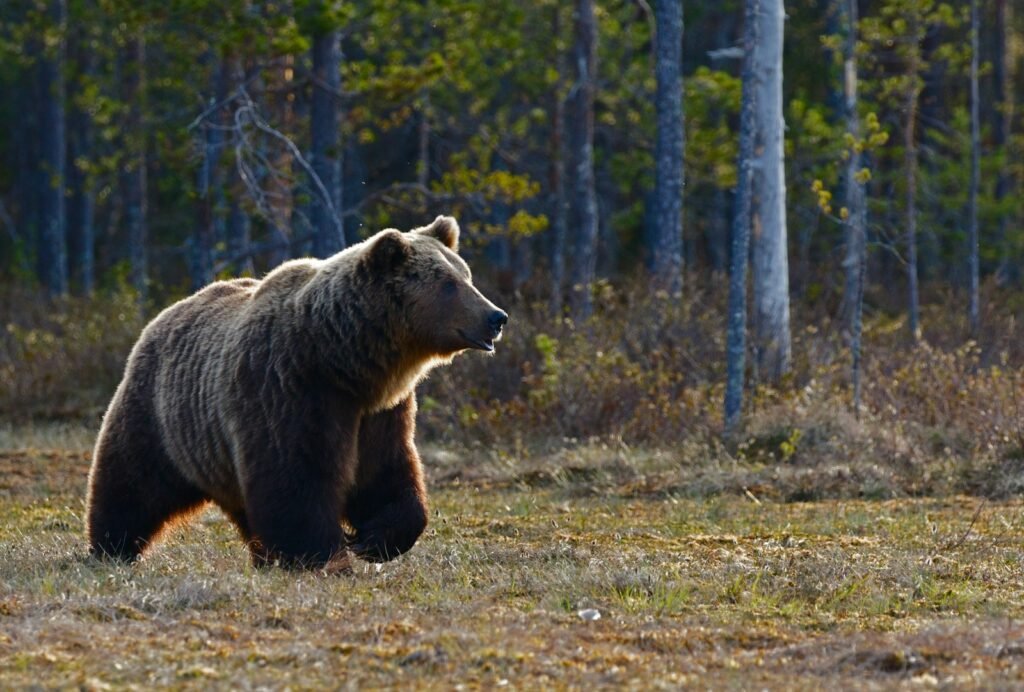
Grizzly bears remain central to California’s identity, appearing on the state flag and seal. Yet despite their symbolic presence, no grizzlies have lived in the state since the early 20th century.
An estimated 10,000 grizzlies once roamed California’s mountains, valleys, and forests. But by 1924—just 75 years after statehood—the last confirmed sighting occurred in Sequoia National Park, following decades of hunting, habitat loss, and persecution. The study highlights how population growth and colonization decimated bear numbers, with sightings becoming rare as early as 1900.
A Decade of Research Behind the Study
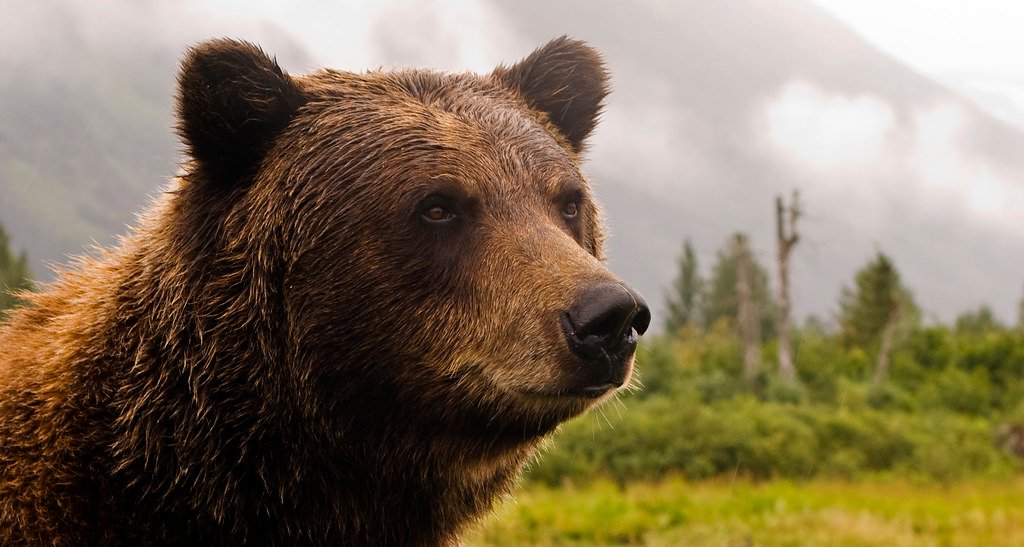
The report represents more than ten years of research by scientists and conservationists examining whether California could again support a healthy population of grizzlies. The findings suggest it could.
The authors analyzed habitat suitability, potential human-bear conflict zones, ecological impact, and public policy frameworks. Their conclusion: California has the space and resources to support grizzlies, especially in remote regions like the Sierra Nevada and Northern California’s wilderness areas. According to the feasibility study, it states that bears should not be forced to remote areas, but instead to “whatever is feasible throughout their historical range.”
“The grizzly bear is far and away the most ecologically and culturally significant species that we have lost from California,” said Brendan Cummings, conservation director at the Center for Biological Diversity, who contributed a legal chapter for the feasibility study. “Fortunately, this study clearly shows that the loss is not irreversible.”
Why Bring Grizzlies Back?
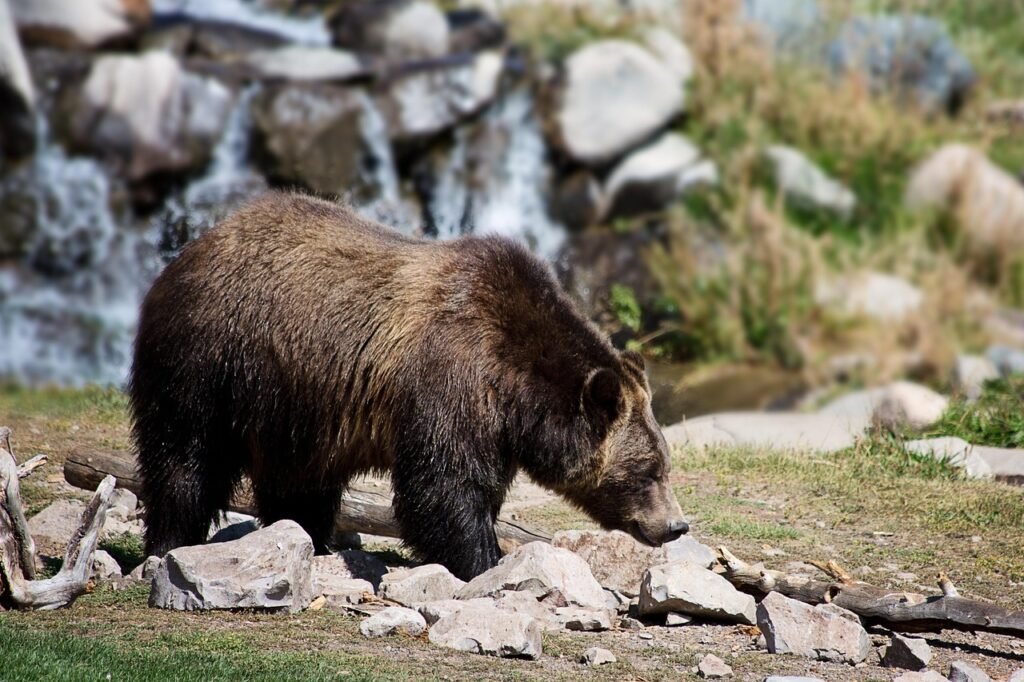
Beyond restoring a powerful symbol, bringing back grizzlies could help revive ecological balance. As apex predators, grizzlies play a vital role in managing prey populations and supporting biodiversity. Their digging, foraging, and natural waste help fertilize and aerate soil—promoting plant growth and nutrient cycling. The bear also holds deep spiritual and cultural significance for California’s Tribal Nations.
“It’s important for people to realize that the grizzly bear isn’t just a symbol on a flag — it was a real animal that shaped California’s ecosystems and holds deep meaning for Tribal Nations across the state,” said Tejon Tribe Chairman Octavio Escobedo III, who contributed a foreword to the feasibility study. “The grizzly was honored and respected not only for its power, but for the balance it helped maintain in the natural world. This study shows that with the right approach, it’s actually possible for the bear to fulfill that role once again.”
A Decision for the Future
The study stops short of making a formal recommendation but frames the return of grizzlies as a matter of public will, not scientific uncertainty. According to the Center for Biological Diversity, two-thirds of Californians agree that grizzly bears should be reintroduced into the state, while only 14% oppose.
However, researchers caution that further study and planning are needed before any reintroduction could begin. That includes identifying areas with minimal potential for human conflict and outlining how to ensure coexistence from the start.
Whether that future includes the return of the grizzly bear is now in the hands of Californians.


