Cats, often celebrated for their independence, possess a profound capacity for forming deep bonds with their human companions. When an owner passes away, these feline friends can exhibit behaviors that suggest a mourning process, challenging the stereotype of the solitary cat.
Recognizing the Signs of Grief in Cats
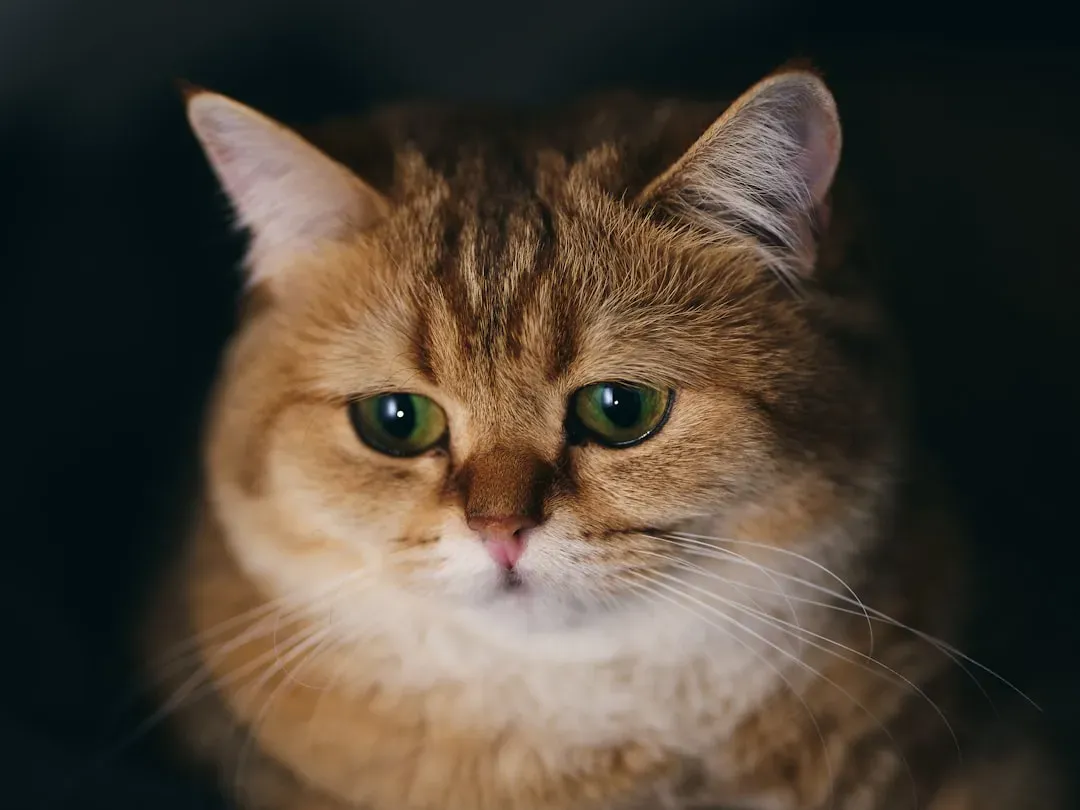
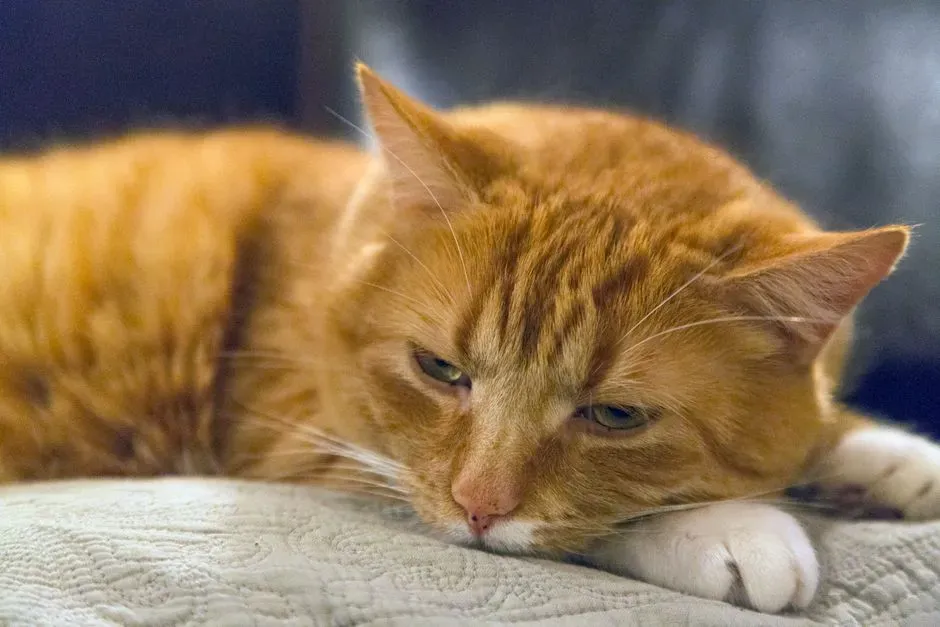
Recognizing the Signs of Grief in Cats (Image Credits: Unsplash)Cats may display a range of behaviors indicating distress after the loss of an owner. These can include decreased appetite, increased vocalization, lethargy, and changes in grooming habits. Some cats might become more clingy, seeking constant attention, while others may withdraw and hide. These behaviors mirror those observed in cats mourning the loss of fellow felines, suggesting a similar emotional response to the absence of a human companion.
The Depth of the Human-Cat Bond
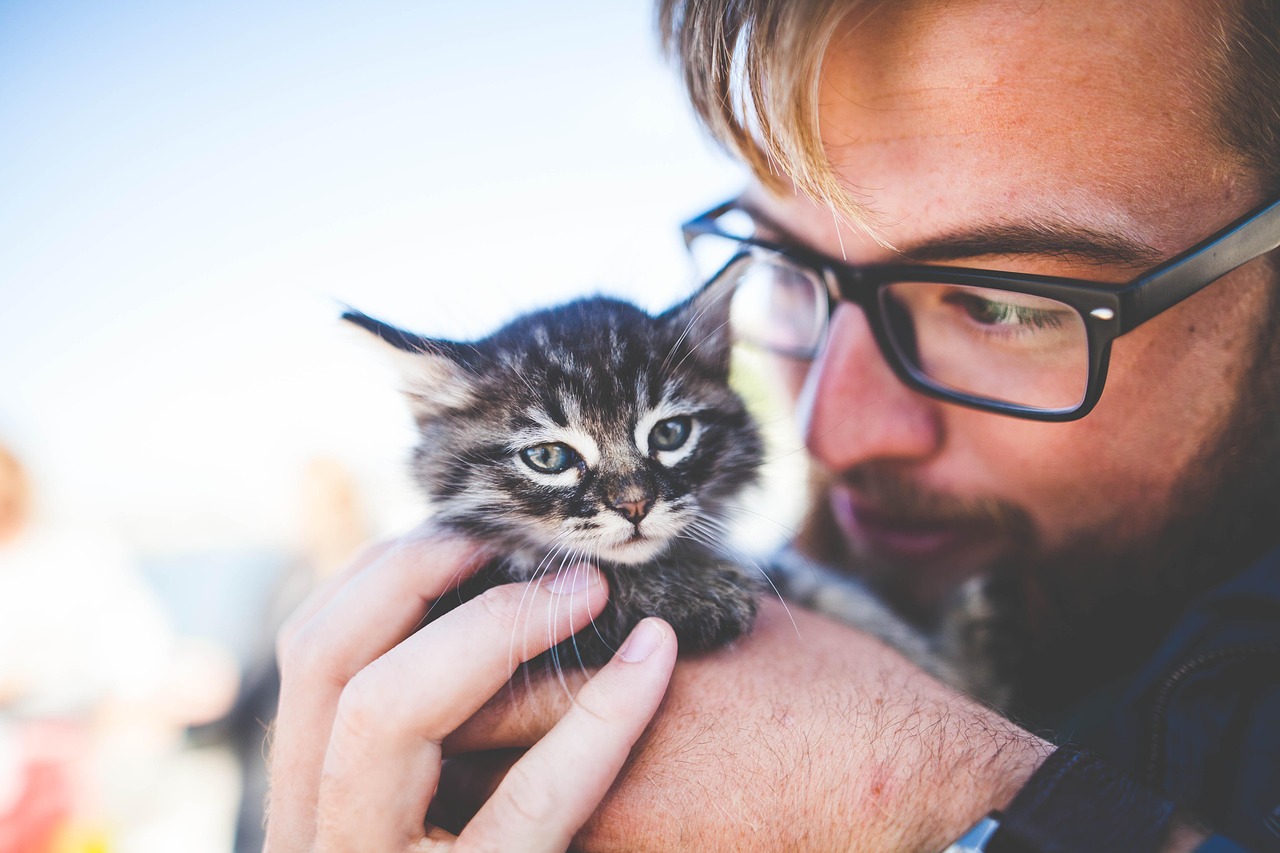
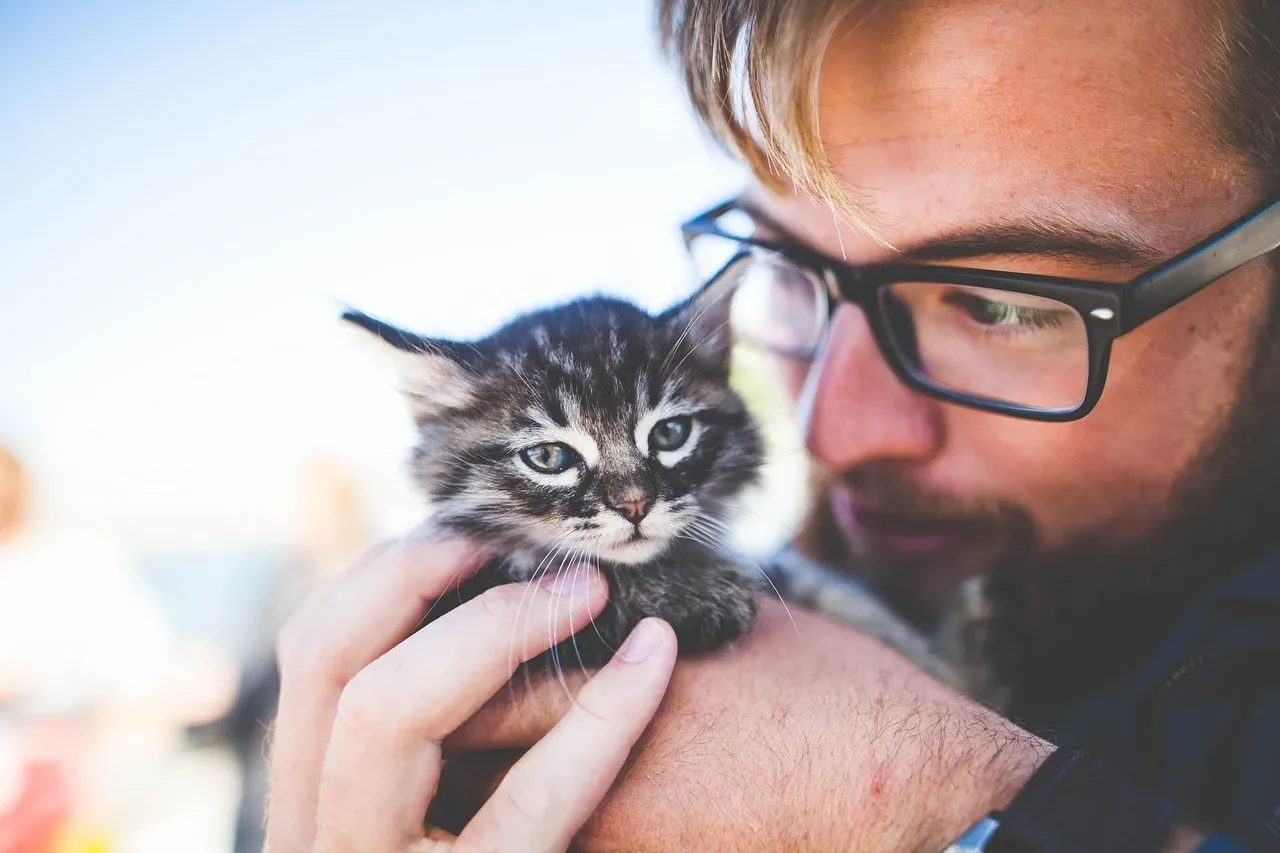
The Depth of the Human-Cat Bond (Image Credits: Pixabay)The relationship between cats and their owners is often underestimated. Cats are capable of forming secure attachments, viewing their owners as sources of safety and comfort. This bond means that the loss of an owner can lead to significant emotional upheaval for the cat, manifesting in behaviors associated with grief.
Understanding Feline Grief
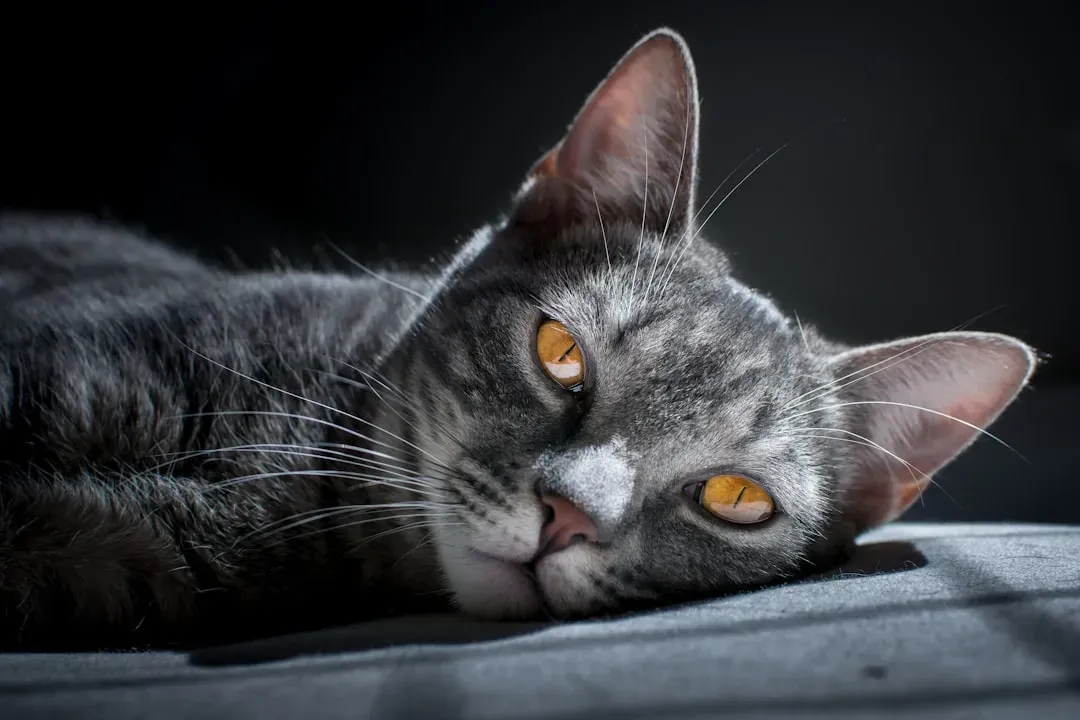
Understanding Feline Grief (Image Credits: Unsplash)While cats may not comprehend death as humans do, they are acutely aware of changes in their environment and routine. The absence of a familiar figure disrupts their daily life, leading to stress and anxiety. This disruption can result in behaviors that are indicative of mourning, such as searching for the missing person or changes in social interactions.
Supporting a Grieving Cat
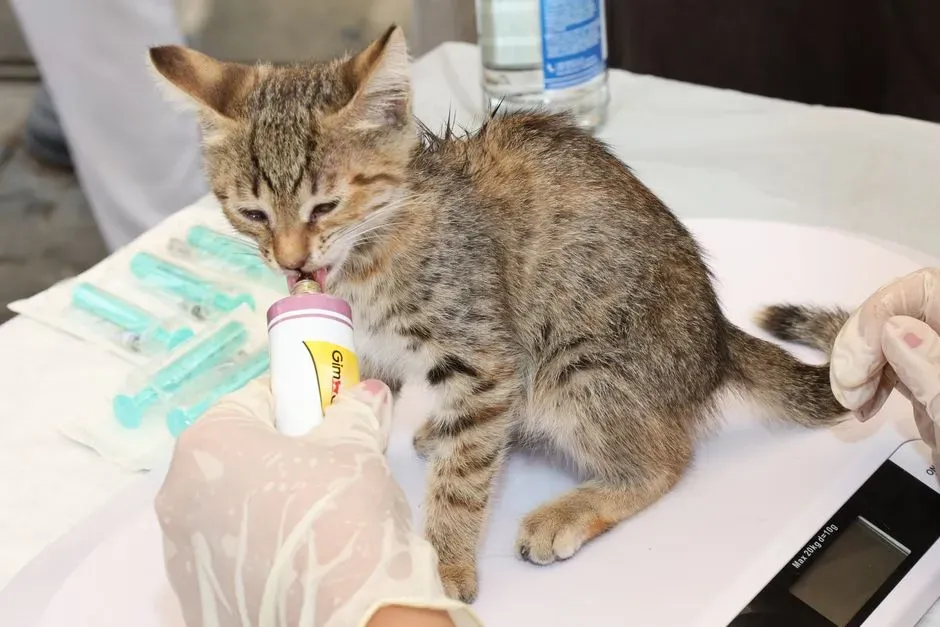
Supporting a Grieving Cat (Image Credits: Pexels)Helping a cat navigate the loss of an owner involves maintaining a consistent routine to provide a sense of stability. Offering extra attention and comfort can also be beneficial. Introducing new forms of enrichment, like toys or interactive play, can help distract the cat and alleviate stress. It’s important to monitor the cat’s health and behavior during this period and consult a veterinarian if concerning changes persist.
The Role of Routine in Recovery
The Role of Routine in Recovery (Image Credits: Pixabay)Cats thrive on predictability. After the loss of an owner, adhering to established feeding times, play sessions, and sleep schedules can provide a sense of normalcy. This consistency helps the cat adjust to the new circumstances and can mitigate some of the stress associated with the loss.
When to Seek Professional Help
When to Seek Professional Help (Image Credits: Pexels)If a cat’s grieving behaviors are severe or prolonged, it may be necessary to seek professional assistance. Veterinarians or animal behaviorists can offer guidance and, if appropriate, recommend interventions to support the cat’s emotional well-being.
Considering a New Companion
Considering a New Companion (Chic Bee, Flickr, CC BY 2.0)Introducing a new pet into the household should be approached with caution. While some cats may benefit from the companionship, others may find it stressful. It’s essential to assess the individual cat’s personality and readiness before making such a decision.In conclusion, cats do exhibit behaviors that suggest they mourn the loss of their owners. Recognizing and understanding these signs allows caregivers to provide the necessary support during such a challenging time. By maintaining routines, offering comfort, and seeking professional advice when needed, we can help our feline friends navigate their grief and adjust to their new reality. Isn’t it remarkable how deeply our pets can feel our absence?