
Dog Psychology Says Dogs Who Suddenly Become Interested in Your Clothes May Be Responding to the Familiar Scent You Leave Behind

If your dog has ever raided your laundry basket, curled up on your hoodie, or dragged your favorite T-shirt onto their bed, it can feel a bit weird at first. Are they being naughty, clingy, or just plain weird? Underneath that funny behavior is something deeply emotional and surprisingly beautiful: your scent is one of the main ways your dog feels close to you when you are not right there.
Dog psychology suggests that when dogs suddenly become fascinated with your clothes, they are not just being mischievous. They may be responding to the familiar, comforting smell you leave behind, using it like a security blanket or a little emotional anchor. Once you see it that way, a stolen sock starts to look less like a bad habit and more like a love letter in dog form.
The Science Of Scent: Why Your Smell Means So Much To Your Dog

One of the most surprising things about dogs is just how overpowering their sense of smell is compared to ours. While we move through the world mainly using our eyes, dogs move through it nose first, building a rich, layered map of scents that holds emotional meaning for them. Your individual scent is woven into that map like a big glowing landmark that screams safety, comfort, and home.
When your dog sniffs your clothes, they are not just noticing that you wore that sweater to the gym yesterday. They are picking up tiny chemical traces related to your skin, sweat, and environment, and linking them to memories of time spent together. That is why your T-shirt on their bed can calm them down the way a favorite childhood blanket might calm a human child – your smell is their shortcut to feeling that you are nearby, even when you are not.
Separation, Anxiety, And The “Comfort Shirt” Effect
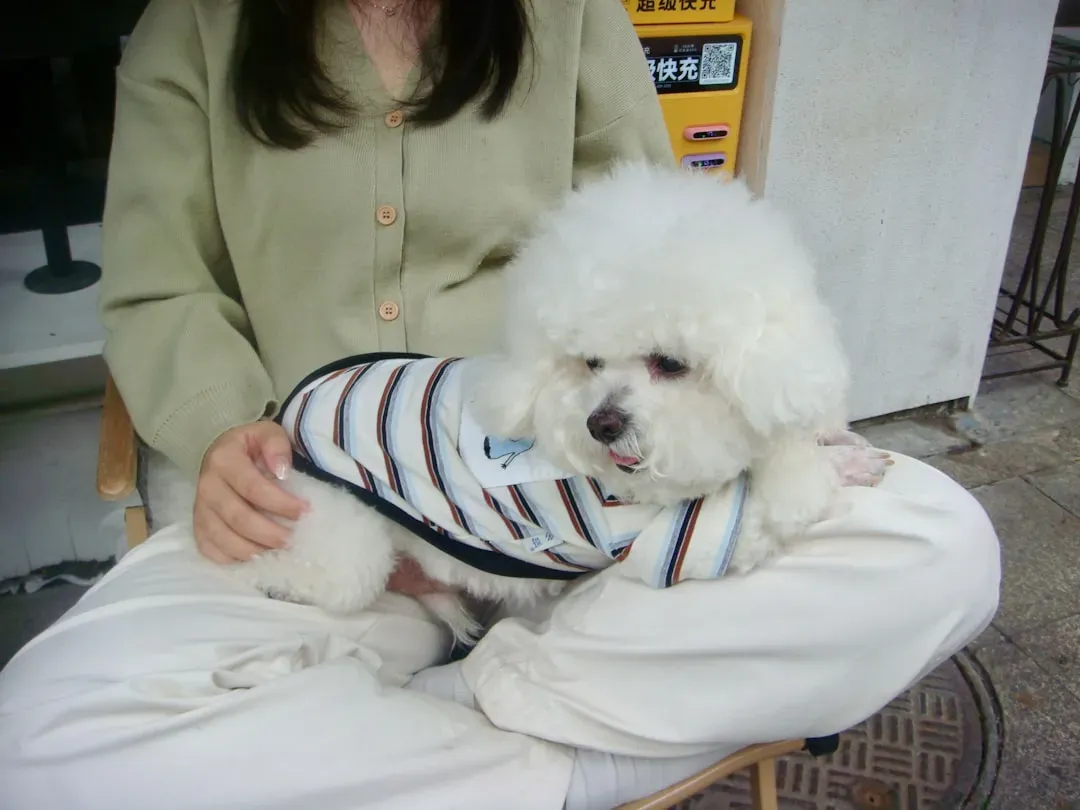
If your dog tends to go for your clothes right after you leave the house, it might be less about mischief and more about managing stress. Many dogs experience some level of separation anxiety or at least mild distress when their favorite human disappears behind the door. Your scent on clothing becomes a coping tool, almost like a little emotional life raft they cling to when the house suddenly feels too quiet and too big.
That “comfort shirt” effect is why some trainers actually suggest leaving a worn T-shirt or pillowcase in the dog’s bed when you are away. For some dogs, it helps reduce stress-related pacing, whining, or destructive chewing by giving them something that feels emotionally grounding. The key thing is to see this not as clinginess in a negative sense, but as your dog trying to soothe themselves in the only way they know how, using the strongest emotional signal they have: your smell.
Why The Obsession Can Seem Sudden Or Out Of Nowhere

It can be confusing when a dog who never seemed very interested in laundry suddenly starts stealing socks or sleeping on your jeans. Sometimes the change is tied to life events, like a new job that keeps you out longer, a move to a new home, a breakup, or even the arrival of a baby. Your dog might be feeling a subtle rise in stress or uncertainty and reaching for something that feels stable and familiar – you.
Other times, the shift might be related to your own scent changing, whether from new medication, diet changes, different skincare, or even a new gym routine. Dogs are incredibly tuned in to these details, and a change in your smell can make them curious, leading them to investigate your clothes more often and more intensely. From their perspective, your jeans are not just jeans anymore; they are a kind of scent-based news feed about what is going on with you and with their world.
Is It Love, Possessiveness, Or Just Comfort? Reading The Behavior
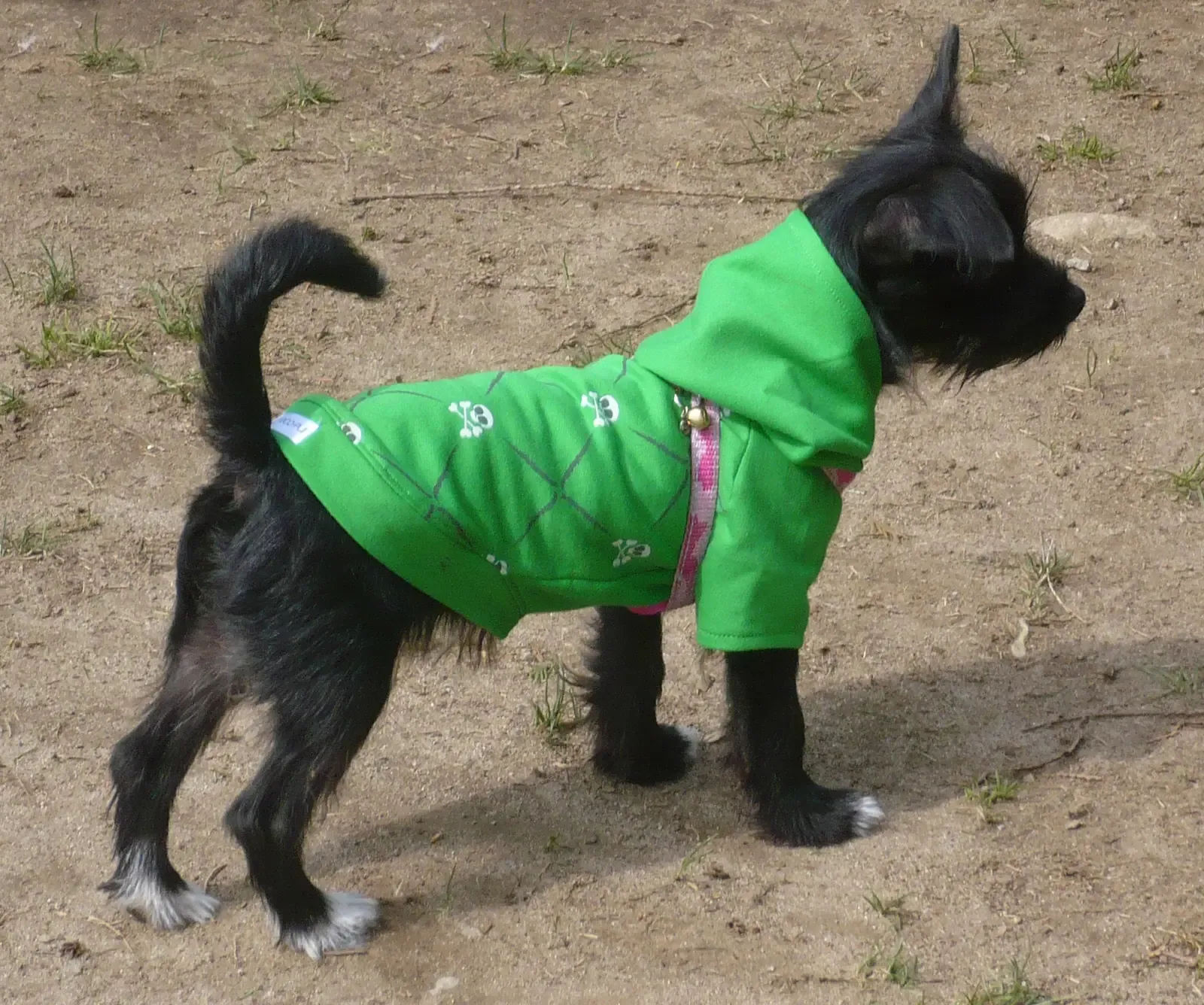
It is tempting to interpret your dog curling up with your sweatshirt as a dramatic gesture of undying love, and honestly, there is a piece of that in there. At the same time, dog psychology suggests the behavior is often about comfort and emotional regulation rather than romantic-style attachment. Your scent is simply associated with good things – food, walks, play, safety – so your clothes become symbols of those experiences and feelings.
In some dogs, there can also be a touch of possessiveness or resource guarding around clothing, especially if they have learned that stealing your socks gets them a big reaction. If your dog freezes, growls, or guards your clothes when you try to take them back, the behavior has moved from sweet to problematic. It is still rooted in emotion and association, but it might need gentle training and better boundaries so your dog can feel secure without turning your closet into a battleground.
When Clothes-Stealing Crosses The Line: Chewing, Ingesting, And Safety
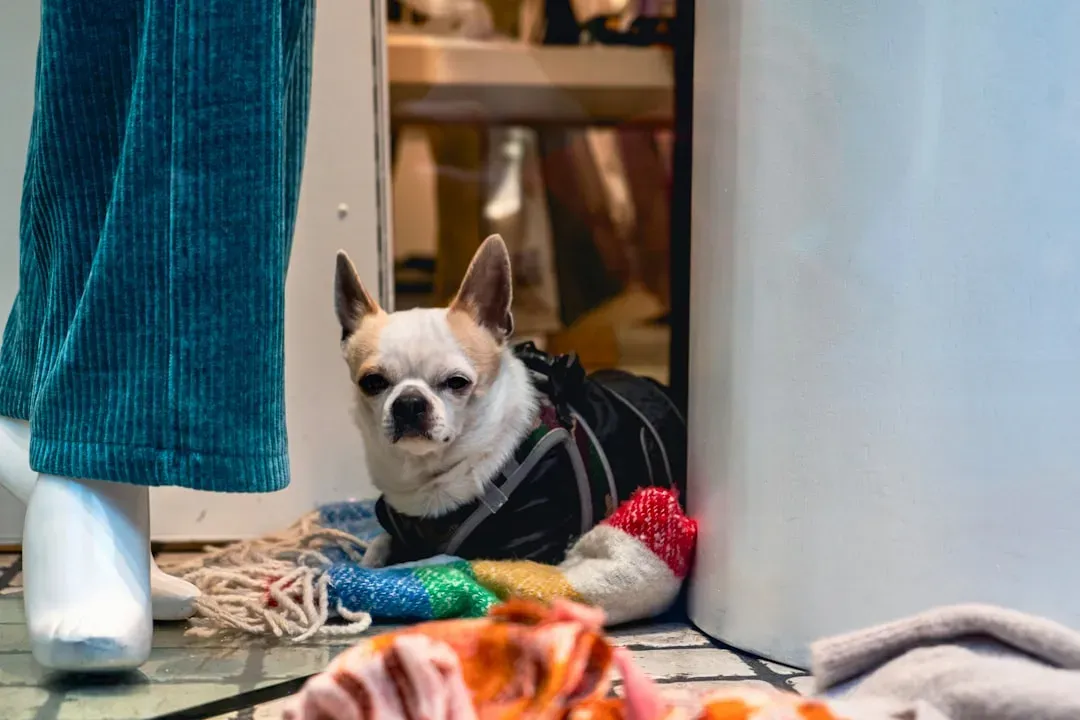
As touching as the “my dog sleeps on my hoodie” story is, there is a less cute side when clothes obsession slides into destructive chewing or swallowing fabric. Some dogs will rip holes in socks, destroy underwear, or even swallow pieces that can cause dangerous blockages in their digestive system. In that case, it is not just a quirky emotional habit – it can become a serious health risk that needs attention.
If you notice your dog regularly destroying or eating clothing, it is worth tightening up laundry management and giving them safer alternatives, like durable chew toys or enrichment puzzles that satisfy their need to mouth and shred things. In some cases, intense fabric chewing can be tied to boredom, stress, or underlying medical or behavioral issues, so talking with a vet or a qualified behavior professional is wise. You are not taking away their comfort when you intervene; you are protecting them and redirecting that emotional need into healthier outlets.
How To Support Your Dog’s Emotional Needs Without Sacrificing Your Wardrobe
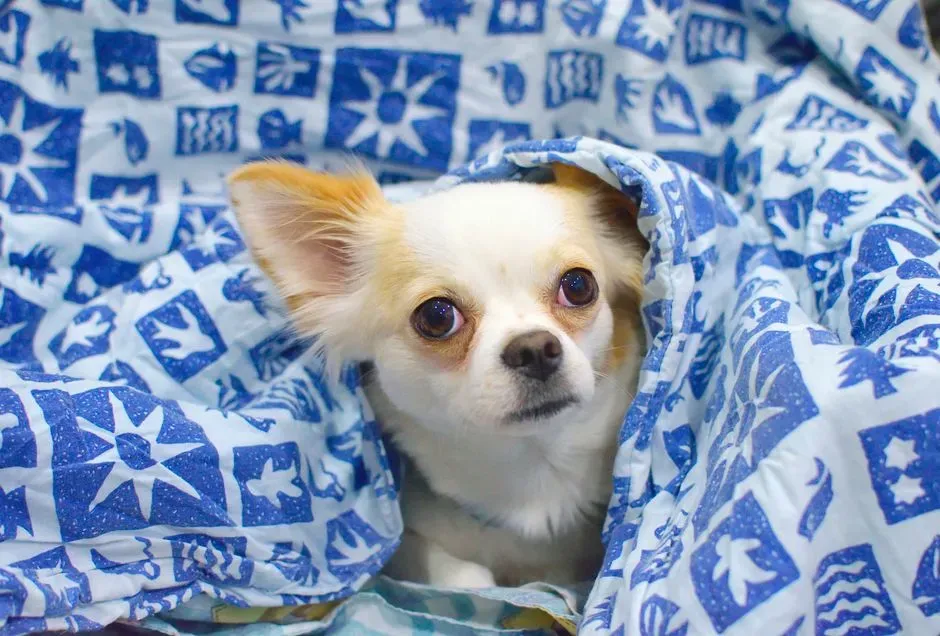
There is a middle ground where you can honor what your dog is trying to communicate without letting your entire closet become fair game. One simple approach is to designate a specific item – like an old T-shirt or blanket with your scent – as their “approved” comfort object. You can place it in their crate, bed, or a favorite spot and gently redirect them there when they start hunting in the laundry basket for something off-limits.
Beyond that, the deeper fix is often about building emotional resilience and security so your dog does not rely only on your smell to feel okay. That might involve gradually working on alone-time training, increasing mental enrichment with sniff-based games, and making sure they get enough physical exercise. From my own experience with a clingy rescue dog, once I started treating his clothes-stealing as a signal of his anxiety instead of a naughty habit, our training changed completely – and so did his confidence.
What Your Dog’s Interest In Your Clothes Really Says About Your Bond

In the end, a dog curled up on your hoodie or hoarding your socks under the bed is not a random quirk – it is a quiet emotional story. Your scent is the thread that ties their world together, and your clothes are simply the most portable, accessible version of you they can find when you are not around. It may look silly on the surface, but underneath it is a mix of attachment, routine, comfort, and sometimes a bit of insecurity.
You do not have to romanticize every stolen sock, but it is hard not to feel something when you realize your dog is literally holding onto the smell of you to feel safe. The behavior may need a little structure, limits, and training, but it is also a powerful reminder of how deeply our lives are intertwined with theirs. If your dog could talk, would they really say anything more than what they are already showing you by choosing your scent, again and again?