

Imagine opening your home to a dog who’s already lived a chapter or two elsewhere. The bond that forms isn’t just heartwarming – it’s a unique connection that science is just starting to unravel.
The Resilience of Adult Dogs in Forming New Attachments

Contrary to the old adage that you can’t teach an old dog new tricks, adult dogs exhibit a remarkable capacity to forge new bonds. Studies have shown that even after experiencing multiple caregiver transitions, these dogs can develop secure attachments with new owners. This adaptability underscores their resilience and the depth of their social nature.
For instance, research involving adult detection dogs revealed that, despite their rigorous training and frequent changes in handlers, they successfully formed new attachment bonds. This ability to connect anew highlights the enduring social flexibility inherent in dogs, regardless of their age or past experiences.
The Role of Oxytocin in Strengthening Human-Dog Bonds

Oxytocin, often dubbed the “love hormone,” plays a pivotal role in the bonding process between humans and dogs. When a dog and its owner share affectionate moments, both experience a surge in oxytocin levels, reinforcing their emotional connection. This biochemical feedback loop fosters trust and deepens the bond over time.
Interestingly, this oxytocin-mediated bonding isn’t exclusive to puppies. Adult dogs, upon forming new relationships with humans, also exhibit increased oxytocin levels during positive interactions. This suggests that the capacity for deep emotional connections isn’t diminished with age but remains a constant throughout a dog’s life.
Unique Behavioral Traits in Adult-Adopted Dogs
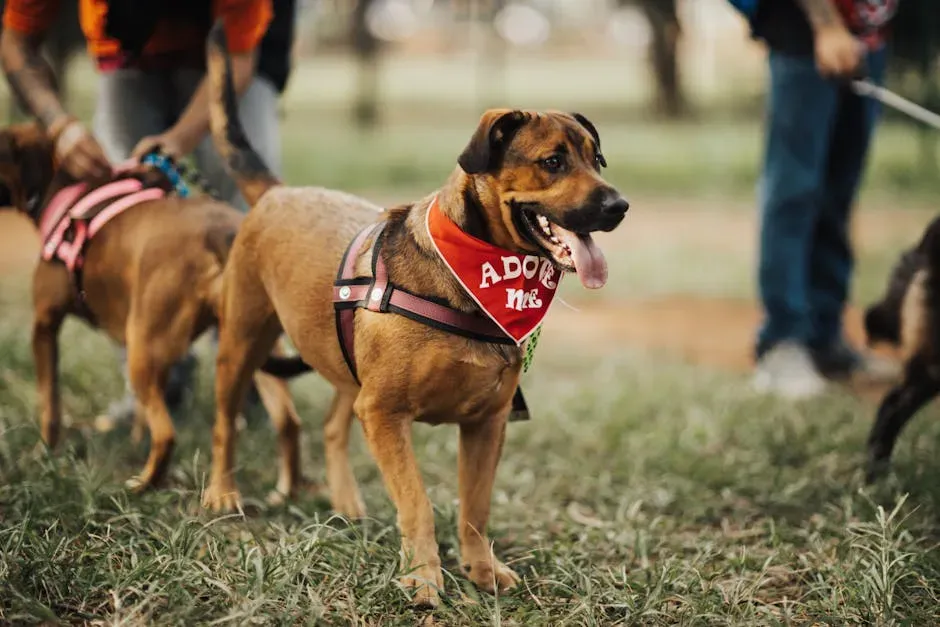
Dogs adopted as adults often display distinct behavioral patterns compared to those raised from puppyhood. They might show heightened sensitivity to their owner’s emotions, possibly due to their varied life experiences. This attunement can lead to a more empathetic and responsive companion.
Additionally, adult-adopted dogs may exhibit a strong desire for proximity and companionship, seeking reassurance and stability in their new environment. This behavior reflects their innate need to establish a secure base, a concept well-documented in attachment theory.
The Impact of Previous Experiences on New Bonds

A dog’s past experiences significantly influence the nature of the bond it forms with a new owner. Dogs with histories of neglect or trauma may initially display cautiousness or anxiety. However, with patience and consistent positive interactions, they can develop trust and form strong, affectionate bonds.
Understanding and acknowledging a dog’s background allows owners to tailor their approach, fostering an environment where the dog feels safe and valued. This personalized care is crucial in helping adult-adopted dogs transition smoothly into their new homes.
Comparing Bonds: Puppies vs. Adult-Adopted Dogs

While puppies and adult-adopted dogs both form attachments to their owners, the nature of these bonds can differ. Puppies often develop bonds characterized by dependency and a learning-based relationship, as they look to their owners for guidance and socialization.
In contrast, adult-adopted dogs may form bonds rooted in mutual respect and companionship. Their previous life experiences contribute to a relationship dynamic where both dog and owner learn from each other, leading to a partnership that is both enriching and balanced.
The Mutual Benefits of Adopting an Adult Dog

Adopting an adult dog offers numerous benefits for both the dog and the owner. For the dog, it provides a second chance at a loving home and the opportunity to form a meaningful bond. For the owner, it brings a companion with a unique personality and life experience, enriching their lives in unexpected ways.
Moreover, the act of adopting an adult dog can be deeply fulfilling, knowing that you’re providing a home to a pet that might otherwise be overlooked. This mutual rescue often leads to a profound and lasting connection.
Conclusion: Embracing the Unique Bonds with Adult-Adopted Dogs

In the end, adopting an adult dog isn’t just about giving them a new home – it’s about embracing a unique journey of mutual growth and understanding. These dogs bring with them stories, resilience, and an unparalleled capacity for love. As science continues to explore these bonds, one thing remains clear: the connections we form with adult-adopted dogs are as profound as they are rewarding. So, if you’re considering adding a furry friend to your family, why not open your heart to an adult dog? You might just find that they’ve been waiting to rescue you all along.


