
Picture this: your fluffy golden retriever gets lost in the woods, and three days later, they show up at your door with a stick, a rabbit, and what looks like a homemade shelter blueprint. Sounds far-fetched? Maybe not as much as you think. While wolves have the reputation as nature’s ultimate survivors, some of our domestic dogs have evolved survival instincts that would make their wild cousins jealous.
Studies reveal that wolves are generally considered smarter than dogs in traditional wild survival scenarios, but wolf pups must mature faster to survive in the wild, whereas domestic dog puppies rely on human care. However, what many people don’t realize is that domestication has created some remarkable survival adaptations in dogs that go beyond what wolves can do. Dogs with the ability to work alongside humans had a higher chance of survival, and were more likely to pass on their traits to the next generation. This partnership approach to survival has produced some truly extraordinary canine capabilities.
So let’s dive into the fascinating world of dogs whose survival game is so strong, they might just teach their wild ancestors a thing or two.
The Adaptability Factor That Changes Everything

Dogs have evolved to learn from humans, displaying higher levels of social intelligence in human-centric environments, essentially becoming more like humans as they lived in a human social environment. This represents a revolutionary survival strategy that wolves simply cannot match. While a wolf might starve waiting for the perfect hunting opportunity, a smart dog will figure out how to open garbage cans, charm food from strangers, or even learn traffic patterns to avoid danger.
These breeds can navigate obstacles, find food, and endure difficult conditions with intelligence, agility, and resourcefulness, standing out for their ability to easily adapt and thrive in various environments. Think about it like this: wolves are specialists, perfected for one type of environment. Dogs? They’re generalists with a PhD in flexibility.
The key difference lies in problem-solving approaches. When dogs encounter difficult problems, they eventually look for human help, while wolves try to figure things out by themselves. This might sound like a weakness, but it’s actually brilliant survival strategy. Why reinvent the wheel when you can use existing resources?
The Primitive Breed Powerhouses

Primitive breeds have retained their ancestral traits, behaving much like their wild ancestors, relying on instincts, independence, and strong survival instincts where they assess situations on their own rather than following commands blindly. These are the dogs that never fully bought into the whole “domestication” thing and kept their wild edge sharp.
These ancient breeds often retain their ancestral behaviors and instincts thanks to little selective breeding over the years, with lineages that can be traced back thousands of years, possessing strong resemblance to original dogs. Breeds like the Basenji, Akita, and Shiba Inu fall into this category.
What makes these breeds special is their independence. They are highly intelligent with excellent problem-solving skills, having had to adapt and survive in various environments, which has honed their ability to think independently and find solutions to challenges. These dogs don’t need a manual for survival – they wrote it themselves.
Arctic Survivors Who Laugh at Winter
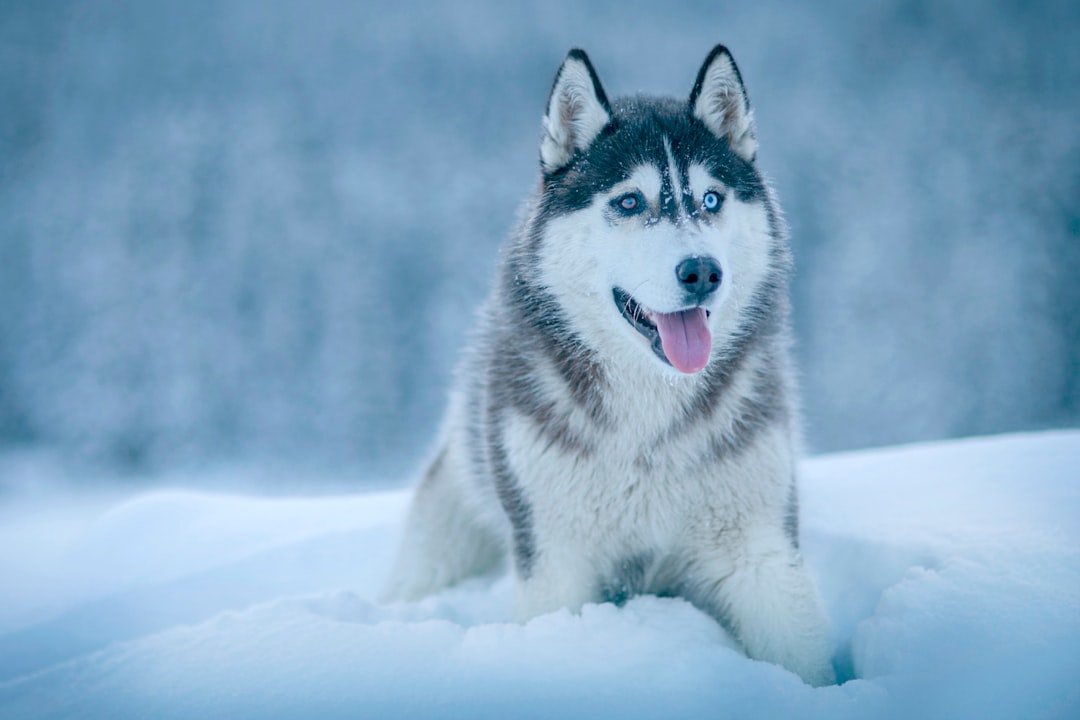
Siberian Huskies are built for survival with their thick double coat and wolf-like features, bred by the Chukchi people to pull sleds and endure freezing temperatures, with high energy levels, intelligence, and pack mentality making them well-suited for life in the wild, plus independent streak and strong hunting instincts. These dogs don’t just survive winter – they throw snow parties.
These dogs can travel great distances on snowy terrains, originating from Siberia where they thrive in extreme cold due to their dense coats, and can work well in teams while conserving energy, highlighting their evolutionary adaptation to icy environments. Imagine having a GPS that also pulls sleds, finds shelter, and keeps you warm at night. That’s basically a husky.
The Alaskan Malamute deserves equal credit here. Like their cousins the Siberian Huskies, Alaskan Malamutes were bred to work in extremely cold climates, known for their endurance and strength, particularly in snowy and icy conditions. These are the tanks of the dog world – built for heavy-duty survival work.
The Tracking and Hunting Specialists
Hounds like Beagles, Bloodhounds, and Coonhounds are well-known for their powerful noses and tracking abilities, prized for their ability to track scent trails for miles, and once they find their target, their instinct to pursue kicks in. These dogs are basically four-legged detective agencies with better noses than any technology we’ve invented.
The Basenji, often called the “barkless dog,” is one of the most primitive breeds in existence, hailing from Central Africa where these agile hunters were used to track and chase prey in dense forests. They developed their silent hunting technique not for stealth points, but because barking would scare away dinner.
What’s remarkable about these breeds is their ability to work independently. While wolves need pack coordination for successful hunts, these dogs can track, locate, and assess prey situations solo. They’re like the special forces of the canine world – highly trained, self-sufficient, and scary good at what they do.
The Ultimate Problem-Solvers
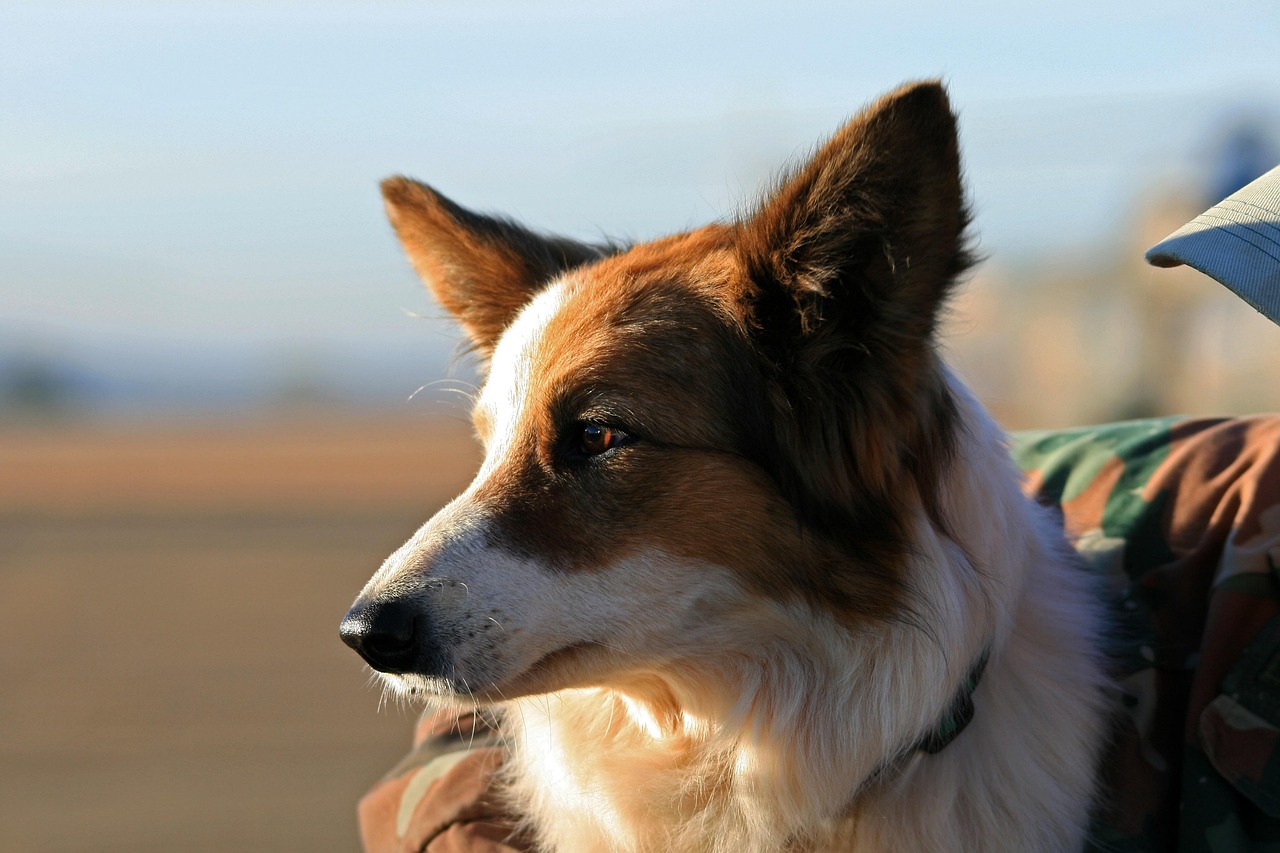
Border Collies are known for their intelligence and problem-solving abilities making them adaptable in challenging situations, with quick thinking and rapid situation assessment, high energy levels and incredible endurance for covering large areas in search of food or shelter, natural tracking and herding instincts, and their combination of intelligence, agility, and perseverance makes them excellent at surviving tough environments. These dogs are basically the honor students who also happen to be survival experts.
German Shepherds are renowned for their intelligence and versatility, making them excellent working dogs with keen sense of smell combined with agility and strength, making them ideal for search and rescue missions in challenging environments, being highly trainable and eager to please so they can quickly adapt to different survival scenarios.
The Belgian Malinois rounds out this intelligence trio. Belgian Malinois have gained recognition for military and police work, but their skills are equally suited for wilderness survival, known for their high drive and determination, being relentless in pursuit of tasks, with athletic build and agility allowing them to navigate difficult terrains with ease, being highly trainable and quickly adapting to new environments.
Water Warriors and Aquatic Aces

Chesapeake Bay Retrievers are known for their love of water and exceptional retrieving abilities, developed for hunting in the Chesapeake Bay area as strong swimmers with keen sense of smell, and their dense, water-resistant coat protects them from cold and wet conditions, making them ideal for survival in coastal or riverine environments. These dogs are practically aquatic mammals that just happen to have fur.
Labrador Retrievers are known for their friendly nature and versatility making them excellent candidates for wilderness survival, being strong swimmers with natural love for water ideal for aquatic environments, with intelligence and trainability meaning they can quickly adapt to different survival scenarios, and their combination of strength, intelligence, and adaptability makes them well-equipped for life in the wild.
Think of these breeds as the Navy SEALs of the dog world. They can operate equally well on land or in water, making them incredibly versatile survivors. While a wolf might hesitate at a river crossing, these dogs are already planning their swimming strategy and checking the current for the best fishing spots.
The Desert Champions
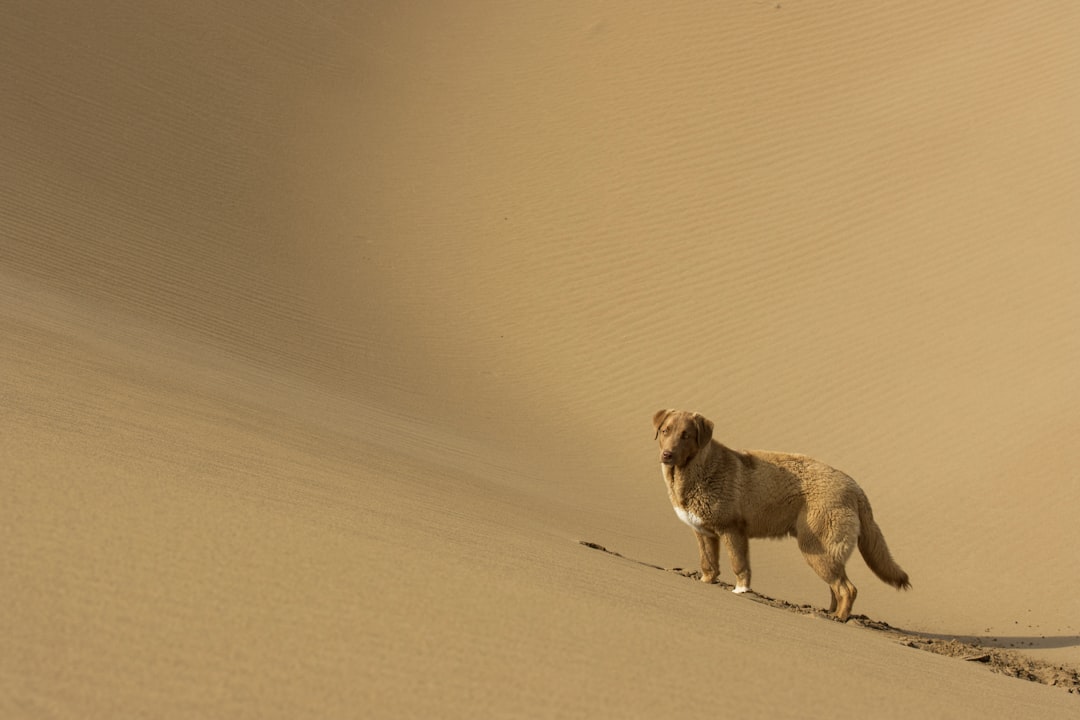
Canaan Dogs, bred from feral dogs in Israel, excel in desert environments with their ability to find water and shelter in barren landscapes highlighting their resilience, and were used historically as messengers and guards, showing their survival instincts are deeply ingrained and tested over centuries. These dogs wrote the survival manual for one of Earth’s most challenging environments.
The Canaan Dog is the national dog of Israel with lineage stretching back to biblical times, initially surviving in the wild deserts of the Middle East, guarding flocks and alerting humans to danger. When your resume includes “survived biblical times,” you know you’re dealing with serious survival credentials.
Many modern Canaans were captured and tamed from wild populations in the 20th century, with sharp instincts making them naturally wary of strangers, extremely alert, and very territorial. These dogs have recent wild experience, giving them street cred that most domestic breeds simply can’t match.
Modern Survival Success Stories

Community dogs who free roam show remarkable toughness during adolescence, being highly independent and resourceful. These modern examples prove that survival instincts aren’t just historical curiosities – they’re active, thriving traits in today’s dogs.
High survival potential dogs include Huskies, Malamutes, German Shepherds, and Canaan Dogs, with moderate potential including Terriers, Border Collies, and Belgian Malinois. Factors like coat type, prey drive, stamina, and even paw toughness can make a big difference in survival scenarios.
What’s fascinating is how these survival traits show up in everyday life. Dogs retain many ancestral instincts like foraging, guarding, and pack behavior, showing up in everyday ways like burying food, barking at perceived threats, or circling before lying down. Your dog’s weird habits might actually be survival techniques in disguise.
Looking at today’s rescue dogs and working breeds, we see these survival instincts in action daily. Search and rescue dogs regularly outperform human searchers in challenging conditions. Military working dogs adapt to extreme environments worldwide. Even therapy dogs show remarkable emotional intelligence and adaptability that helps humans survive psychological challenges.
What makes modern dogs remarkable survivors isn’t just their physical capabilities, but their emotional and social intelligence. They’ve learned to read human emotions, anticipate needs, and form survival partnerships that benefit both species. That’s evolution working at its finest.
Conclusion

The next time someone tells you that wolves are superior survivors, smile and think about your dog’s incredible toolkit. These domesticated descendants have traded some raw hunting prowess for something far more valuable: adaptability, partnership skills, and the intelligence to thrive in any environment alongside their human companions.
While wolves remain impressive predators in their natural habitat, dogs have evolved into something wolves never could be – ultimate survival partners who can adapt to any situation, solve complex problems, and turn any challenge into an opportunity for teamwork. They’ve basically evolved from lone warriors into strategic allies, and honestly, that might be the smartest survival move in evolutionary history.
What do you think about it? Does your dog show signs of these incredible survival instincts?


