
Empathy Studies Demonstrate Dogs Respond to Human Distress Signals with Conspicuous Prosocial Comforting Behaviors

Imagine you’re feeling down, and your dog comes over, rests their head on your lap, and looks up at you with those soulful eyes. It’s a scene many dog owners know well. But is this just a coincidence, or do our canine companions truly sense and respond to our emotions? Recent studies suggest that dogs not only recognize human distress but actively engage in behaviors to comfort us.
Dogs’ Sensitivity to Human Emotions

Dogs have evolved alongside humans for thousands of years, developing an uncanny ability to read our emotional cues. This deep bond has led researchers to investigate whether dogs can discern and react to human emotions, particularly distress.
In a notable study, dogs were exposed to human crying, talking, and humming. The results were telling: dogs approached the person more frequently during crying episodes, displaying behaviors consistent with empathy, such as nuzzling and licking. This suggests that dogs are not only attuned to human emotions but are also motivated to offer comfort.
Emotional Contagion in Canines

Emotional contagion refers to the phenomenon where one individual’s emotions trigger similar emotions in others. In the context of dogs, this means they might “catch” our feelings, especially distress.
Research has shown that when dogs hear a human infant crying, both their cortisol levels and alertness increase, mirroring the physiological responses observed in humans. This indicates that dogs experience a form of emotional contagion, aligning their emotional state with ours during moments of distress.
Prosocial Behaviors in Response to Human Distress

Beyond merely sensing our emotions, dogs often take action to alleviate our discomfort. This prosocial behavior is a testament to their deep connection with humans.
In experiments where owners feigned distress behind a barrier, many dogs attempted to reach them, some even opening doors to provide assistance. Such actions highlight the lengths to which dogs will go to comfort their human companions, underscoring their role as empathetic partners.
Familiarity and Empathetic Responses

The depth of the bond between a dog and a human can influence the dog’s empathetic responses. Familiarity plays a crucial role in how dogs react to human emotions.
Studies have found that dogs are more likely to exhibit comforting behaviors towards their owners than towards strangers. This suggests that the strength of the human-dog relationship enhances the dog’s propensity to respond empathetically, emphasizing the importance of the bond in eliciting such behaviors.
Limitations and Individual Variations

While many dogs display empathetic behaviors, it’s essential to recognize that not all dogs respond in the same way. Individual differences, past experiences, and even breed can influence a dog’s reaction to human distress.
Some dogs may be more reserved or less inclined to engage in comforting behaviors, not due to a lack of empathy but perhaps because of their unique personalities or histories. Understanding these variations is crucial for interpreting canine behavior accurately.
Implications for Human-Canine Relationships
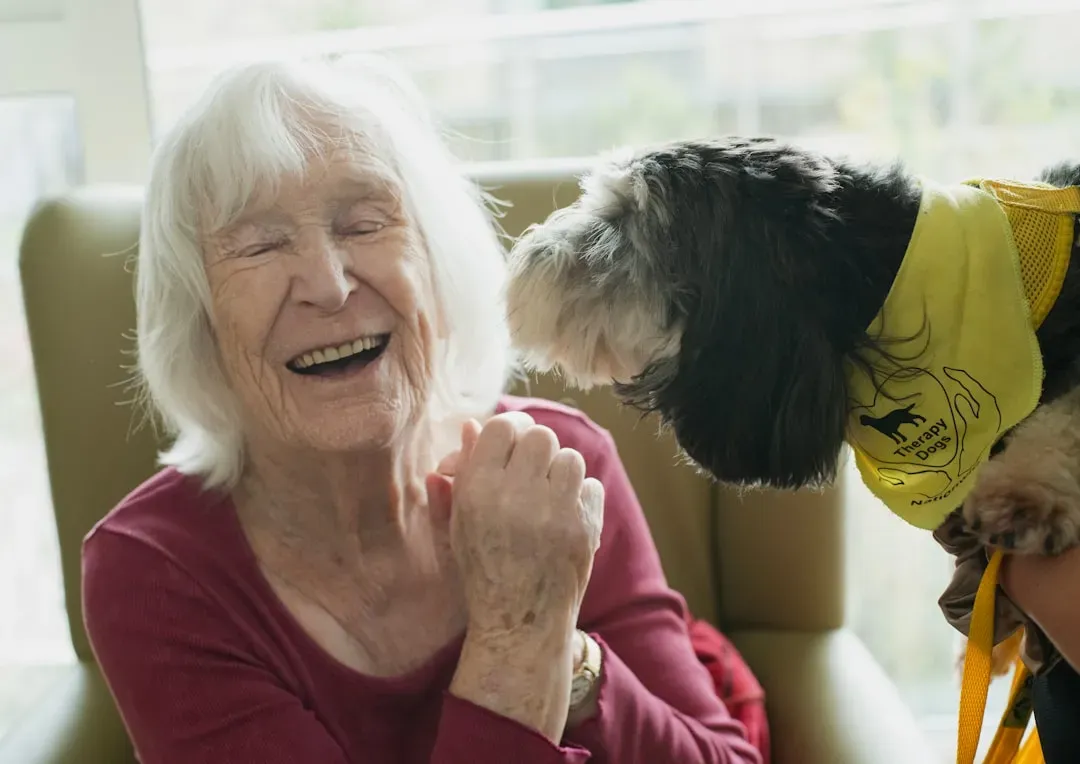
The evidence of dogs’ empathetic responses has profound implications for our relationship with them. Recognizing their capacity for empathy can deepen our appreciation and strengthen the bond we share.
Moreover, this understanding can inform therapeutic practices, such as animal-assisted therapy, where dogs play a role in providing emotional support to individuals in need. Their natural inclination to comfort makes them invaluable companions in various settings.
Conclusion

In conclusion, the body of research indicates that dogs are not just passive observers of human emotions but active participants in our emotional lives. Their ability to sense and respond to our distress with comforting behaviors speaks volumes about the depth of our interspecies bond. As we continue to explore this connection, one can’t help but wonder: how much more do our loyal companions understand about us than we give them credit for?