
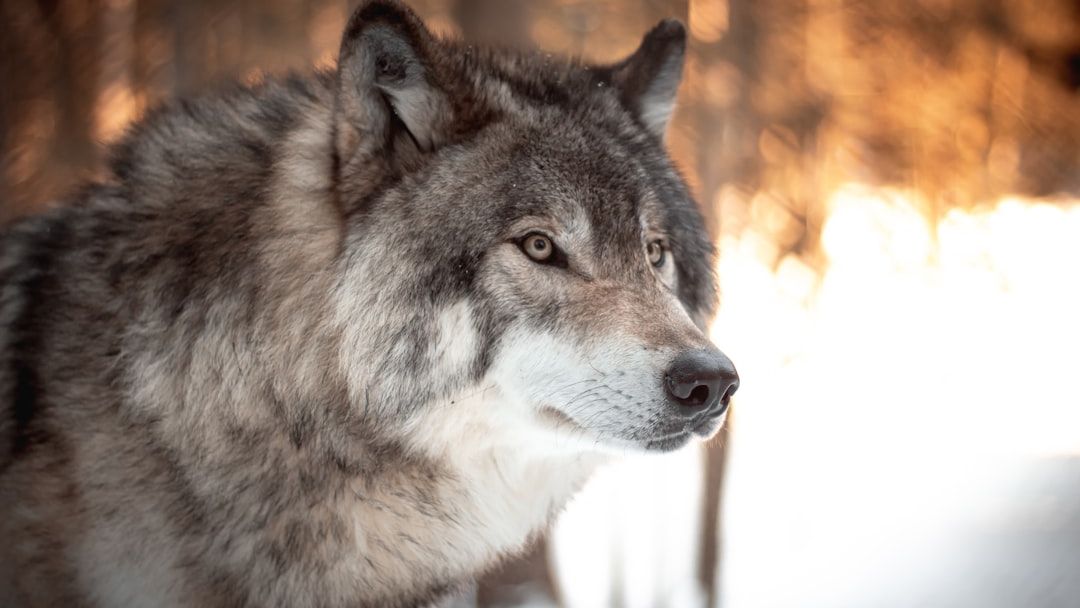
Sequoia National Park has recorded a rare and noteworthy visitor. A female gray wolf identified as BEY03F has been observed inside the park, representing the first publicly documented appearance of the species there in more than a century. The confirmation, issued by a wolf advocacy group, underscores a gradual shift in the animal’s range across California’s protected landscapes.
Details Behind the Confirmation
The individual in question carries the tracking designation BEY03F, which identifies her as a female. Advocacy organizations that monitor wolf movements across the state released the information after verifying the sighting through established tracking methods. This step ensures the record remains accurate and available for further scientific review.
Park boundaries now include documented evidence of the wolf’s presence. Researchers and conservation teams can use the data to refine their understanding of how individual animals move between different habitats in the region.
Why the Event Stands Out
Gray wolves once occupied much of the American West before widespread declines reduced their numbers. The current sighting in Sequoia National Park adds a specific data point to ongoing efforts that track population recovery. Such records help illustrate how protected areas can support wildlife returning to former territories.
Advocates note that each verified observation contributes to a clearer picture of connectivity between wolf groups. Continued documentation will likely focus on the animal’s movements and any interactions with the local environment.
What matters now is the addition of this confirmed record to the broader monitoring of gray wolf activity in California’s national parks and surrounding lands.
Looking Ahead for Regional Wildlife
Wildlife managers expect to maintain surveillance of the area in the coming months. The presence of BEY03F offers a concrete example of how species can reappear in locations long absent from their known range. Future observations will help determine whether additional wolves follow similar paths.
Conservation groups continue to emphasize the value of accurate reporting in these cases. The sighting in Sequoia National Park stands as one more piece in the larger story of wildlife adapting to changing conditions across the state.


