

Ever noticed your dog gazing longingly out the window or pacing restlessly when you’re not around? It’s heart-wrenching to think our furry friends might be feeling lonely. Dogs, by nature, are social creatures, and sometimes, our companionship might not be enough. But how can you tell if your dog is yearning for a four-legged friend? Let’s delve into the signs and considerations to help you make an informed decision.
Recognizing Signs of Loneliness in Your Dog

Dogs communicate their feelings through behavior. If your once well-behaved pup starts chewing furniture, digging holes, or barking excessively, it might be more than just mischief. These behaviors can be cries for attention, indicating boredom or loneliness. Similarly, a sudden loss of appetite or disinterest in favorite toys and activities can signal emotional distress. It’s essential to observe these changes and consider their underlying causes.
Another telltale sign is clinginess. If your dog follows you from room to room, unable to settle when you’re out of sight, they might be seeking constant companionship. While it’s heartwarming to be your dog’s favorite person, such behavior can indicate that they’re not getting enough social interaction during the day.
Assessing Your Dog’s Social Preferences

Not all dogs are the same. Some thrive in the company of other canines, while others prefer human companionship. Pay attention to how your dog interacts with other dogs during walks or at the park. Do they approach with a wagging tail and playful demeanor, or do they shy away, showing signs of discomfort? A dog that enjoys playing with others might benefit from a companion at home.
However, if your dog shows aggression or fear towards other dogs, introducing a new pet might not be the best solution. It’s crucial to respect your dog’s individual personality and comfort levels when considering adding another member to your household.
Evaluating Your Lifestyle and Environment

Before bringing another dog into your home, reflect on your current lifestyle. Do you have the time, energy, and resources to care for an additional pet? Remember, another dog means more food, vet visits, and attention. It’s not just about your dog’s needs but also about your capacity to provide a loving and stable environment for both animals.
Consider your living space as well. Do you have enough room for two dogs to coexist comfortably? Overcrowding can lead to stress and territorial disputes. Ensuring that each dog has its own space and resources is vital for a harmonious household.
Potential Benefits of a Canine Companion

Introducing a second dog can offer numerous advantages. Companionship can alleviate feelings of loneliness, providing your dog with a playmate and confidant. This can lead to increased physical activity, as they chase and play together, promoting better health and reducing the risk of obesity.
Moreover, having another dog can provide mental stimulation, keeping boredom at bay. The presence of a companion can also ease separation anxiety, as your dog won’t be entirely alone when you’re away. Witnessing the bond between two dogs can be a heartwarming experience, enriching your household’s dynamics.
Challenges to Consider

While the benefits are enticing, it’s essential to be aware of potential challenges. Introducing a new dog can disrupt the existing hierarchy, leading to territorial disputes or jealousy. Proper introductions and monitoring are crucial to ensure a smooth transition.
Additionally, training two dogs can be more demanding. They might pick up each other’s bad habits, making consistency in training even more critical. Financially, the costs double, from food to medical expenses. It’s a commitment that requires careful consideration and planning.
Steps to Introduce a New Companion

If you’ve decided to bring another dog into your home, take it slow. Start with neutral territory introductions, like a park, to prevent territorial behavior. Observe their interactions closely, looking for signs of aggression or discomfort.
At home, provide separate spaces for each dog initially, allowing them to adjust at their own pace. Gradually increase their time together, always supervising their interactions. Patience and positive reinforcement are key to building a harmonious relationship between your dogs.
Alternative Solutions to Combat Loneliness
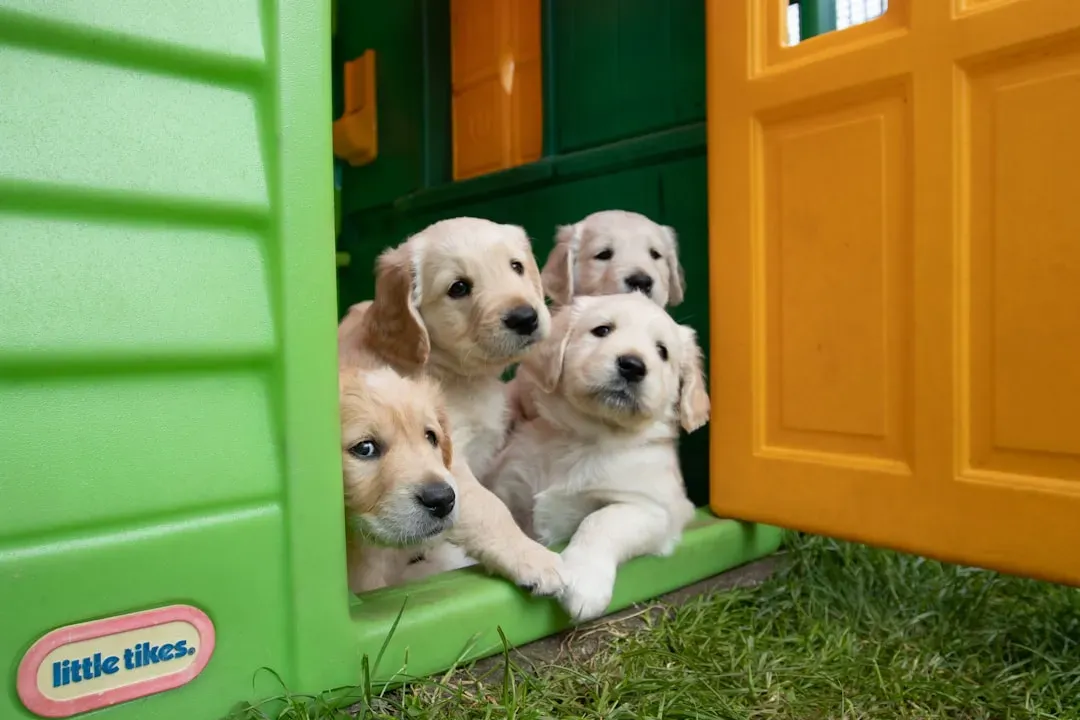
If adding another dog isn’t feasible, there are other ways to address your dog’s loneliness. Increase interactive playtime, introduce new toys, or consider doggy daycare for socialization. Regular walks and exposure to different environments can also provide mental stimulation and reduce feelings of isolation.
Sometimes, hiring a pet sitter or arranging playdates with other dogs can offer the companionship your dog craves without the long-term commitment of another pet. It’s about finding a balance that suits both your lifestyle and your dog’s needs.
Conclusion

Deciding to get a companion for your dog is a significant decision that shouldn’t be taken lightly. While the idea of doubling the joy is appealing, it’s essential to weigh the benefits against the challenges. Understanding your dog’s personality, assessing your capacity, and considering alternative solutions are crucial steps in making the right choice. After all, our primary goal is to ensure the happiness and well-being of our beloved canine companions. So, is your dog ready for a new friend, or are there other ways to fill their days with joy?


