
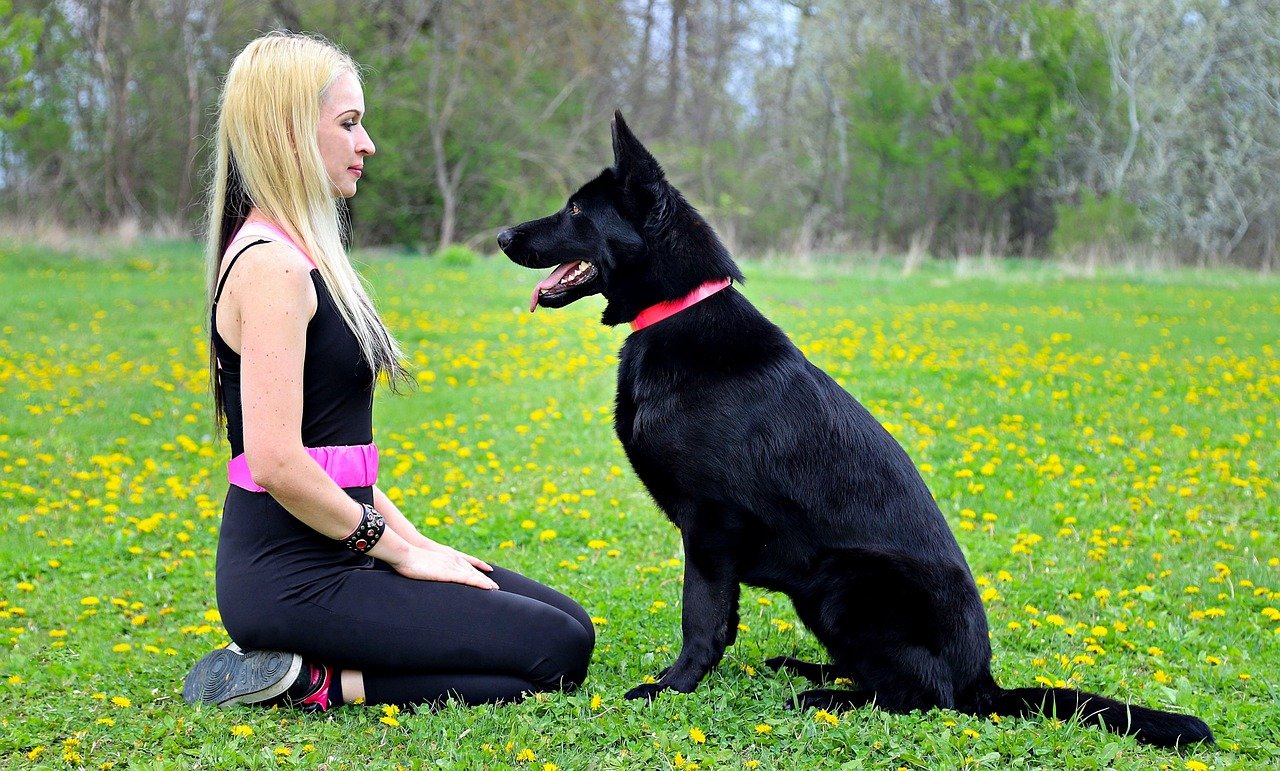
Picture this: your dog’s tail wagging so enthusiastically their entire body wiggles, eyes bright and focused entirely on you, ready to tackle any challenge you present. This isn’t just a happy dog – this is a dog who s you completely. This magical connection doesn’t happen overnight, but it’s absolutely achievable through one powerful approach: positive reinforcement training.
Dogs from positive training schools universally performed better at tasks researchers put in front of them, and dogs from aversive schools displayed considerably more stress. The science is crystal clear – positive methods don’t just teach behaviors, they build the kind of deep, unshakeable that transforms your relationship forever. Let’s dive into how this remarkable process works and why your dog’s brain is practically wired to love it.
The Neuroscience Magic Behind Every Reward
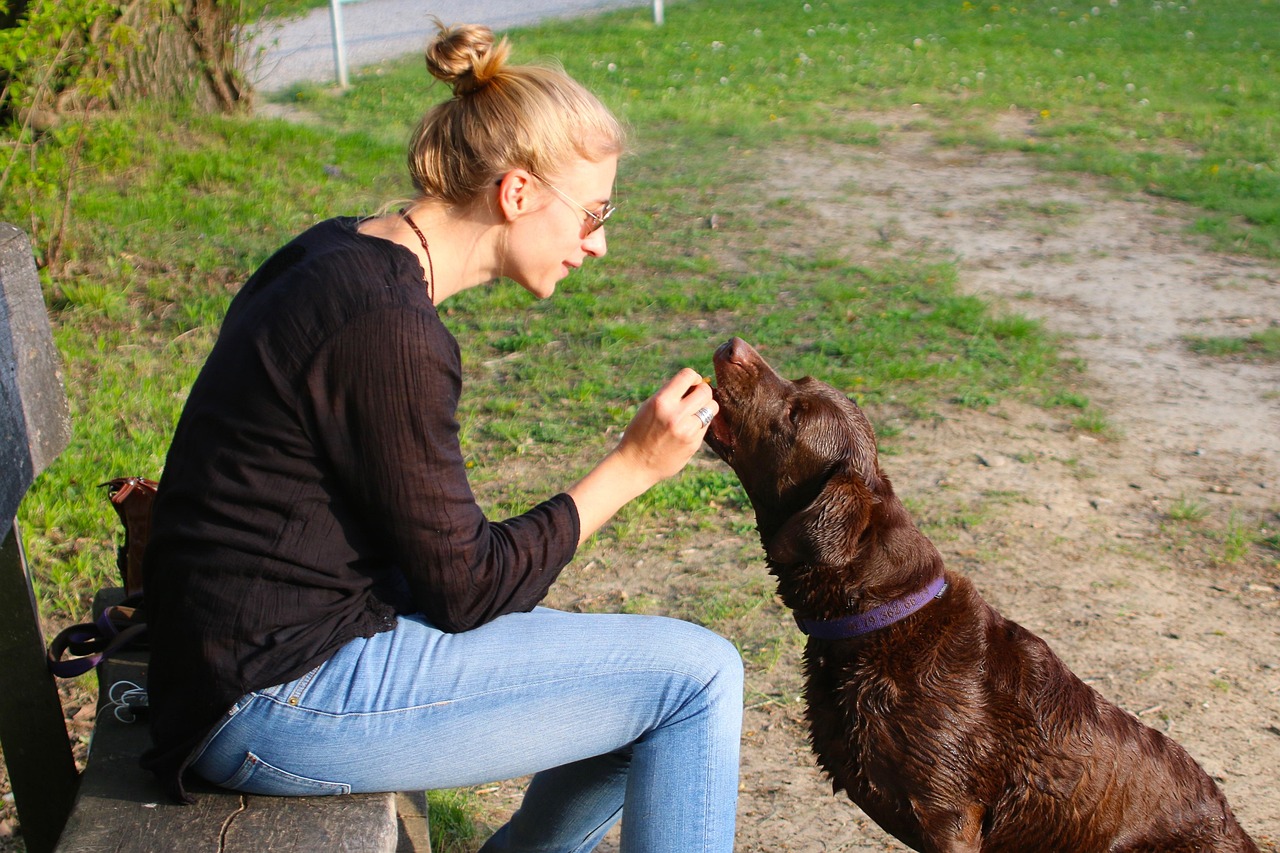
When you reward your dog for good behavior, something absolutely fascinating happens in their brain. When dogs receive a treat or praise, their brains release dopamine, a neurotransmitter associated with pleasure, reward, and motivation. Over time, the behavior that leads to this pleasurable outcome becomes more ingrained, thanks to these neurochemical pathways.
Think of dopamine as your dog’s internal cheerleader. It’s more about the drive to seek out happiness. Because in order to make dog training addictive to our dogs, we have to ensure that our dogs are getting that dopamine release when they are working with us. This isn’t just feel-good science – it’s the foundation of trust.
When a puppy is positively reinforced for a behaviour, their brain releases a cocktail of chemicals that strengthen learning and encourage repetition. At the centre of this process is dopamine, a neurotransmitter linked to motivation, pleasure, and reinforcement.
Your dog’s brain literally rewires itself to associate you with wonderful things. Every successful training moment creates stronger neural pathways, making trust feel as natural as breathing to your furry friend.
Why Timing Creates Trust Faster Than Anything Else
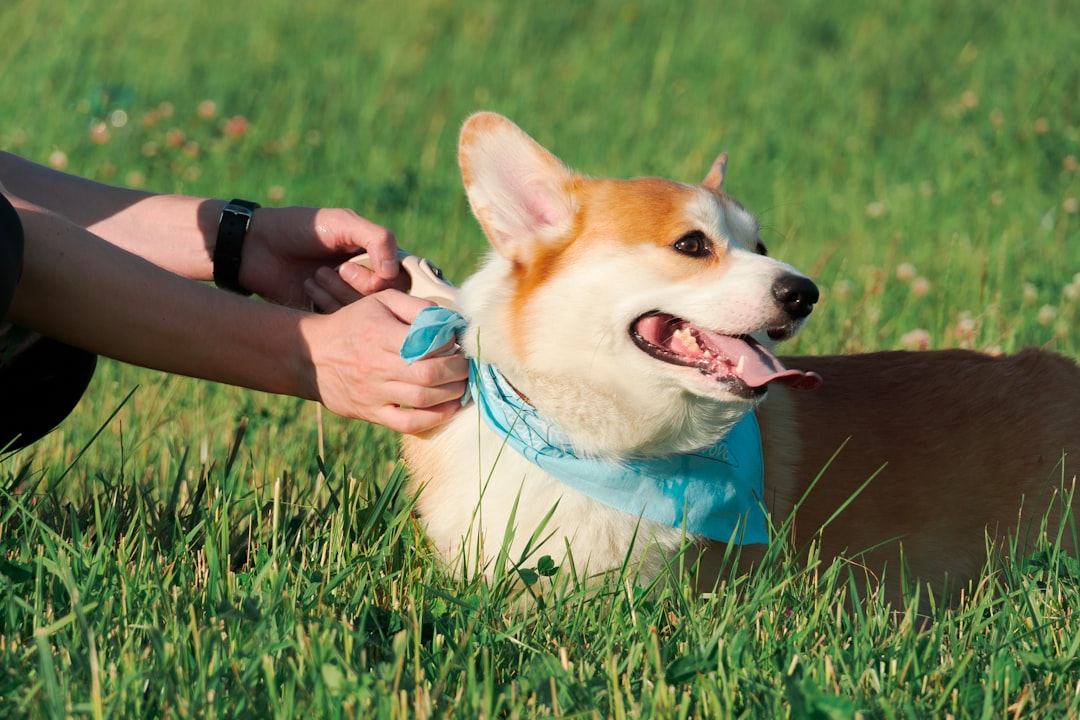
Rewards must come within 1-2 seconds of the behavior. If your dog sits and you fumble for a treat, they might not connect the action to the reward. I use a clicker for precision – it marks the exact moment of good behavior, followed by a treat.
This precise timing does something remarkable – it creates clarity in communication. When your dog knows exactly what earned them that reward, confusion disappears and trust blooms.
Because the click is neutral, unlike voice tones, which can vary with emotion, it removes confusion. It’s always the same sound, delivered with the same purpose, no matter your mood. That consistency helps puppies learn faster and trust more deeply.
Perfect timing transforms you from someone who randomly gives treats into a clear, consistent communicator. Your dog learns they can predict your responses, and that predictability is the bedrock of trust.
Reading Your Dog’s Trust Signals
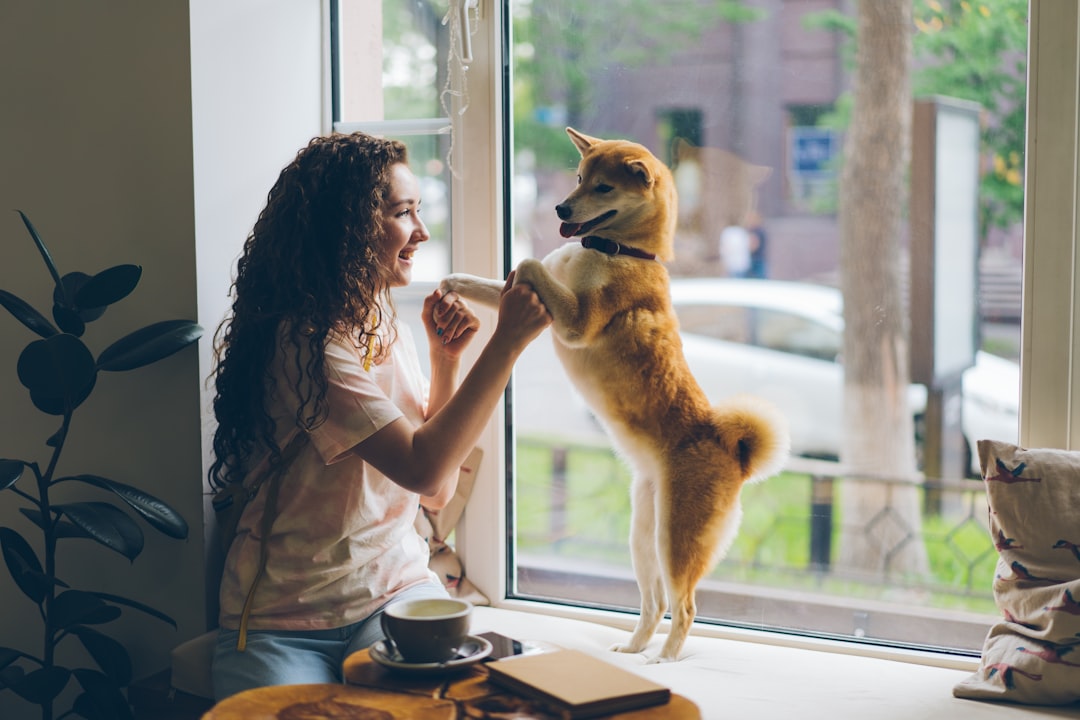
The key to knowing if your dog trusts you is through her body language. Dog behaviorists recommend learning to recognize the nuances of a dog’s body language before a behavior escalates.
A trusting dog shows specific signs: A wagging tail and a calm face indicate that your dog is happy. However, avoiding eye contact and tucking their tail under are usually signs of a sad dog. When your dog approaches you with soft eyes, a loose body posture, and that special wiggle that says “I’m excited to be with you,” you’re witnessing trust in action.
When you can see the signs your dog is becoming uncomfortable, scared or unhappy, you can act quickly to advocate for them. This is the fastest way to build trust with your dog.
Learning to read these signals isn’t just helpful – it’s transformative. When you consistently respond to your dog’s communication, you’re showing them their voice matters, deepening trust with every interaction.
The Stress Connection You Can’t Ignore

Cortisol is a hormone released in response to stress in mammals, including dogs. It can have a negative effect on learning and behavior when it is released in excessive amounts, as it can interfere with the release of dopamine and other neurotransmitters that are essential for learning and reinforcement. In addition to interfering with learning and reinforcement, excessive cortisol can cause physical and psychological damage to the dog.
Stress hormones are trust killers. When dogs experience chronic stress from harsh training methods, their ability to learn and bond becomes seriously compromised.
The higher the proportion of aversive stimuli used in training, the greater the impact on the welfare of dogs (both within and outside the training context). Positive reinforcement does the opposite – it creates a stress-free learning environment where trust can flourish.
By keeping stress low and dopamine high, you’re creating the perfect neurochemical cocktail for building an unbreakable bond with your dog.
Building Confidence Through Predictable Success
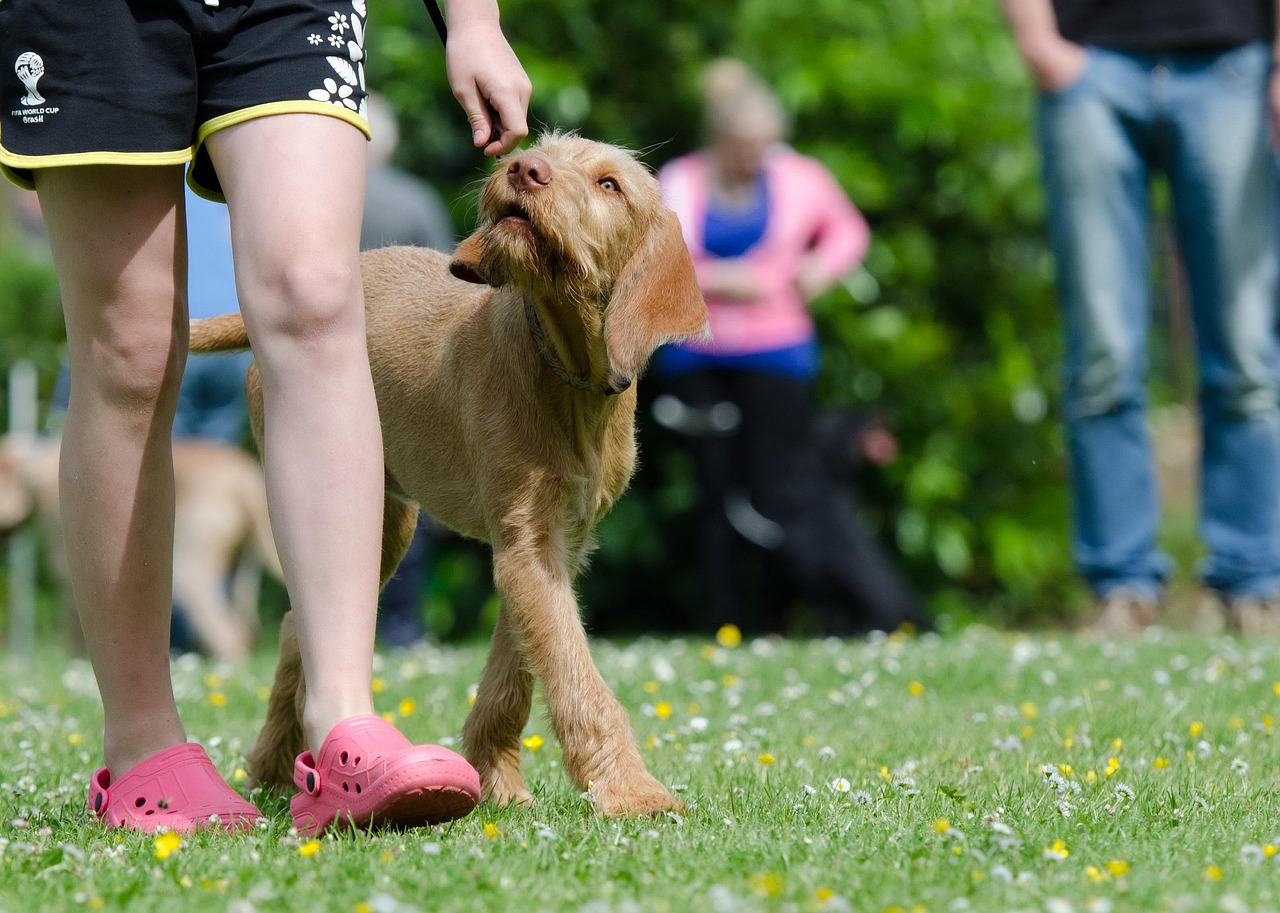
Positive reinforcement not only trains a specific behavior but also fosters a deeper bond between the pet and the owner. Dogs trained with positive methods tend to be more trusting and less fearful. In contrast, punitive methods can lead to anxiety, distrust, and potential aggression.
Confidence and trust go hand in hand. When dogs experience consistent success through positive reinforcement, they develop unshakeable confidence in themselves and in you.
Positive reinforcement also activates the seeking system in the brain. This system drives exploration and problem-solving. It’s why puppies trained with a clicker often become more eager and inventive. They start offering behaviours proactively, trying to unlock the next reward.
This isn’t just obedience – it’s partnership. Your dog becomes an active participant in training, eagerly offering behaviors and problem-solving alongside you, creating an incredible depth of trust and connection.
The Power of Consistency in Trust Building
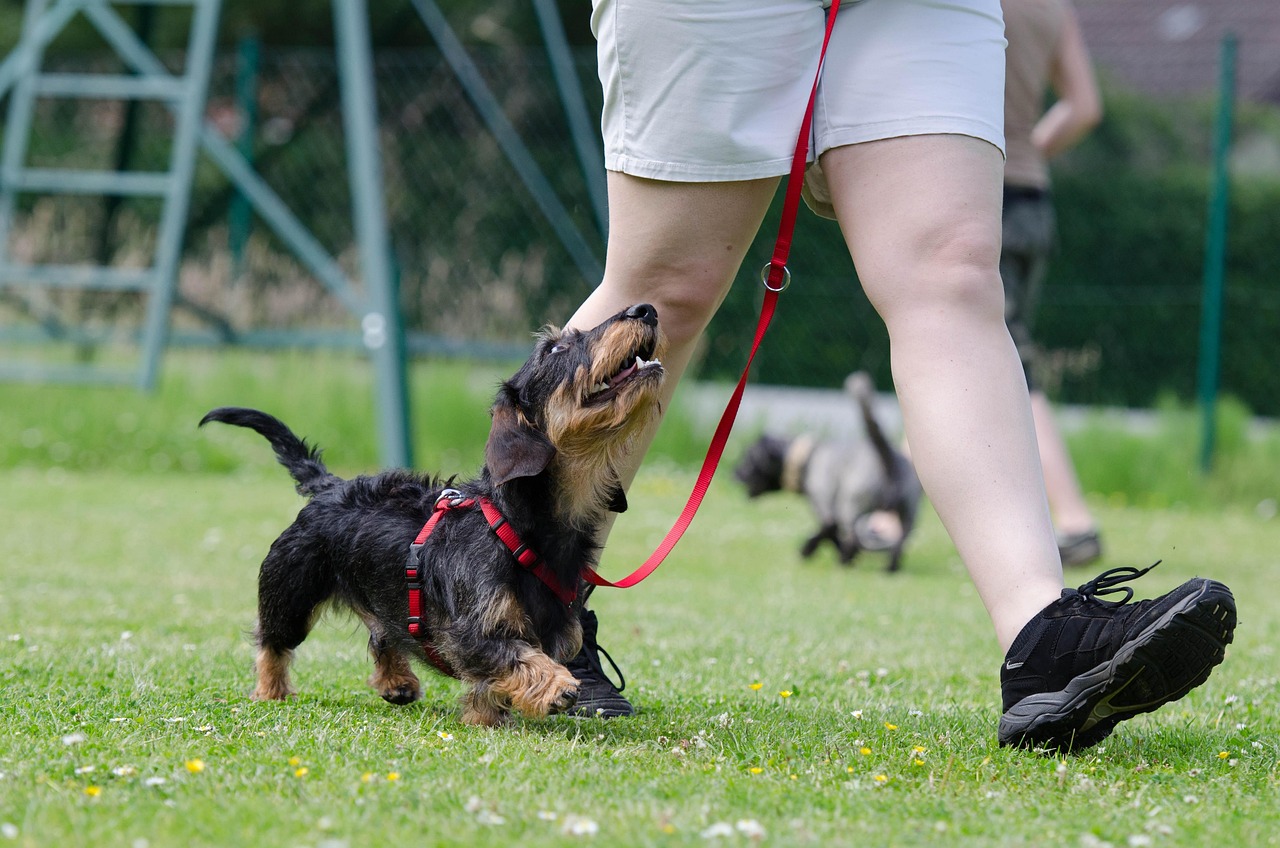
Consistency is essential when it comes to building trust. When we are inconsistent, we become unpredictable, which erodes trust because our pets no longer know what to expect.
Dogs thrive on predictability. When your responses are consistent, your dog learns they can count on you, creating a foundation of security that allows trust to flourish.
Practice daily, even for 5-10 minutes. Consistency reinforces the behavior. I tell clients to use the same cue (e.g., “sit”) and reward every time. Repetition builds habits – Luna learned “stay” after weeks of short, consistent sessions.
Every consistent interaction is like making a deposit in your trust bank account with your dog. Over time, these deposits add up to create an unbreakable bond built on reliability and predictability.
Communication Beyond Words
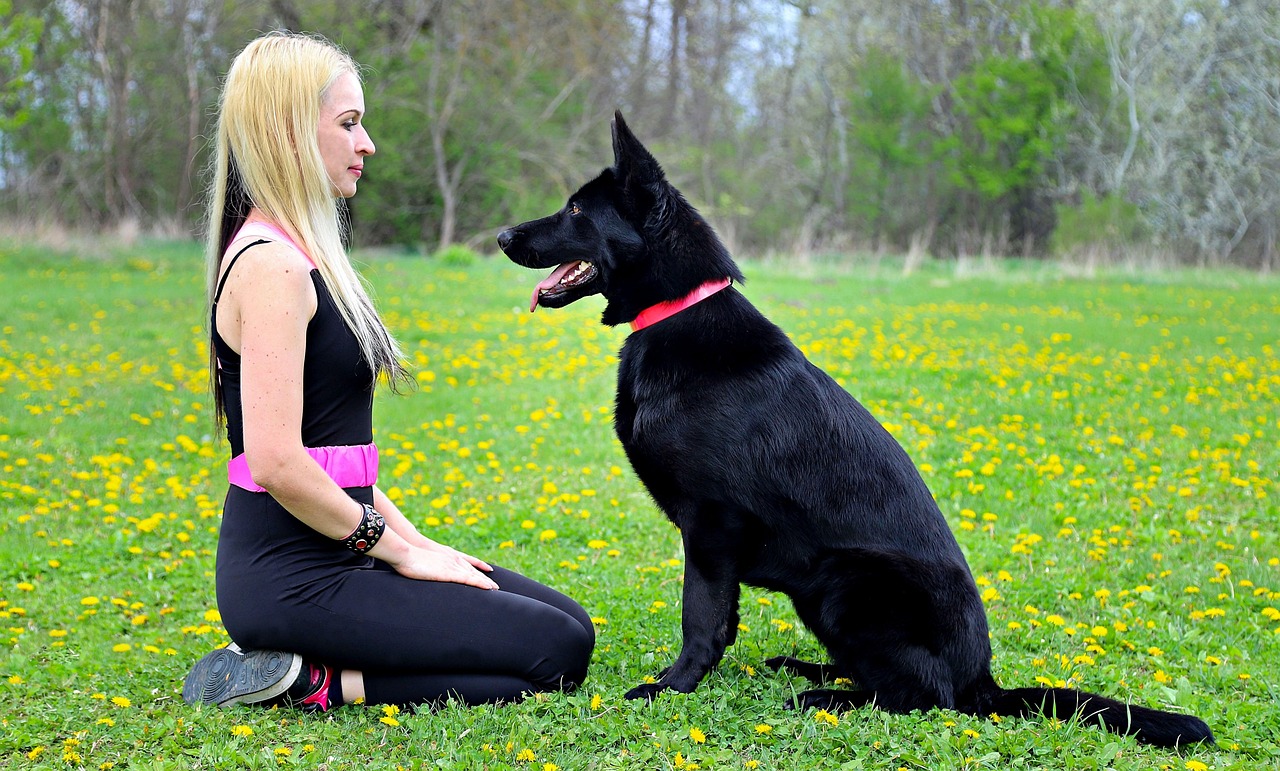
By creating a shared language, training helps us connect with our dogs on a deeper level, opening lines of communication that build trust and mutual understanding.
Positive reinforcement creates a unique communication system between you and your dog. Every reward becomes a word in your shared vocabulary, every successful interaction a conversation that deepens your bond.
Once you have dog body language sussed, you’ll be able to better understand your dog’s communications. We don’t speak the same language – but allowing your dog to express themselves will boost your understanding of them massively. This doesn’t mean they’ll get their own way all the time. It means that you’ll have a much deeper understanding of what makes them tick and what really doesn’t – which is rocket fuel for supercharging your trust.
This two-way communication creates trust like nothing else can. When your dog feels heard and understood, they develop complete confidence in your partnership together.
Long-Term Benefits That Last a Lifetime
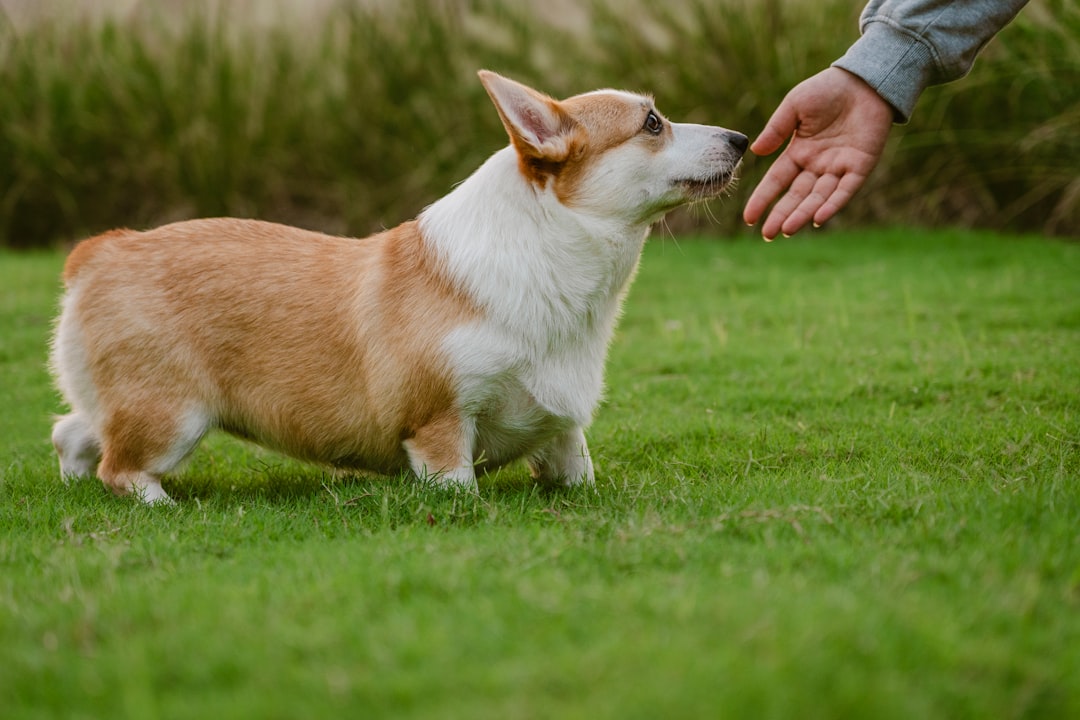
Dogs trained with positive reinforcement tend to retain learned behaviors for longer. But the benefits go far beyond just remembering commands – they create lasting behavioral patterns that strengthen your relationship for years to come.
By rewarding desired behaviors, it fosters a positive, trust-filled relationship and leads to lasting, reliable behavior changes. Choose positive reinforcement for a happier, well-trained dog. This isn’t just about training – it’s about building a lifelong partnership based on mutual respect and understanding.
The effort is worth it – gaining your canine friend’s trust means you will have a stronger, deeper, and more meaningful relationship. The trust you build through positive reinforcement creates a foundation that supports your relationship through every challenge life brings.
Dogs who trust their humans completely become more resilient, more confident, and more joyful companions. They face new experiences with courage because they know you’ve got their back, no matter what.
Creating Your Trust-Building Action Plan
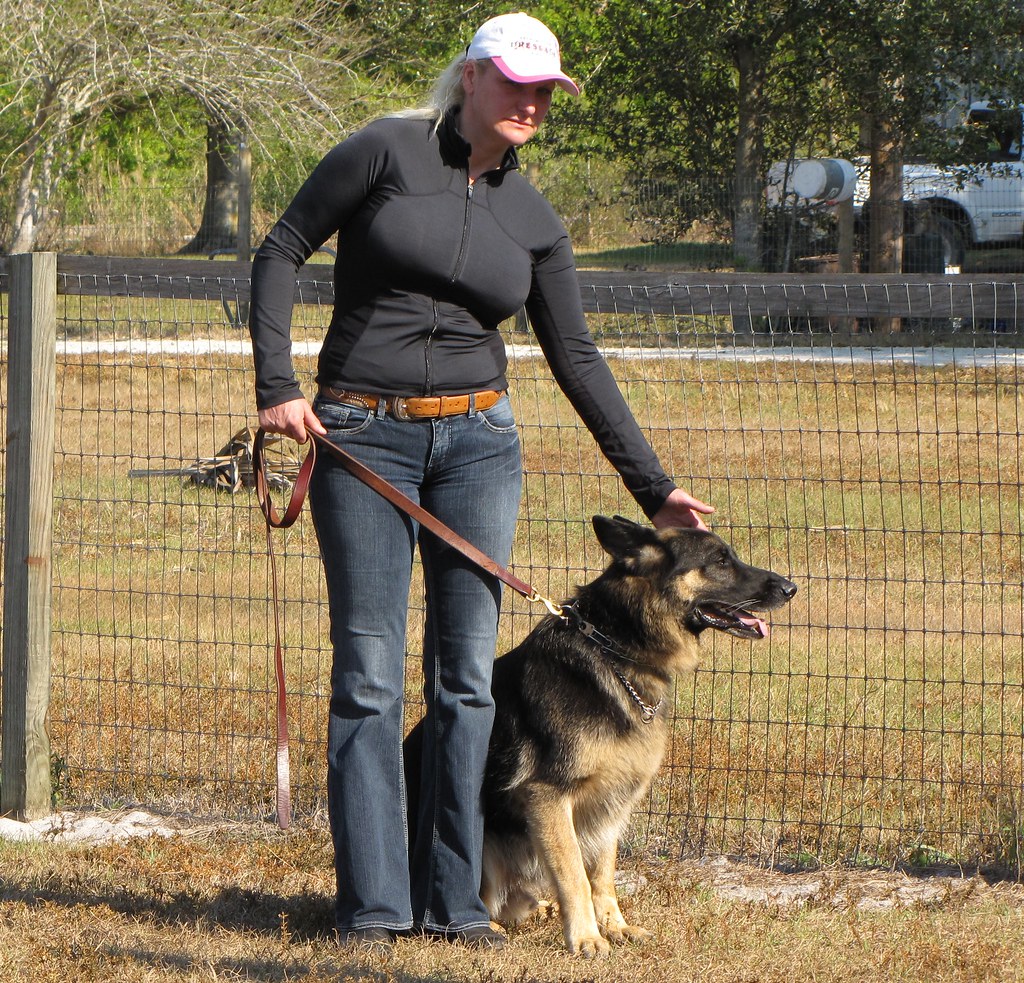
Start small and build gradually. Begin with easy commands like ‘sit’ or ‘stay’ to build confidence before moving to more complex behaviors. Know Your Dog: Every dog is unique. Find out what motivates your dog the most – is it a particular treat, a favorite toy, or simple praise?
Remember that trust building is a process, not a destination. Trust takes time and effort. Offering your pup things she enjoys, like food, dog treats, toys and walks, is another way to develop a stronger bond. Each dog is going to find different things rewarding.
Mix up rewards to keep it exciting – treats one day, play the next. As your dog masters a behavior, reduce treats gradually, leaning on praise or occasional rewards. This variation keeps training fresh and exciting while maintaining the trust you’ve built.
Focus on celebrating every small success. These moments of shared joy become the building blocks of an unbreakable bond that will enrich both your lives immeasurably.
The journey to building with your dog through positive reinforcement isn’t just about training – it’s about creating a partnership that brings joy to every single day. When you understand the science behind why positive methods work so beautifully, you’re equipped to build the kind of relationship that makes both you and your dog light up with happiness. Your consistent, positive approach creates neurochemical changes that literally wire your dog’s brain for trust, confidence, and love.
Every reward you give, every moment you respond to your dog’s communication, every time you choose understanding over frustration – you’re making deposits in a trust account that pays dividends for a lifetime. What aspect of positive reinforcement training are you most excited to try with your furry best friend?


