
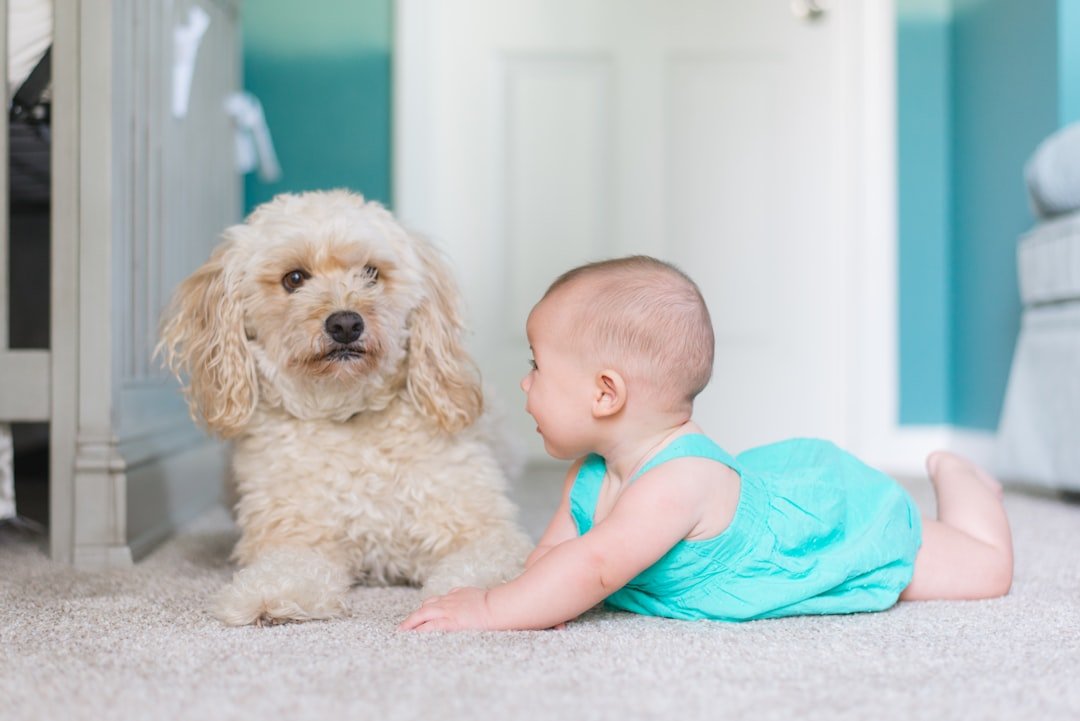
That little ball of warmth and giggles has arrived, turning your world upside down in the most beautiful way possible. Yet there’s another set of eyes watching from the corner, and they don’t look entirely thrilled. Your beloved four-legged companion, who once reigned as the undisputed king or queen of your household, is now witnessing their royal status being challenged by a tiny human who can’t even bark properly.
Dog jealousy around newborns is a commonly reported phenomenon among pet owners, though specific statistics vary. This isn’t just your imagination playing tricks on you during those sleep-deprived early weeks. Dog jealousy around newborns is surprisingly common, and understanding how to navigate this delicate transition can make all the difference between harmony and household chaos. So let’s dive into practical ways to help your furry friend embrace their new role as big sibling rather than sulking in the shadows.
Understanding the Signs Your Dog is Feeling Left Out
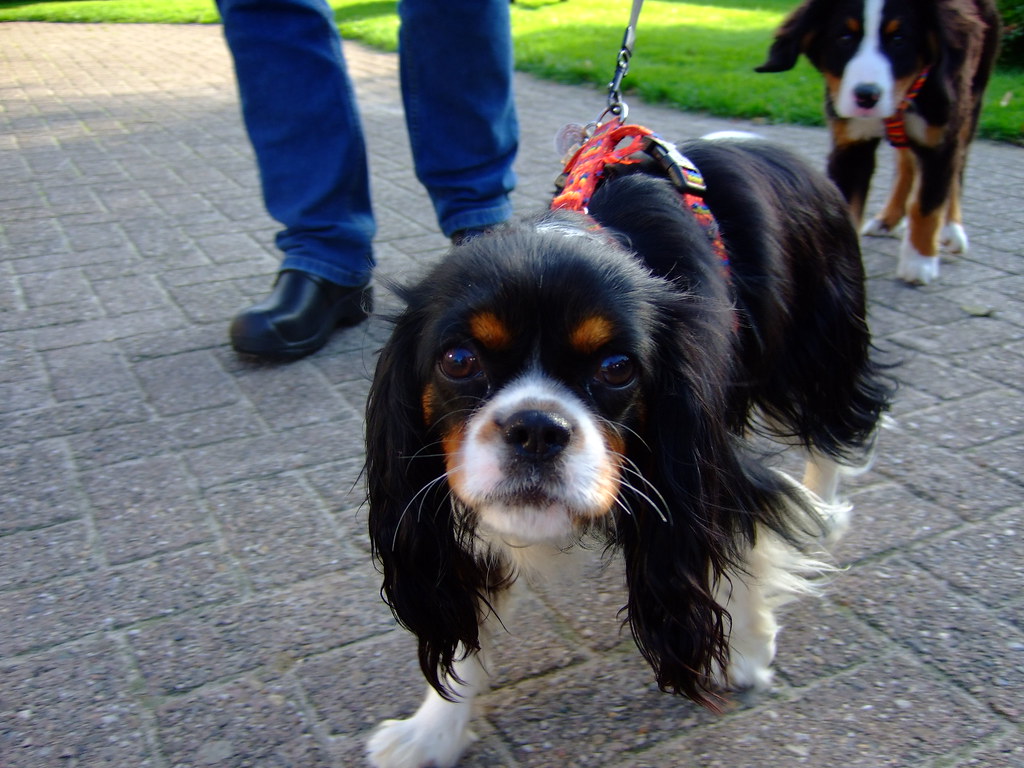
Recognizing jealousy in dogs isn’t always as obvious as a child throwing a tantrum. Signs of jealousy can include whining, displaying attention-seeking behaviour, resource guarding, destructive behaviour and even unusual toileting habits. Your once perfectly housetrained companion might suddenly start having accidents in the nursery or on baby items.
You may notice that your dog will leave the room or walk away from you and the baby when you are close. This action can indicate they are jealous of the baby and do not want to share space with them. Some dogs become master thieves, suddenly developing an intense interest in socks or other items just to recapture your attention.
Self-grooming can be an automatic response for some jealous dogs. This behavior may indicate their feeling of low self-worth or being unwanted when a baby is around. In addition, licking is often apparent when a dog is stressed and unable to communicate this to its owner. The key is watching for changes in your dog’s normal behavior patterns.
Why Dogs Feel Threatened by Tiny Humans
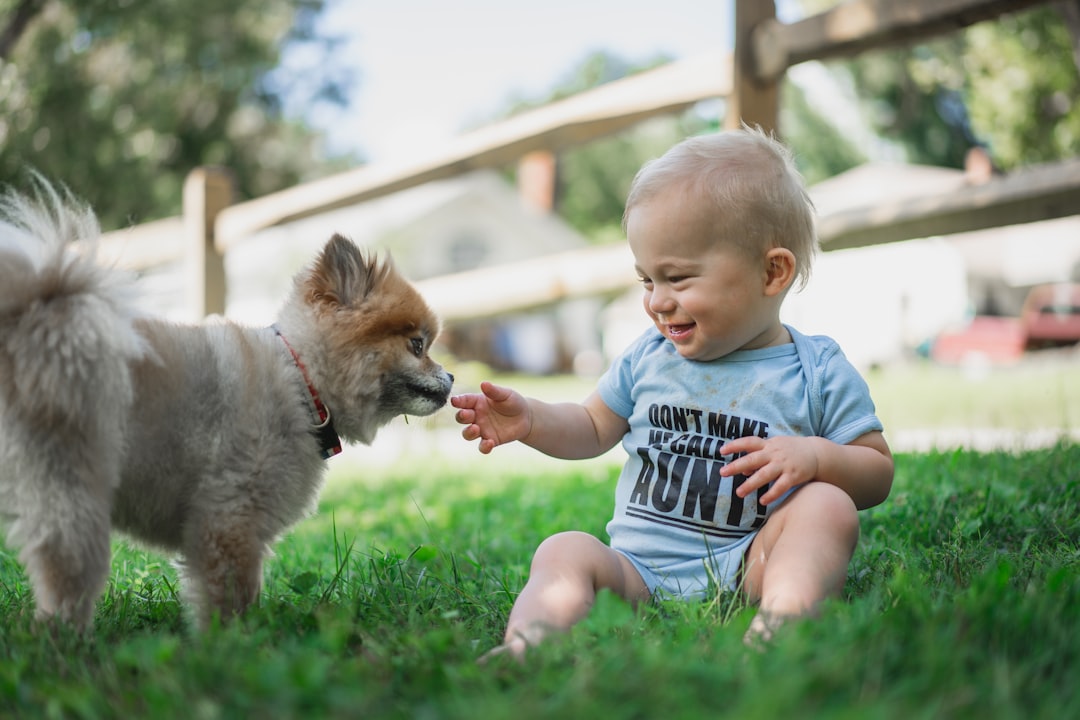
Dogs are extremely loyal members of the family and just like humans they can experience a variety of different emotions – including jealousy. This can especially be the case when someone new becomes a member of the family, such as a newborn baby and seems to get all the attention and affection. Considering that dogs are social animals that need interaction, going from being the center of attention to feeling left out can be pretty tough for a dog.
A sudden change in the amount of attention the dog receives, a change in her feeding/walking schedule, a change in sleep schedule, [or] the addition of a screaming/crying baby with unpredictable movements can all affect a dog’s behavior, especially if that dog has never been exposed to anything like that before. Think about it from their perspective: one day they’re your baby, the next day there’s this mysterious creature making weird noises and monopolizing all your time.
He sees novel sights, hears unusual sounds, and sniffs peculiar scents. If he’s never spent time around children as a puppy, he may feel frightened by this loud creature that captures your total attention. Suddenly your dog isn’t the center of your world and his daily routine takes second place to the wiggling blanket in your arms. With the change in household activity, it’s no wonder that your dog may feel anxious and unsteady.
Preparation is Everything: Getting Ready Before Baby Arrives
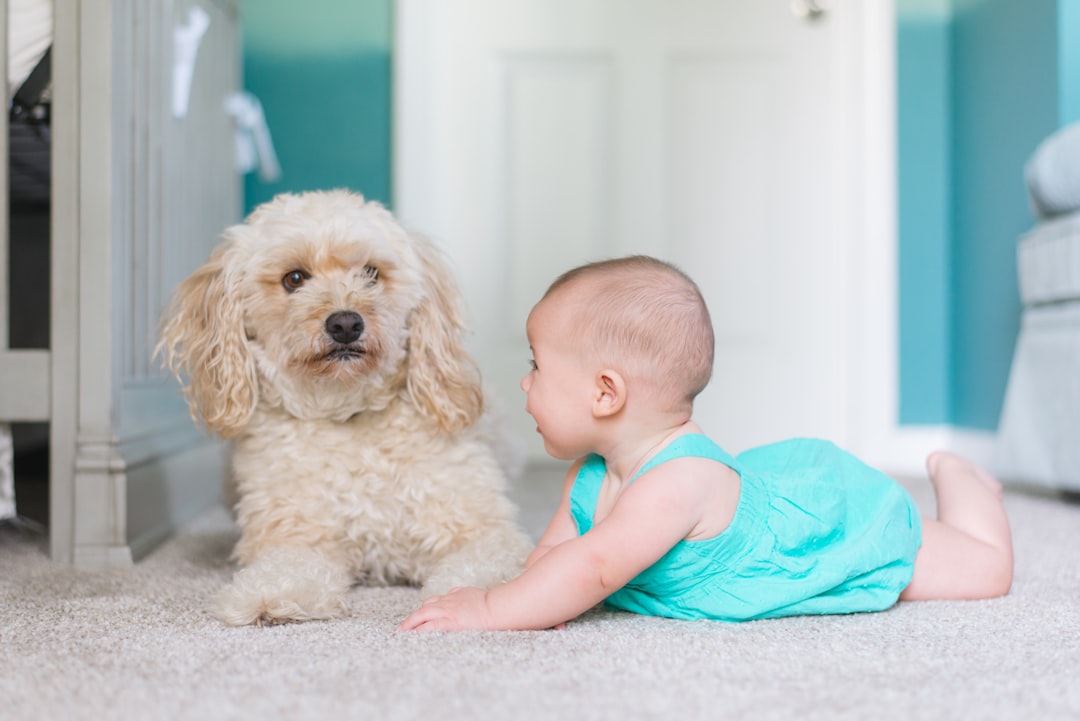
The golden rule for preventing jealousy is preparation, preparation, preparation. There’s no such thing as too early when it comes to preparing your dog for sharing their turf and your undivided attention with a newborn baby. “Dogs do like routine and consistency,” according to veterinary behaviorists. “When that changes, it is a little hard on them when they aren’t expecting it.”
Begin now to get your dog used to changes in his routine by introducing a “baby schedule.” Vary his feeding times. Put his bed where you will want it when the baby arrives. Start using baby gates, a crate, or ex-pen randomly to block him in and out of rooms. Change his walking and exercise patterns so that he doesn’t expect the same routine each day. Dogs are creatures of habit; help your dog learn to be flexible.
First, introduce newborn sounds at a low volume when your dog is playing, receiving treats, or enjoying another activity. If they stay calm, gradually increase the volume over the next few weeks and months to make it more lifelike. This desensitization process helps prevent that startled reaction when your actual baby starts crying at 3 AM.
Creating Safe Spaces and Boundaries
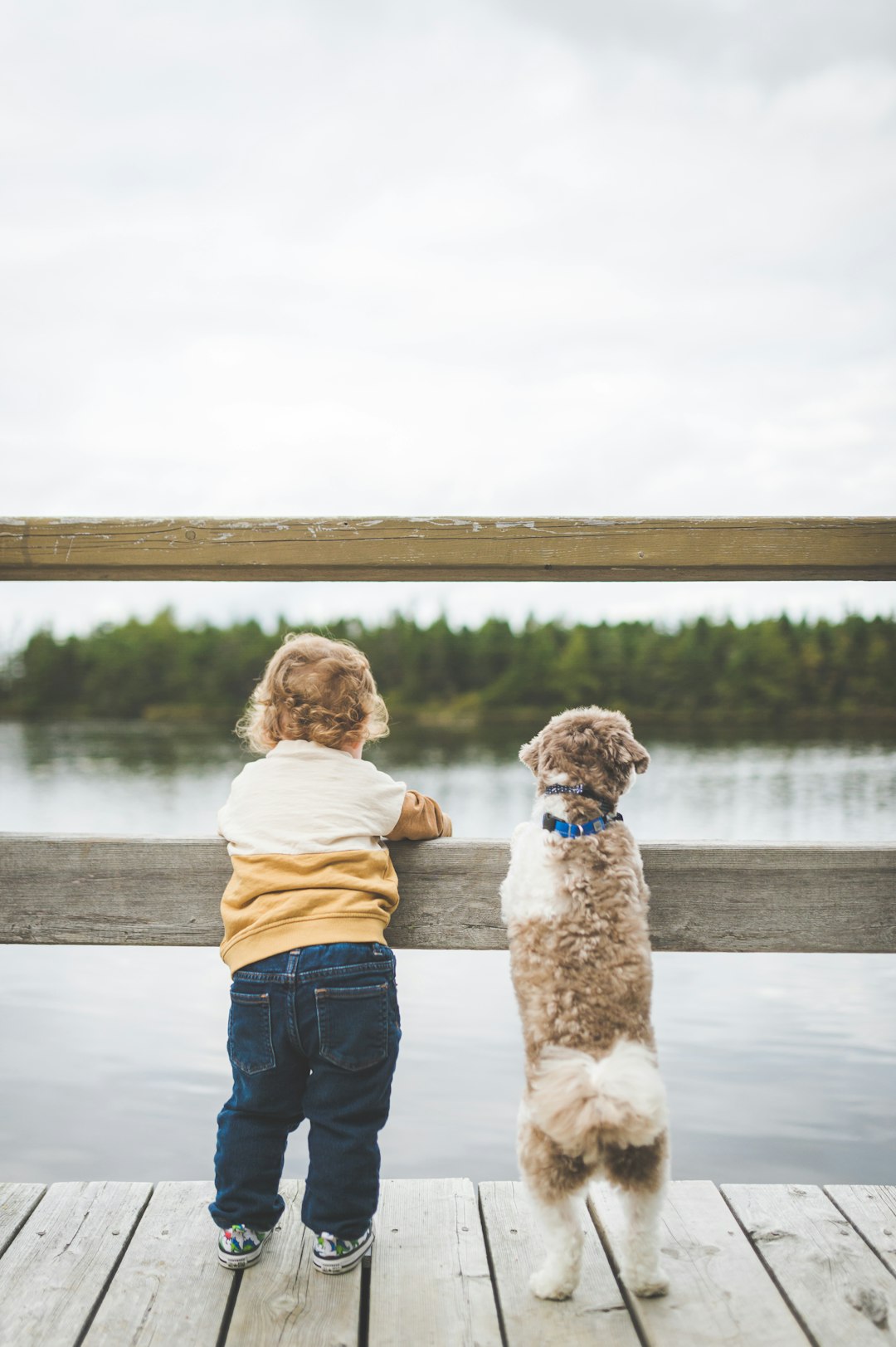
Designate safe zones for your dog with the use of baby gates and a crate. All dogs need downtime and should have a quiet space to retreat when necessary. When you’ve identified this space, throw a treat in the crate or on his bed and say, “Go to your spot,” Repeat this as often as necessary until this becomes one of his commands like ‘sit’ or ‘off.’
This is really vital to ensure your dog knows they have somewhere to go where they won’t be bothered by the baby. If your dog is crate trained, you most likely already have this sorted. In our case, Maple isn’t crate trained, so we used · retractable baby gates (like these ones) to ensure that she wouldn’t be disturbed when she was snoozing by the fire. Think of this as creating a doggy sanctuary where the baby can’t follow.
It can be exhausting to supervise pets while caring for an infant – especially when you’re home alone. One easy way to manage this is to keep your pets on another level or area of your home by installing gates or closing doors. Whether your baby is sleeping in your bedroom or a nursery, be sure to keep the door closed to limit your pets’ access. These boundaries aren’t punishment; they’re stress relief for everyone involved.
The Art of Positive Association Training
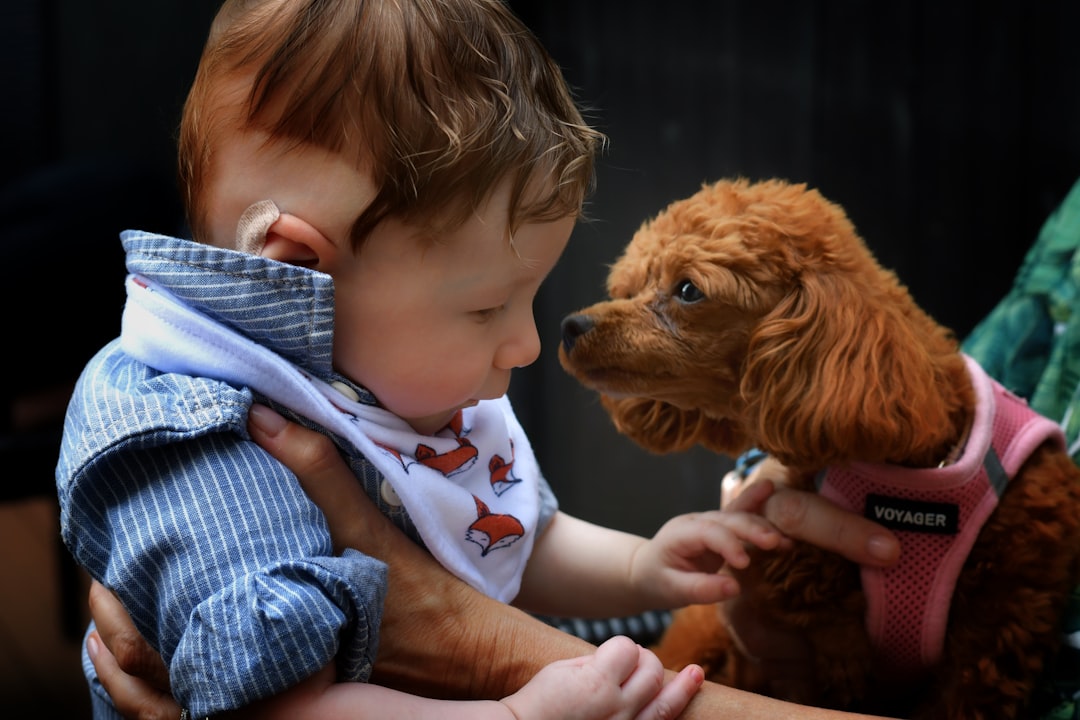
Use dog treats, petting and praising to help your dog associate the baby with positive things. Lastly, make sure you still have one on one time with your dog so that he knows he can still get your undivided attention from time to time. The goal is making your dog think “baby equals good things happening” rather than “baby equals my world ending.”
During the baby’s feeding time, when your undivided attention is on the newborn, bring out a food puzzle or lick mat to occupy your dog. They’ll start to associate that the baby’s feeding time is a fun time for them, too. This brilliant strategy turns potential jealousy moments into something your dog actually looks forward to.
Reward their calm behavior when your baby cries or you have to give them attention so your dog makes positive associations. Keeping your baby around when engaging with your dog will show that the newest family member can be positive. Take your dog on walks with your baby in their stroller. Put your baby in a shaded bassinet when you play outside. Over time, your dog will realize the baby isn’t a rival for attention but another family member they can bond with.
Managing the First Introduction Like a Pro
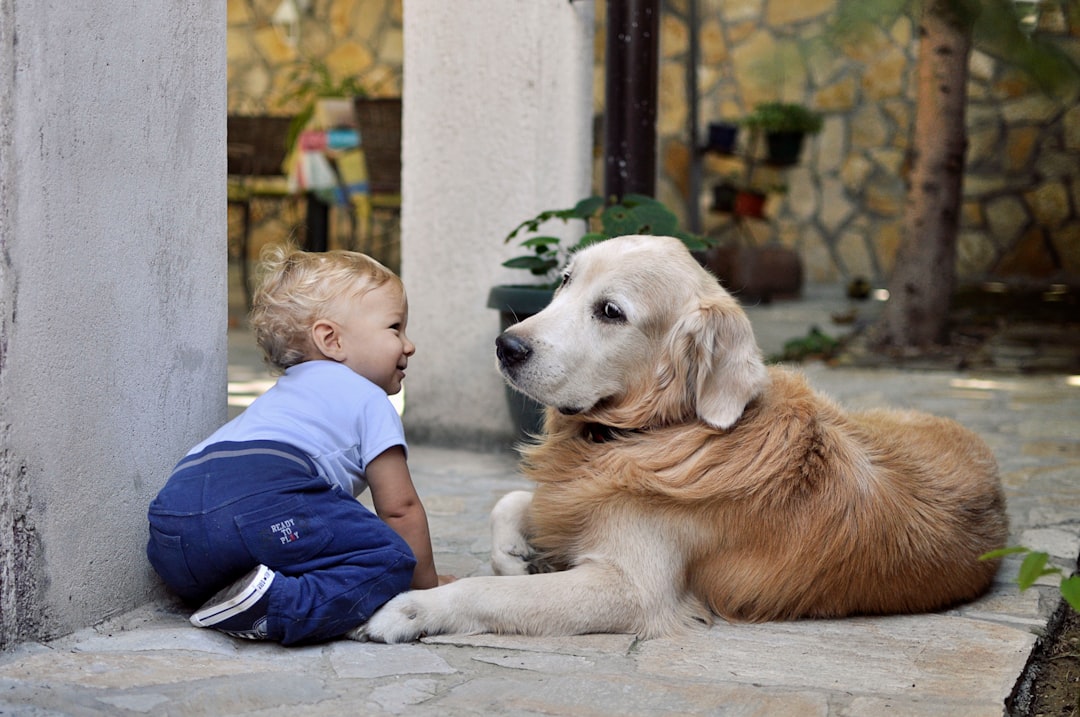
If the baby’s mother returns to the house alone, it “will give pets time to say hi without them jumping up on the baby,” according to pet behavior experts. You can bring items worn by the baby or a blanket to allow your dog to become familiar with the scent before introducing them. After that, bring the baby inside to a pet-free room so your dog can smell and hear the sounds your baby makes.
For dogs especially, it can be helpful to make introductions with a helper bringing the dog into a neutral room on a leash where you are sitting holding the baby,” McGowan explains. This gives your dog the opportunity to approach you and the baby calmly. Keep these initial meetings short and sweet, ending on a positive note before anyone gets overwhelmed.
Have treats ready, their training mat available, and all pens and gates already in place. To prevent jumping, toss treats on the floor. Let them check things out by giving your dog something of your baby’s for sniffing. This could be a hat or blanket. Greetings should only happen if the dog is calm. The dog should be relaxed, and show a casual interest. Dogs who look scared or anxious or who are whining, pacing, or hyper-focused on the baby may need some extra time or possibly professional guidance to work through their emotions.
Maintaining Routines While Adapting to Chaos
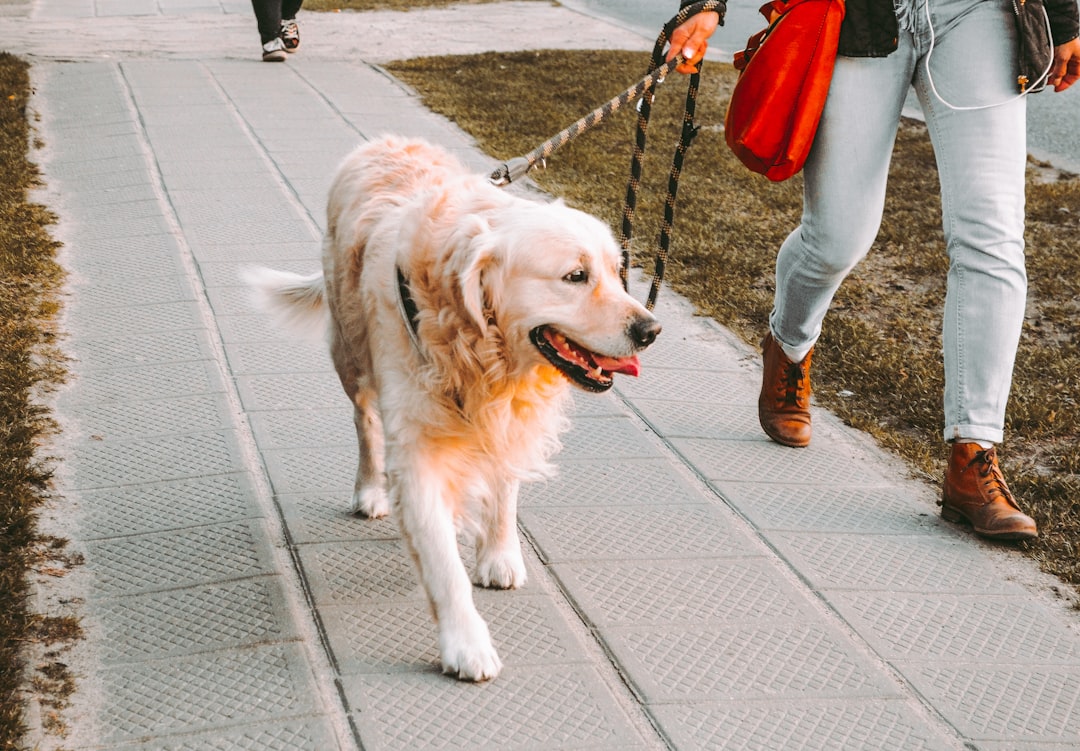
A lot will change when you come home with a newborn, but one of the things you can try to keep the same is your dog’s routine. Keep breakfast and dinner times, as well as walk times, the same as they used to be before the new arrival. Too much upheaval can make your dog feel anxious, so this is a simple way to help them feel settled. I know this sounds impossible when you’re running on two hours of sleep, but consistency is your dog’s security blanket.
One thing that may help with her high energy and jealousy is setting aside a certain time (maybe when baby naps) to play or walk her and give her extra attention. Even if it’s just ten minutes of focused attention while someone else holds the baby, this dedicated time shows your dog they still matter.
It’s the perfect time to recruit the neighborhood’s dog-walking teenager to help you maintain the dog’s routine and get you some space. Ask friends and relatives to come play with the dog while you get a break or run an errand, or appoint another older child as the dog’s new bestie to delegate some of the tasks. That simple dog walk or jog can gain you hours of peace – “A tired dog is usually a happy dog,” as the saying goes.
When to Seek Professional Help
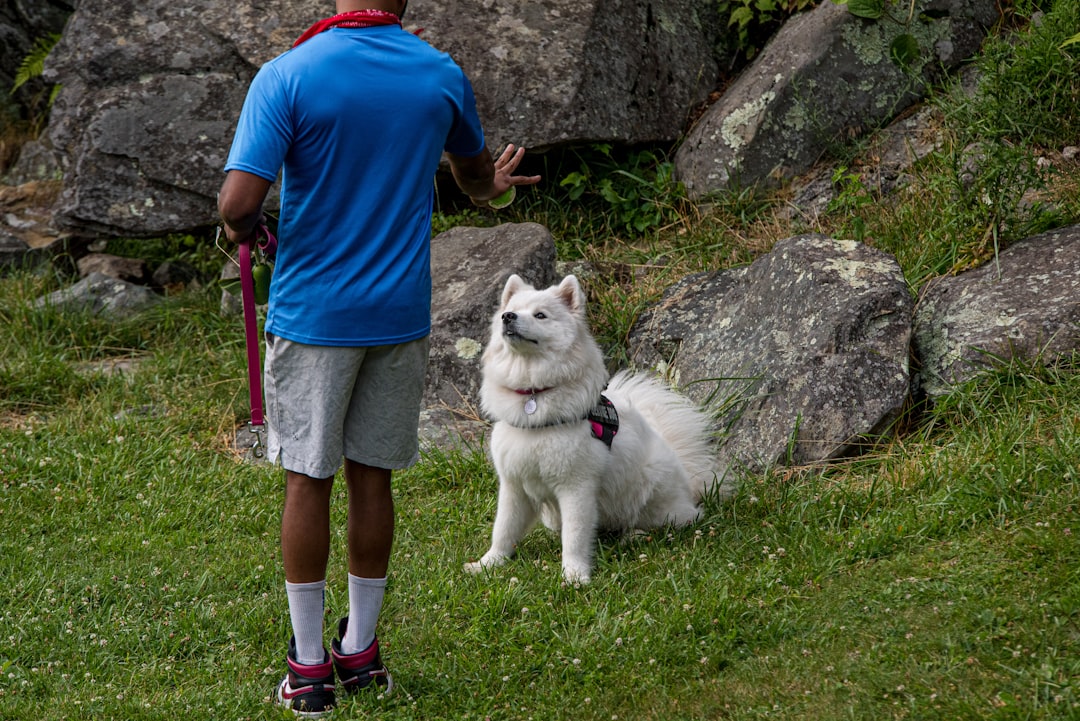
If she is doing things like growling, snarling or even snapping, she’s giving signals. She’s telling you that she isn’t comfortable. You have to listen and never punish her for her behaviour. These warning signs require immediate attention, not wishful thinking that things will improve on their own.
Dawson says that lunges, aggression, or growling towards the baby should warrant an immediate consultation with a trainer or behaviorist, and your vet might also have a recommendation. Don’t wait for the behavior to escalate; professional guidance can prevent dangerous situations and help restore peace to your household.
Some signs of aggression from your pet may include growling, snarling, barking, mouthing, biting, or showing teeth around the baby. This behavior is usually because your dog finds the baby unfamiliar and possibly frightening, especially if they did not receive socialization with children up to this point. When your pet shows aggression, immediately try to get their attention without anger. For example, use treats to have your dog sit, stay, or come to you as reward for listening to your commands. This method takes the focus off your baby and onto you and positive reinforcement. However, if these techniques don’t work quickly, professional intervention is essential.
Building Long-Term Harmony in Your Household
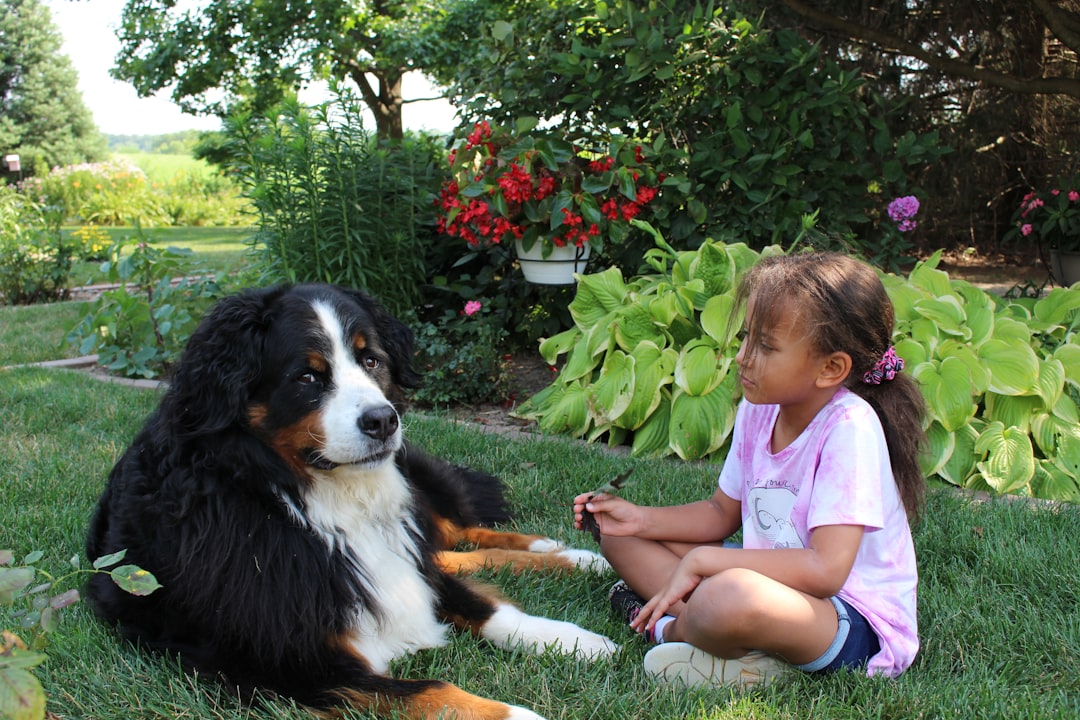
Ignore the negative and reward the positive. You shouldn’t punish your dog over natural jealousy. Dogs feel they are losing something valuable and doing what they need to maintain their bond, so owners should show appreciation for it. Remember that your dog’s reaction comes from love and confusion, not malice.
Give your dog plenty of attention when the baby is in the room. Your dog will associate positive experiences with the baby. The more positive experiences your dog has with the baby present, the stronger their bond will become over time.
In time, your dog will become more and more used to having your baby around the house. Patience is key here. Some dogs adjust within days, while others need weeks or even months to fully accept their new family dynamic. Trust the process and celebrate small victories along the way.
Conclusion
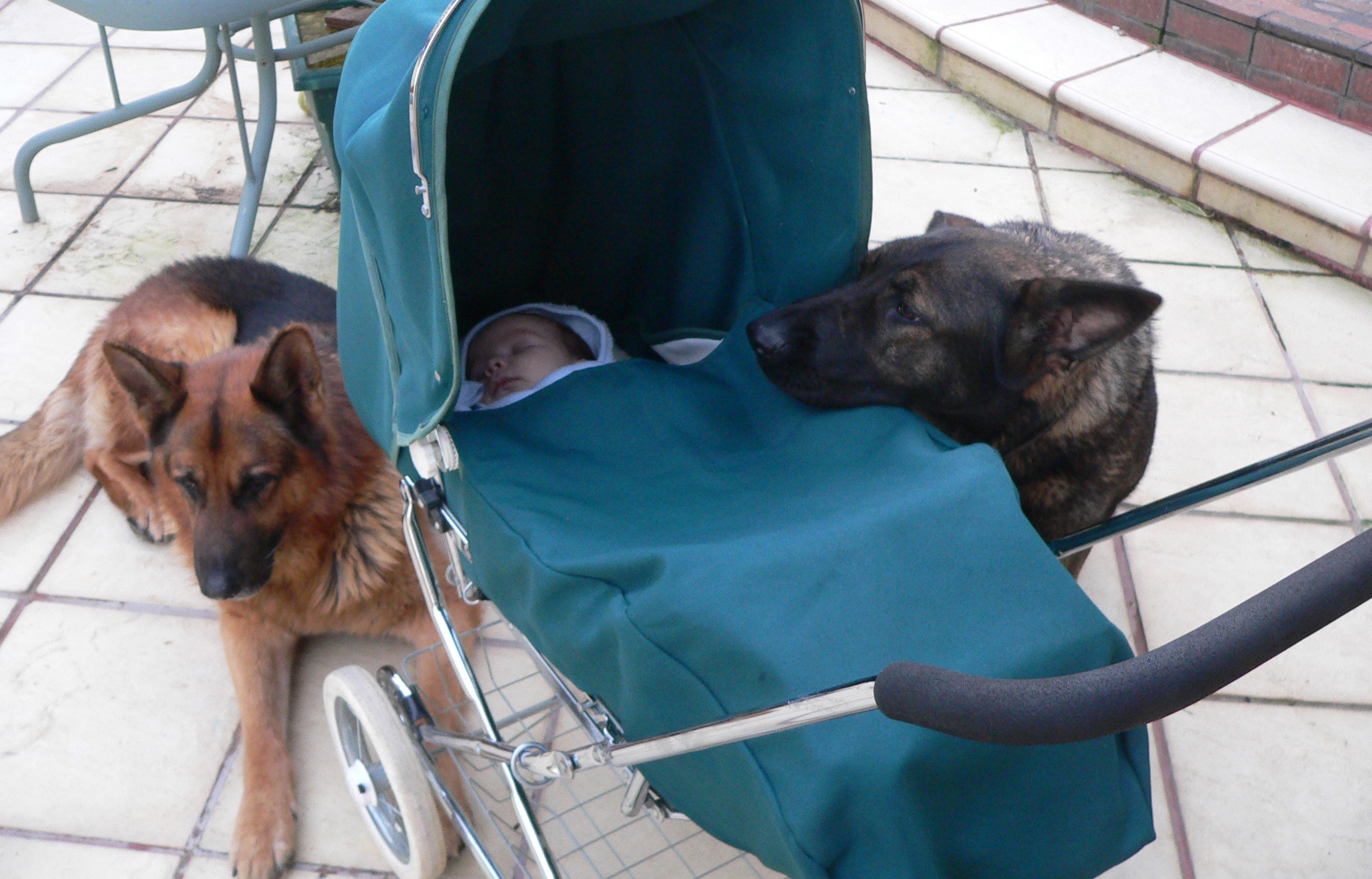
Dealing with a jealous dog during those precious early weeks with your newborn might feel overwhelming, but remember that this challenging phase is temporary. Most dogs, given time, patience, and proper guidance, learn to love their tiny human sibling just as much as they love you.
The key lies in preparation, positive associations, and maintaining those essential routines that keep your dog feeling secure. Watch for warning signs, celebrate progress, and don’t hesitate to seek professional help if needed. With consistency and understanding, your dog will likely transform from a jealous observer into a devoted guardian and playmate.
What’s your experience been like introducing your dog to your newborn? Every family’s journey is unique, and sharing your story might just help another exhausted parent navigate this beautiful chaos we call life with babies and dogs.


