
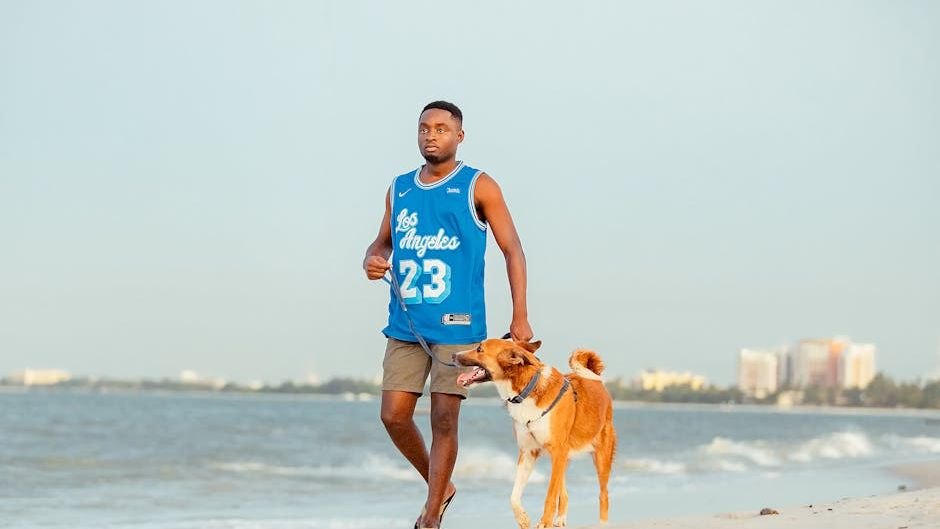
Florida doesn’t ease you into summer. One week it’s pleasant, and the next, you’re stepping outside at 8 a.m. and already feeling like you’ve opened an oven door. For your dog, that transition is even more jarring. They’re wearing a fur coat year-round, they can’t tell you when they feel awful, and they trust you completely to keep them safe.
That’s a lot of responsibility, and it’s worth taking seriously. Whether you’re a longtime Florida resident or newly arrived with your pup in tow, the rules of the road here are a little different from everywhere else. This is what you need to know.
Why Florida’s Heat Hits Dogs Harder Than You Think
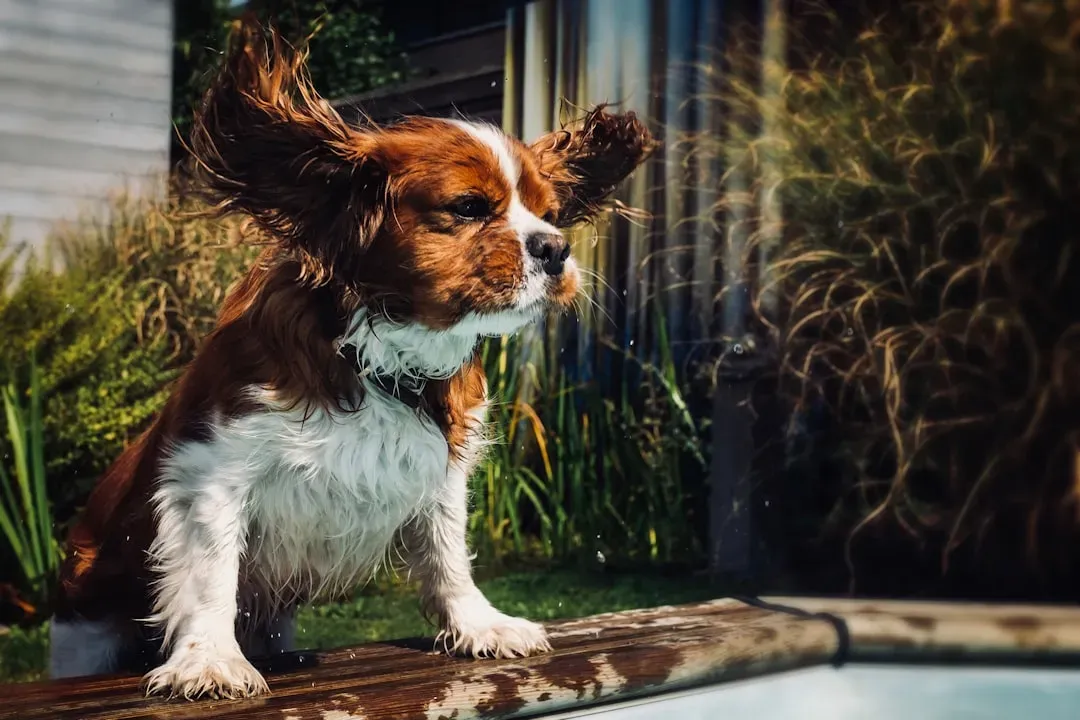
Unlike humans, dogs only have sweat glands on their paws and must rely on panting to cool down. That system works reasonably well in dry climates. In Florida, it’s a different story entirely.
In humid weather, panting becomes less effective, similar to how a swampy day feels harder than a dry day at the same temperature. Add direct sun to the equation, and your dog’s body can struggle to keep up far sooner than you’d expect.
Add direct sun, hot pavement, and excitement from playing, and a dog can overheat even on days that don’t seem “extreme.” This is the detail that catches many owners off guard. It doesn’t have to be a record-breaking day for your dog to be in trouble.
Some dogs are especially more vulnerable in Florida’s climate, including flat-faced breeds such as English Bulldogs, French Bulldogs, Pugs, and Boston Terriers, because airflow is restricted. Elderly pets, overweight pets, and those with underlying health conditions are also at a higher risk of heatstroke and should be closely monitored during hot weather.
Know the Warning Signs Before They Become an Emergency
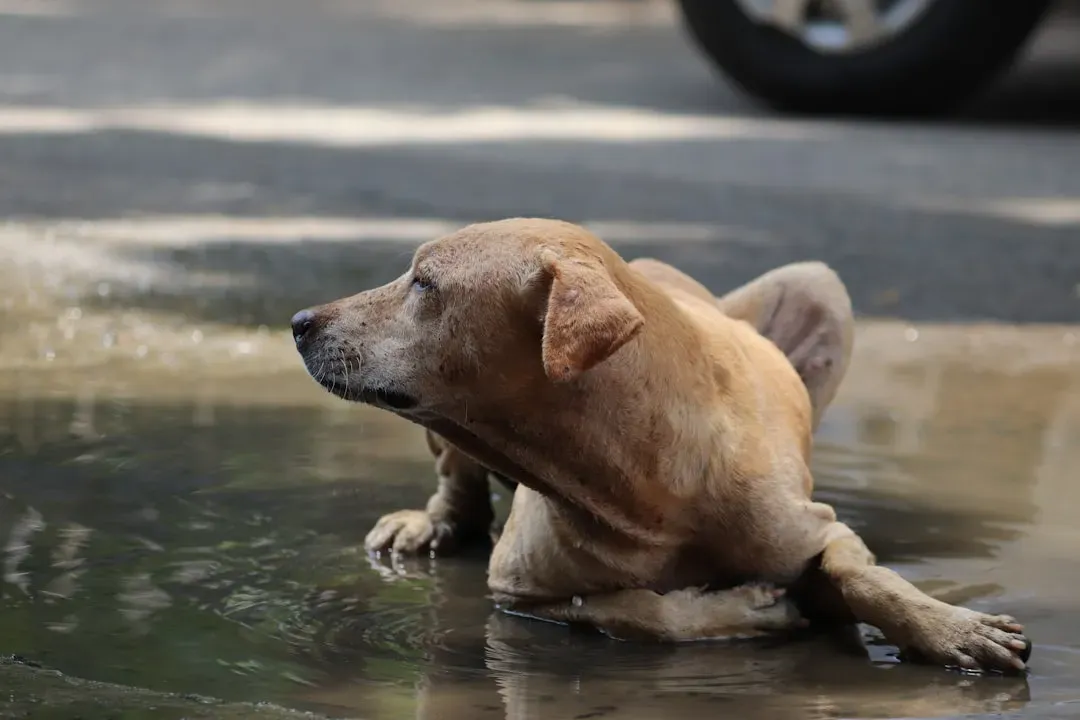
Most dogs won’t come to you and whimper when they’re overheating. They’ll just keep going, because that’s what they do. Your job is to know what to look for before it escalates.
Early signs of heatstroke include heavy panting and rapid breathing, excessive drooling, dry mucous membranes, bright red gums and tongue, skin that’s hot to the touch, and a higher heart rate. These are your first warning lights. Don’t wait to see if they pass on their own.
Pets may also show signs such as weakness, confusion, glazed eyes, or even vomiting and diarrhea. Other warning signs include a rapid heartbeat, bright red or pale gums, and a body temperature higher than 103°F.
One of the first signs of heatstroke in dogs is a change in behavior. Your normally playful pup may become lethargic, seem confused, or have difficulty walking. They might also seem unusually anxious or panicked. Trust your gut. If something feels off, it probably is. Move your dog to a cool area and call your vet right away.
Smart Hydration and Cooling Strategies That Actually Work
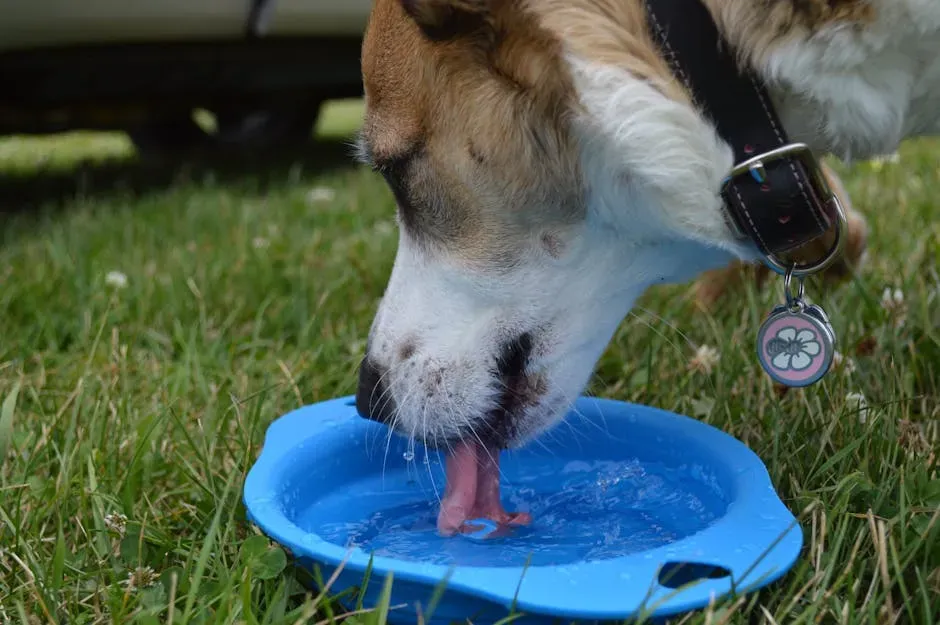
Water is the most obvious tool, but how you use it matters. Pets need access to fresh, clean water at all times, especially in hot weather. Set out multiple bowls of water in different areas of your home and check them frequently to make sure they stay full and haven’t been tipped over.
Frozen snacks are a great way to keep your pet refreshed while also providing a little enrichment. One easy option: blend ripe bananas with xylitol-free peanut butter, spoon into ice cube trays, and freeze. You can also freeze low-sodium chicken or beef broth into small portions for a savory cooling treat. It’s a simple trick that doubles as enrichment on a hot afternoon indoors.
Cooling mats are designed for pets to provide additional relief. These mats absorb and dissipate heat and can be especially effective in keeping pets cool. You can also invest in pet-safe cooling products like cooling mats, vests, or bandanas. A loose, thin, white shirt over a dark-coated pet can also help reduce excess heat storage in sunny weather.
Keep dogs indoors during peak heat hours, roughly 10 a.m. to 4 p.m., and use cooling mats or damp towels for resting spots. If you like, you can offer your dog a kiddie pool for supervised splashing fun. It doesn’t need to be elaborate. Simple and consistent beats fancy and occasional every time.
Walking and Exercise: Timing Is Everything in Florida
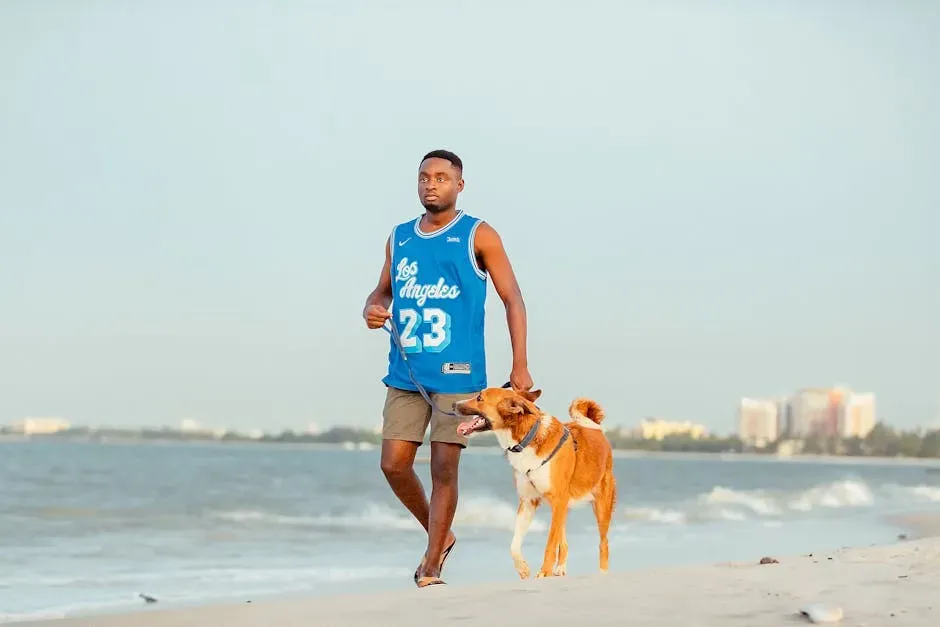
One of the most common mistakes Florida dog owners make is keeping the same walk schedule all year. What works fine in January can become genuinely dangerous in July. The fix is simpler than you might think.
Avoid walking dogs during the peak heat of the day. Instead, schedule walks for early in the morning or late in the evening when temperatures are cooler. Even a one-hour shift in your routine can make a meaningful difference in how your dog feels afterward.
Pavement can be unbearable for your pets in the summer heat, burning their paws and paw pads. If you’re curious about what temperature is too hot for a dog to walk outside, remember that if it’s too hot for you to walk on with your bare feet, it’s too hot for them. Hot pavement isn’t just painful for their paws. Since they’re so close to the ground, the heat coming off the pavement can overheat their bodies and faces too.
Keep walks shorter and slower during heat waves, bring water along, and take breaks in shady spots. Adapting your routine ensures your pup stays active without overheating. A shorter walk your dog finishes comfortably is always better than a longer one they barely survive.
What to Do If Your Dog Overheats: First Aid Steps That Matter
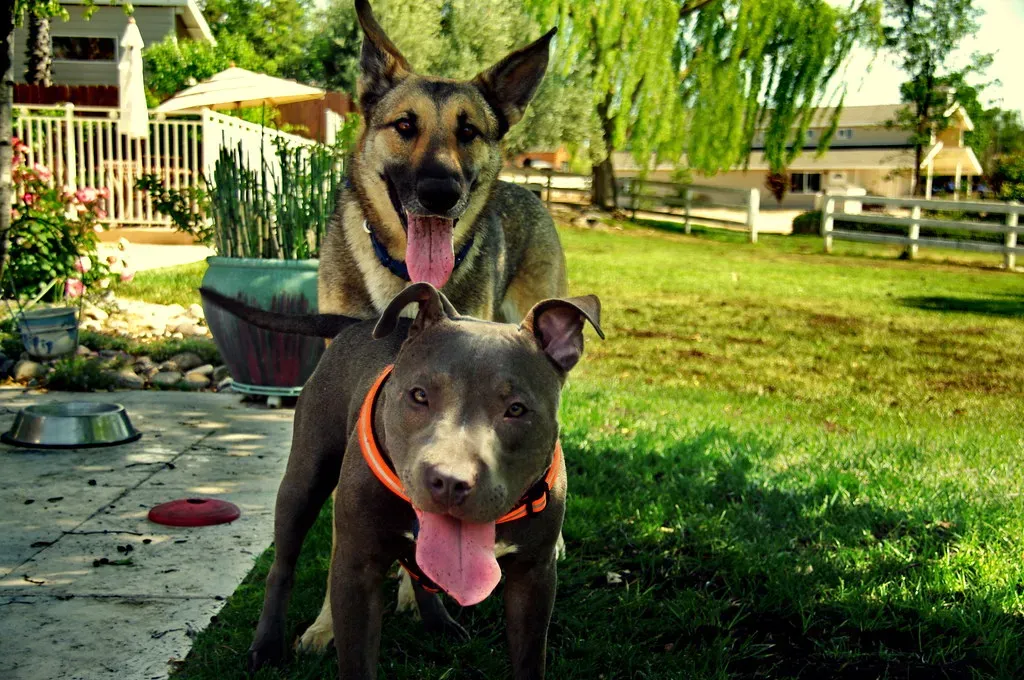
Even careful owners can face an emergency. A moment of distraction, an unusually brutal afternoon, a dog who hid how they were feeling until it was serious. Knowing what to do in those first minutes can genuinely save your dog’s life.
Move your dog to shade or air conditioning immediately and get them out of the sun and away from hot surfaces. Offer small amounts of cool water, and let your dog drink if they’re alert without forcing it. Start active cooling with cool, not ice-cold, water, and wet the body, especially the belly, armpits, and paws.
Cooling your pet prior to arrival at the hospital has been shown to increase their chances of survival from 50% to 80%. That single statistic is worth remembering. Your actions in the first few minutes are not just helpful. They are critical.
It’s important not to use ice-cold water, as this can reduce blood flow to the skin, reducing their ability to cool down or even cause them to shiver, increasing heat generation. Even if your dog seems better after cooling, heat injury can continue internally. Many dogs still need an exam and supportive care after an overheating episode. Always follow up with your vet, even when things seem fine on the surface.
The Parked Car Rule: Non-Negotiable in Florida
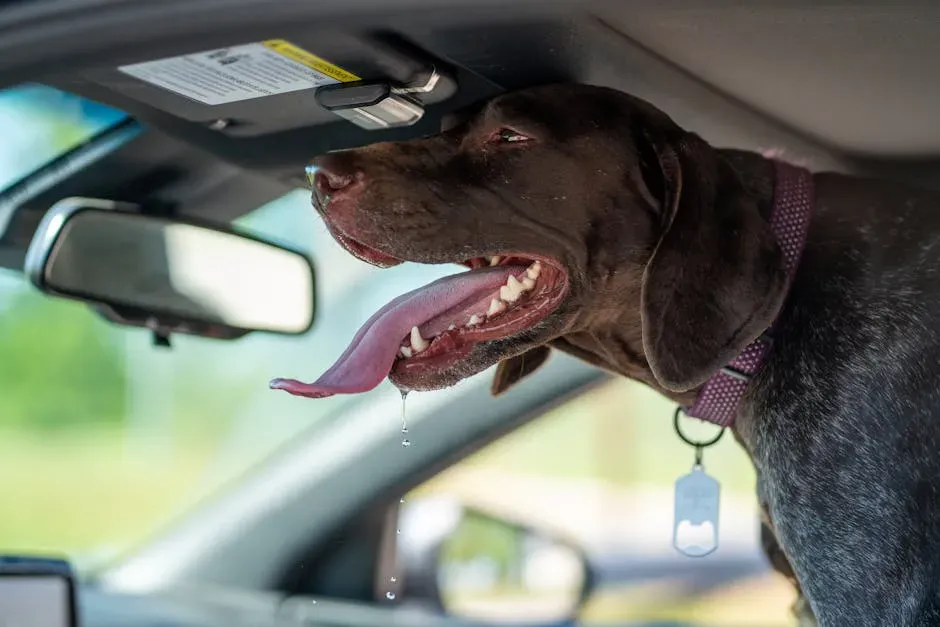
This one deserves its own section, not because it’s complicated, but because people still get it wrong. According to research, the temperature inside a car increases by an average of 40°F per hour. This means even if it is only 70°F outside, the inside of the car can easily exceed 110°F. For this reason, a dog should never be left alone in the car, even if the windows are partially open or the AC is running.
On an 80-degree day, the temperature inside a parked car can reach 100 degrees in 10 minutes. On a 90-degree day, it can reach 110 degrees in 10 minutes and 130 degrees in 30 minutes. This can be fatal. In Florida’s summer months, those 90-degree baseline temperatures are routine, not rare.
The simplest rule is also the most protective one. If you need to run errands, leave your pet at home where they are safe. No errand is short enough to justify the risk. Your dog will be far happier waiting in a cool house than sitting in what amounts to a slow oven.
—
Florida is an incredible place to share with a dog. The beaches, the trails, the year-round outdoor life. But the climate demands a real shift in how you approach daily care, especially from late spring through fall. The good news is that none of this requires dramatic changes. It’s mostly a matter of timing your walks differently, staying aware of the signs your dog gives you, and keeping cool water within easy reach at all times. Small habits, practiced consistently, are what protect a dog through a Florida summer. Your dog doesn’t need perfection. They just need you paying attention.


