Texas summers are notorious for their relentless heat, often soaring into the triple digits. While we can retreat to air-conditioned spaces, our canine companions rely on us to help them stay cool and safe. Neglecting their comfort during these sweltering months isn’t just uncomfortable for them – it’s downright dangerous. Let’s explore essential strategies to ensure your dog remains cool, hydrated, and happy throughout the Texas summer.
Hydration: The Lifeline in Scorching Heat
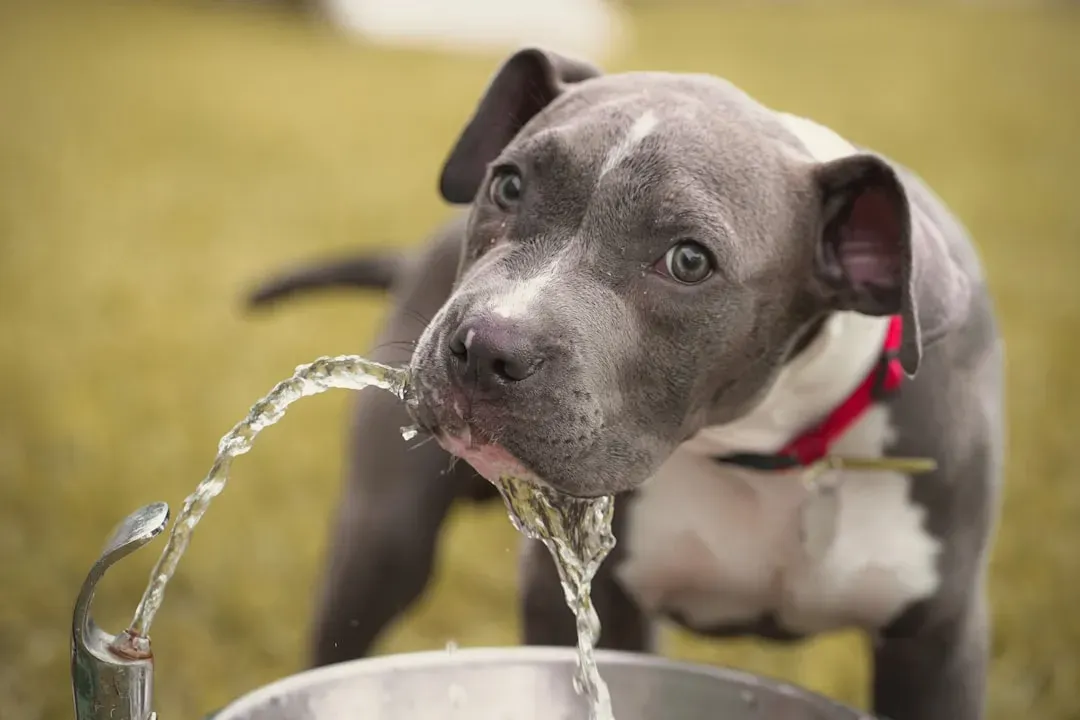
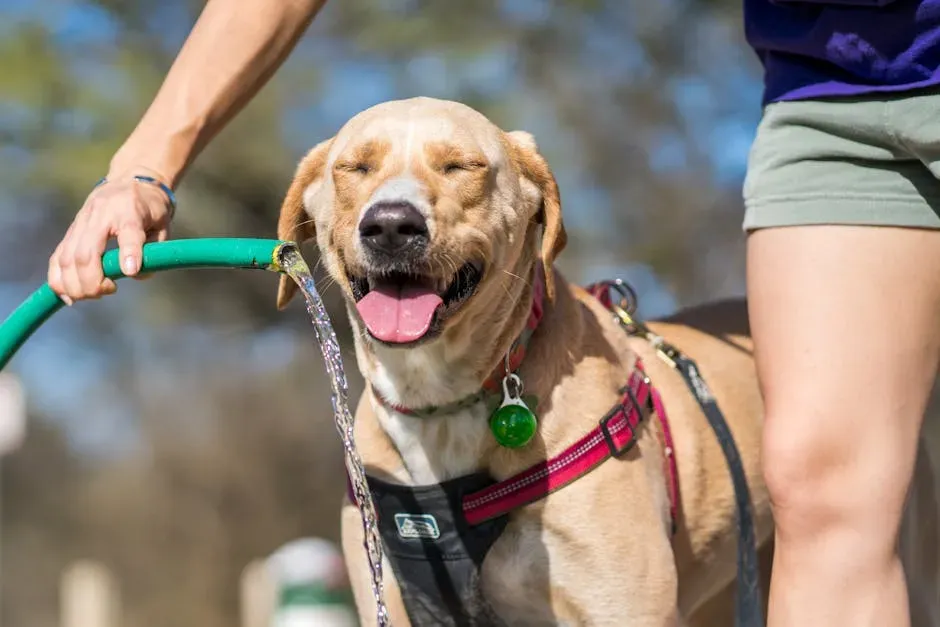
Hydration: The Lifeline in Scorching Heat (Image Credits: Unsplash)Imagine wearing a fur coat in the middle of a Texas summer. That’s your dog’s reality. Ensuring they have constant access to fresh, cool water is paramount. Place multiple water bowls around your home and yard, and refresh them frequently to prevent bacteria buildup. Adding ice cubes can provide an extra cooling effect, making the water more enticing.Dehydration can set in quickly. Signs include dry gums, lethargy, and sunken eyes. If you notice any of these symptoms, offer water immediately and consult your veterinarian. Remember, a well-hydrated dog is a happy and healthy dog.
Timing is Everything: Adjusting Walk Schedules
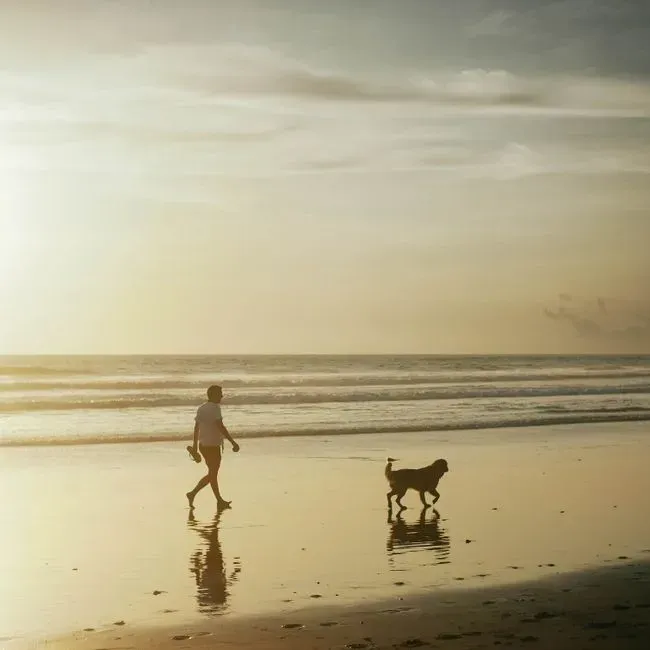
Timing is Everything: Adjusting Walk Schedules (Image Credits: Pexels)The midday sun can turn sidewalks into sizzling griddles, posing a risk to your dog’s sensitive paw pads. To prevent burns and overheating, schedule walks during the cooler parts of the day – early mornings or late evenings. Before heading out, place the back of your hand on the pavement; if it’s too hot for you, it’s too hot for them.Shorten the duration of walks during extreme heat and opt for shaded routes. If your dog shows signs of fatigue or excessive panting, it’s time to head home. Their safety and comfort should always come first.
Creating Cool Havens: Shaded Retreats and Ventilation
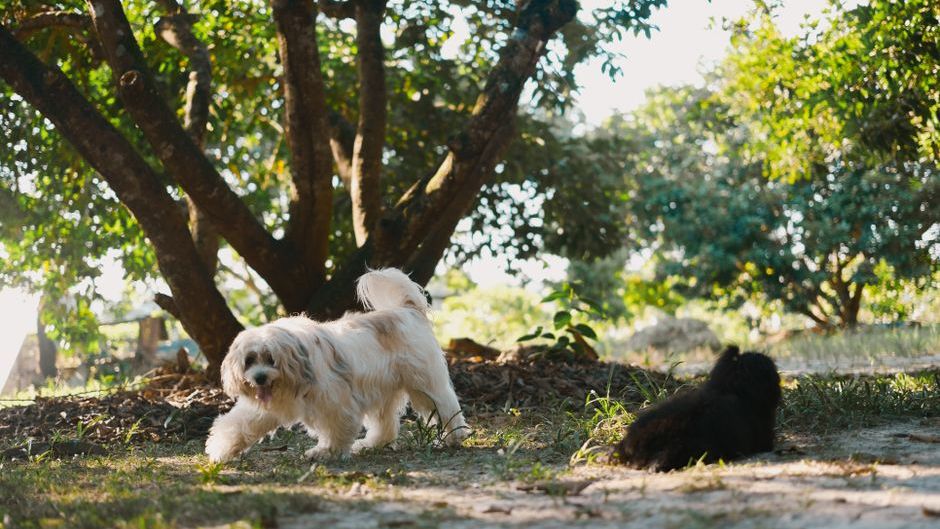
Creating Cool Havens: Shaded Retreats and Ventilation (Image Credits: Pexels)If your dog spends time outdoors, providing ample shade is crucial. Natural shade from trees is ideal, but if that’s not available, set up canopies or umbrellas. Ensure these shaded areas are well-ventilated to allow for air circulation, preventing heat buildup.Indoors, keep blinds or curtains closed during peak sunlight hours to maintain a cooler environment. Fans can aid in air circulation, but never point them directly at your dog, as this can cause discomfort. A cool, comfortable space is essential for their well-being.
Cooling Accessories: Mats, Vests, and More
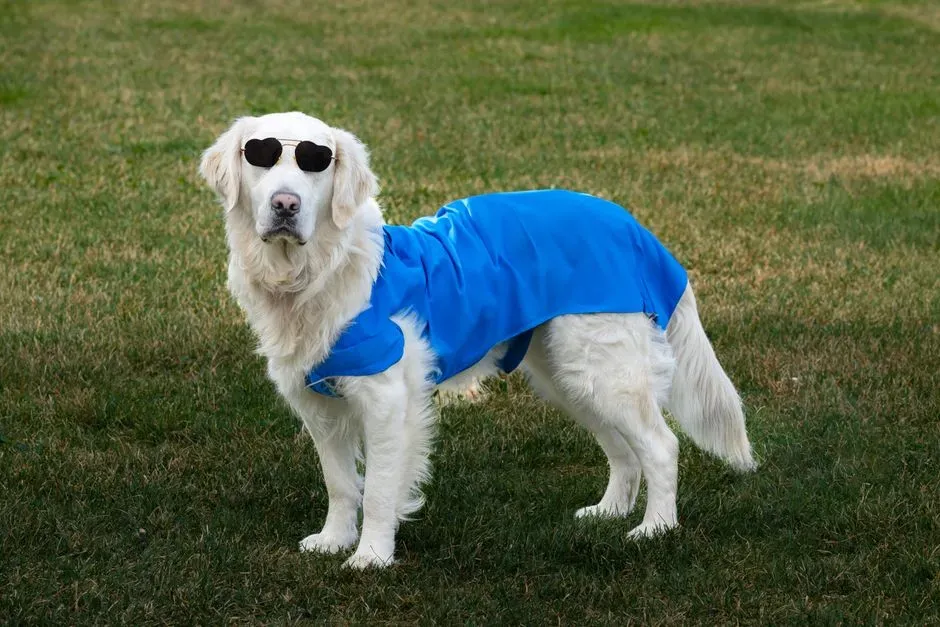
Cooling Accessories: Mats, Vests, and More (Image Credits: Pexels)Investing in cooling products can make a significant difference. Cooling mats provide a cool surface for your dog to lie on, while cooling vests can help regulate their body temperature during walks. These products are designed to be safe and effective, offering relief from the heat.Always monitor your dog when introducing new cooling accessories to ensure they are comfortable and not experiencing any adverse reactions. Remember, these tools are supplements to, not replacements for, other cooling strategies.
Grooming: To Trim or Not to Trim?
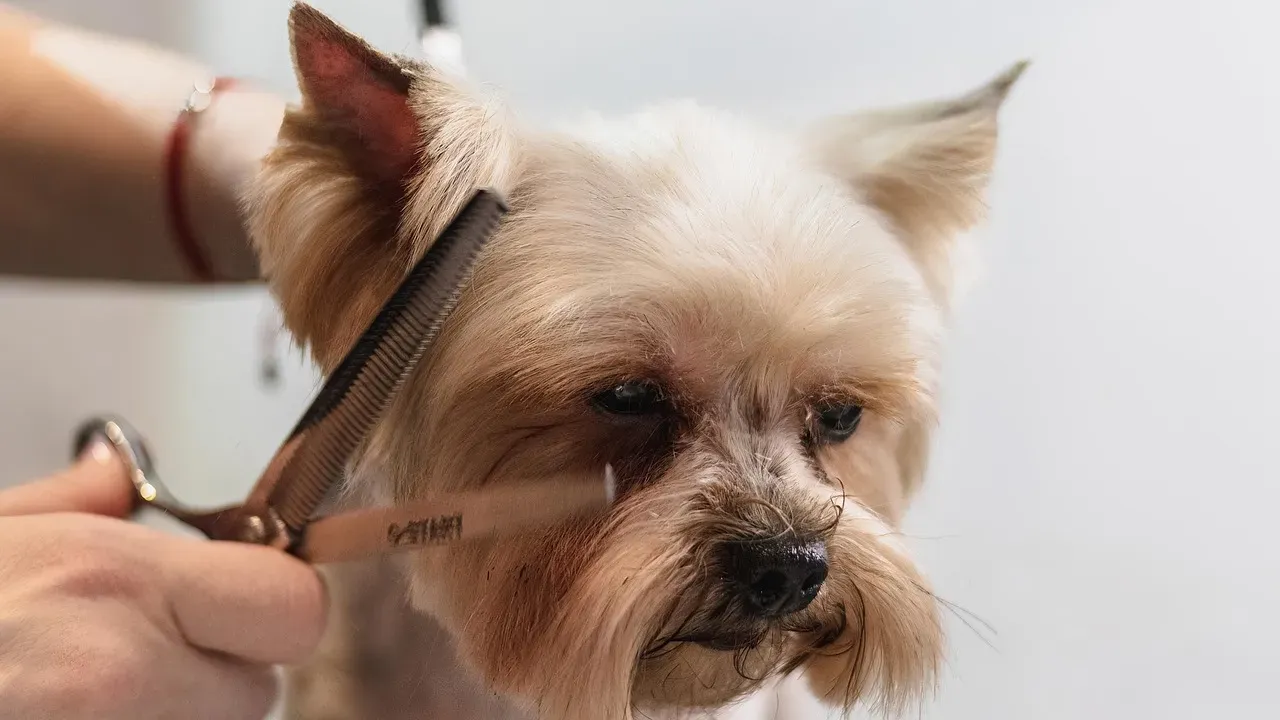
Grooming: To Trim or Not to Trim? (Image Credits: Pixabay)It’s a common misconception that shaving a dog’s coat will keep them cooler. In reality, a dog’s coat acts as insulation against both heat and cold. Instead of shaving, regular brushing helps remove excess fur and promotes better air circulation through the coat.For breeds with particularly thick coats, consult with a professional groomer about appropriate summer trims. Always avoid exposing your dog’s skin directly to the sun, as this can lead to sunburn and increased risk of overheating.
Recognizing and Responding to Heat Stress
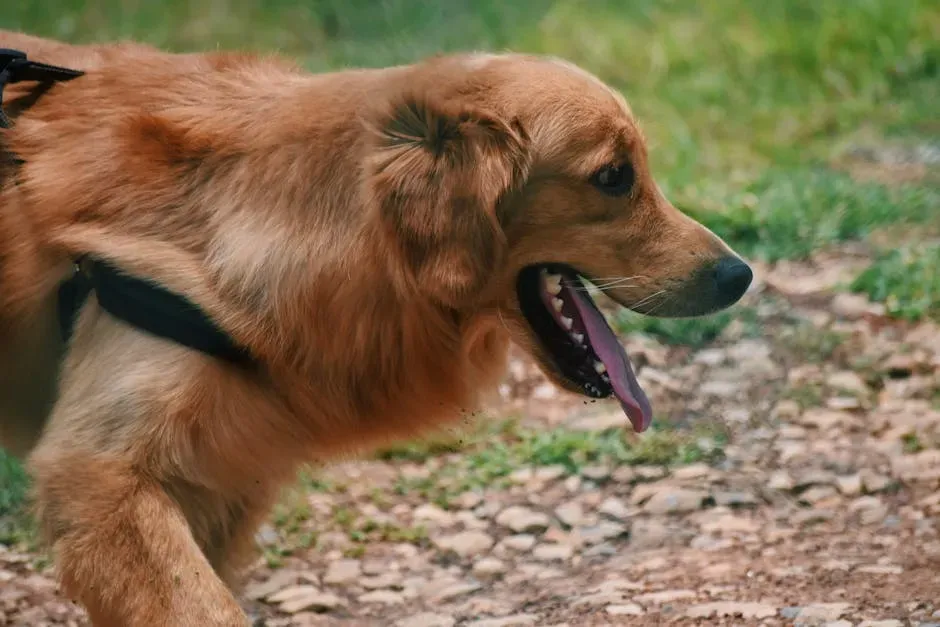
Recognizing and Responding to Heat Stress (Image Credits: Pexels)Being vigilant about your dog’s behavior during hot weather is crucial. Signs of heat stress include excessive panting, drooling, lethargy, vomiting, and uncoordinated movements. If you observe any of these symptoms, move your dog to a cooler area immediately, offer small amounts of water, and contact your veterinarian without delay.Preventing heat stress is always better than treating it. By implementing the strategies discussed, you can significantly reduce the risk of heat-related illnesses. Your dog’s health and happiness depend on your proactive care.
Conclusion
Conclusion (Image Credits: Pexels)Texas summers are undeniably harsh, but with thoughtful planning and attentive care, your dog can enjoy the season safely. By ensuring proper hydration, adjusting exercise routines, providing shaded and ventilated spaces, utilizing cooling accessories, and maintaining appropriate grooming practices, you can protect your furry friend from the dangers of extreme heat. Remember, our dogs rely on us to make the best decisions for their well-being. Isn’t it worth the effort to see them wagging their tails happily, even on the hottest days?