

Have you ever walked into your living room, only to find your dog gnawing on the corner of your brand-new couch? That sinking feeling in your stomach is something almost every dog owner has felt at some point. The sight of shredded cushions, bite marks on table legs, or chunks missing from your favorite chair can be enough to make you want to tear your hair out. But before you get too frustrated, remember: your dog isn’t trying to ruin your home out of spite. Chewing is a natural behavior—one that can be managed with patience, understanding, and a few clever strategies. Let’s dive into why dogs chew and how you can gently guide your furry friend away from the furniture and towards better habits.
Understanding Why Dogs Chew
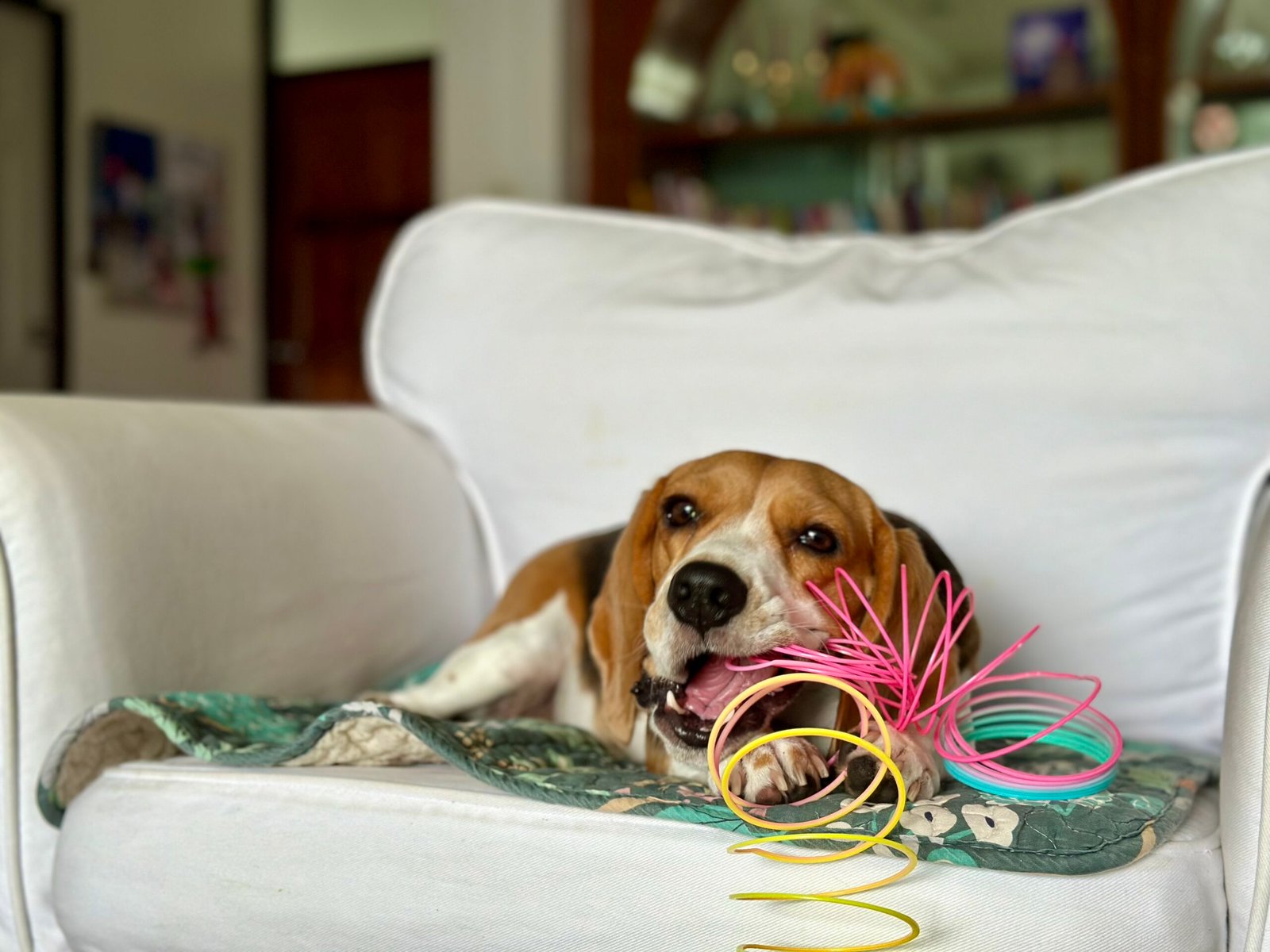
Chewing is as normal to a dog as barking or wagging their tail. For puppies, it’s a way to explore their world and soothe teething pains. For adult dogs, chewing can relieve boredom, anxiety, or even just be a fun way to pass the time. Sometimes, a dog may chew because they crave your attention—good or bad. If you react dramatically, your dog might think it’s a game or a way to connect. Recognizing these motivations is the first step in solving the problem.
Dogs don’t understand the difference between a pricey sofa and an old chew toy. If something smells interesting or feels good on their teeth, it becomes fair game. Instead of blaming your dog, try to see things from their point of view. This understanding will help you craft a plan that works for both of you, building trust along the way.
Puppy Teething Troubles

If you have a puppy, you’re probably dealing with teething woes. Just like human babies, puppies experience discomfort as their adult teeth come in, usually between three and six months old. During this time, they’ll chew on anything they can reach to relieve the pain. It’s a challenging period, but the good news is it won’t last forever.
To help your teething puppy, offer plenty of appropriate chew toys. Frozen washcloths, rubber toys, or special teething rings can provide relief. Rotate the toys to keep things interesting, and praise your puppy every time they choose the right item to gnaw on. If you catch them chewing the furniture, redirect them to the toy and gently encourage the right behavior.
Boredom: The Sneaky Culprit
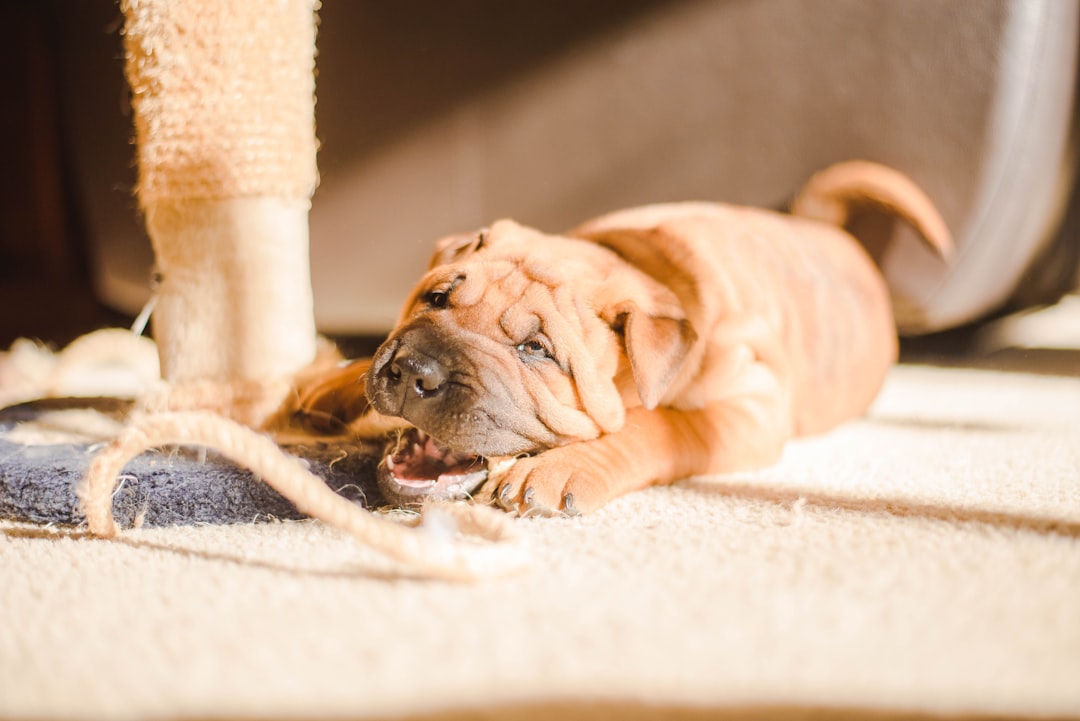
A bored dog is a mischievous dog. When left alone for long stretches without mental or physical stimulation, dogs often turn to chewing as a way to entertain themselves. This is especially true for high-energy breeds or young, active dogs who need an outlet for all that pent-up energy.
The solution? Keep your dog busy. Daily walks, play sessions, and puzzle toys can make a world of difference. Rotate their toys regularly so they don’t lose interest. If you’re out of the house a lot, consider hiring a dog walker or enrolling your dog in daycare once in a while. A tired dog is less likely to seek out your furniture for entertainment.
Anxiety and Stress Chewing

Some dogs chew because they’re anxious or stressed. Separation anxiety is a common trigger, especially in dogs who form strong attachments to their owners. When left alone, they might chew on furniture, shoes, or anything with your scent as a way to cope with their feelings.
If you suspect anxiety is the cause, focus on building your dog’s confidence and comfort when you’re not around. Leave them with worn clothing that smells like you, play calming music, or use anxiety wraps. Gradually increase the time they spend alone, rewarding calm behavior and making your departures and arrivals low-key. In severe cases, talking to a professional trainer or veterinarian can help.
Establishing Clear Boundaries
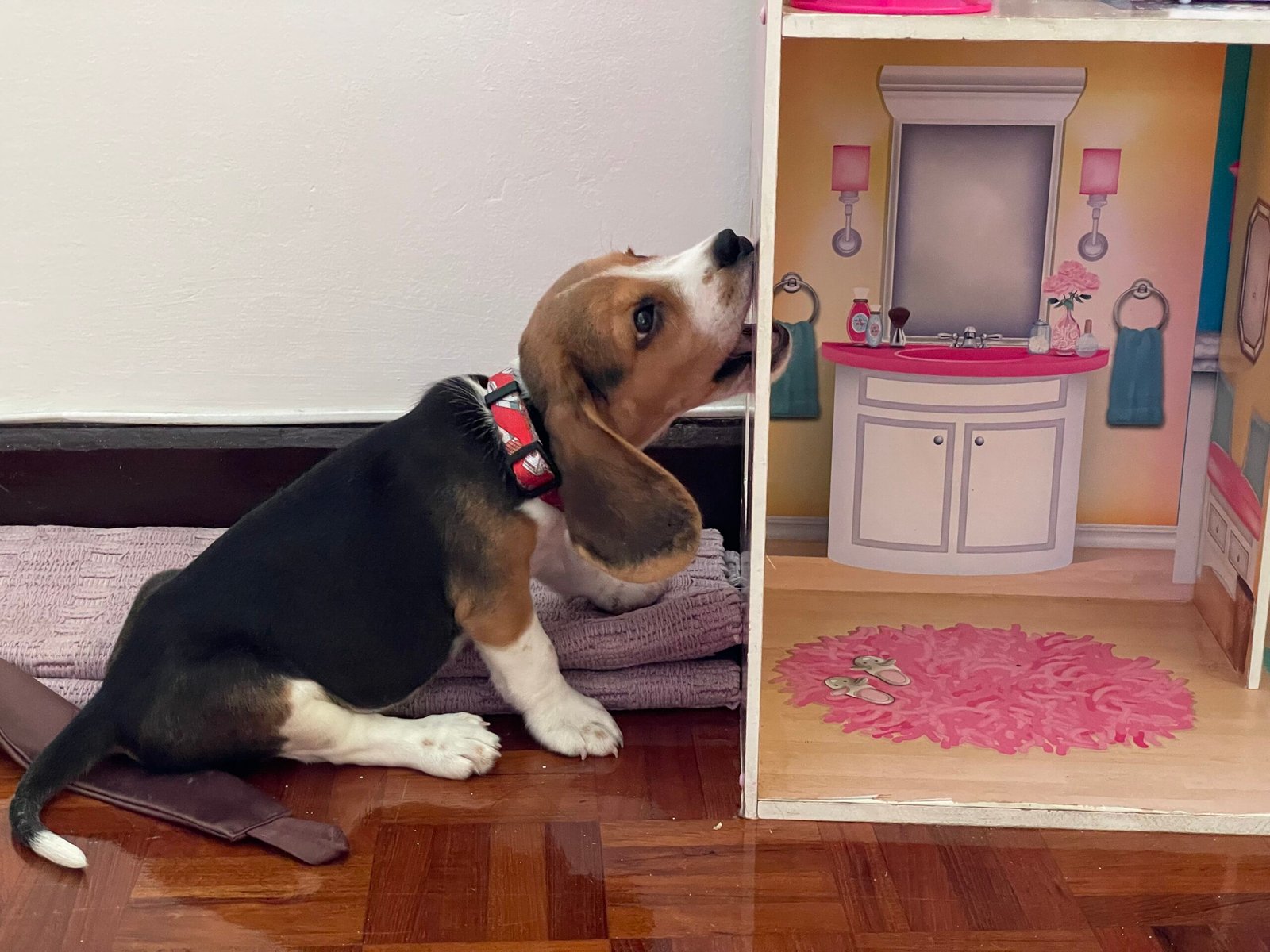
Dogs thrive on structure and consistency. If you want your dog to stop chewing the furniture, you need to set clear, consistent boundaries. Don’t allow them on the couch one day and scold them for it the next. Mixed messages only confuse your pet and make training harder for both of you.
Create designated spaces for your dog, like a cozy bed or crate with their favorite toys. Use baby gates or closed doors to keep them away from rooms where they’re prone to chewing. When you catch them in the act, calmly redirect them to an appropriate toy and praise them when they make the right choice. Over time, your dog will learn what’s off-limits.
Making Furniture Unappealing

Sometimes, you have to outsmart your dog. Making your furniture less appealing to chew can be an effective part of your strategy. There are safe, bitter-tasting sprays designed specifically to deter dogs from chewing. Simply spray the affected areas and watch your dog’s reaction—most will wrinkle their noses and back away.
You can also try covering furniture legs with double-sided tape or aluminum foil. Dogs dislike the sticky or crinkly sensation, so they’ll soon look elsewhere for entertainment. While these tricks won’t solve the root cause, they can buy you time while you work on training and providing alternative outlets.
Providing Irresistible Alternatives

If you want your dog to stop chewing the wrong things, you have to offer them something better. Invest in a variety of chew toys with different textures—rubber, rope, plush, or even edible chews. Experiment to see what your dog enjoys most; some dogs love squeaky toys, while others prefer a tough bone.
Rotate the toys regularly so your dog doesn’t get bored. You can also stuff toys with treats or peanut butter to make them extra enticing. When your dog chooses a toy over the furniture, shower them with praise or offer a small treat. Positive reinforcement is the secret sauce that makes new habits stick.
Exercise: The Secret Ingredient

A well-exercised dog is a happy, well-behaved dog. Physical activity burns off excess energy that might otherwise be directed toward destructive chewing. Daily walks, runs, or games of fetch are essential, especially for energetic breeds.
Mental exercise is just as important. Training sessions, scent games, or puzzle feeders challenge your dog’s brain and keep them engaged. If you notice your dog chewing more on rainy days or after missing a walk, that’s a clear sign they need more stimulation. Find ways to get them moving and thinking every single day.
Training and Consistency Pay Off

Training takes patience, but the results are worth it. Use a firm but gentle voice when redirecting your dog from chewing furniture. Never yell or use harsh punishments—these tactics only create fear and confusion. Instead, focus on positive reinforcement and consistency.
Every member of your household should follow the same rules and use the same commands. Dogs learn best when everyone is on the same page. Celebrate small victories and remember that setbacks are normal. With time and effort, your dog will learn to leave the furniture alone.
When To Seek Professional Help
Sometimes, no matter how hard you try, your dog’s chewing persists. If you’ve tried everything and your furniture is still under attack, it might be time to call in the pros. A certified dog trainer or behaviorist can assess your dog’s specific needs and craft a tailored plan.
In some cases, excessive chewing can signal an underlying medical issue, such as dental pain or gastrointestinal discomfort. If you notice other changes in your dog’s behavior, appetite, or health, don’t hesitate to consult your veterinarian. Early intervention can prevent bigger problems down the road.
Stopping your dog from chewing the furniture starts with understanding the “why” behind the behavior—whether it’s boredom, teething, anxiety, or a lack of proper outlets. By providing engaging chew toys, setting clear boundaries, using positive reinforcement, and staying consistent with training, you can redirect this destructive habit into healthy behavior. Patience and persistence are key, as is ensuring your dog’s physical and mental needs are met. With the right approach, your furniture can stay intact—and your dog can learn better ways to express their natural chewing instincts.


