

The Border Collie gets most of the glory. Ask anyone to picture a farm dog, and there’s a solid chance they’ll describe that low-crouching, intense-eyed black and white shadow working a flock with laser focus. It’s well-earned. The Border Collie’s innate herding instinct allows it to easily gather, move, and control livestock with precision, and combined with its insatiable work ethic, it may be the ultimate herding breed.
But here’s the thing: not every farm needs a Border Collie, and not every farm dog role is about herding. There are so many great livestock guardian dog breeds and herding dog breeds, and it’s simply not a one-size-fits-all situation. Whether you’re running cattle across rough terrain, protecting sheep from predators at night, clearing vermin from a grain barn, or just need a steady, smart companion that pulls its weight on a working property, there are breeds built precisely for that job. Some of them will quietly outperform a Border Collie in their specific niche without you ever knowing what you were missing.
1. Australian Cattle Dog (Blue Heeler / Red Heeler)
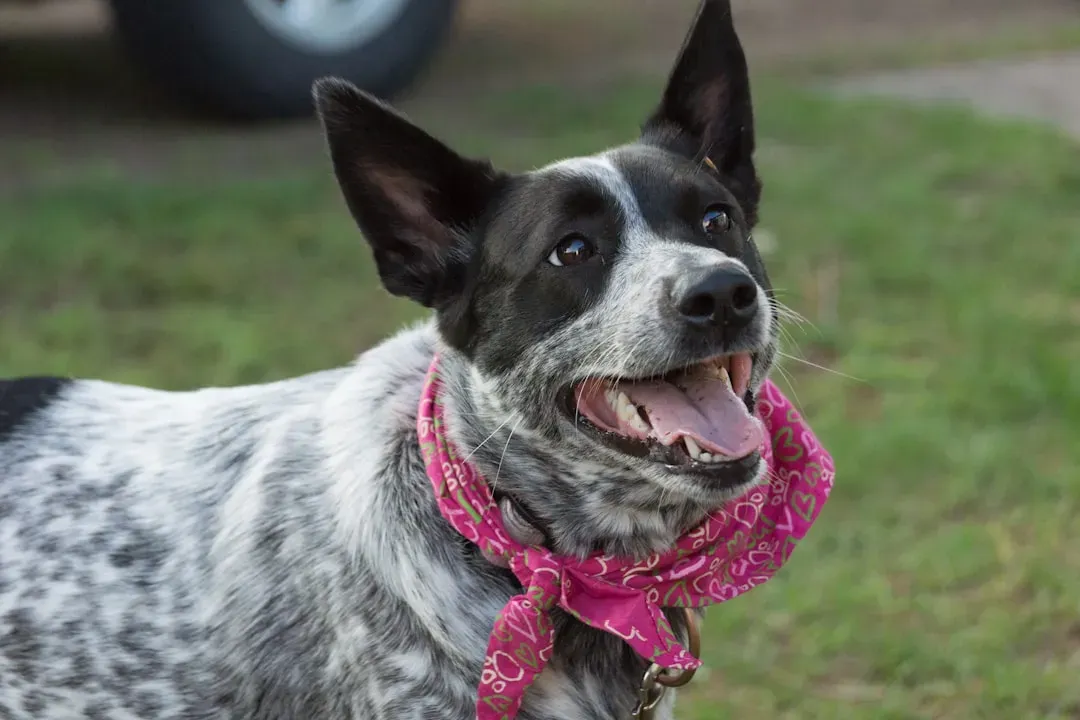
The Australian Cattle Dog, also known as the Blue or Red Heeler, has played a pivotal role in herding beef cattle across Australian ranches since it was introduced to the country in the early nineteenth century. If you’re managing cattle rather than sheep, this is arguably the most purpose-built dog available. Their approach is physical and decisive, nipping at heels to move stubborn animals rather than relying on the intense eye pressure the Border Collie favors.
Australian Cattle Dogs are a staple for livestock owners and handlers, compact and built for a hard day’s work around the ranch or out on the summer range, with powerful herding instincts and a well-known ability to quickly nip the heels of livestock. That style of heeling works especially well with larger, more resistant cattle that won’t respond to eye-contact herding.
Mixing intelligence, resilience, and a sturdy frame, Australian Cattle Dogs require copious amounts of physical and mental stimulation, but truly thrive in a farm environment where there is no shortage of activities to occupy them. Health-wise, watch for hip dysplasia and progressive retinal atrophy, particularly as they age. Early vet checks and a working lifestyle that keeps them lean and active go a long way toward a healthy dog.
2. Australian Shepherd
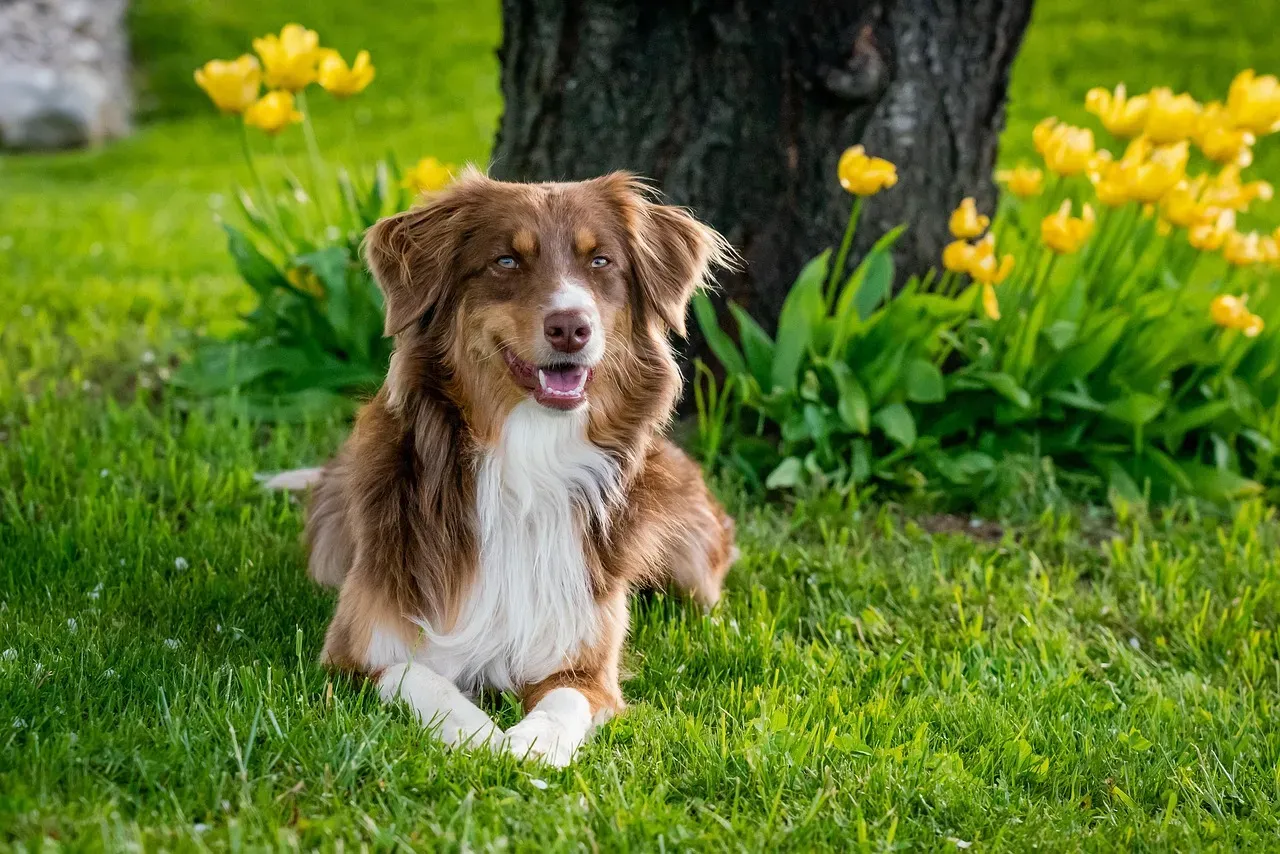
Prized for their strong herding instinct, exceptional intelligence, and boundless energy, Australian Shepherds are an invaluable key in managing and controlling livestock on the farm, forming deep bonds with their owners while tirelessly working long hours and remaining alert and watchful. They’re versatile in a way that few breeds match, comfortable herding sheep, cattle, or goats, and equally at ease in the truck on the way back to the house.
Contrary to their name, Aussies were actually originally bred in Europe. Known as a midsize breed with intelligence and herding instincts, they are fast learners and always ready to work, great for herding sheep, cows, or even kids, and while bursting with energy, they’re also known for a loving and agreeable nature that makes them equally great as family and companion pets.
If your farm has children around, the Australian Shepherd is one of the more family-friendly working breeds you’ll find. Keep an eye on their coat for matting, and make sure they have enough mental engagement during slow seasons, because a bored Aussie tends to find its own entertainment, which isn’t always helpful.
3. Great Pyrenees
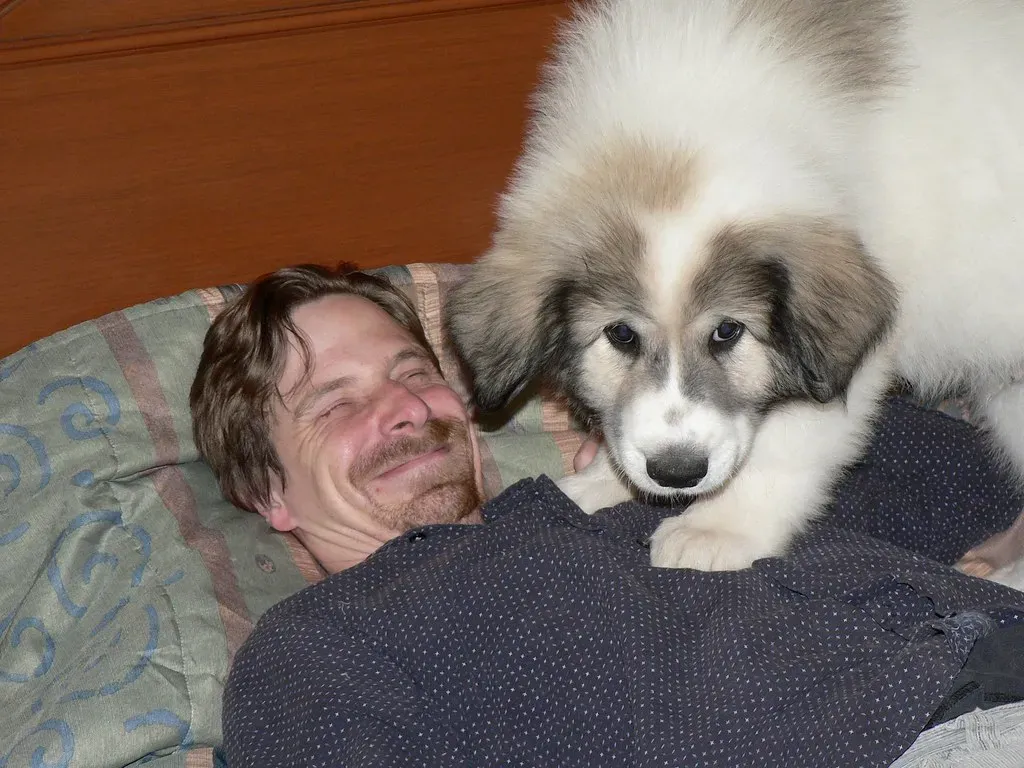
The Great Pyrenees originated in the Pyrenees mountains of Europe, which form the border between France and Spain, where they were developed by the Basque people to protect their flocks from predation by bears and wolves, and the dogs have been used for this purpose for over a thousand years. This is a fundamentally different type of farm dog. They don’t herd. They guard. And they do it with an independence and fearlessness that can feel almost supernatural to a first-time owner.
One of the most interesting qualities of a Great Pyrenees is the absolute intolerance of all predators, coupled with extraordinary patience and kindness to stock. Pyrenees will bark at a perceived threat first, then confront it, barking and puffing up their coats, and there are well-documented stories of a single Pyrenees driving off wolves, coyotes, mountain lions, and even bears.
It can be trusted with small, young, and helpless animals of any kind, but a pup needs supervision, as it usually takes about 18 months to become a true livestock guardian dog. Don’t skip the early bonding process. Dogs should be introduced to livestock as puppies so they imprint on the animals. For health care, monthly heartworm treatments are a must, as well as flea and tick prevention, and their thick double coat needs regular brushing, particularly around the neck and ears where mats are most common.
4. German Shepherd
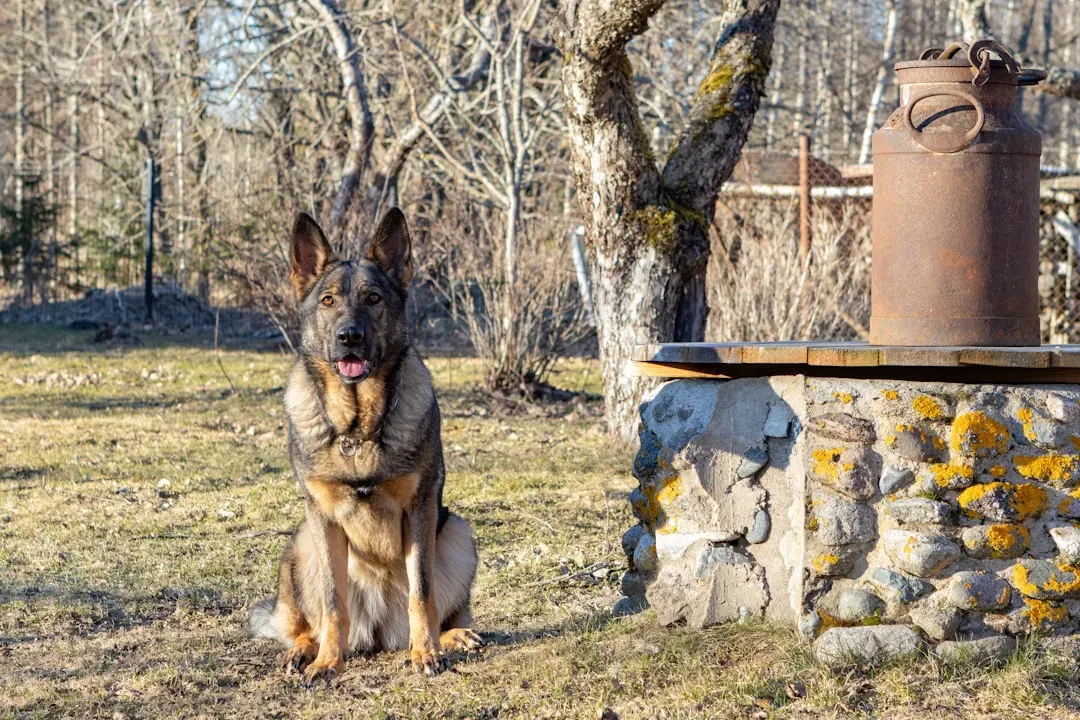
German Shepherds are versatile dogs who can be trained for a number of purposes on a farm, and while they were originally bred to herd sheep, they also have an extremely protective nature, which aids them in deterring threats to livestock or farm property. That dual role is what sets them apart. On a farm facing predator pressure, intrusions, or general security challenges, very few breeds can match a well-trained German Shepherd’s all-around capability.
Highly trainable and extremely intelligent, the German Shepherd is perhaps the ideal candidate for farm work, with physical capabilities including strength, stamina, and agility that are matched by an almost incomparable work ethic. They respond exceptionally well to structured training and clear expectations, which makes them a good choice for farmers who are willing to invest real time in a working partnership.
One practical note: German Shepherds bond deeply with a primary handler and can become anxious or reactive without consistent engagement. They also carry a genetic predisposition to hip dysplasia, so keep them at a healthy weight, avoid over-exercising puppies on hard surfaces, and schedule regular vet check-ins. A working German Shepherd who is cared for properly is a remarkable farm companion for many years.
5. Australian Kelpie
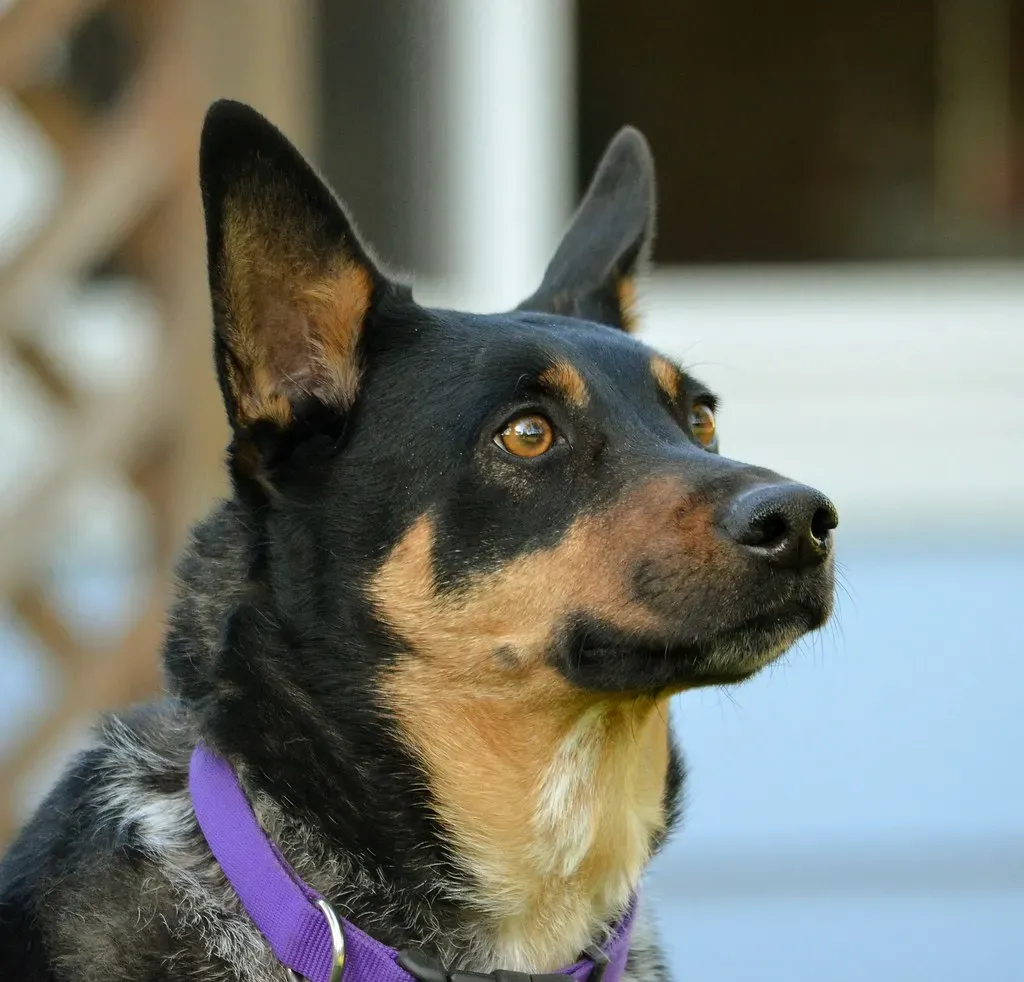
The Australian Kelpie is an Australian sheepdog capable of mustering and droving with little or no guidance, a medium-sized dog that has been exported throughout the world and is used to muster livestock, primarily sheep, cattle, and goats. For farmers who need a dog that can think independently and cover serious ground without constant direction, the Kelpie is in a class of its own.
These dogs possess an exceptional ability to work over vast areas of diverse terrain, and their keen senses and quick reflexes allow them to efficiently manage sheep and cattle even without direct supervision. The dogs could travel more than 30 miles in a single day, working in hot, dusty climates without a break. That’s not a misprint. Their endurance is genuinely extraordinary.
Working Kelpies are often described as “workaholics,” with a strong drive to herd. However, they require a lot of physical exercise and mental stimulation, otherwise they can become bored and hence be disruptive by constantly barking, digging, or chewing on objects. Ailments to watch for include eye diseases such as Progressive Retinal Atrophy, which can cause blindness, and hip dysplasia. Get parental health clearances when sourcing a pup, and commit to the exercise demands. This is not a low-maintenance breed.
6. Pembroke Welsh Corgi
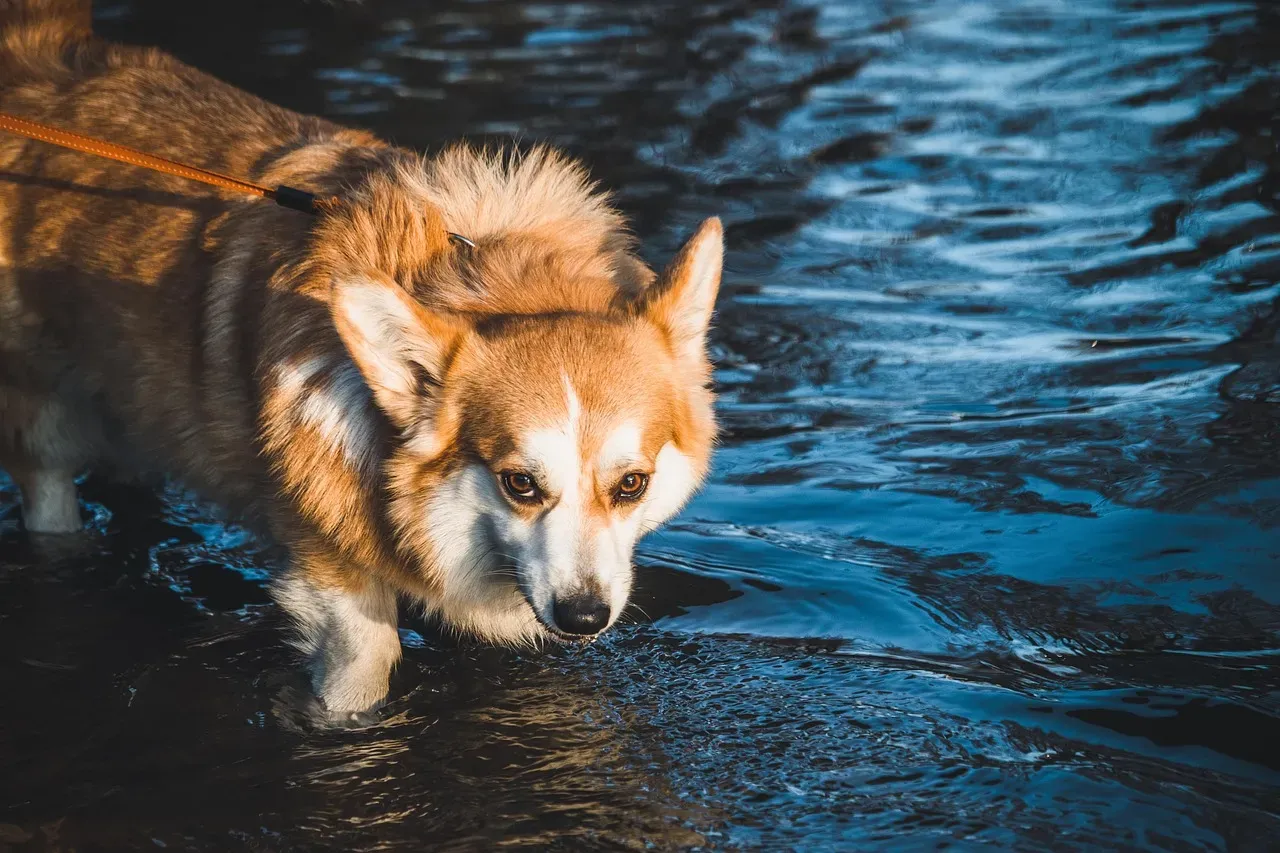
Don’t let the stubby legs fool you. The Pembroke Welsh Corgi might not be the first breed to come to mind when you need a hardy herding dog, but these pint-sized canines are bred to work. Despite its small size, the Pembroke Welsh Corgi is a strong, athletic, muscular dog that drives livestock by nipping at the heels, and is fearless and vigilant, making it great for protection and guard duty as well.
Not many people are aware that Corgis were originally bred to be herding dogs, and they’re best used for smaller properties because of their short legs, which means they don’t have to travel long distances. That’s an honest limitation worth knowing. If your operation covers hundreds of acres, a Corgi is going to run out of range. On a mid-size or smaller farm with sheep or goats, though, they’re remarkably efficient.
When the work is done, these dogs are exceptional companion and family pets with a loving and protective nature. Health-wise, their long spines make intervertebral disc disease (IVDD) a real concern, so avoid encouraging jumping from heights, and keep their weight managed. Obesity is one of the most common and preventable health problems in the breed.
7. Catahoula Leopard Dog
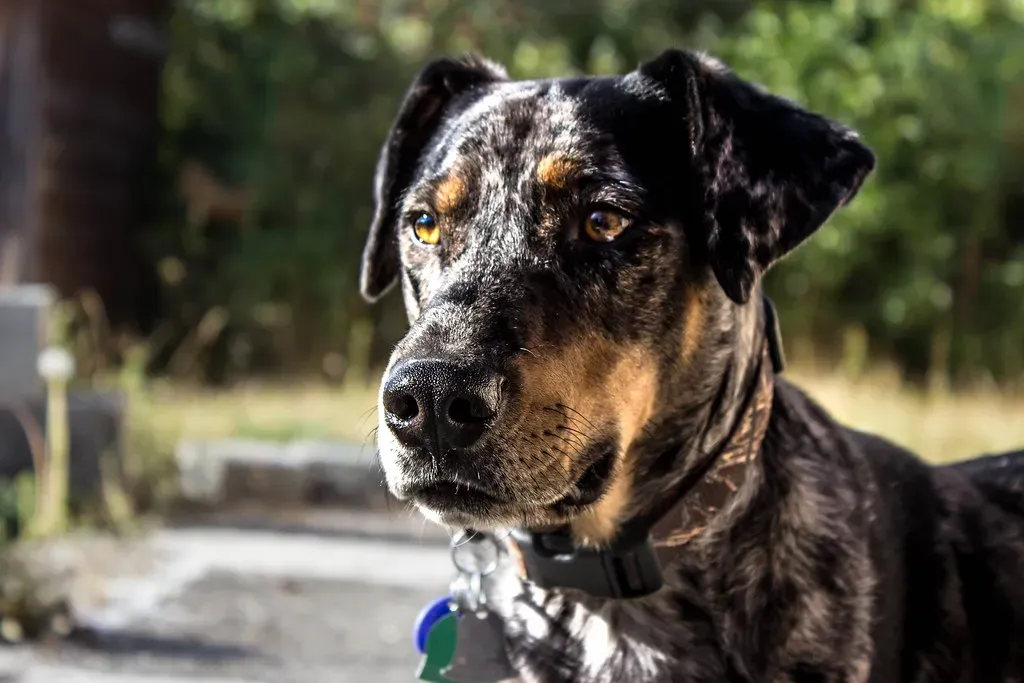
Catahoula Leopard Dogs, or simply “Catahoulas,” are smart and athletic canines that have found success in a great variety of jobs including that of stock dogs, agile with great endurance and a keen hound-like sense of smell that helps them seek out and hold livestock for their handlers, and they are serious about their work and easy to train but very affectionate at home. They bring something unusual to the farm: the ability to track down livestock hidden in thick brush or spread across woodland terrain.
What really distinguishes the Catahoula is their method. They don’t just herd, they bay. They will circle, hold, and keep animals in place until the farmer arrives, making them invaluable for hog management or feral livestock retrieval in dense environments. Their origins trace back to European settlers who came to the southern United States with multi-purpose dogs, and today’s Catahoulas are still used for herding, driving, and hunting, though they’ve also become popular as pets for highly active families.
Early socialization is essential with this breed. Catahoulas are naturally independent and can be intense, so they’re best suited to experienced dog owners who understand working-breed dynamics. They’re deeply loyal once bonded, but they need clear, consistent guidance from the start. A Catahoula with a job to do is calm and focused; a Catahoula without one can become willful and destructive.
8. English Shepherd
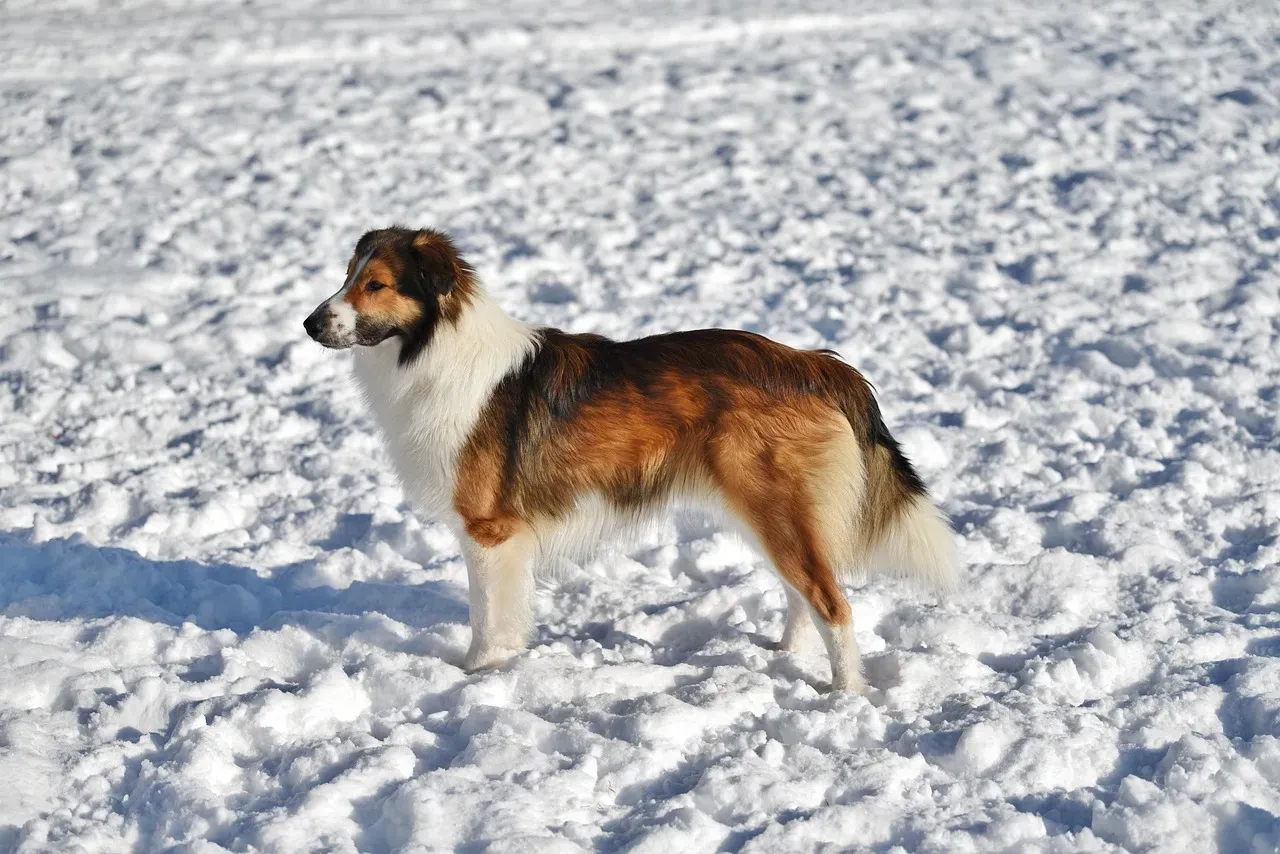
English Shepherds are perfect farm dogs for poultry farmers looking for a breed gentle enough to work with poultry but still capable of protecting the farm. The English Shepherd was brought to the United States by British and Irish settlers in the eighteenth century, shares common ancestors with the Border Collie, Australian Shepherd, and Rough Collie, and quickly gained popularity in the eastern states, working to herd livestock, guard the farm, and provide companionship.
Their gentleness around smaller animals is one of their most practical qualities. Some breeds, like English Shepherds, can safely herd chickens and other poultry. That alone sets them apart from many herding breeds whose prey drive makes chicken management a liability rather than an asset. They’re also naturally adaptable, equally comfortable working cattle in the morning and settling next to children in the evening.
English Shepherds are relatively easy to train and eager to please, making them a solid choice for farmers who want a responsive, versatile dog without the extreme intensity of a Border Collie or Kelpie. They thrive on structure and a clear role on the property. Give them a job, keep them engaged, and you’ll have one of the most all-purpose farm dogs available.
9. Anatolian Shepherd
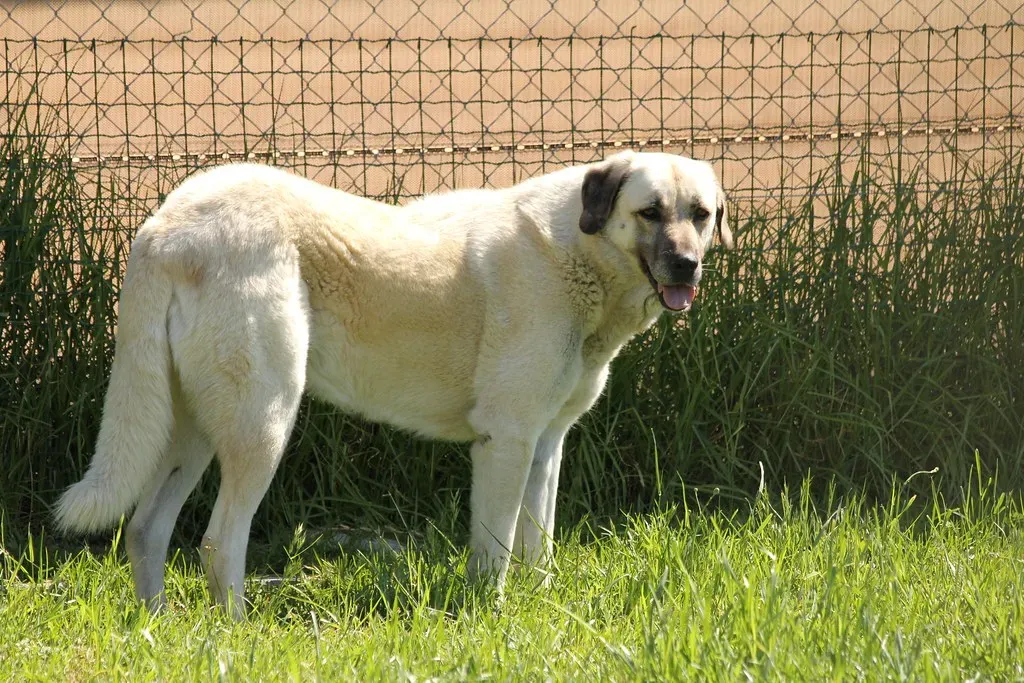
This massive breed, which weighs up to 150 pounds, isn’t a herding dog at all. Instead, it’s a livestock guardian, independent, territorial, and protective, often taking up a position on a high vantage point to look out over the entire flock below, and capable of working in teams to keep a close eye on larger herds. If your farm faces serious predator pressure from coyotes, wolves, or even mountain lions, this is a breed built to handle exactly that threat.
Anatolian Shepherds are known for their adaptability to various climates and terrains, making them suitable for a variety of farm settings, and they have earned a well-deserved reputation as top-tier livestock guardian dogs, making them an excellent choice for farm owners seeking reliable protection for their livestock. Originating from Turkey, Anatolian Shepherds are built for harsh environmental conditions, and their calm demeanor combined with fierce protective instincts makes them ideal for guarding livestock against predators.
These dogs are not for first-time dog owners. They’re independent thinkers who will make decisions on their own, and they need early socialization to prevent over-protectiveness toward strangers. Start them with livestock as young puppies, keep up with heartworm and tick prevention given their outdoor lifestyle, and invest in strong, high perimeter fencing because a roaming Anatolian following a perceived threat is a dog you may not easily redirect.
10. Airedale Terrier
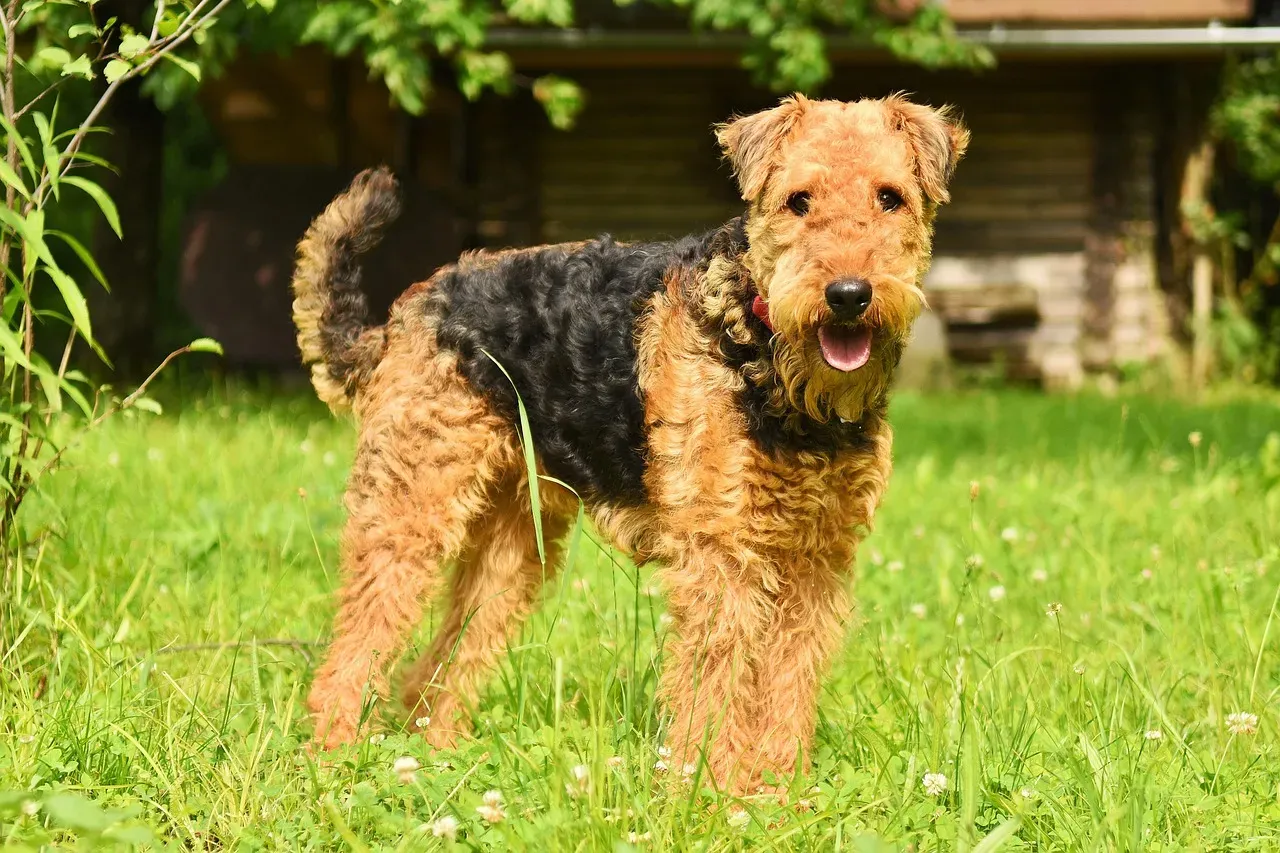
Known as the “King of Terriers” due to their formidable size, Airedale Terriers can use their strength and stamina to keep up with the demanding nature of work on a farm. They bring something different to the table compared to the herding and guardian breeds: unmatched versatility and a nose for trouble. Airedales are a combination of several different breeds, including the Otterhound and now-extinct breeds like the English Black and Tan Terrier, and the breed was developed in the mid-1800s in the United Kingdom, originally used to hunt ducks and rats.
On a working farm, the Airedale serves as a capable vermin controller, a watchdog with an authoritative bark, and a general utility companion who adapts to diverse tasks. Proficiency, courage, and high energy make terrier types a perfect fit for pest control, as they’re small and agile enough to pursue rodents, raccoons, and other pests that can damage crops and steal eggs from poultry. The Airedale brings terrier drive in a larger, more durable package.
Their wiry, dense coat offers some weather protection, but it requires regular grooming and trimming to stay in good condition. Airedales are smart, confident, and occasionally headstrong, so consistent positive training from puppyhood is non-negotiable. They respond well to owners who are engaged and firm without being harsh. A well-trained Airedale on a farm is one of those dogs that quietly earns its place every single day.
Choosing the Right Farm Dog for Your Property
Consider your specific needs: property size, type of livestock, climate, and required tasks, and match these with breed characteristics, energy levels, and natural instincts. That framework matters more than any single breed reputation. A Great Pyrenees on a small hobby farm in a hot climate faces a very different challenge than one patrolling mountain pastures, and a Kelpie confined to a small paddock with no livestock is a dog set up to struggle.
Livestock guardian dogs are there to protect and blend in with the livestock, acting as protection against predators or to alert the farmer if there’s a problem. Herding dogs, by contrast, work in active partnership with the farmer to move animals efficiently. Depending on your setup, there may be a situation in which someone wants both a livestock guardian dog and a herding dog. Many experienced farmers run both types, because no single dog does everything equally well.
All farm dogs need training to a certain degree. Though many breeds will have great instincts for farm life, you still have to take action like socializing them, teaching them to respond to commands, and getting them properly accustomed to chickens or livestock. The instinct is the foundation. The training is what makes it useful.
Conclusion
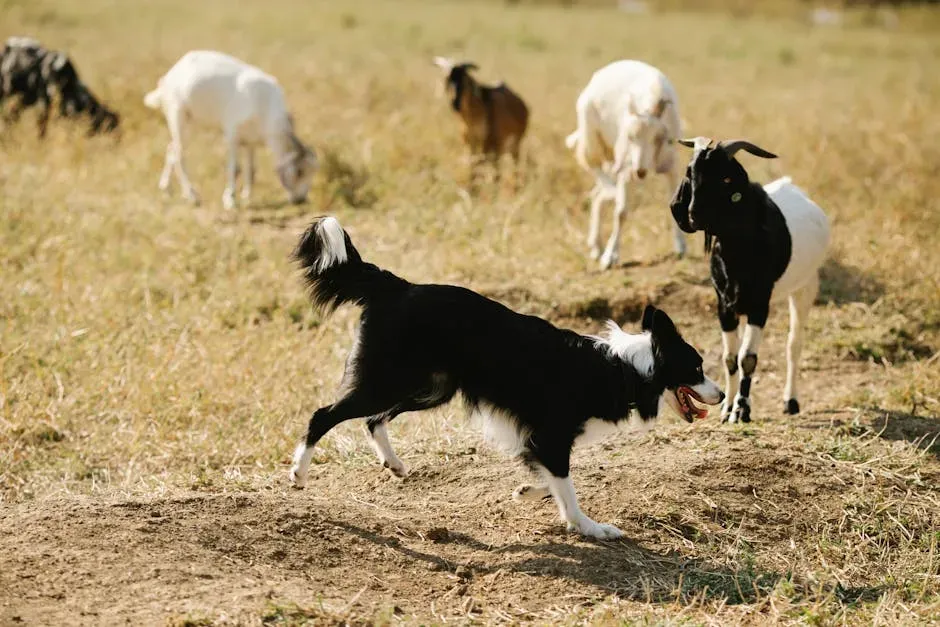
The Border Collie earned its legend honestly. It remains one of the most remarkable working dogs ever developed. Still, every farm is its own ecosystem, with its own predators, terrain, livestock type, and family situation, and the best farm dog is the one matched honestly to that reality rather than chosen by reputation alone.
Whether you fall for the quiet authority of a Great Pyrenees standing watch at dusk, the tireless precision of a Kelpie covering impossible distances, or the versatile charm of an English Shepherd that equally handles poultry and kids, the right fit is out there. Take time with the decision. Successful farm dogs result from both careful breed selection and proper training, and with the right choice and investment in training, your farm dog will become an invaluable partner in your agricultural operation.
The best working dogs don’t just do a job. They change how the whole farm runs. Choose wisely, and you might just wonder how you ever managed without them.


