
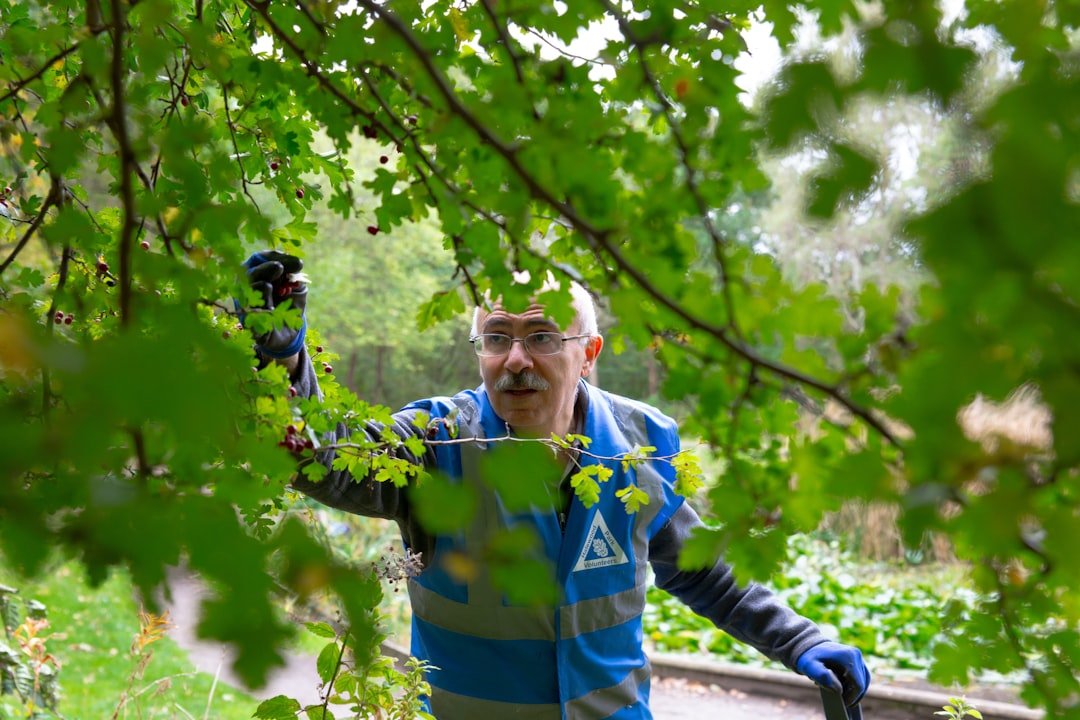
Brava, Cabo Verde – Youths in the island’s cloud forests worked diligently among thorny shrubs, uprooting invasive species that endangered native orchids and grasses.[1][2] This hands-on effort highlights a critical shift in environmental protection. Experts argue that despite decades of funding, traditional approaches have failed to halt biodiversity decline. Community-led strategies offer a more practical path, leveraging local knowledge and incentives for lasting impact.
Efficiency Gains from Ground-Level Action
Community-managed conservation outperforms top-down models in key areas. Protection often consumes about 60% of budgets, yet local presence and trust slash these expenses. African national parks typically spend over $800 per square kilometer annually. Community initiatives operate far leaner, at $280 to $350 per square kilometer.[1]
The Makame Wildlife Management Area in Tanzania demonstrated this starkly. Supported by the Honeyguide Foundation, it functioned at just $23 per square kilometer per year. Poaching dropped by 94% over three years, proving low cost does not equate to low results.[1] Pastoral groups in the Tarangire ecosystem used similar areas to safeguard land and livelihoods, even without complete rights transfer.
| Conservation Model | Annual Cost per km² (USD) |
|---|---|
| African National Parks | 800+ |
| Typical Community Models | 280-350 |
| Makame WMA (Tanzania) | 23 |
Resilience Tested by Global Shocks
Local stewardship shines during crises. Community areas maintained goals amid the COVID-19 pandemic, showing no rise in poaching or habitat loss despite funding drying up. External shocks rarely disrupt operations rooted in daily dependence on the land.[1]
This stability stems from embedded rules and social accountability. Compliance strengthens through trust, not just patrols. Such models embed conservation within community institutions, making them adaptable to political or economic turbulence.
Stewards of the World’s Richest Ecosystems
Indigenous and local communities oversee at least one-third of the planet’s most biodiverse and intact landscapes. These areas consistently show lower deforestation, poaching, and degradation compared to other governance types.[1] Geography dictates this role; remaining biodiversity clusters where people live closest to nature.
Communities act as natural capital managers, not mere participants. Their governance systems form part of the asset, alongside wildlife and habitats. Recent analyses, including a Mongabay commentary, urge recognition of this reality.[1]
- Lower enforcement costs through local legitimacy.
- Enhanced compliance via social bonds.
- Alignment of conservation with livelihoods.
- Stability across funding cycles.
- Superior protection of high-biodiversity zones.
Overhauling Finance for Long-Term Wins
Current funding treats communities as project workers, not enduring partners. Capital funnels to intermediaries, leaving frontline stewards underfunded. Short cycles prioritize quick outputs over capacity building, eroding trust and scalability.[1]
Governance concerns often halt investment, yet strengthening it mitigates risks. Long-term support fosters decision-making, transparency, and conflict resolution. Experts from organizations like ReGeCom and Wildlife Conservation Action emphasize this shift ahead of events like Nairobi’s Business of Conservation Congress.
Key Takeaways
- Community models deliver better results at a fraction of the cost of traditional parks.
- Investing in local governance reduces risks and builds enduring systems.
- Aligning finance with community custodianship ensures resilience and equity.
Conservation demands a systemic rethink. By positioning local communities as core investors in nature, outcomes improve for ecosystems, economies, and societies alike. Stakeholders must prioritize this model to counter accelerating threats. What role do you see for communities in your region’s conservation? Share your views in the comments.


