
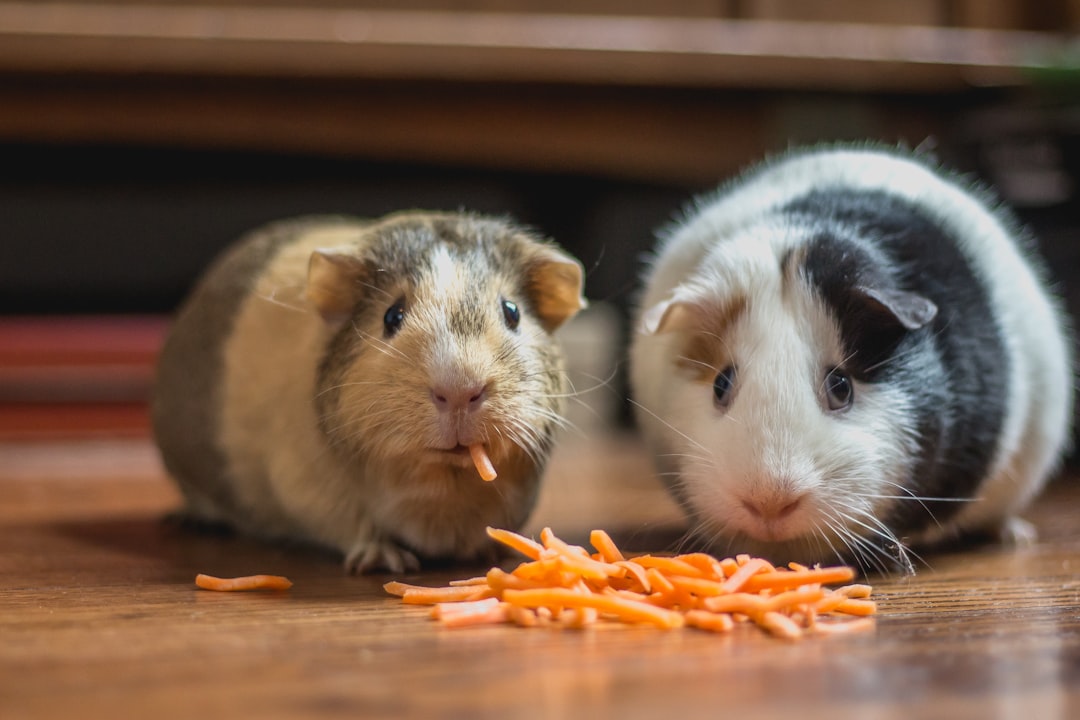
Have you ever watched a guinea pig munch a piece of lettuce and wondered what really goes into their diet? These adorable, squeaky pets are more than just cute faces—they have specific nutritional needs that can make or break their happiness and health. If you’re a guinea pig lover, you know there’s nothing more heartbreaking than a sick or unhappy piggy. Let’s dig into the surprisingly complex world of guinea pig nutrition and discover what keeps these little buddies thriving!
The Importance of a Balanced Diet
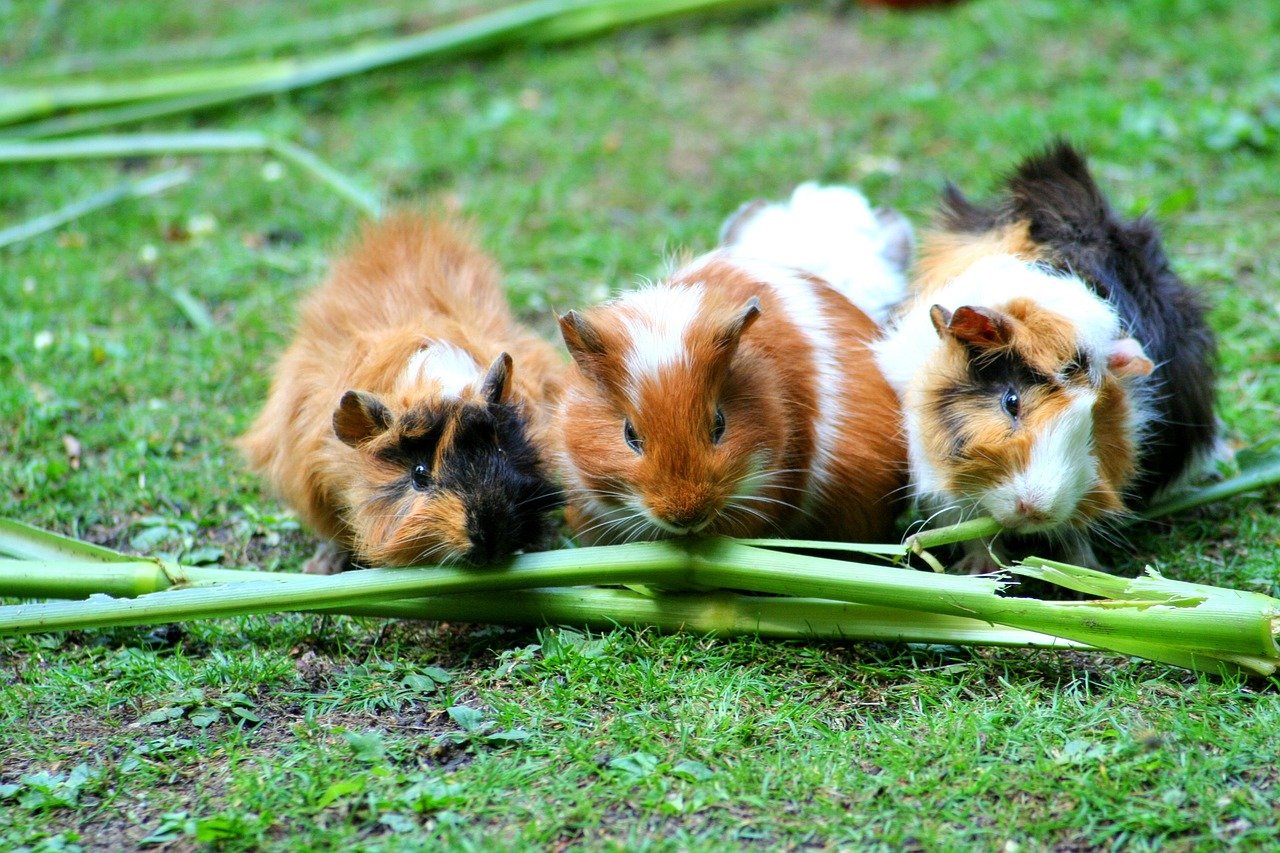
Guinea pigs are herbivores, which means their entire diet comes from plant-based foods. But not just any plant will do—their bodies need a careful balance of fiber, vitamins, and minerals to stay healthy. A diet that’s too limited or too rich in the wrong ingredients can quickly lead to health problems. For example, without enough fiber, their digestive systems can slow down, making them feel lethargic and uncomfortable.
What’s truly surprising is how a simple mistake in their diet can cause big problems. Guinea pigs can’t make their own vitamin C, which means they rely totally on their food for this essential nutrient. If they don’t get enough, they can develop scurvy—a painful and dangerous condition. So, a balanced diet for guinea pigs isn’t just about keeping them plump and happy; it’s about giving them a chance at a long, healthy life.
Hay: The Foundation of Guinea Pig Nutrition
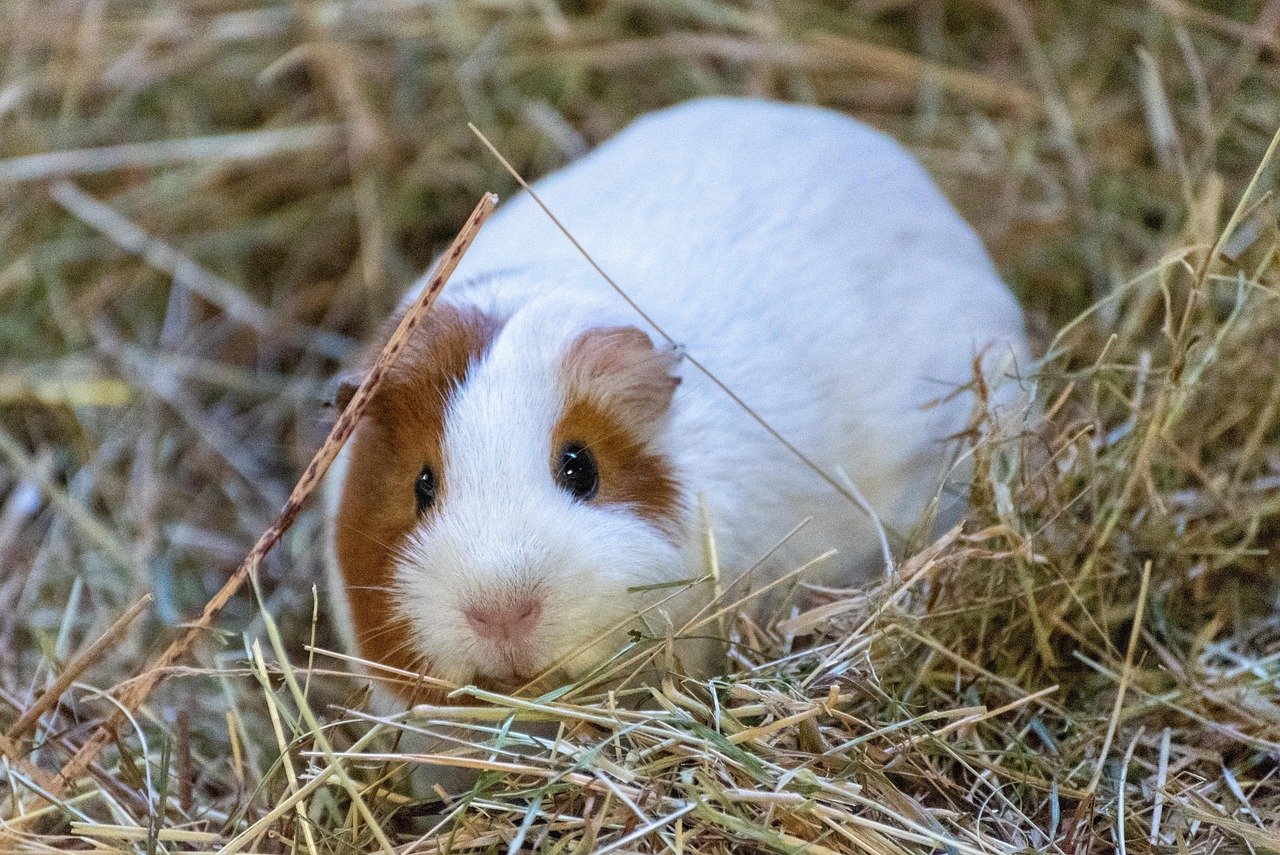
Hay isn’t just a treat or a snack—it’s the backbone of a guinea pig’s diet. In fact, hay should make up about 80% of what your guinea pig eats every single day. Why? Because hay is packed with the fiber that keeps their digestive system running smoothly. Without enough hay, guinea pigs can suffer from gut problems, which can be life-threatening.
Timothy hay is the most popular choice, but orchard grass and meadow hay are great options too. Some owners like to mix different hays to keep things interesting. Fresh, green hay smells sweet and is soft to the touch. Imagine offering your guinea pig a crunchy pile of goodness that not only tastes great but also keeps their teeth in check—because chewing hay naturally wears down their ever-growing teeth.
Fresh Vegetables: Colorful and Nutritious Treats
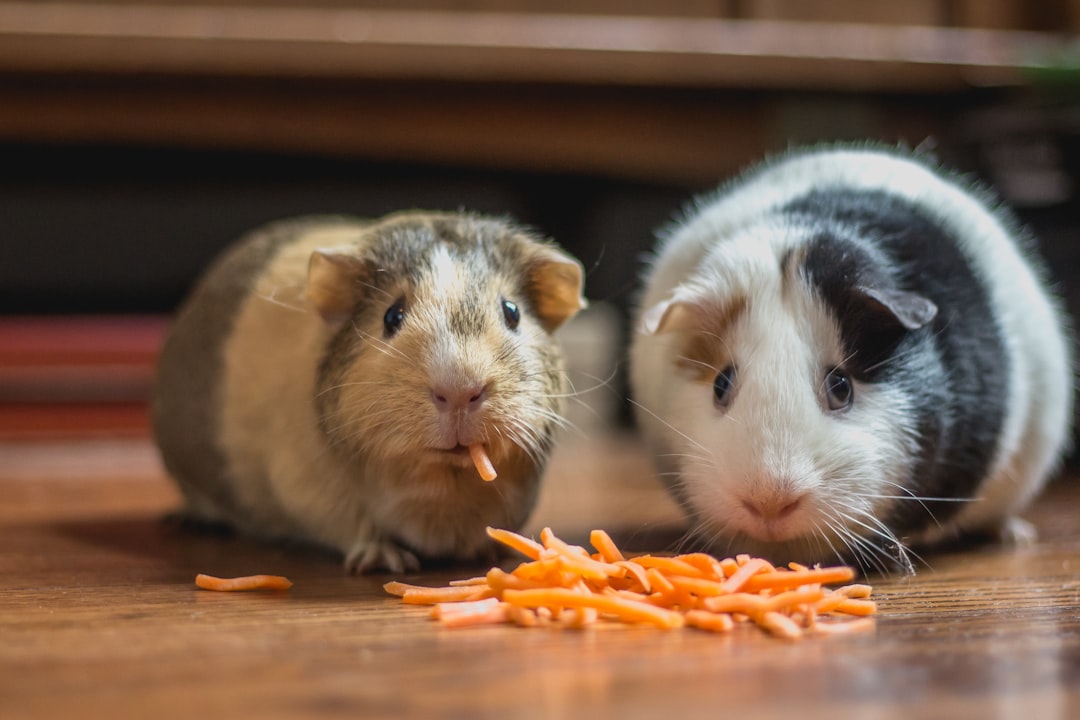
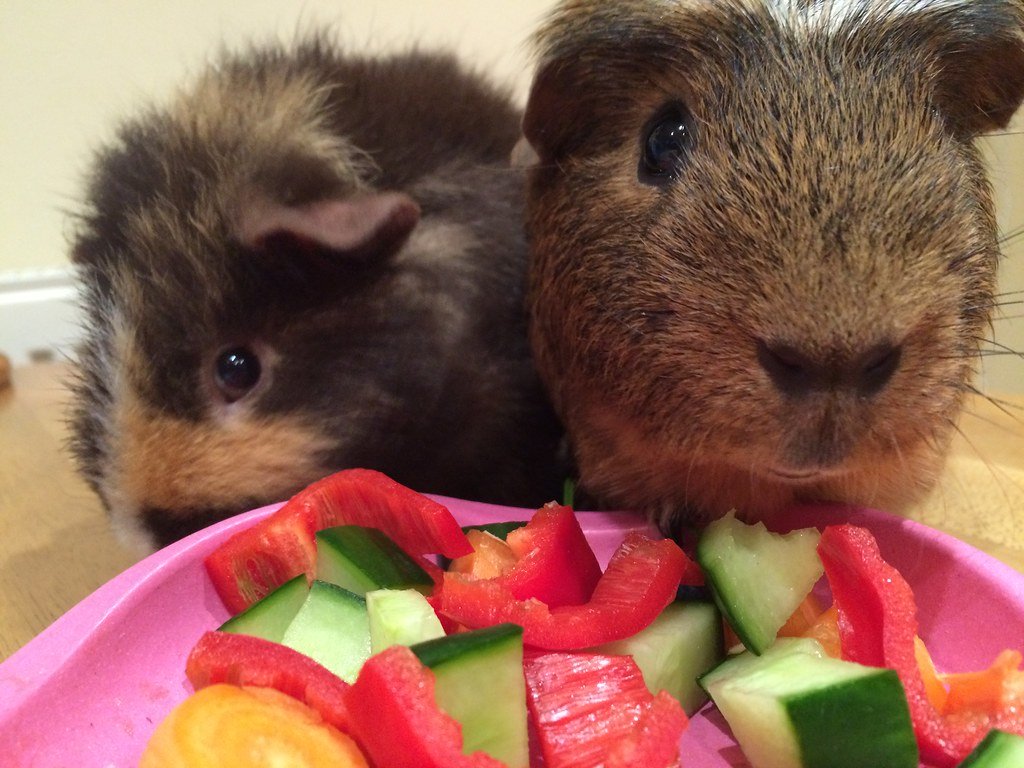
Vegetables are a must-have in any guinea pig’s daily menu, providing both essential vitamins and variety. Leafy greens like romaine lettuce, cilantro, and bell peppers are rich in vitamin C and fiber. Every day, guinea pigs should get a cup of mixed fresh vegetables to keep them healthy and excited about mealtime.
However, not all vegetables are created equal. Some, like iceberg lettuce, are mostly water and offer little nutrition, while others, such as spinach and parsley, can be fed only in moderation due to their high calcium content. Watching your guinea pig nibble a bright green leaf or a slice of crunchy cucumber is not only adorable—it’s vital for their health, too.
Pellets: Are They Necessary?
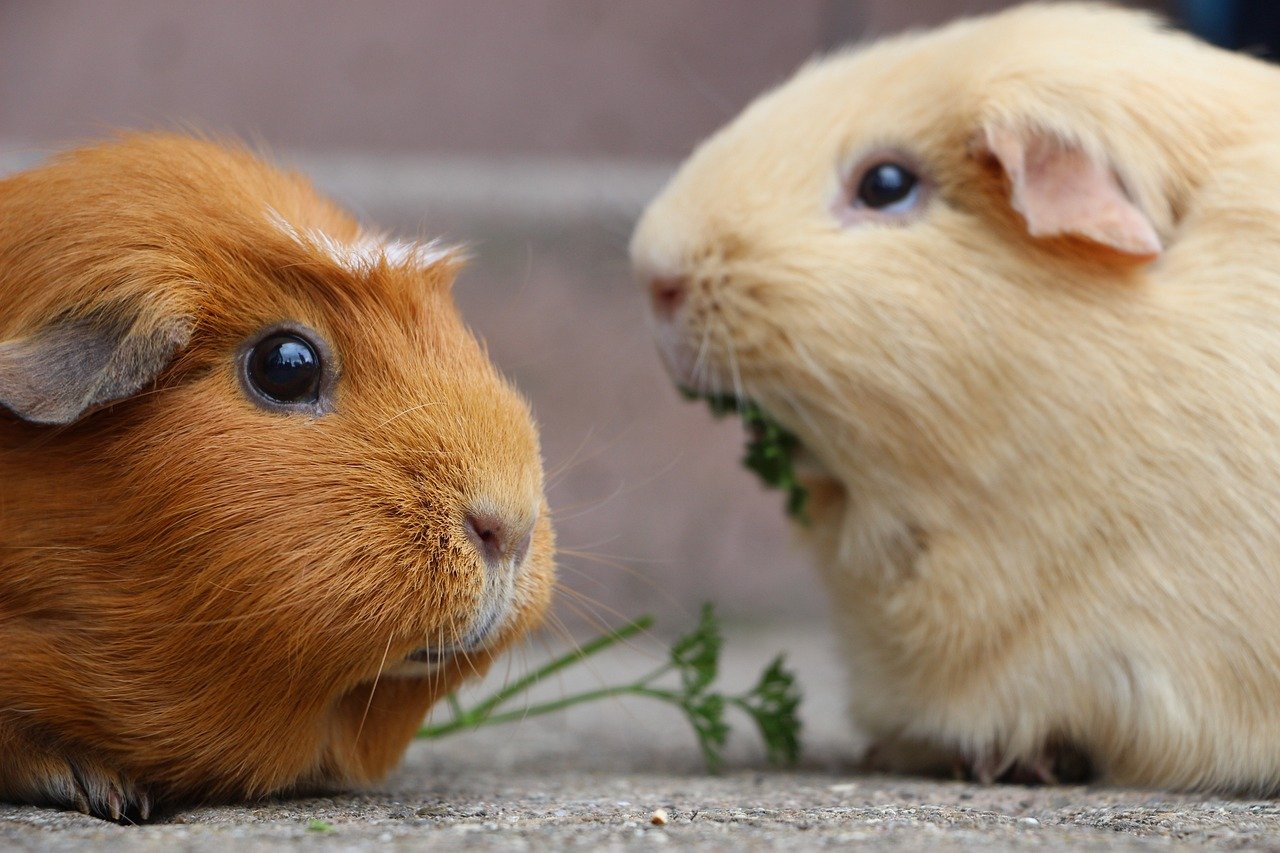
Pellets are specially formulated to meet guinea pigs’ nutritional needs, particularly vitamin C. While hay and vegetables are the stars of their diet, plain, high-quality pellets can help fill in the nutritional gaps. Look for pellets designed specifically for guinea pigs—never use rabbit food, as it lacks crucial vitamin C and might have ingredients that are unsafe.
A good rule is to feed about 1/8 cup of pellets per guinea pig daily. More than that, and you risk them filling up on pellets and ignoring their hay. Pellets are like the multivitamin of the guinea pig world—helpful, but never a replacement for fresh foods and hay.
Vitamin C: The Essential Nutrient
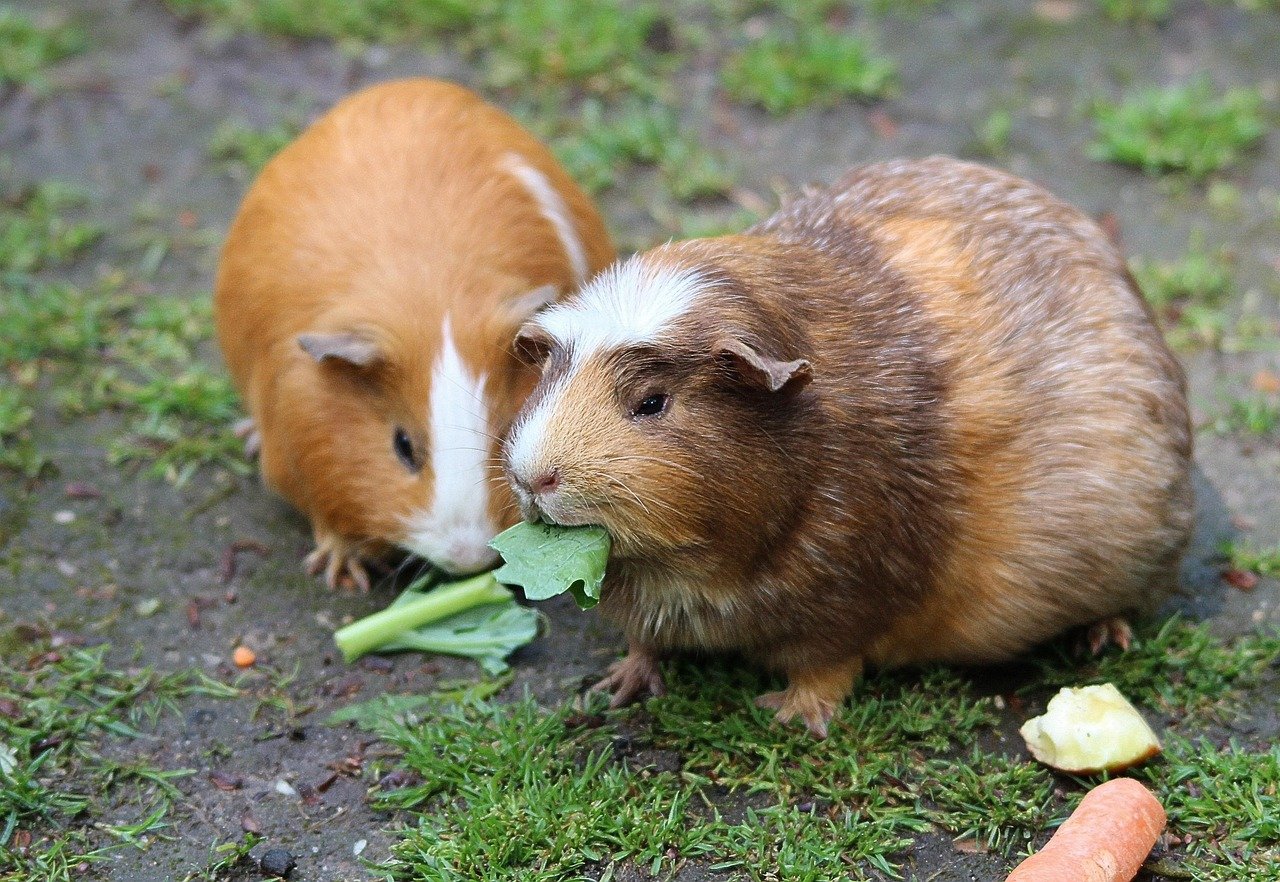
Guinea pigs are unique among small pets because they can’t produce their own vitamin C. Without enough of this vitamin, they can quickly develop symptoms like swollen joints, rough fur, and even bleeding gums. It’s surprising how quickly a deficiency can set in—sometimes in just a few weeks.
To make sure your guinea pig gets enough vitamin C, focus on providing fresh vegetables high in this nutrient, such as bell peppers and kale. Some owners add vitamin C supplements to water or food, but this can be tricky, as vitamin C breaks down quickly in light and air. The safest bet is always fresh veg, offered daily.
Fruits: Occasional Sweet Treats
Who doesn’t love seeing a guinea pig nibble a slice of strawberry or apple? Fruits are the candy of the guinea pig world—sweet, juicy, and totally irresistible. But they should only be given in small amounts, maybe a couple of times a week. That’s because fruits are high in sugar, which can upset a guinea pig’s tummy and lead to weight gain or dental problems.
Safe fruit choices include small pieces of apple (no seeds), pear, berries, and melons. Always wash fruit thoroughly and cut it into tiny, manageable pieces. Watching your guinea pig’s eyes light up at the taste of a juicy blueberry is heartwarming, but moderation is key to keeping them healthy.
Foods to Avoid Completely
Some foods are simply dangerous for guinea pigs and should never be included in their diet. Iceberg lettuce, for example, is mostly water and can cause diarrhea. Avocado, potato, and anything from the onion family are toxic. Guinea pigs also can’t digest dairy, meat, or anything processed.
It might be tempting to share a bite of your snack, but even a tiny amount of the wrong food can cause serious harm. Chocolate, nuts, and bread are all off-limits. Think of your guinea pig’s diet as a carefully tended garden—only the best, safest plants are allowed.
Water: The Unsung Hero
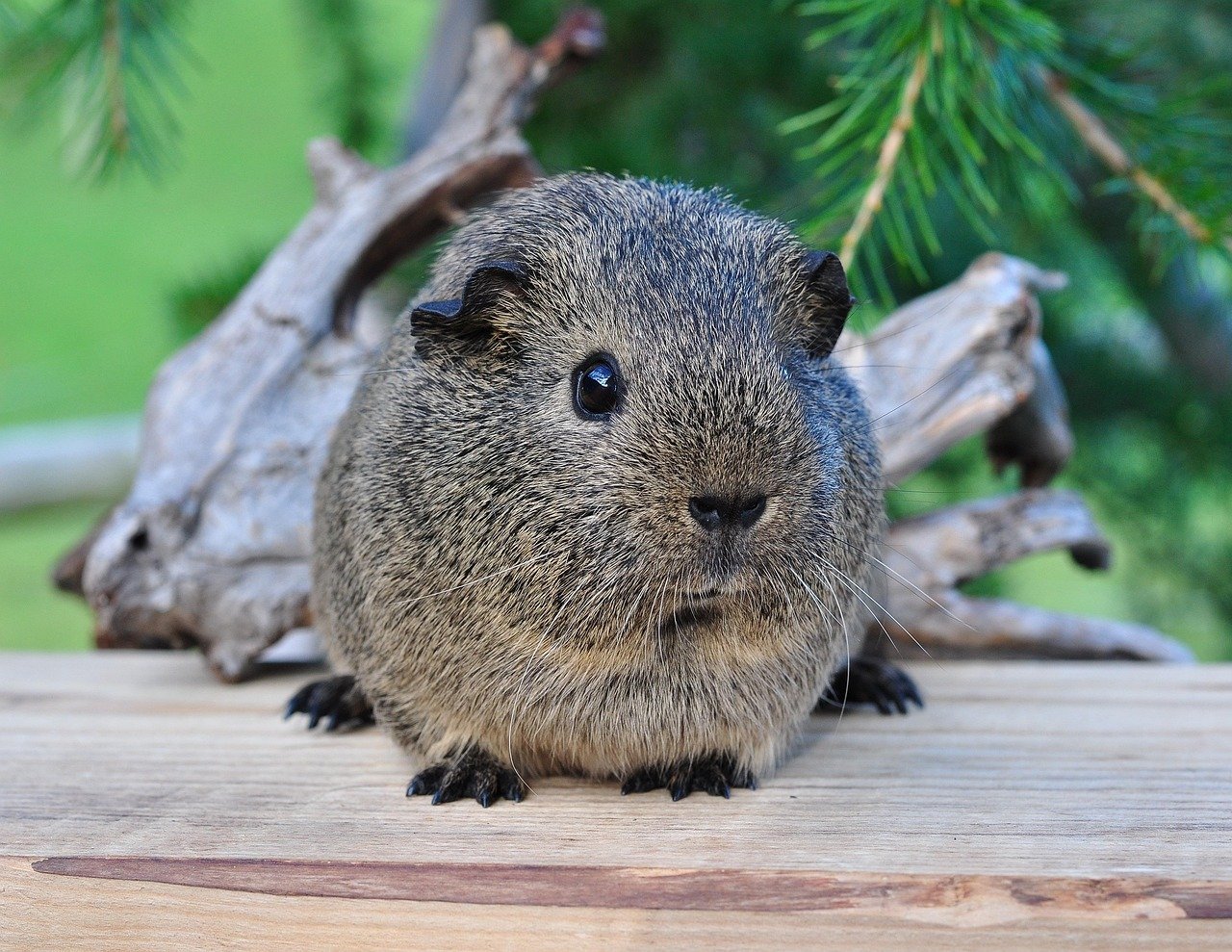
Fresh, clean water is just as important as food. Guinea pigs need constant access to water to stay hydrated and help their digestive system work properly. A bottle with a sipper tube is the best way to provide water, as it keeps it clean and prevents spills.
Change the water daily, and make sure to check the bottle regularly for leaks or blockages. If your guinea pig seems to be drinking less than usual, it could be a sign of illness. Just like us, they need more water on hot days or after eating lots of dry food. Never underestimate the power of a simple drink of water.
Feeding Schedules and Portion Sizes
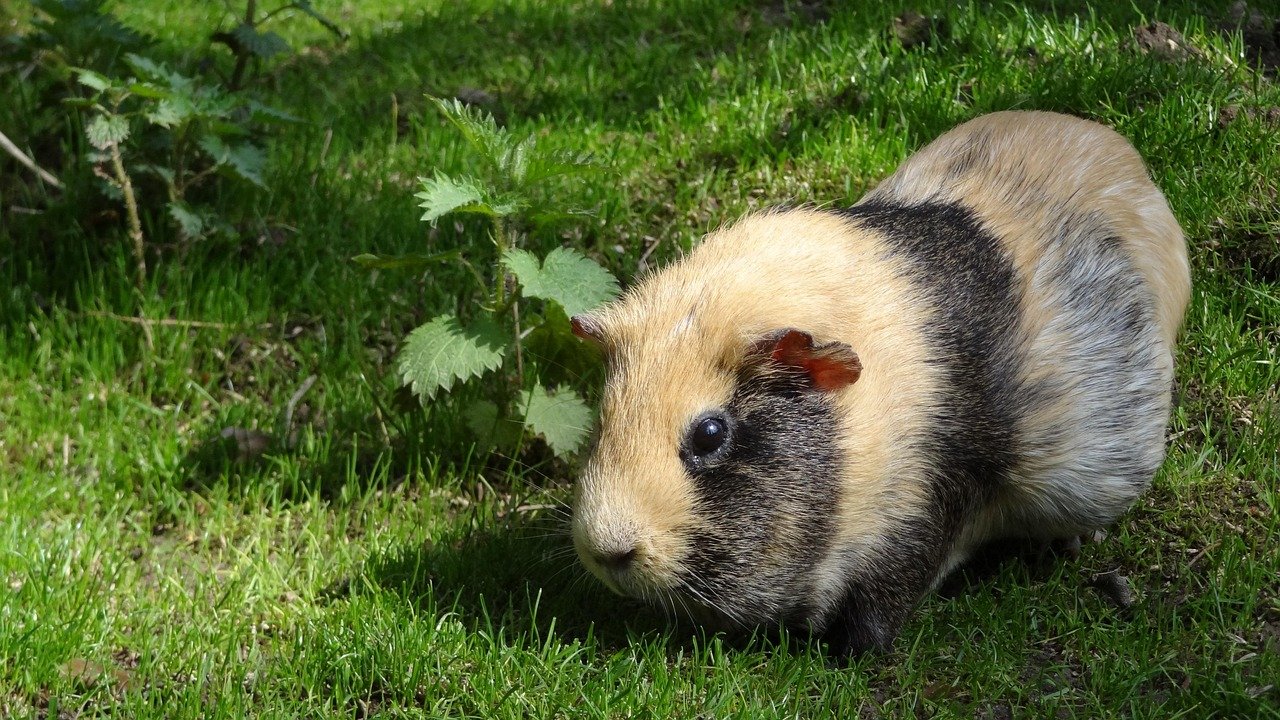
Guinea pigs thrive on routine, and feeding them at the same time each day helps keep their digestive system working smoothly. Offer hay at all times, and provide fresh vegetables and pellets once daily, ideally in the morning. This way, you can monitor what they eat and spot any changes in appetite quickly.
Portion control is crucial. Too much food can lead to weight gain, while too little can cause nutritional deficiencies. A heaping handful of hay, a cup of fresh veggies, and a small scoop of pellets per piggy is usually just right. Each guinea pig is different, though, so keep an eye on their weight and energy levels.
Signs of a Healthy Diet
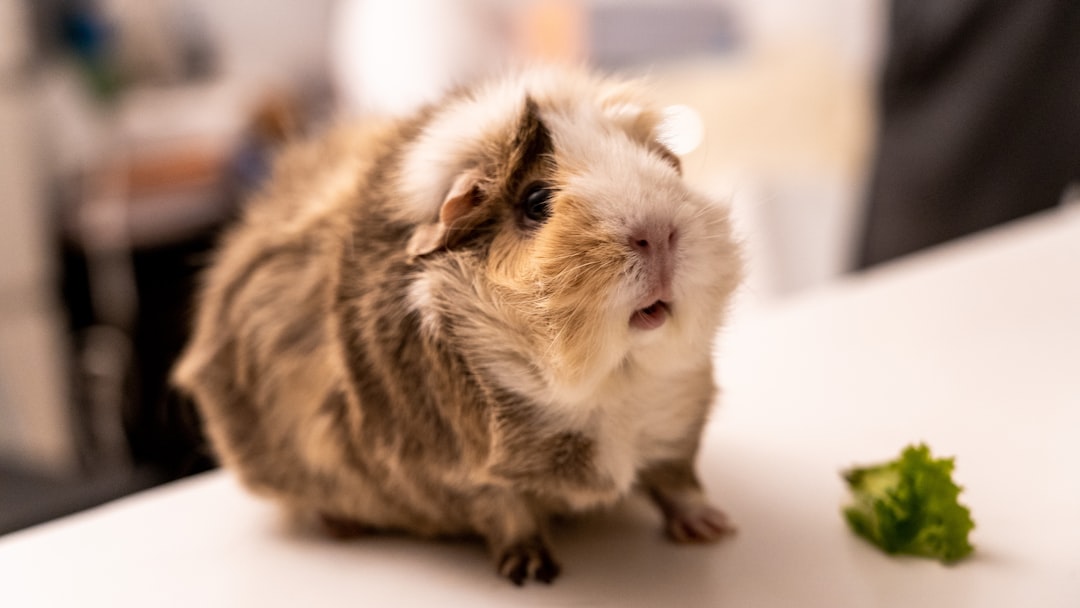
A guinea pig on a proper diet is easy to spot—they’re energetic, curious, and have a shiny, smooth coat. Healthy guinea pigs love to eat and will wheek excitedly when they hear the rustle of a veggie bag. Their eyes are bright, their movements sprightly, and they’re always eager for a snack.
On the flip side, a dull coat, lethargy, or changes in eating habits are red flags. Pay attention to droppings, too—healthy guinea pig poop is firm and oval-shaped. If you notice soft, misshapen, or fewer droppings, it might be time to rethink their diet or see a vet. A happy, healthy piggy is the best sign you’re doing things right.
Special Needs: Seniors, Babies, and Pregnant Guinea Pigs
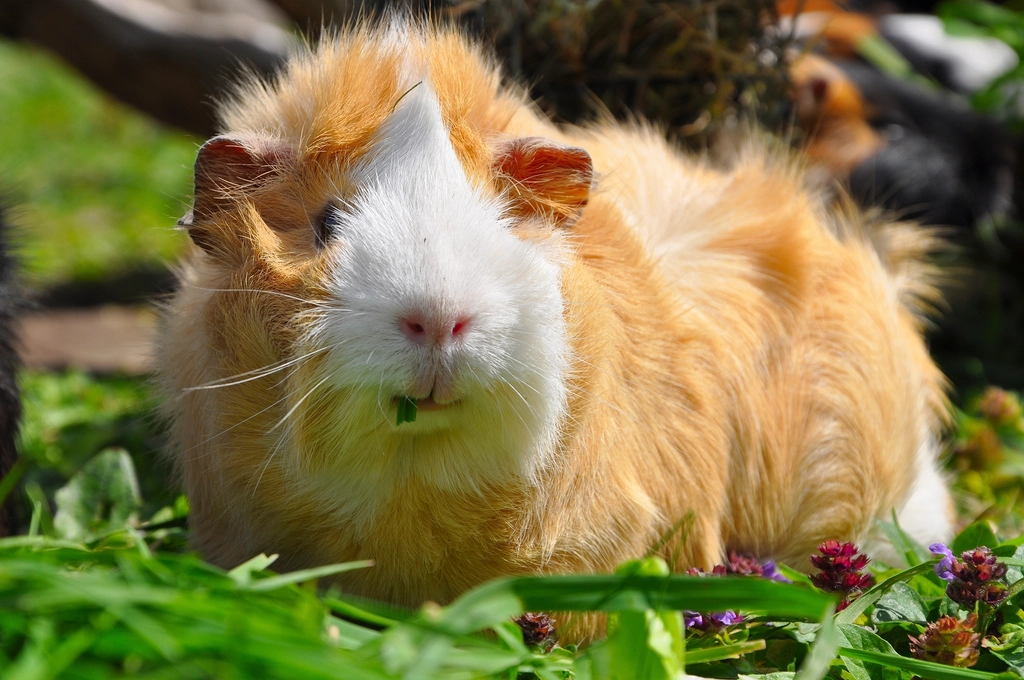
Not all guinea pigs have the same needs. Babies, pregnant females, and seniors require special attention when it comes to nutrition. Young guinea pigs need extra calcium and protein for growth, which can be found in alfalfa hay and specially formulated young guinea pig pellets. Pregnant and nursing mothers also benefit from more calcium and vitamin C.
Elderly guinea pigs may need softer foods if their teeth become an issue, and sometimes they lose their appetite as they age. It’s important to monitor their weight and adjust their diet to keep them comfortable. Always talk to an experienced vet if you’re unsure—each life stage comes with its own challenges and joys.
The end.


