

Picture this. You’re walking through one of Florida’s sunny retirement communities and you notice something curious. Where you might have expected to see larger dogs like Golden Retrievers or Labs bounding alongside their owners, there’s a parade of petite pups. Shih Tzus with their silky coats, tiny Maltese trotting confidently, and French Bulldogs with those irresistible bat ears. It’s not a coincidence. Something interesting is happening across the Sunshine State, and it speaks volumes about how retirees are reimagining their golden years.
Florida is home to senior citizens living the retired life, and these age groups tend to go with smaller dogs. There’s a beautiful practicality at work here, one that blends lifestyle needs with emotional fulfillment. Let’s be real, retirement is about finding balance. After decades of hustle, retirees want companionship without exhaustion, joy without complication. That’s exactly what these smaller, gentler breeds offer. So let’s dive in and explore why Florida’s retirees are gravitating toward pint-sized pups with big hearts.
The Florida Factor: Climate Meets Lifestyle
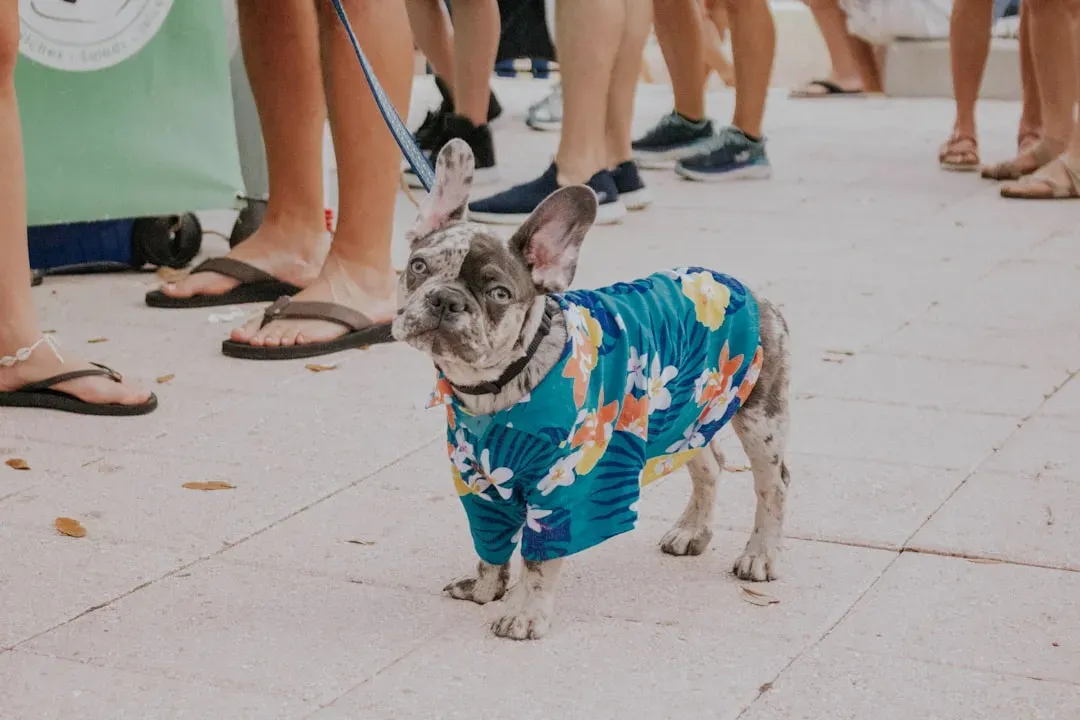
Florida isn’t just warm – it’s hot. Really hot. Florida is known as the Sunshine State, and it gets hot in the summertime with only a couple of months during the winter offering a reprieve from the heat. For a large, high-energy dog, that kind of heat can be demanding. They need longer walks, more water, and constant monitoring to avoid overheating.
Smaller breeds, though? Many are naturally suited to Florida’s climate. Chihuahuas are native to Mexico and are used to extreme heat, thriving in Florida or other hot and humid climates. It’s hard to say for sure, but breeds that originated in warmer regions seem to tolerate the sticky summers better than their thick-coated cousins. Retirees appreciate that these little companions don’t require marathon exercise sessions in sweltering weather. A short stroll around the block, maybe a romp in an air-conditioned living room, and they’re content.
Manageable Size, Monumental Companionship

Small dogs are easier to handle and care for, especially for those with limited mobility or strength. Small dogs are less likely to pull on a leash or require intense physical activity, making walks and playtime more manageable. Honestly, this might be the most practical reason retirees are choosing smaller breeds. Imagine being in your seventies and trying to control a Labrador who spots a squirrel. That’s a recipe for a tumble.
Smaller dogs fit neatly into lap cuddles, can be lifted when needed, and won’t accidentally knock you over with enthusiastic greetings. A 15-pound Shih Tzu has been the perfect companion – small enough that I can easily pick him up when needed, but substantial enough to feel like a real dog. There’s something comforting about a dog you can scoop up if they’re tired, injured, or simply need to be moved quickly. For seniors managing their own physical limitations, that flexibility is invaluable.
Health Benefits That Go Beyond Heartbeats
Let’s talk about what these furry friends actually do for their owners’ well-being. Studies have shown that the bond between people and their pets is linked to several health benefits, including decreased blood pressure, cholesterol levels, triglyceride levels, feelings of loneliness, anxiety and symptoms of PTSD. That’s not fluff – that’s science. Having a small dog around isn’t just emotionally fulfilling; it’s genuinely therapeutic.
70% of older adults said their pet helps them cope with physical or emotional symptoms, and 46% said their pets help take their mind off of pain. Think about that for a moment. Nearly half of pet-owning seniors report that their dog distracts them from chronic discomfort. Dogs demand routine – feeding schedules, bathroom breaks, playtime – and that structure keeps retirees mentally sharp and physically engaged. Smaller breeds make this manageable because they don’t demand the stamina that bigger, bouncier dogs require. Pet ownership is associated with maintained physical function among community-dwelling generally healthy older adults.
Florida’s Pet-Friendly Retirement Communities Welcome Small Breeds
Some senior living communities allow only one pet and there can be weight restrictions and breed restrictions on dogs. Here’s the thing: many retirement communities have rules. Weight limits are common, and they often hover around twenty to thirty pounds. Smaller breeds naturally fit those criteria, making them the obvious choice for retirees moving into condos or assisted living facilities.
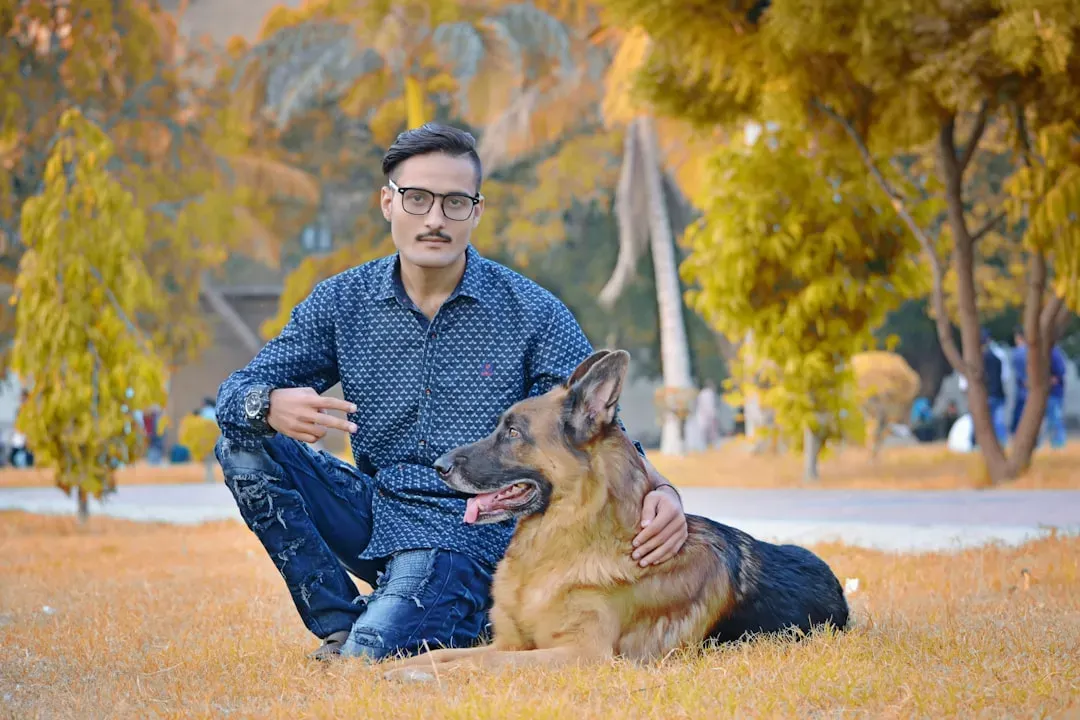
Dog friendly retirement communities in Florida offer pet amenities such as fenced dog parks with off-leash areas where retirees can exercise dogs, conveniently located veterinary clinics and pet grooming services. Florida has embraced pet-friendly senior living in a way few other states have. Communities are designing spaces with dogs in mind – walking paths, shaded gardens, even social events where dogs can mingle. Smaller breeds thrive in these environments because they’re easier to transport and less intimidating to neighbors. A Maltese mingling at a community event? Adorable. A massive German Shepherd? Maybe a bit much for tight quarters.
Emotional Anchors in the Golden Years
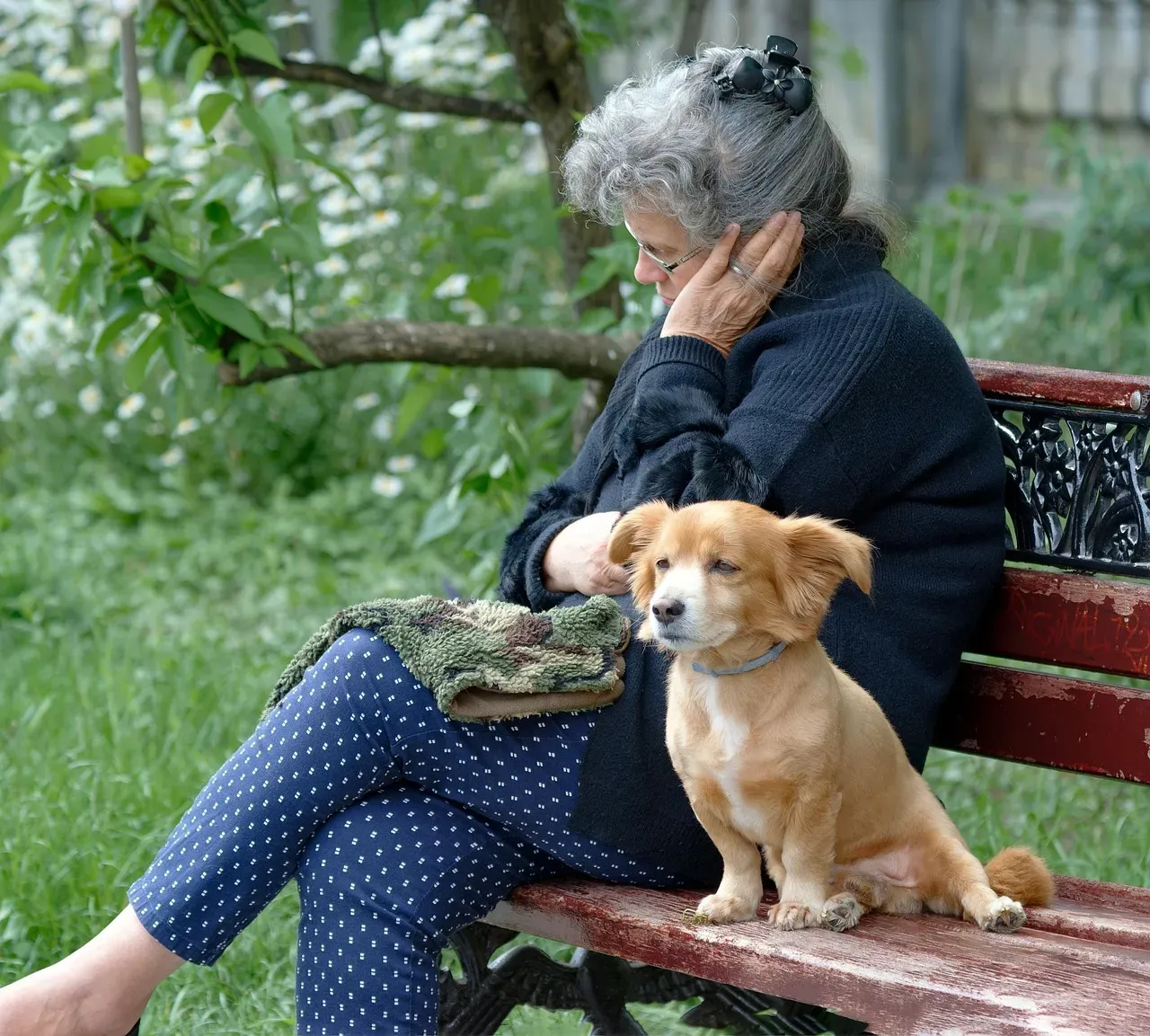
Retirement can be lonely. Friends pass away, family lives far away, and daily routines lose their structure. Older adults who reported owning a pet were 36% less likely to report loneliness than older adults who don’t have pets. That statistic hits hard. Loneliness isn’t just an emotional burden; it’s a health risk. Dogs combat that isolation with relentless affection and presence.
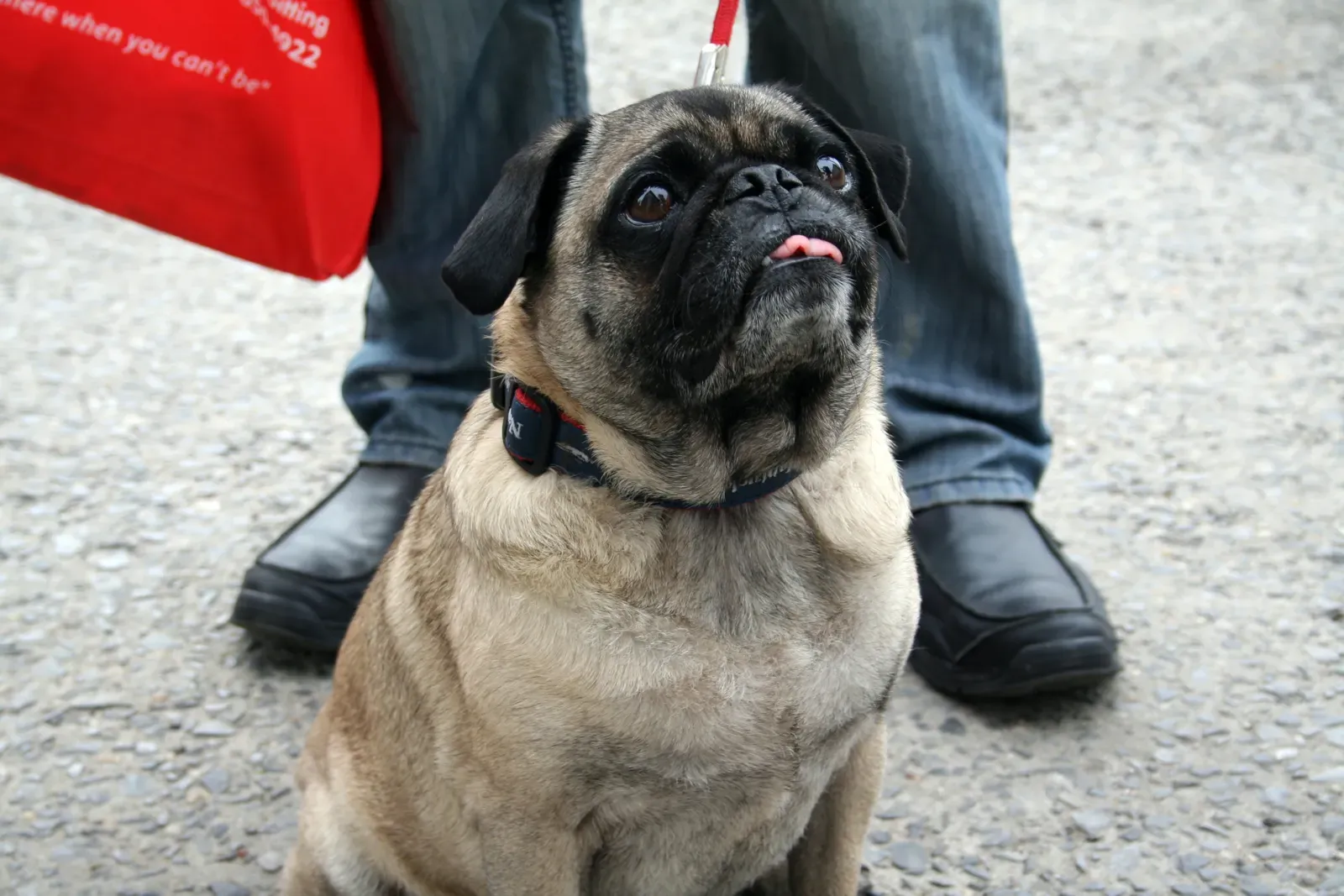
excel at this role because they’re content to simply be near you. The Havanese is a clownish pup that will make its elderly owner laugh with a fluffy coat and cheerful face, this Cuban pooch entices family members of all age groups and gets along amazingly with seniors. These breeds aren’t demanding high-intensity play or constant stimulation. They want what their owners want: gentle companionship, soft affection, and quiet moments. A Pug curled up on your lap while you read or a Cavalier King Charles Spaniel napping beside you on the couch – that’s the kind of relationship retirees crave.
Looking Ahead: A Perfect Match

So, what would you have guessed before reading this? Maybe you thought retirees chose small dogs purely for convenience. There’s truth to that, sure, but it’s so much deeper. The Maltese are popular among retirees living in the Sunshine State, weighing up to 7 pounds, and they are playful, gentle, and affectionate. These little dogs aren’t just manageable – they’re partners in navigating the complexities of aging with grace.
Florida’s retirees are smart. They’ve figured out that offer the best of all worlds: companionship without exhaustion, health benefits without strain, and joy without complication. Spending time with a furry friend can help lower blood pressure and cholesterol levels while raising serotonin levels in the brain, making it particularly beneficial for retirees. In choosing these breeds, they’re not settling – they’re thriving. And in the warm glow of the Florida sun, surrounded by wagging tails and gentle snuggles, that seems like the perfect recipe for happiness.
Did you expect that smaller breeds would become such powerful allies in healthy aging? What do you think about it? Tell us in the comments.


