
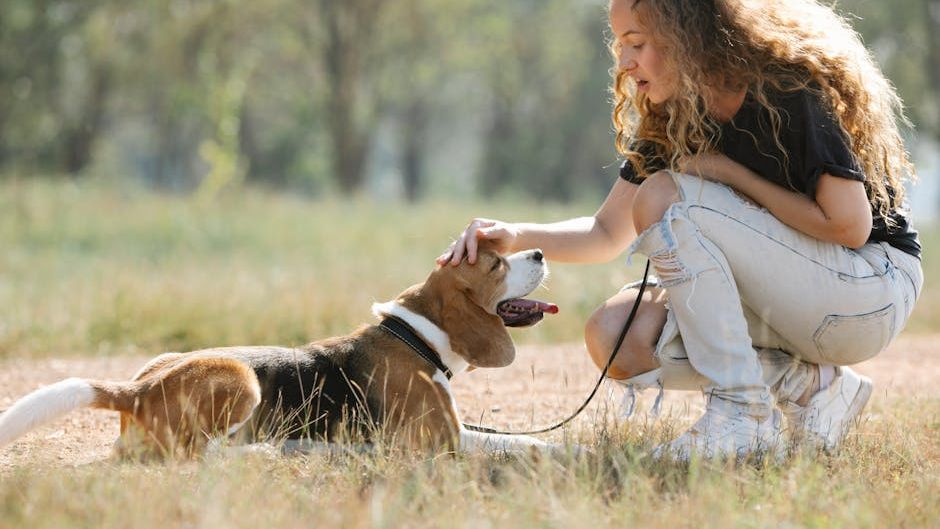
#1: The Person Who Was There During the Critical Socialization Window
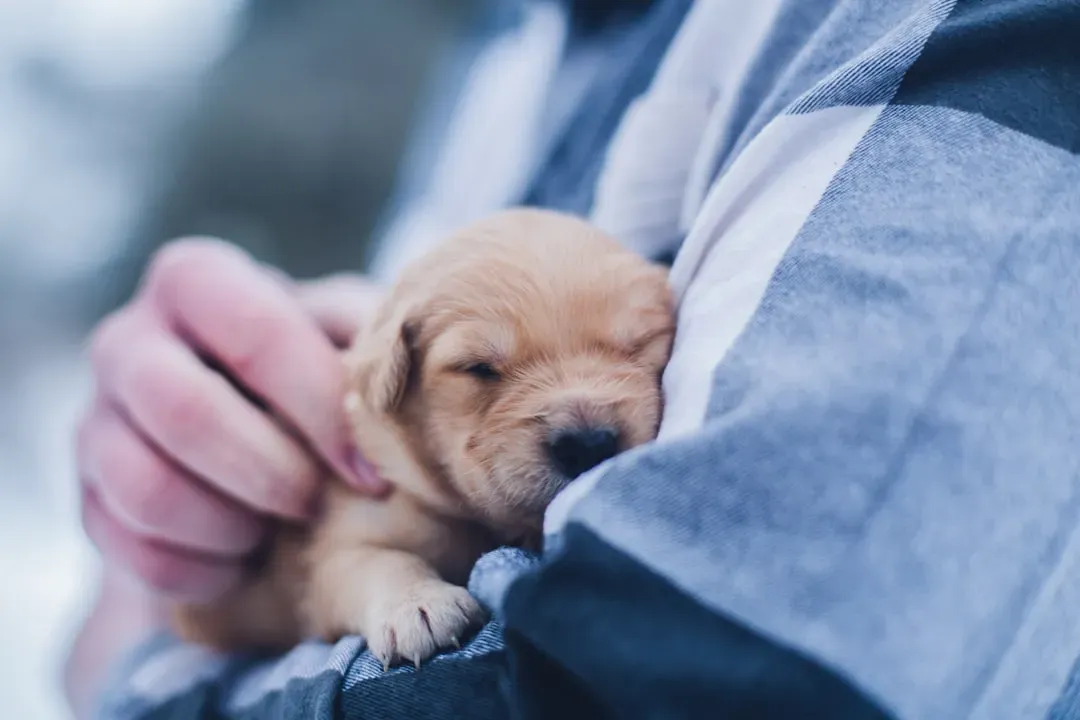
The first few months of a dog’s life are not just important. They’re formative in a way that shapes social bonding for the rest of the animal’s life. Behavioral researchers refer to this as the “critical socialization window,” a period roughly between three and twelve weeks of age when a puppy’s brain is most receptive to forming emotional attachments to specific individuals.
Whoever spent the most consistent time with a dog during that window tends to register in the dog’s emotional memory as a primary attachment figure. If one person in your family was the main caregiver during those early weeks, picked up the puppy first, and provided the most physical contact, that person carries a distinct advantage in the dog’s social hierarchy. The bond formed during that phase is not easily overwritten, even by years of affection from other family members.
#2: The Person Whose Energy Matches the Dog’s Own Temperament
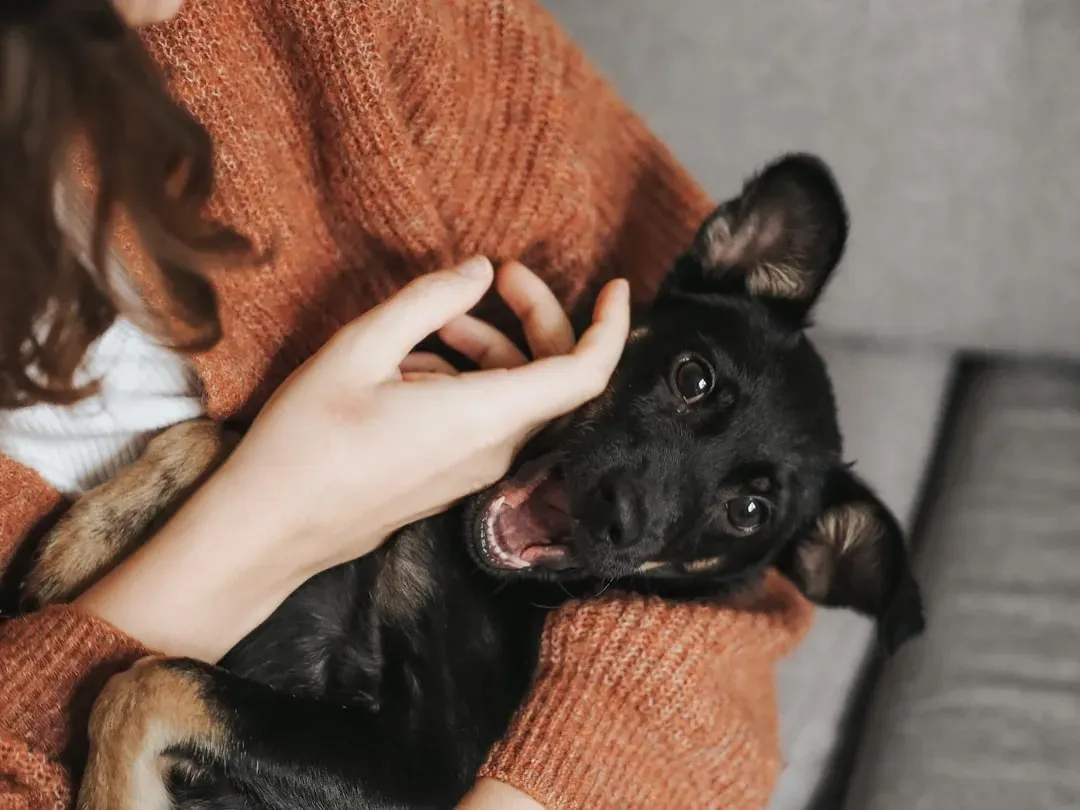
Dogs are remarkably perceptive about personality. Research in animal behavior has consistently shown that dogs gravitate toward people whose energy and communication style feel compatible with their own temperament. A calm, low-energy dog will often attach most deeply to the quieter, more measured person in a household, while a high-energy breed tends to bond with the person who matches that enthusiasm with active play and movement.
This is why two people can give a dog equal amounts of affection and still get very different levels of devotion in return. The quality and style of interaction matter more than the quantity. Dogs aren’t simply counting treats or belly rubs. They’re processing whether a person’s overall presence feels safe, consistent, and emotionally attuned to their needs. That alignment, when it clicks, creates a bond that other family members may find quietly baffling.
#3: The Person Who Provides the Most Consistent Daily Routine
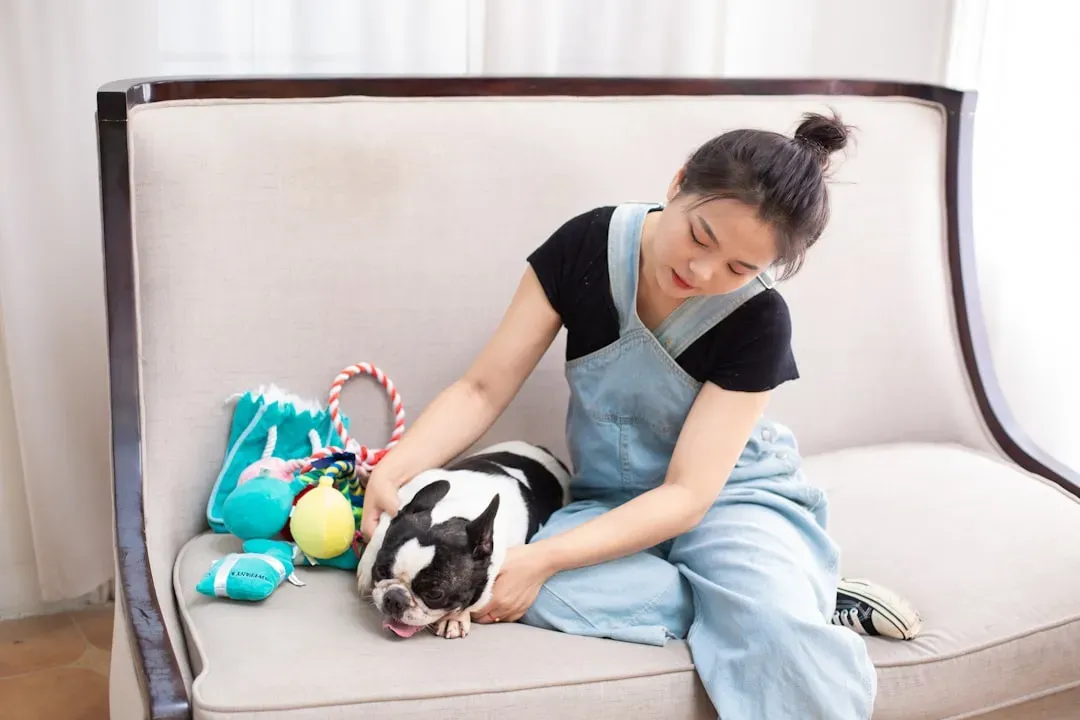
Dogs are creatures of routine in a way humans sometimes underestimate. Their sense of security is deeply tied to predictability, and they form strong attachments to whoever anchors their daily rhythm. The person who feeds them at the same time each morning, walks them on a reliable schedule, and is present during the small, repeated moments of the day builds a particular kind of trust that sporadic affection simply can’t replicate.
Psychologists studying human-animal bonds describe this as “proximity maintenance,” which is the same mechanism at the core of human attachment theory. Dogs, like children, seek closeness with the individual who most consistently regulates their environment. This doesn’t mean the other people in the family are loved less. It means one person has quietly become the dog’s anchor, the emotional reference point from which all other relationships are measured. That role is rarely claimed intentionally. It’s earned through sheer, unremarkable consistency.
#4: The Person Who Uses the Right Kind of Physical and Emotional Communication
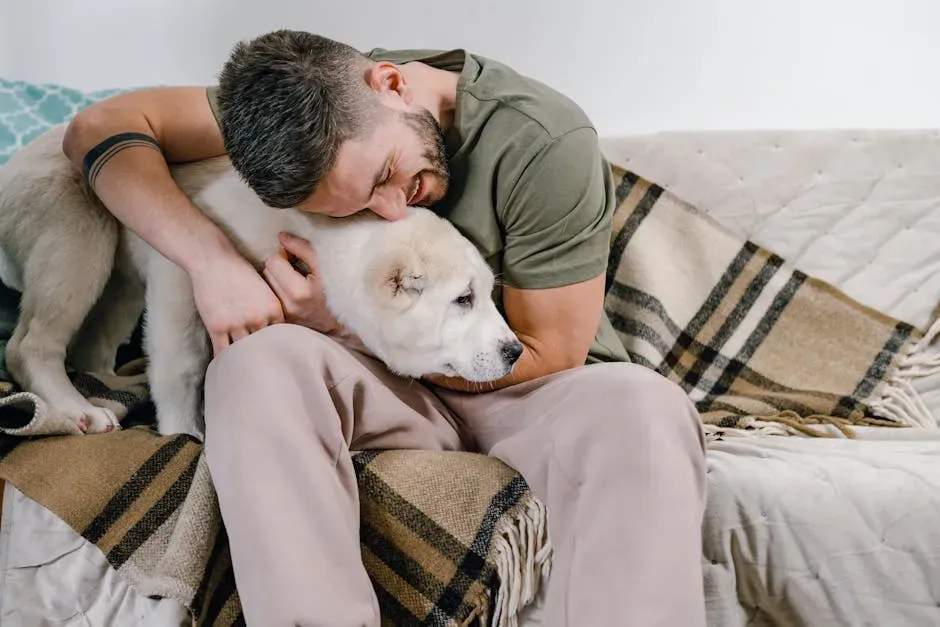
Physical touch is a primary language for dogs, but not all touch is received the same way. Studies in canine cognition have found that dogs respond very differently to different styles of physical interaction. Gentle, sustained contact such as slow strokes along the back or quiet holding tends to trigger calming neurological responses, while rough, excitable petting can actually elevate stress hormones in some dogs, even when it’s well-intentioned. The person in a family who intuitively understands this difference gains a significant edge in building deep attachment.
Emotional communication plays an equally important role. Dogs are highly attuned to tone of voice, facial expression, and the emotional undercurrent behind human behavior. A person who speaks to the dog in a warm, regulated tone, makes frequent soft eye contact, and responds to the dog’s own signals with genuine attention is, from the dog’s perspective, an emotionally fluent companion. Psychologists note that this kind of reciprocal emotional awareness, sometimes called “attunement,” is the same quality that builds secure attachment in human relationships. Dogs recognize it and respond to it with loyalty that goes well beyond typical pet affection.
#5: The Person the Dog Has Learned to Feel Safest With
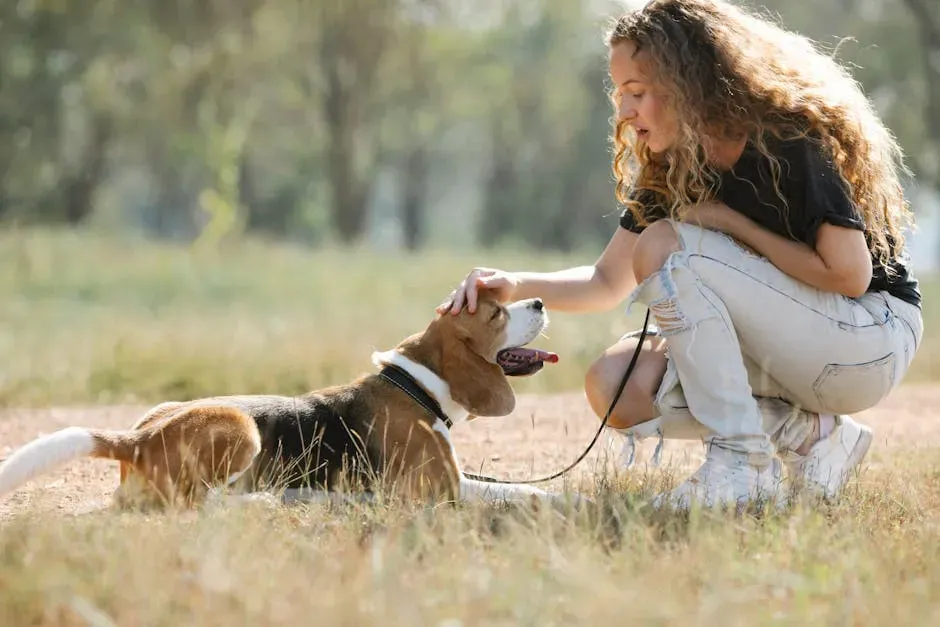
At the core of all canine attachment psychology is one fundamental need: safety. Dogs, as descendants of pack animals, are wired to identify and stay close to the individual who most reliably represents protection and emotional stability. This isn’t purely about physical protection. It’s about the felt sense of calm that a person projects. Dogs have a finely tuned stress detection system and will naturally orient toward the person who makes their nervous system settle.
This is why dogs often become most attached to someone who seems almost unremarkable in the role. It’s rarely the loudest person in the room or the one who offers the most dramatic displays of love. More often it’s the person who is simply steady, who doesn’t bring unpredictable emotional swings into the dog’s world, and who has, over time, become associated with safety, warmth, and calm. That person may not even realize the depth of what they’ve earned. The dog, however, knows exactly who they are. Every time they choose which lap to lie in, which person to greet first at the door, or whose side to stay close to during a thunderstorm, they’re answering the question this article started with.
Conclusion: Love Isn’t Random, and Dogs Know It
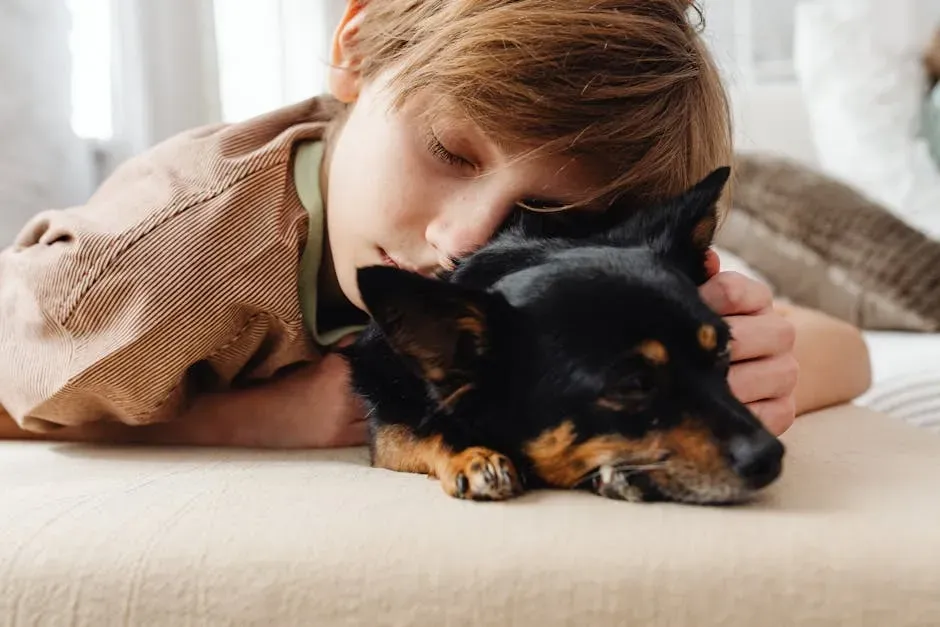
There’s something genuinely moving about the fact that dogs don’t distribute their deepest affection evenly or arbitrarily. They’re making a real assessment, one built on early experience, emotional compatibility, consistent presence, physical attunement, and felt safety. It’s a selection process that mirrors, in fascinating ways, how humans form their own deepest bonds. We like to think we choose who we love. Dogs remind us that love often chooses through attention, repetition, and the quiet act of simply showing up.
If you’re not the favorite person in your dog’s life right now, that’s not a verdict. It’s an invitation. The same psychological ingredients that build a dog’s deepest bond are available to anyone willing to be more present, more attuned, and more consistent. The door to becoming someone’s favorite isn’t locked. It just requires patience, which, if you think about it, is exactly what dogs have always shown us first.


