
#1. Dogs Are Hardwired to Depend on Routine for Emotional Safety
Dogs thrive on routine and predictability. When their environment changes suddenly, it can increase anxiety and reduce their tolerance for stress. This isn’t a quirk or a personality flaw – it’s actually how dogs are neurologically organized. Their sense of safety isn’t built on abstract reassurance. It’s built on the reliable rhythm of daily life.
A stable environment is crucial for a dog’s emotional well-being. Consistency in routine, such as regular feeding times, walks, and play sessions, provides dogs with a sense of security and predictability. An environment that minimizes unpredictability helps reduce stress and anxiety, allowing dogs to feel more relaxed and confident.
Dogs, especially puppies, thrive on predictability. A daily routine for all their essentials, such as meals, potty breaks, playtime, and rest, helps create a sense of security. Strip that away suddenly, and the psychological ground beneath them simply gives way.
#2. Sudden Household Changes Are Among the Most Common Anxiety Triggers
Sudden change, such as moving house, a new baby, or a pet joining the home, can also increase their anxiety. These aren’t dramatic disasters from a human perspective. A new job, a different sleep schedule, or a house renovation might feel entirely manageable to us. For a dog, though, it registers as a fundamental disruption to the world they’ve come to trust.
Moving to a new home, welcoming a new baby or pet, changes in work schedules, or even renovations and loud construction can disrupt a dog’s sense of stability. When stress builds up, even small triggers may lead to a stronger reaction than usual. The cumulative weight of change matters just as much as any single event.
An abrupt change in schedule in terms of when or how long a dog is left alone can trigger the development of separation anxiety. For example, if a dog’s guardian works from home and spends all day with his dog but then gets a new job that requires him to leave his dog alone for six or more hours at a time, the dog might develop separation anxiety because of that change. The shift doesn’t have to be dramatic to feel catastrophic to a dog.
#3. Clinginess Is Not Just Affection – It’s Often a Cry for Reassurance

If your dog won’t let you out of their sight, not even to pee in peace, they’re probably feeling a little insecure. This shadow-like behavior is their way of staying close to what feels safe: you. Dogs that follow you from room to room or panic when you leave may be struggling with separation anxiety or low confidence.
It’s sweet, sure, but it also means they’re relying heavily on your presence for emotional stability. That distinction matters. There’s a real difference between a dog who loves your company and a dog who is genuinely distressed without it. The first is healthy. The second is a sign that something has shifted emotionally.
Clinginess is often insecurity, not love. Emotional regulation must be taught. Recognizing where your dog falls on that spectrum is one of the most important things you can do for their long-term wellbeing.
#4. Separation-Related Behaviors Are a Measurable Welfare Concern
Dogs can develop separation-related behaviors, such as barking or howling, pacing, toileting, or destroying household items when they are left without human company. These behaviors can be problematic for owners but are also welfare concerns for the dogs because they mean the dog is in a negative emotional state.
Dogs displaying separation-related behaviors are often in a compromised emotional state, with anxiety being one of the commonly associated states. Research has also suggested frustration, panic, fear, and boredom as other negative affective states associated with different types of separation-related behaviors. In other words, what looks like “bad behavior” on the surface is frequently distress in disguise.
Dogs form deep emotional bonds with their families, so being left alone can cause intense stress for some. Separation anxiety often shows up as barking, howling, destructive chewing, house soiling, or door scratching within minutes of a parent leaving. It usually stems from insecurity, lack of routine, or a sudden schedule change.
#5. Destructive Behavior Is Often Misread as Defiance

Some dogs show destructive behavior when they’re anxious or stressed, such as chewing furniture, scratching at doors, or digging. Some owners particularly notice this when their dog is left alone or has a lack of stimulation. It’s important to know that this may not be mischievous behavior, but a coping strategy for puppy anxiety or adult dog insecurity.
This is where many owners get it wrong. The chewed shoes, the scratched door frames, the overturned trash – these feel like willful acts of rebellion. They rarely are. Sudden aggression or destructive behavior in dogs is one of the more common concerns veterinarians evaluate. In many cases, it is not about your dog being “bad.” It is a sign that something has changed physically, emotionally, or environmentally.
Stress displacement behaviors are normal behaviors that occur out of context and serve to restore a dog to emotional homeostasis during times of heightened stress or frustration. Common displacement behaviors include tail chasing, spinning, pacing, scratching, and digging. They are usually self-limiting and tend to resolve quickly when the cause of stress or frustration is gone.
#6. Hiding and Withdrawal Are Signs of Emotional Collapse, Not Laziness
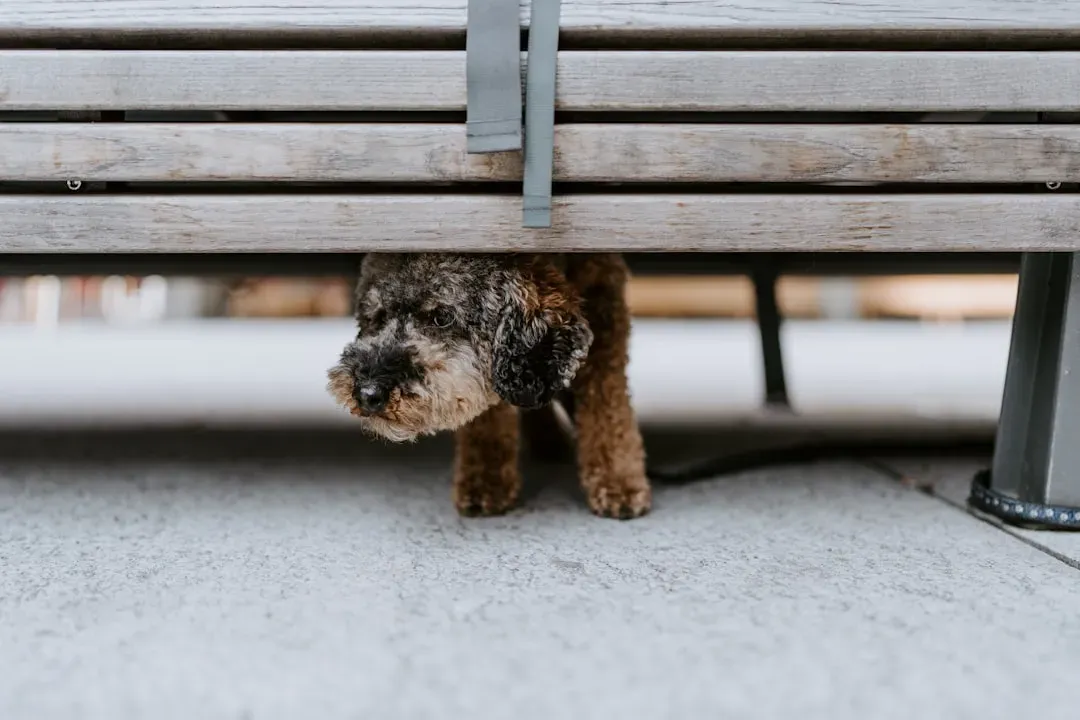
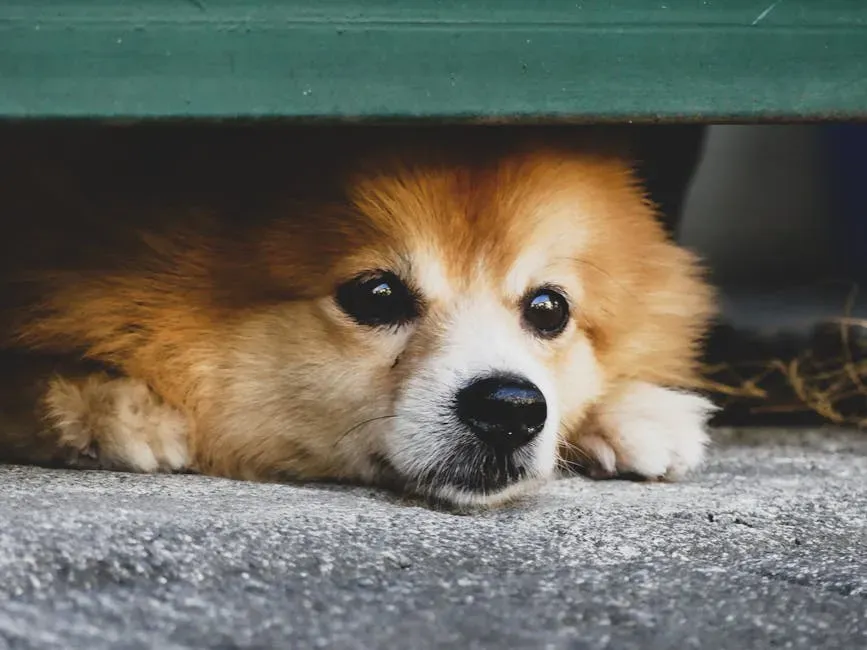
Dogs that usually greet you with joy but suddenly start hiding under beds or avoiding eye contact could be feeling unsure of themselves. This type of behavior is common after a big change, like a move, a new pet, or a stressful event. When a dog retreats, they’re not sulking. They’re seeking a sense of control over a world that suddenly feels unpredictable.
Behavioral changes such as avoidance, increased or decreased activity, and sleep disruptions can signal stress. Physical symptoms including panting, salivating, shaking, and digestive issues are common stress indicators. The quiet dog lying in a dark corner may be suffering more than the one barking at the door.
Stress and anxiety, if not addressed, can lead to behavioral problems and affect a dog’s physical health. Recognizing the early signs of stress, such as changes in body language or sudden changes in behavior, allows caregivers to intervene early and provide the necessary support. The window for early intervention is real, and it matters.
#7. The Dog-Owner Attachment Bond Functions Similarly to Parent-Child Attachment
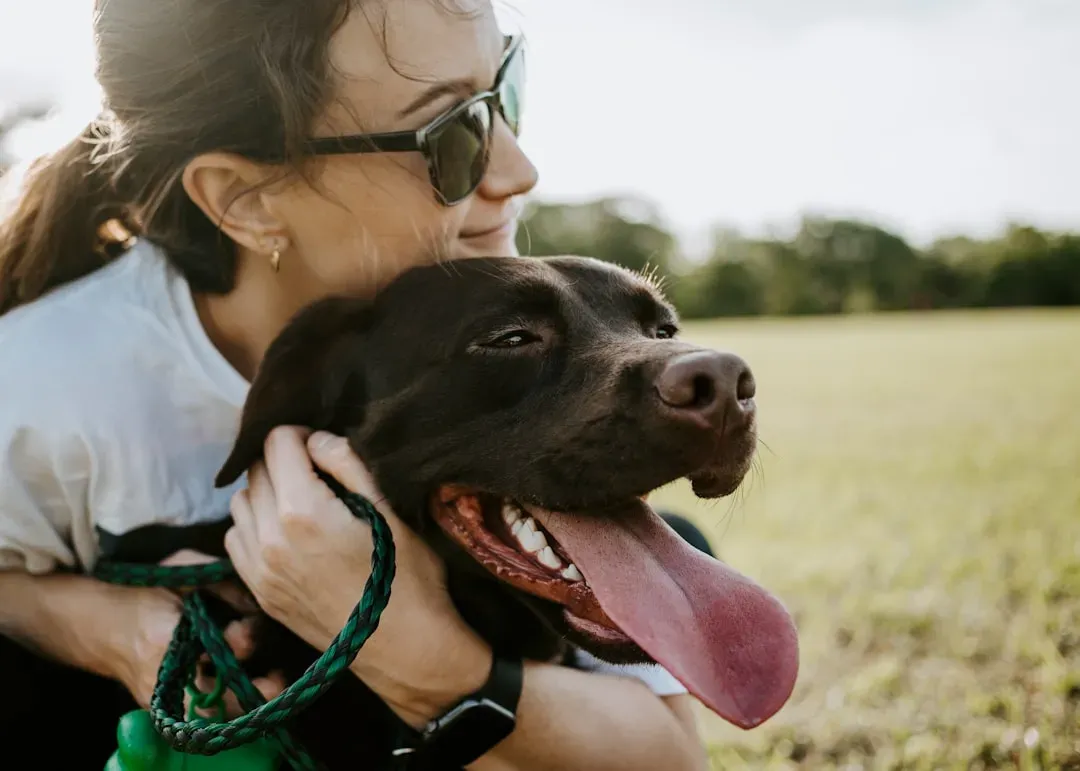
The theory of the human-dog bond, called attachment theory in proper psychological terms, is based on human studies in which it has been shown that infants have a strong need to be near their caregiver, also called the attachment figure. This parallel is not just a nice metaphor. It has genuine behavioral and neurological foundations that researchers take seriously.
The dog-owner relationship shows some similarities to the human caregiver-infant relationship. Dogs are not babies, but they show similar behaviors of attachment, such as approaching, following, clinging, or vocalizing toward their owners. When the emotional anchor of that bond is disrupted by sudden change, dogs experience something that resembles the distress of a child who feels abandoned.
Dogs use their humans as a “secure base,” exploring more confidently and recovering faster when their owner is present. This bond involves behavioral synchrony – the owner’s nervous system regulates the dog’s. A calm presence provides co-regulation during stress. That’s not sentimental framing. It’s biology.
#8. Environmental Changes Trigger Measurable Physical Stress Responses
A new home, travel, or even rearranged furniture can overwhelm certain dogs. They rely heavily on familiar scents and routines, so unfamiliar spaces can trigger anxiety until they feel settled. Scent is the primary lens through which dogs experience the world, so a space that smells different is a space that feels fundamentally unsafe.
Physiological responses to loud noises or sudden environmental stressors can include a dramatic increase in salivary cortisol; unexpected changes result in rapid responses including tachycardia, hypertension, and increased secretion of epinephrine and norepinephrine. The body keeps score, as they say, and dogs’ bodies respond to household stress in measurably physical ways.
Behavior problems rooted in fear, anxiety, excessive arousal, and impulsivity can develop as a result of genetic factors, stressful early environments, insufficient early socialization, medical conditions affecting brain health and development, or traumatic environmental events. The history a dog carries matters just as much as what they’re facing right now.
#9. Owners Can Unintentionally Reinforce Insecure Behavior
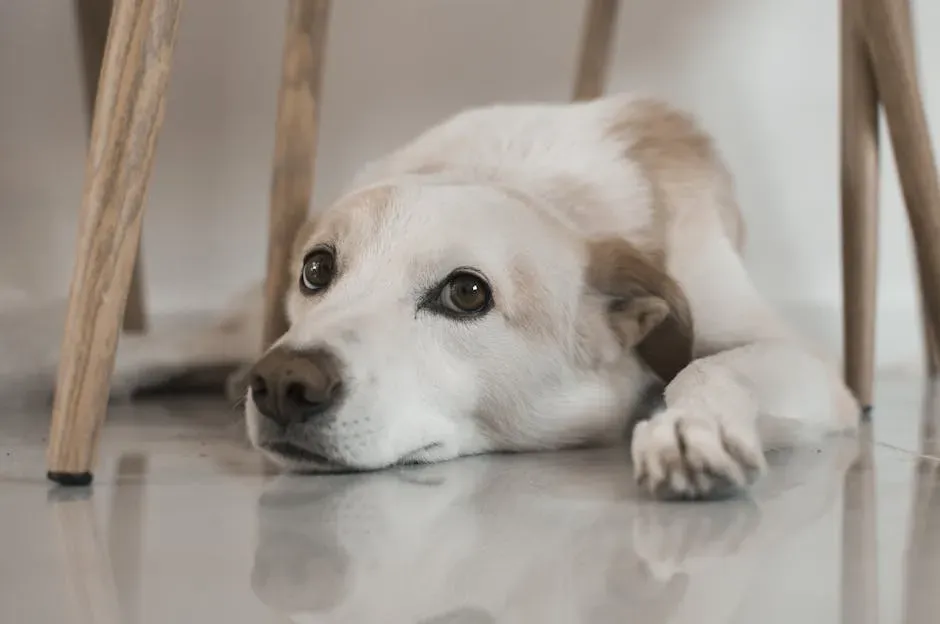
Dogs look up to their human owners for guidance. Owners may unknowingly contribute to their dog’s insecurity by rewarding unwanted behaviors in an attempt to soothe their fearful dogs. It’s one of the most common mistakes well-meaning owners make. Rushing to comfort a dog every time they show anxiety can signal that the anxiety is justified, deepening the very loop you’re trying to break.
For some dogs, stress may be a daily fact at home. A family who yells a lot, is constantly busy, or has lots of guests coming in and out may be unwittingly causing a stressful environment for their pets. The emotional climate of a home is absorbed by dogs in ways we rarely consider. They’re reading the room constantly.
If a dog cannot settle independently or shows distress when separated, this may indicate emotional dependency rather than healthy bonding. A stable dog can enjoy proximity without emotional panic when alone. Healthy love includes calm independence. That goes for dogs just as much as it does for people.
#10. Recovery Is Possible – With Intentional, Consistent Support
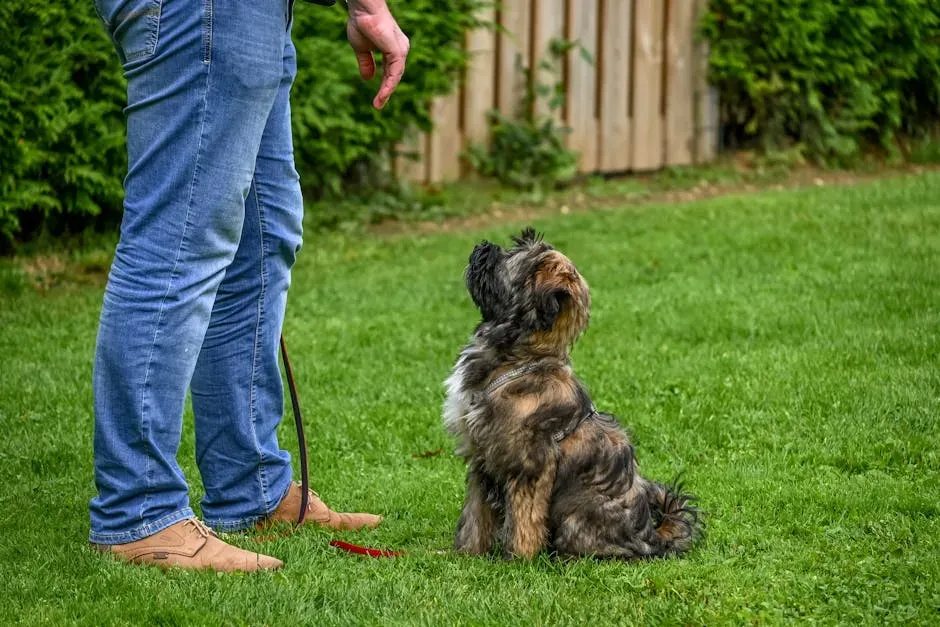
Strengthening the bond between dog and owner can support emotional stability and make time apart easier to manage. Small habits such as structured play, predictable schedules, enrichment activities, and calm departures help reinforce confidence and independence without reducing closeness. Recovery from emotional insecurity isn’t dramatic. It’s incremental, quiet, and built on repetition.
Through training, enrichment, and gradual independence-building, most dogs feel more confident over time. The key word is gradual. Flooding an anxious dog with stimulation or forcing confidence before they’re ready often makes things worse. Patience is not passive – it’s the most active form of support you can offer.
Avoiding similar triggers, maintaining routines, and providing comfort without overwhelming are all part of allowing psychological wounds to heal before gradual re-exposure. Temporary separation can become a confidence-building experience when managed properly. Exposure to new routines in a controlled setting helps dogs adapt. Structured care introduces change gradually and positively. Over time, dogs develop greater flexibility and resilience, benefiting future transitions.
Final Thoughts: The Dogs Who Need Us to Pay Closer Attention

Here’s an opinion worth sitting with: we tend to give dogs enormous credit for their resilience while simultaneously underestimating the depth of what they feel. The dog who’s been “a little off” since you moved house, changed jobs, or brought someone new into the family isn’t just adjusting. In many cases, they’re grieving a version of their world that no longer exists.
That’s not anthropomorphism. It’s what the psychology and behavioral science consistently point toward. Dogs don’t need perfect lives or unchanging homes. What they need is an owner who notices, who adjusts, and who brings enough consistency back into the environment to rebuild the foundation of trust. The effort is modest. The difference it makes to your dog’s inner life is not.


