
Psychology Says Dogs Feel the Weight of Human Loneliness Even When Their Owner Pretends to Be Fine

The Science Behind Canine Emotional Awareness

Dogs process human facial expressions with notable precision. Research shows they distinguish between happy and angry faces, even those belonging to strangers, and they adjust their behavior accordingly. Their brains respond to vocal tones in ways that mirror human emotional processing, allowing them to pick up on underlying distress.
Body language adds another layer. A slight slump in posture or slower movements can signal something amiss to a dog that spends hours watching its owner. These cues accumulate over time, building a picture of emotional state that goes beyond surface appearances.
Scent as a Window into Hidden Moods
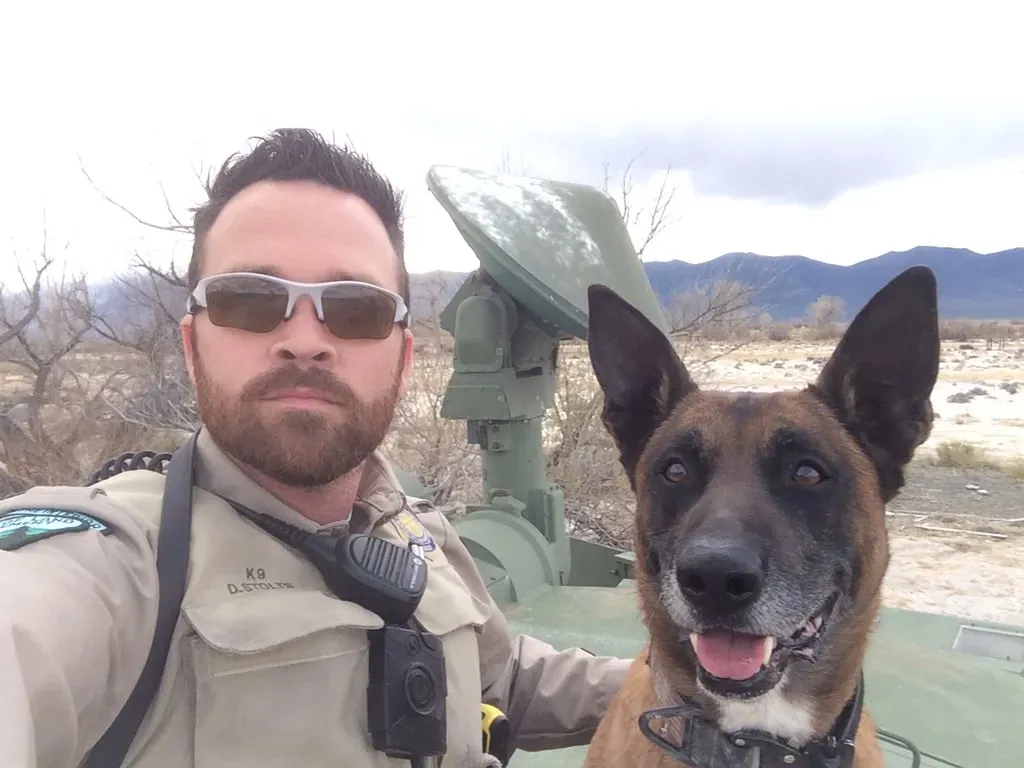
Smell plays a powerful role in how dogs detect stress or low moods. Human sweat carries chemical markers tied to emotions like anxiety or sadness, and dogs can differentiate these odors with high accuracy. One study found that exposure to stress scents led dogs to make more cautious decisions in simple tasks.
This olfactory sensitivity operates independently of visual or auditory signals. Even if an owner maintains a cheerful expression and steady voice, the underlying scent profile can reveal the true emotional weight. Dogs appear to integrate this information seamlessly into their responses.
How Dogs React When We Try to Hide Our Feelings

Owners sometimes mask their loneliness through forced smiles or upbeat conversations. Yet dogs often behave differently in these moments, showing reduced playfulness or increased proximity seeking. A 2024 study observed that dogs gazed and interacted less with owners who were genuinely sad, even when the humans believed their emotions were concealed.
Such responses suggest dogs do not rely solely on overt displays. They seem attuned to authentic internal states, which can prompt comforting actions like staying close or offering gentle nudges. This pattern holds across various household settings and owner personalities.
Insights from Recent Research on Empathy
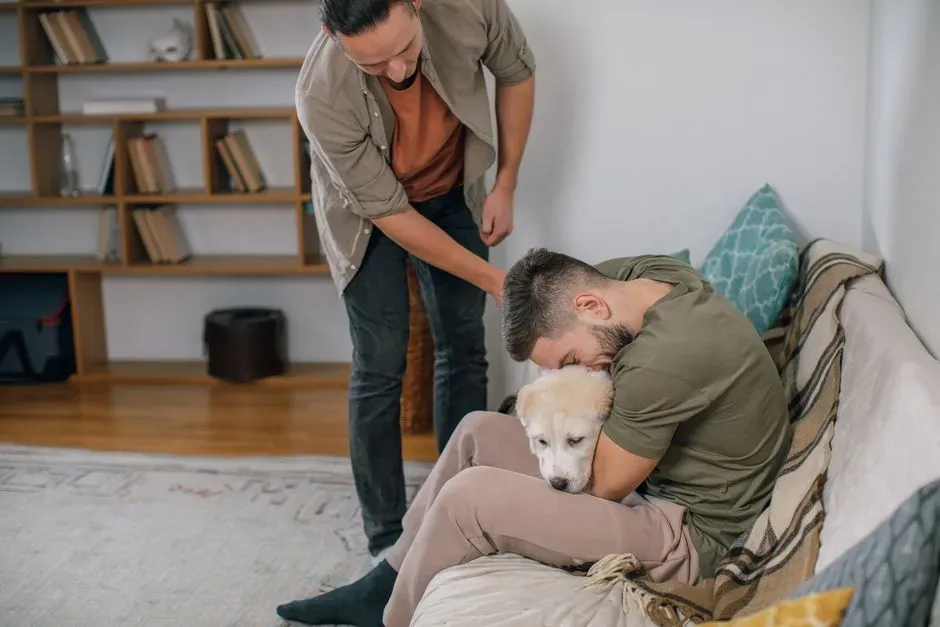
Multiple experiments highlight emotional contagion between people and their dogs. Heart rate patterns can align during shared emotional experiences, and dogs show elevated stress markers when exposed to human distress signals. Female dogs and those with longer shared histories tend to exhibit stronger synchronization.
These findings come from controlled settings where emotions were induced naturally. Dogs consistently favored approaches to crying individuals over neutral ones, regardless of whether the person was familiar. The consistency across studies supports the idea of a genuine perceptual ability rather than coincidence.
The Lasting Impact on Our Lives Together

Living with a dog that senses these undercurrents can deepen the relationship in unexpected ways. Owners may find themselves more aware of their own emotional patterns simply because their pet responds to them. This mutual attunement fosters a sense of being truly seen without the need for words.
Over time, the bond evolves into something quietly supportive. Dogs remind us that emotional honesty matters, even in small daily moments, and their presence can ease the very loneliness they detect. In the end, this connection offers a steady reminder of how much we share with the animals that share our homes.