
Psychology Says Dogs Instinctively Position Themselves Between Their Owner And Anyone Who Triggers Cortisol Spikes

The Science Behind Canine Stress Detection
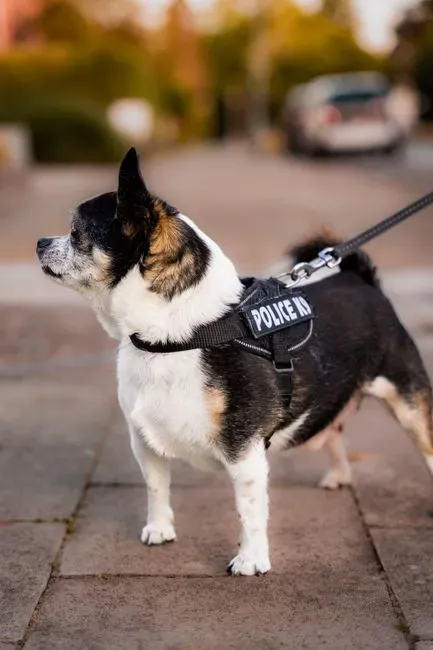
Dogs possess an extraordinary sense of smell that allows them to pick up subtle chemical changes in human sweat and breath. These changes often signal rising cortisol levels, the hormone released during stress. Research shows untrained dogs can distinguish between samples from calm and stressed individuals with high accuracy.
This ability stems from evolutionary adaptations that helped dogs thrive alongside humans for thousands of years. When a person experiences stress, volatile organic compounds shift in ways dogs notice immediately. Such sensitivity helps explain why many owners report their pets reacting before any visible signs appear.
Cortisol as a Key Indicator in Human Dog Interactions

Cortisol plays a central role in the stress response for both people and their dogs. Studies measuring hair samples reveal strong correlations between long term cortisol levels in owners and their pets. Owners with higher stress markers tend to have dogs showing similar patterns over time.
This synchronization suggests dogs absorb and mirror the emotional climate of their household. Seasonal variations appear in the data too, with levels often higher in winter months for both species. Physical activity or training routines do not explain these links, pointing instead to emotional contagion.
Observed Protective Positioning in Everyday Scenarios

Many dog owners notice their pets placing themselves physically between them and certain visitors or strangers. This positioning often occurs around individuals who seem to heighten the owner’s tension. The behavior aligns with broader protective instincts seen across many breeds.
Such actions may serve as a buffer during moments of unease. Dogs appear to assess threats not just through sight or sound but through scent cues tied to stress hormones. This creates a layered response where the animal acts as an early warning system and a shield.
Evidence from Studies on Stress Odor and Behavior

Recent experiments demonstrate that dogs exposed to stress related human odors show more cautious or pessimistic decision making. In one setup, dogs avoided ambiguous situations more when presented with samples from stressed people. This shift indicates the scent alone influences their emotional state and actions.
Other work highlights how dogs react to cortisol changes without any visual or auditory input. The findings suggest an instinctive drive to manage perceived risks around their bonded human. These responses occur even in controlled lab conditions with unfamiliar odors.
The Bond That Amplifies These Instincts

Close attachments between dogs and owners strengthen the transfer of emotional signals. Dogs that spend significant time with one person develop heightened attunement to that individual’s baseline and deviations. Personality traits in owners, such as higher neuroticism, can influence how strongly these patterns emerge in the dog.
Positive interactions like petting or play further reinforce the connection by boosting oxytocin while lowering cortisol in both parties. This mutual calming effect builds a foundation where protective behaviors feel natural. The relationship itself becomes a feedback loop of awareness and response.
Practical Ways Owners Can Support Their Dogs
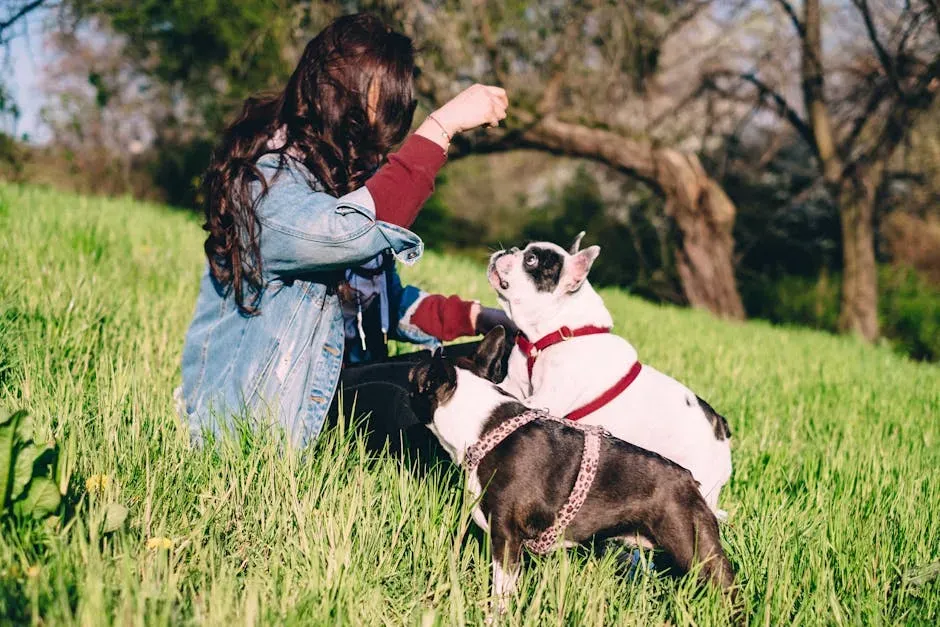
Recognizing these instincts allows owners to create calmer environments that benefit everyone involved. Monitoring personal stress levels through simple habits like breathing exercises can reduce the signals dogs pick up. Consistent routines help dogs feel secure and less likely to overreact to minor triggers.
Training focused on calm greetings with new people can channel protective tendencies productively. Owners who stay aware of their own emotional state often report smoother interactions overall. Small adjustments in daily life make a noticeable difference in how dogs navigate social situations.
Broader Implications for Human Canine Relationships
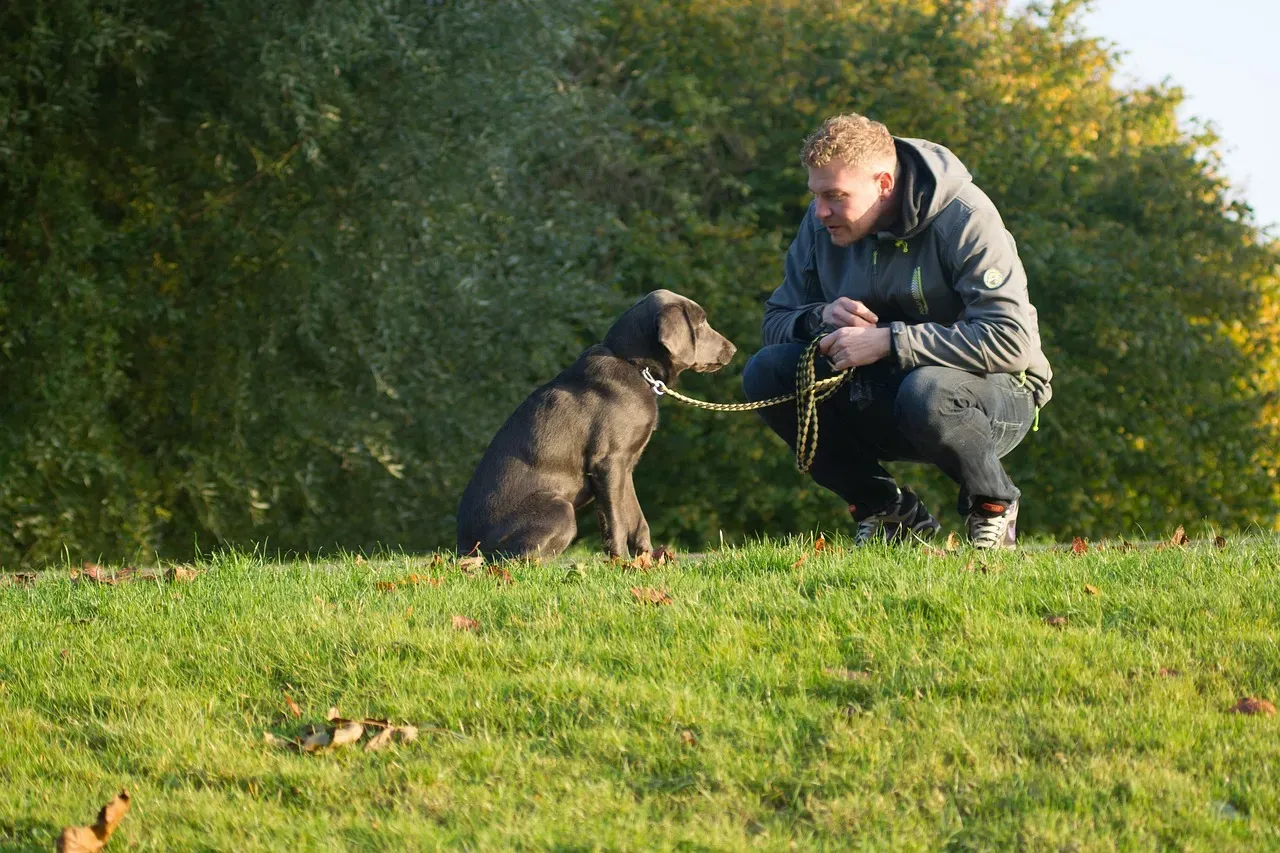
This dynamic underscores the depth of the human dog partnership beyond basic companionship. Dogs serve as living barometers for household stress, offering both detection and a form of emotional support through their presence. The synchronization of stress markers points to a shared physiological experience.
Understanding these patterns encourages more mindful interactions that honor the dog’s sensitivity. It also highlights why dogs remain such valued companions in stressful modern lives. The instinctive positioning reflects a loyalty rooted in biology and bond alike.
Dogs remind us daily that connection runs deeper than words, shaping how we move through the world together in quiet, instinctive ways.