

The Bonds Dogs Form With Their People

Dogs build strong attachments through daily routines and shared time. These connections shape how they respond when the household rhythm shifts suddenly. A familiar departure can trigger unease that lingers beyond the moment of leaving.
Over years of living together, dogs learn to associate certain cues with comfort and security. When those cues disappear, even briefly, the emotional adjustment can affect basic drives like appetite. This pattern appears across many households without owners realizing the depth of the reaction.
Why Food Suddenly Loses Its Appeal

Refusing meals after an owner departs often stems from heightened stress rather than pickiness. The body diverts energy away from digestion when anxiety rises. In these moments, even favorite treats hold little interest until the familiar person returns.
Owners sometimes mistake this for stubbornness or a health issue. Yet the timing aligns closely with departures, suggesting an emotional trigger. Watching the dog closely during these windows reveals whether the pattern repeats consistently.
Separation Distress and Its Subtle Forms

Classic signs of separation distress include pacing, vocalizing, or destruction. A quieter version shows up as withdrawal and skipped meals. Both point to the same underlying discomfort with being alone.
Some dogs mask their feelings until the door closes. Others begin showing tension during the preparation to leave. Either way, the result can include a temporary shutdown of normal eating habits that resolves only upon reunion.
Grief Like Responses in Everyday Life

Grief in dogs typically surfaces after the permanent loss of a companion. Still, milder versions of similar behaviors can appear during shorter absences that feel significant to the animal. Appetite changes rank among the most common shifts reported in both situations.
Researchers note that dogs may experience a sense of loss when their primary attachment figure steps away for work. The response does not match human grief exactly, yet the overlap in symptoms invites closer study. This area of canine emotion continues to draw fresh interest from specialists.
What Current Studies Suggest About Canine Emotions

Surveys of dog owners reveal that many pets display reduced interest in food following major changes in their social circle. Similar patterns emerge when dogs face repeated daily separations. The consistency across reports points to a shared emotional root.
Behaviorists emphasize that these reactions vary widely between individuals. Factors like age, breed tendencies, and prior experiences influence how strongly a dog reacts. Ongoing observations help map the range of normal responses versus those needing extra support.
Practical Steps for Concerned Owners
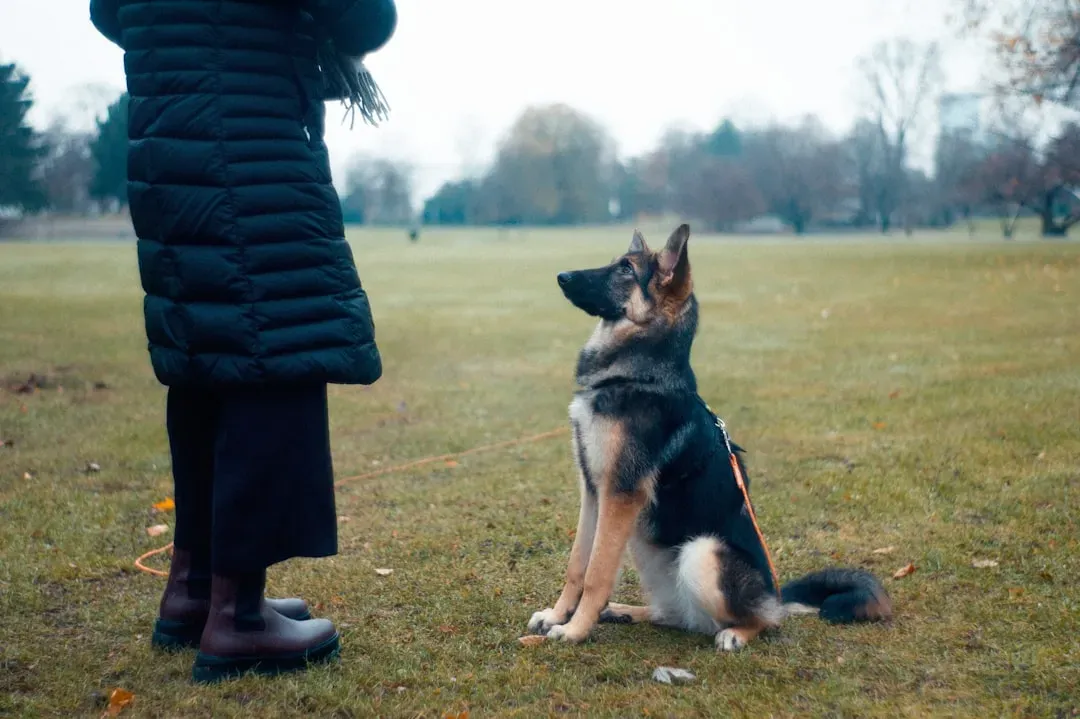
Creating predictable routines around departures can ease some of the tension. Offering engaging food toys only during alone time sometimes encourages eating without direct supervision. Gradual practice with short absences builds tolerance over weeks.
Consulting a veterinarian rules out medical causes first. A certified behavior professional can then tailor approaches to the specific dog. Small adjustments often bring noticeable improvement without dramatic changes to the household schedule.
Looking Ahead at How We Care for Dogs

Recognizing these quiet signals encourages owners to view their pets as emotional beings with complex needs. The growing focus on such responses may lead to better daily practices that support mental well being alongside physical health. In time, more tailored guidance could become standard for households with working owners.
Ultimately, paying attention to these moments strengthens the relationship between dog and person. It reminds us that companionship carries responsibilities beyond food and shelter. Dogs thrive when their inner world receives the same care we give their bodies.


