
Psychology Says Dogs Will Wait For You For Months Because They Believe You’ll Come Back
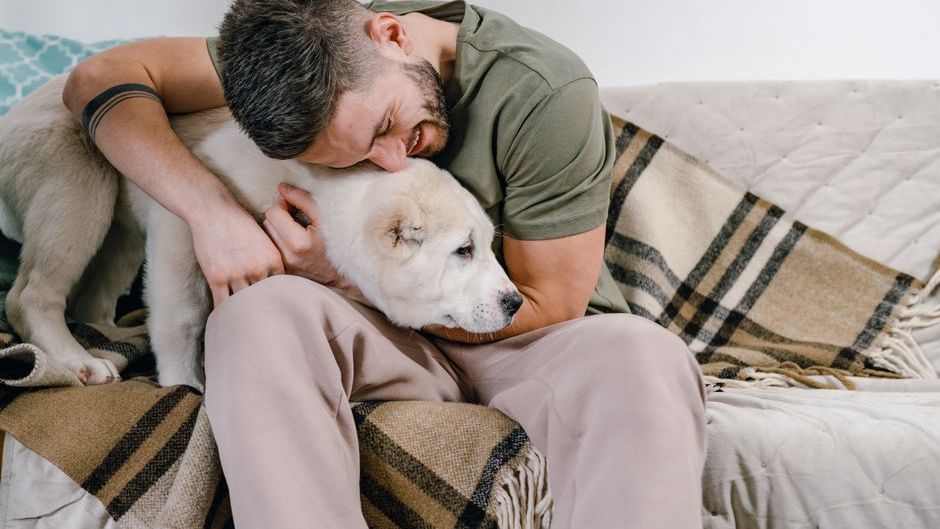
Picture this. You step out the door for what feels like a quick errand, yet months later your dog still lingers near the entrance, ears perked at every sound. That quiet vigil raises a question many owners ponder in quiet moments. What keeps a dog holding on when time stretches on?
Canine psychology offers some clues rooted in attachment and memory rather than simple habit. These bonds run deeper than most realize, shaping how dogs navigate absence and hope for reunion.
The Foundations of Canine Attachment
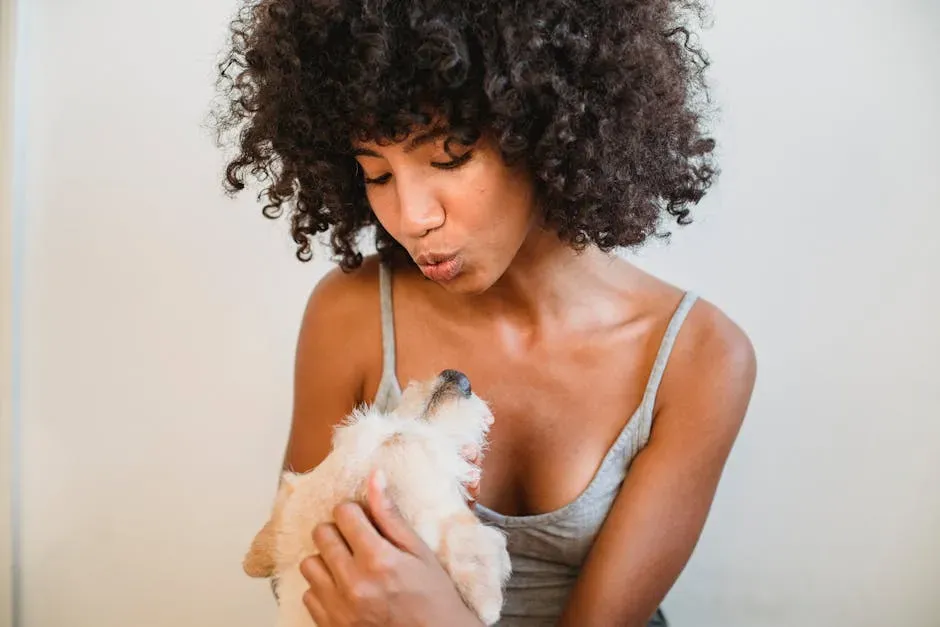
Dogs form attachments similar to those seen in young children and other social mammals. Research into their behavior shows they seek proximity to familiar people and show distress when separated. This drive stems from evolutionary roots where staying close to the group meant survival.
Over time these connections strengthen through daily interactions like feeding, walks, and play. A dog learns to associate its person with safety and comfort. The result is a relationship that persists even during long separations.
How Studies Capture Separation Responses
Experiments tracking dogs left alone for varying lengths reveal clear patterns. After absences of a couple hours or more, many greet their owners with heightened excitement and attention. Shorter departures produce milder reactions, suggesting dogs register the passage of time in meaningful ways.
These findings come from controlled observations rather than dramatic claims. They point to emotional investment without proving exact thoughts about future returns. Still, the intensity of reunion behaviors hints at genuine anticipation.
Memory and Routine Shape Expectations
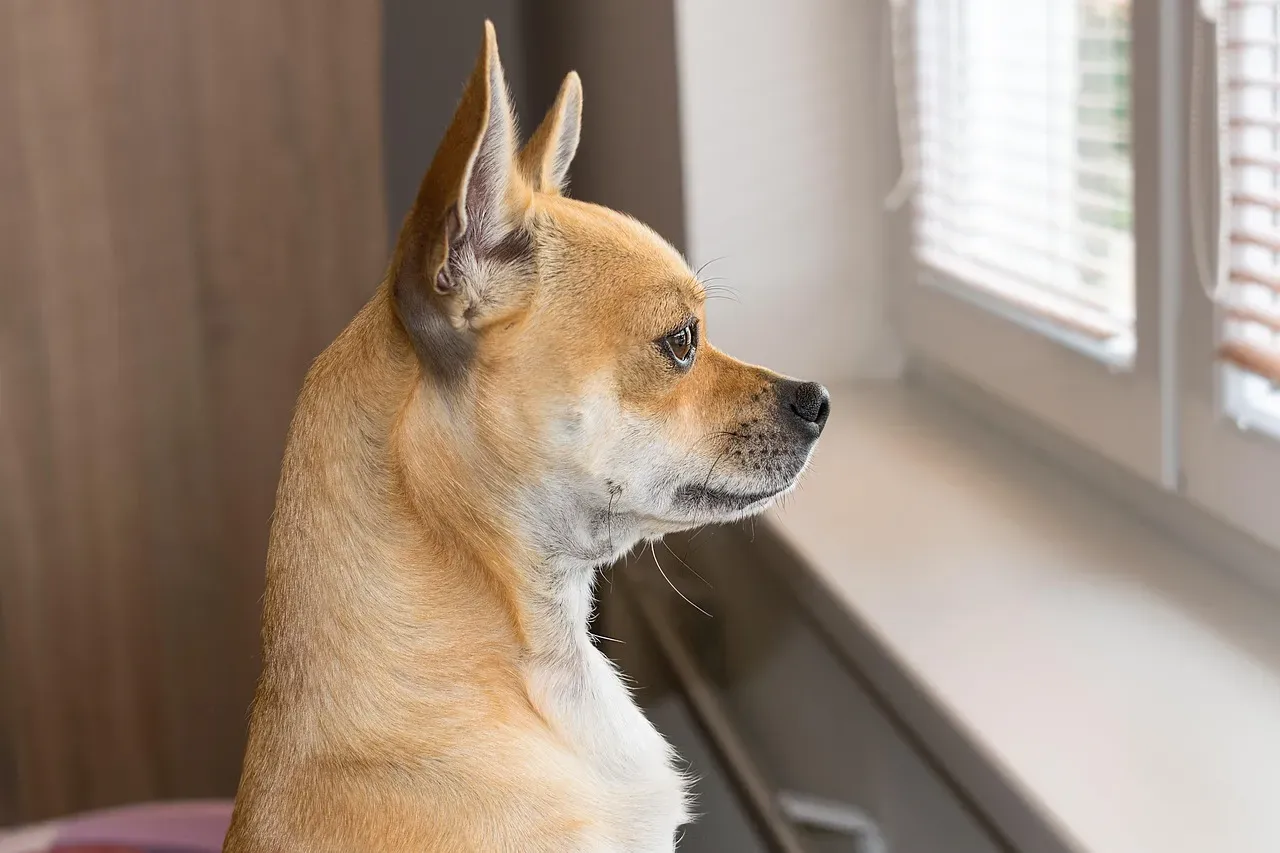
Dogs rely heavily on scent cues and familiar schedules to anticipate events. A fading smell or missed mealtime can signal that someone should appear soon. This sensory awareness helps them maintain a sense of continuity during absences.
Owners often notice dogs positioning themselves at doors or windows around usual arrival times. Such habits reflect learned patterns more than abstract belief. Yet they create the appearance of patient waiting that endures for weeks or longer.
Stories That Illustrate Enduring Loyalty
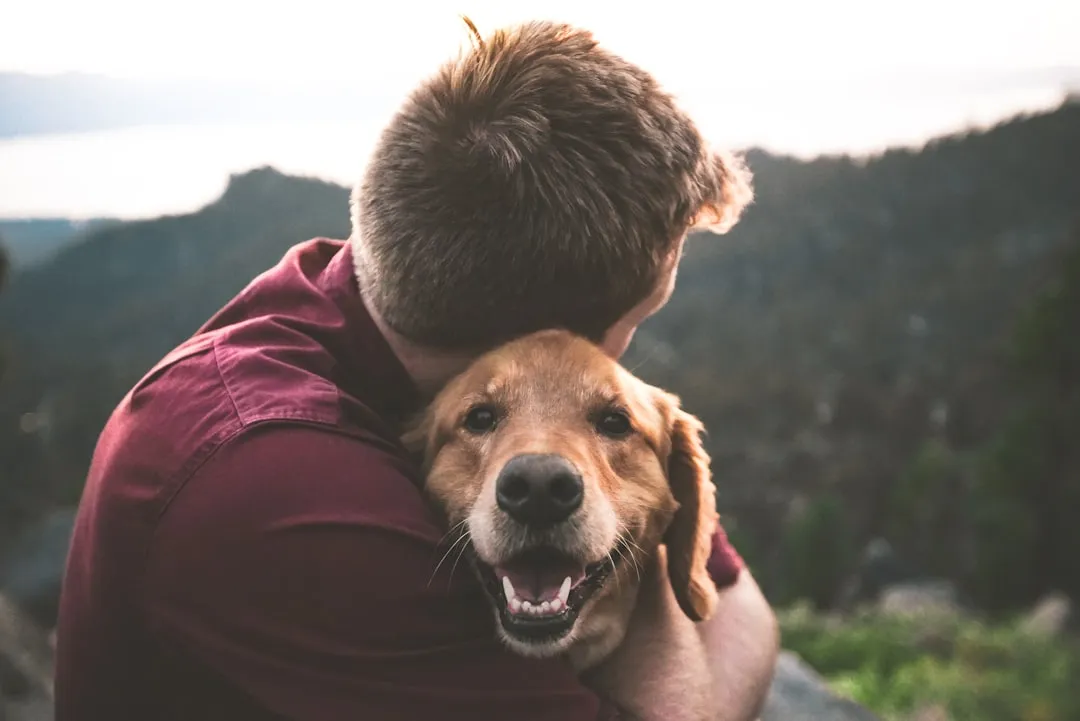
Real life examples highlight how far some dogs carry their devotion. One well known case involved a dog returning daily to a train station for nearly a decade after its owner passed away. The animal maintained the routine despite changing circumstances and eventual hardship.
Accounts like this circulate because they resonate with what many experience at home. Not every dog faces such extremes, but the underlying loyalty appears across breeds and situations. These tales underscore the strength of the bond without needing exaggeration.
Emotional Responses During Prolonged Absence
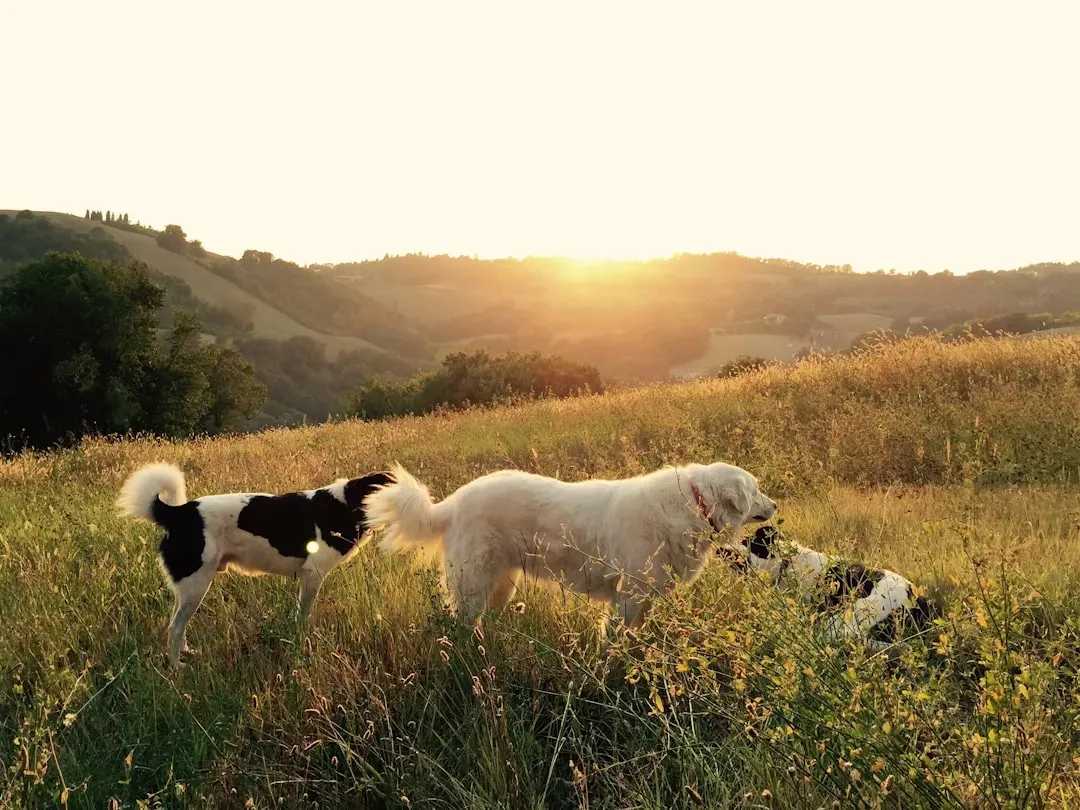
When owners leave for extended periods, dogs may display subtle signs of missing them. Increased activity upon return or focused attention at entry points often emerges. These reactions align with attachment research showing relief and joy after separation.
Longer gaps tend to amplify the greeting intensity in many cases. The dog seems to hold space for the person even as days turn into weeks. This persistence reflects trust built over shared history rather than conscious prediction of exact timelines.
Factors That Strengthen the Bond
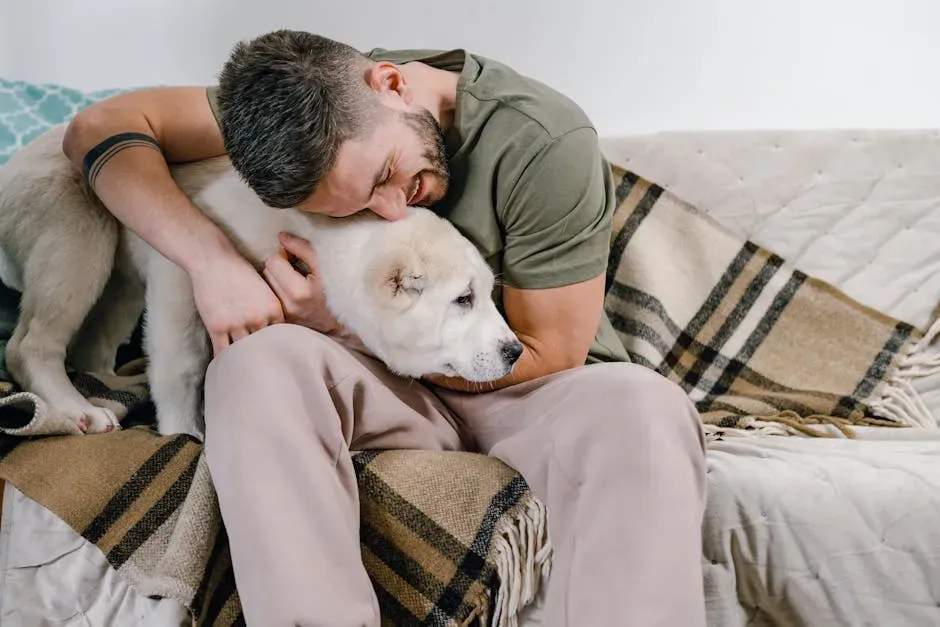
Consistent care and positive experiences deepen a dog’s sense of security. Play, training, and affection all contribute to a relationship that feels reliable. In turn, the animal invests more in maintaining that connection through absence.
Individual differences matter too. Some dogs show stronger attachment styles based on early life experiences and temperament. Those with secure bonds appear more likely to wait patiently, treating the owner’s return as a natural outcome.
Reflections on What This Loyalty Reveals
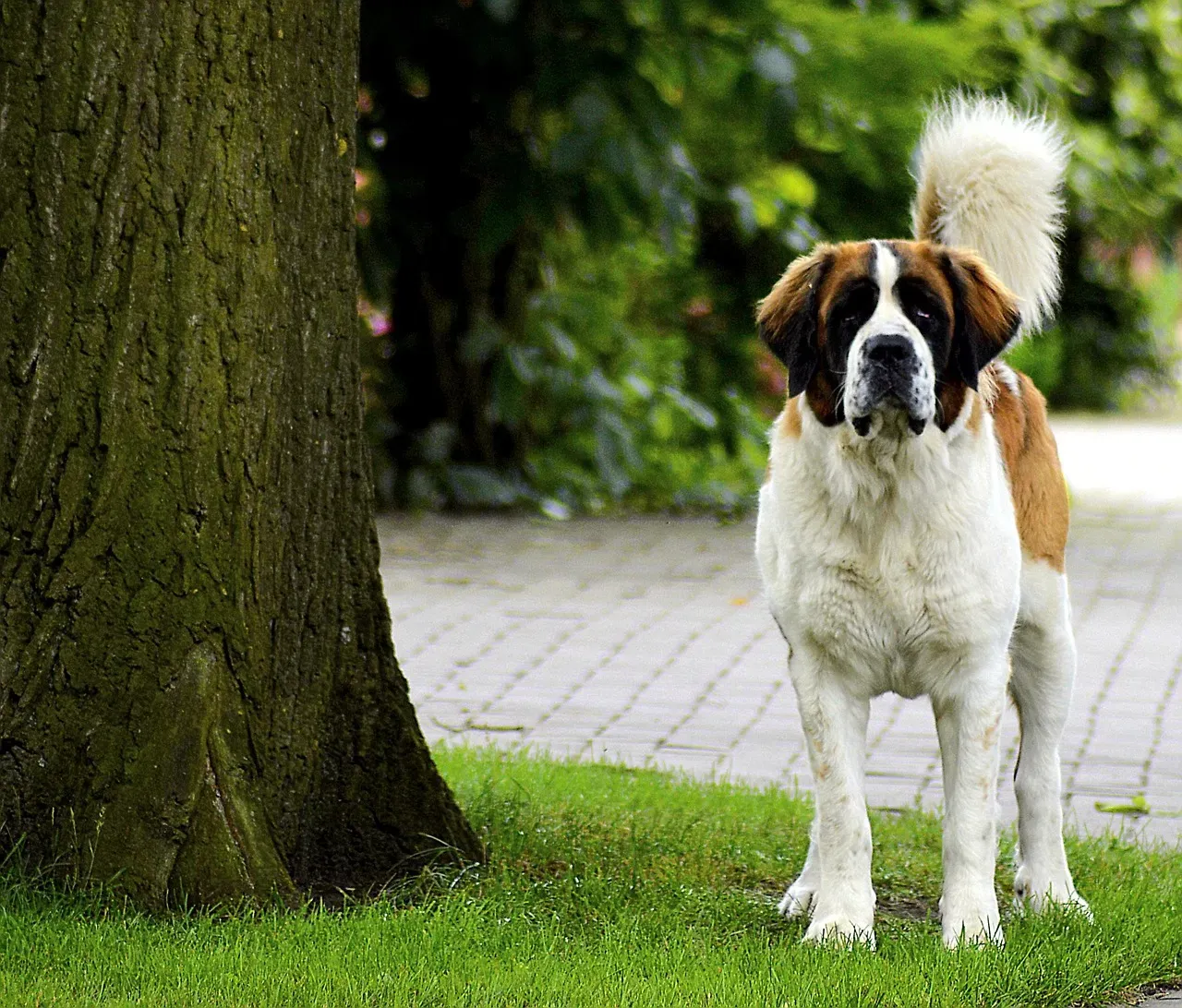
Understanding these behaviors invites owners to appreciate the quiet faith dogs place in them. It encourages thoughtful routines that honor the attachment rather than test its limits. Small acts of presence and care reinforce the trust that makes long waits possible.
In the end, the months of waiting speak to a simple truth about companionship. Dogs offer steadfast presence in return for the same, creating connections that outlast ordinary absences. That quiet belief in reunion remains one of their most touching gifts.