
Psychology Says People Who Cry When Their Dog Looks at Them Have Experienced a Specific Type of Childhood Loss
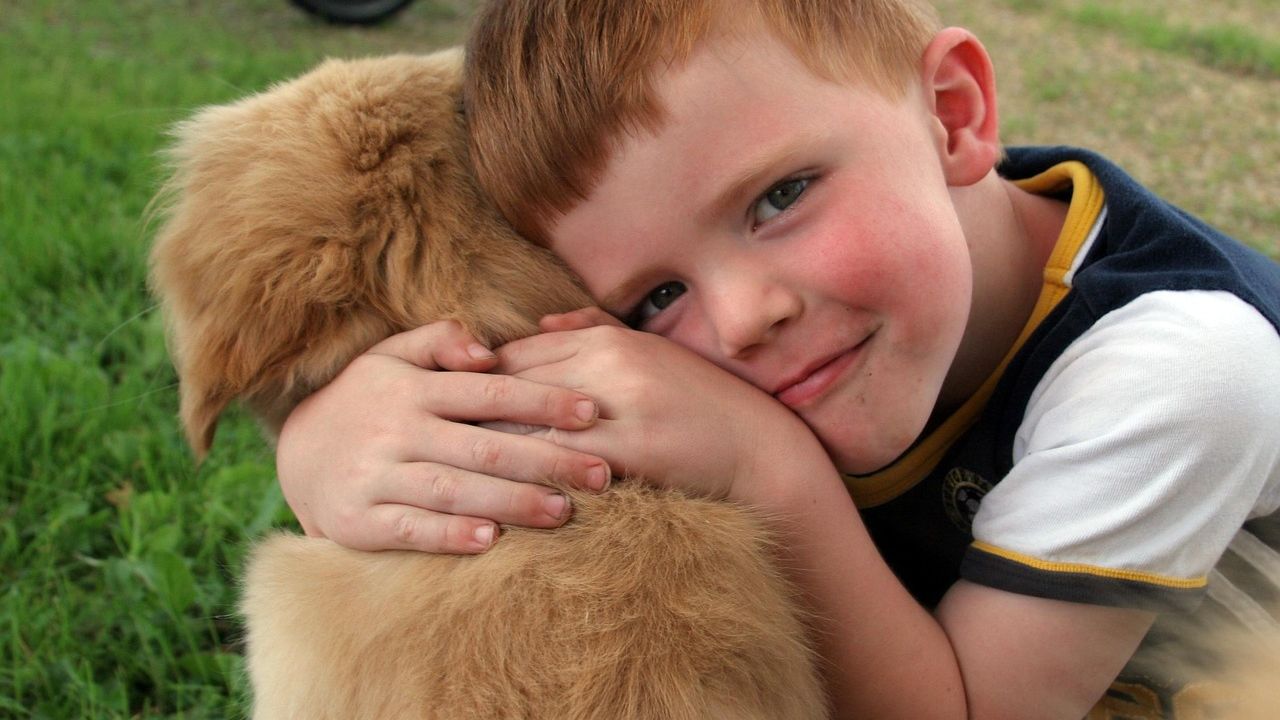
The Quiet Power of a Dog’s Gaze
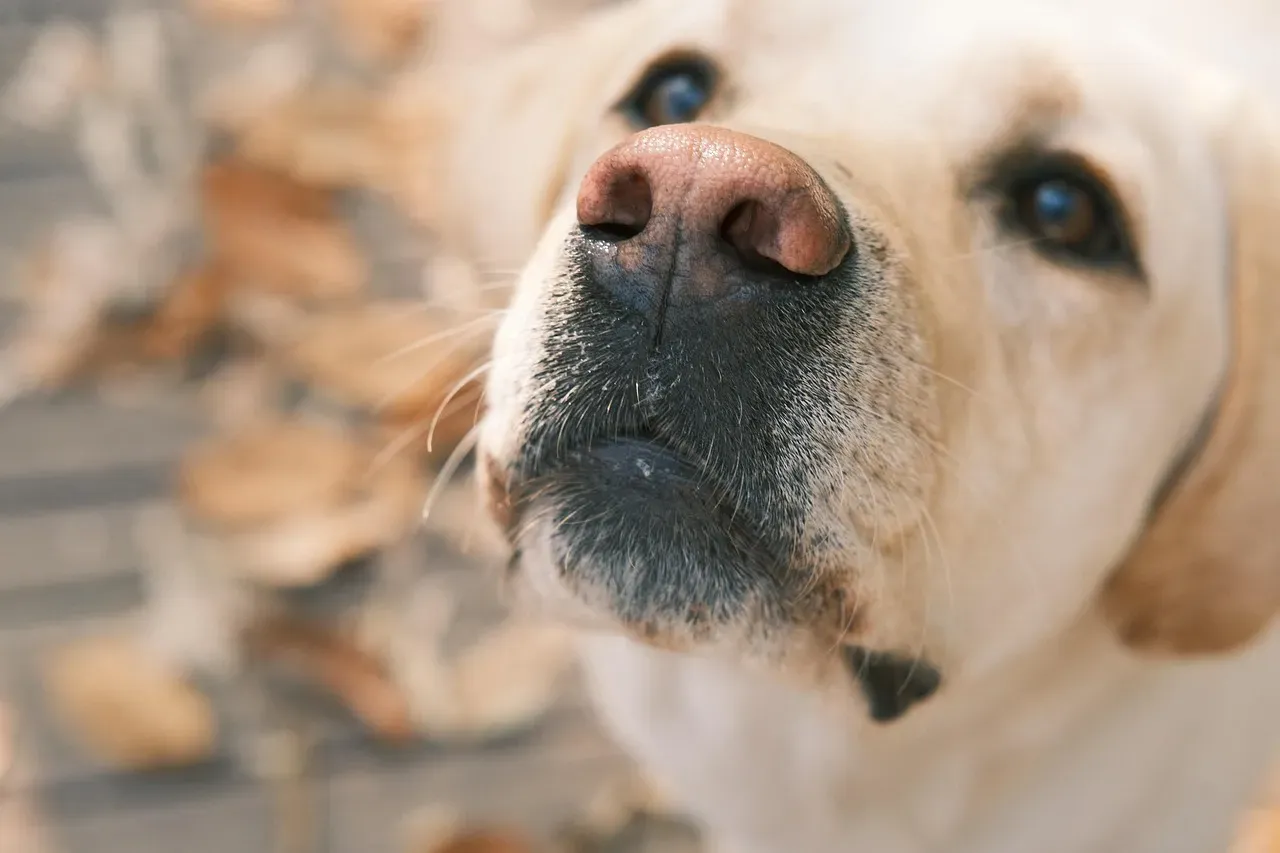
Dogs often lock eyes with their people in ways that feel deeply personal. This steady gaze can release oxytocin in both the animal and the human, creating a rush of warmth and connection. For some, that flood of feeling spills over into tears without warning.
The response feels sudden yet familiar at the same time. It taps into layers of emotion that everyday interactions rarely reach. Many describe it as a mix of love, vulnerability, and something harder to name.
How Attachment Shapes Everyday Moments

Attachment theory explains how early bonds with caregivers set patterns for later relationships. Secure early connections tend to create steady emotional responses later in life. Insecure patterns, by contrast, can leave people more sensitive to gestures of care.
A dog’s unwavering attention can mirror the kind of steady presence some missed growing up. This mirroring brings old feelings to the surface in unexpected ways. The tears become a signal rather than a random reaction.
Childhood Experiences and Stronger Pet Bonds
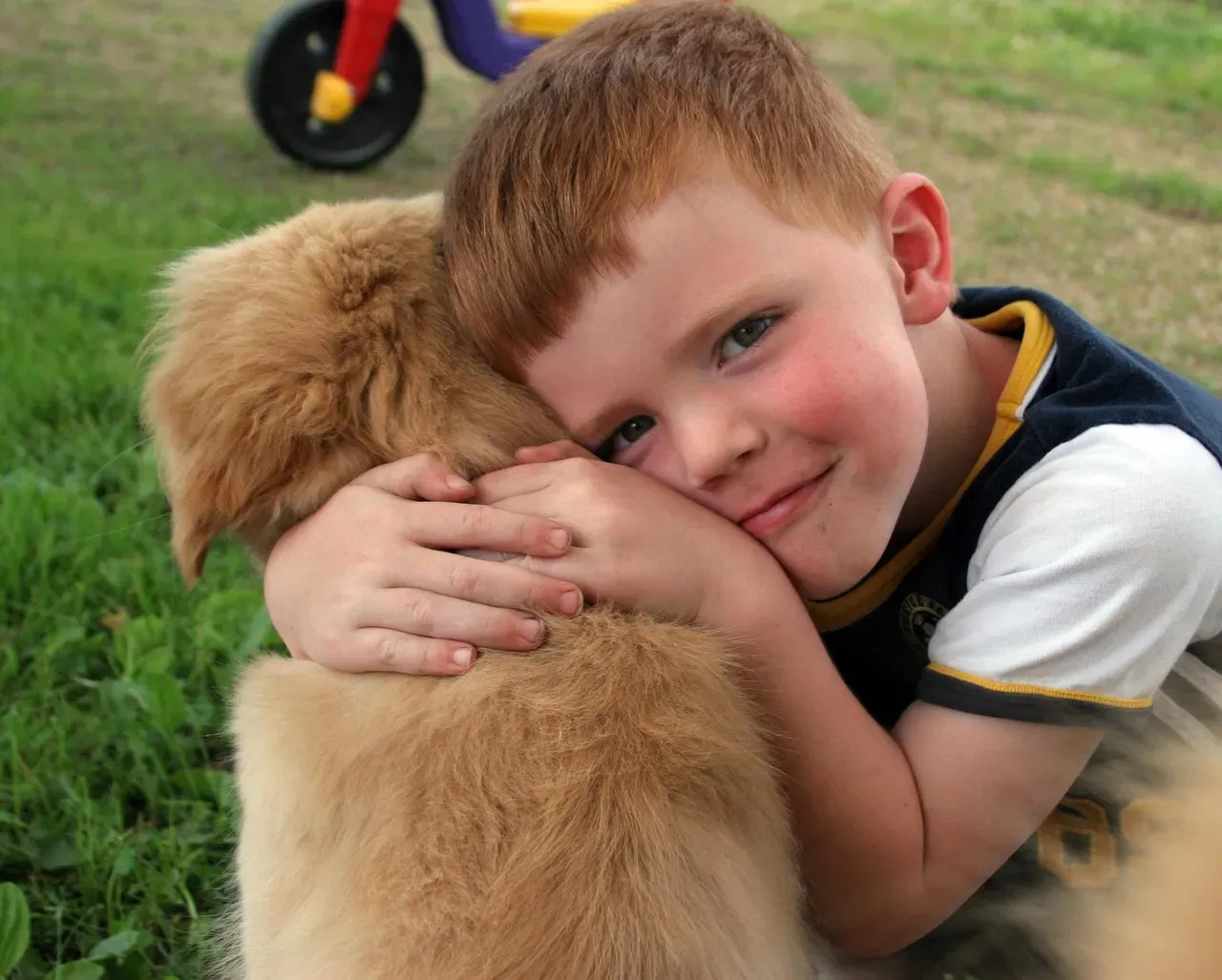
Research shows that people who faced neglect or instability as children often form especially close ties with pets. These animals provide a reliable source of affection when human relationships felt uncertain. The bond can run deeper because it fills a gap left long ago.
Dogs offer consistency without judgment or conditions. That reliability stands out against memories of emotional distance or unpredictability. Over time, the connection grows into something that feels essential.
Why Certain Looks Trigger Tears
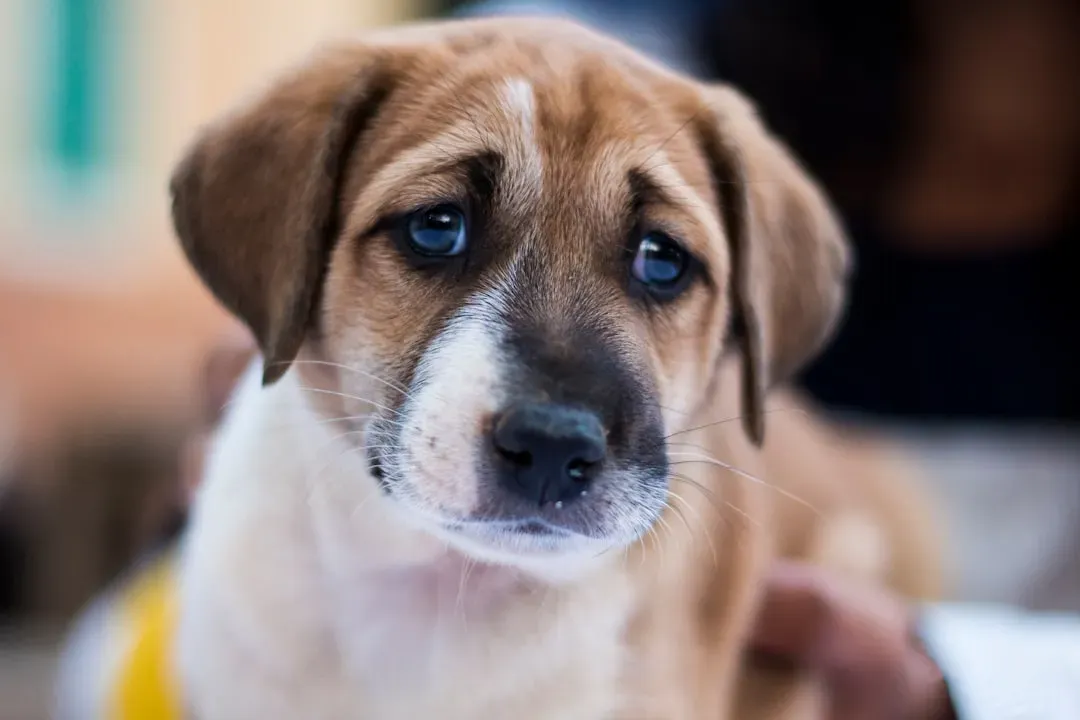
The dog’s gaze carries no agenda beyond presence. For those carrying echoes of early emotional gaps, this pure attention can feel overwhelming in the best way. It highlights what was missing and what now feels abundant.
Tears in these moments often mix gratitude with a quiet ache. They reflect both the comfort found now and the contrast with earlier years. The reaction stays private for many, yet it carries real weight.
The Role of Unconditional Acceptance
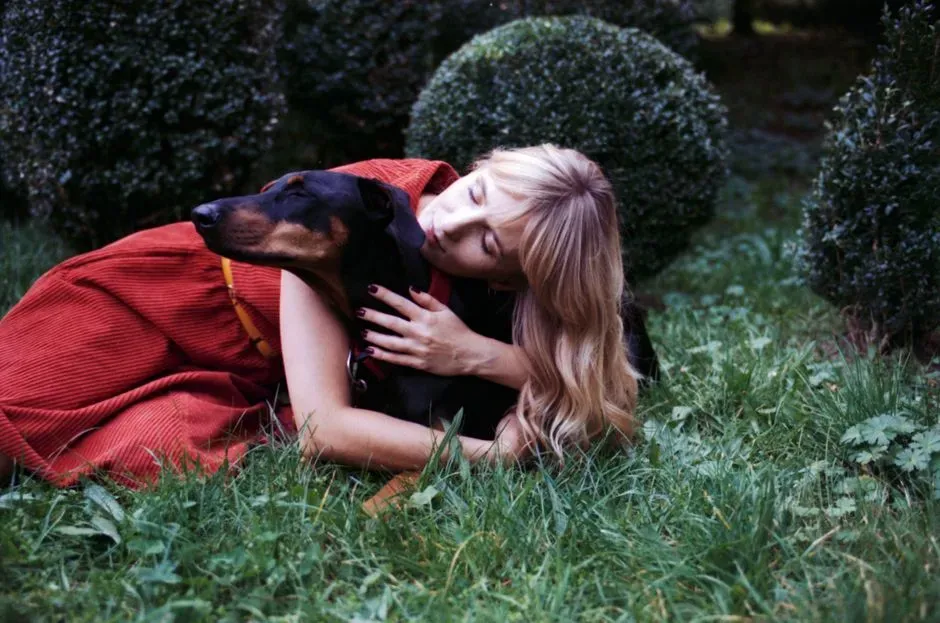
Dogs accept their people exactly as they are in any given moment. This acceptance can stir memories of times when love felt conditional or inconsistent. The contrast brings relief alongside a sense of loss for what might have been.
Over years together, these small exchanges build a reservoir of trust. When the dog simply looks, it taps that reservoir and releases stored emotion. The tears serve as a release valve for feelings that have waited for safe expression.
Recognizing Personal Patterns
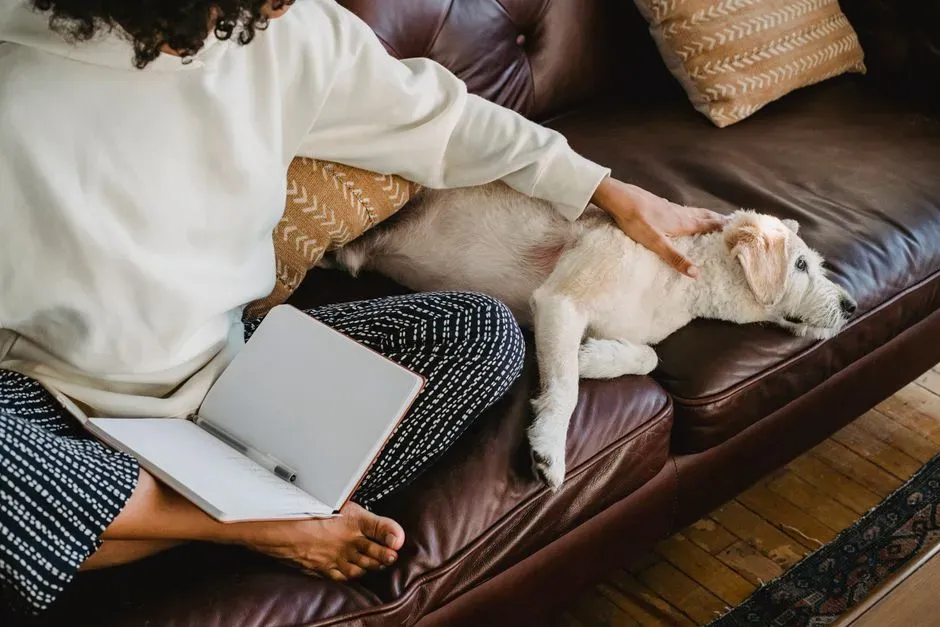
People who notice this reaction often start to connect it with their own history. Patterns emerge around how they seek comfort or respond to kindness. Awareness turns the tears into useful information rather than just surprise.
Journaling or quiet reflection helps trace the feeling back to its roots. Many find that understanding softens the intensity over time. The response becomes less startling and more meaningful.
Finding Value in These Emotional Signals
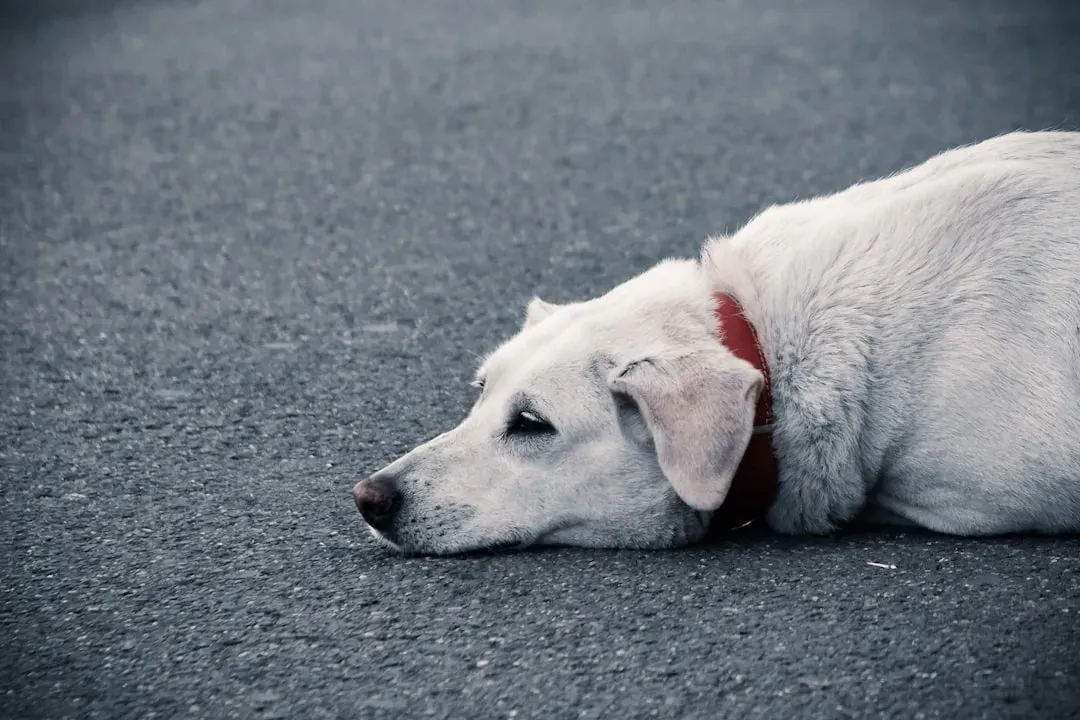
These moments offer a window into how past experiences still shape the present. They remind people that healing can arrive through unexpected channels like a loyal companion. Paying attention to the tears can guide gentler self care.
Ultimately the reaction points to resilience rather than weakness. It shows the capacity to form deep bonds even after early challenges. In that sense the tears mark progress as much as they mark memory.