

#1: Dogs Form Attachment Bonds That Mirror Human Infant Psychology

Attachment theory as it applies to dogs is rooted in human studies, where it has been shown that infants have a strong need to be near their caregiver, also called the attachment figure. The parallel isn’t a loose metaphor. Dogs genuinely operate through a system of emotional dependency that is structurally similar to how a child relates to a parent.
Four behavioral components can be used to discriminate a true attachment bond from other affectional bonds: staying near to and resisting separation from the attachment figure, feeling distress upon involuntary separation, using the attachment figure as a base for exploring the environment free of anxiety, and seeking out the attachment figure for contact and assurance in times of emotional distress. Dogs display all four. That’s not a coincidence, and it’s not just instinct in the shallow sense of the word.
Domestic dogs display behavioral patterns towards their owners that fulfill the four criteria of attachment, using their owners as a secure base and exploring the environment more when accompanied by their owners. For an emotionally unavailable owner, that secure base is effectively absent, even when they’re physically present. The dog is still searching for something that isn’t there.
#2: Owners’ Emotional Availability Directly Shapes Canine Behavior
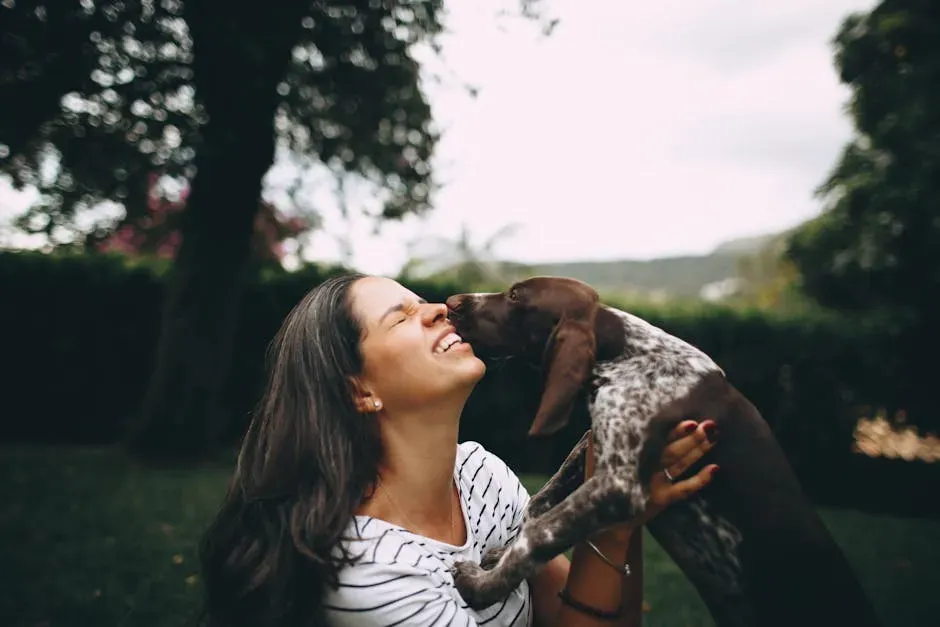
The dog-owner relationship is reflected in the dog’s emotional reactions. A close emotional bond with the owner appeared to decrease the arousal of dogs. In simple terms, a warm, emotionally engaged owner produces a calmer, more secure dog. The inverse is also true, and research backs it up in measurable physiological terms.
Previous research has suggested that owners’ attitudes toward their family dogs may contribute to a variety of behavior problems in the dog, and authors assume that dogs with separation-related disorder attach differently to the owner than typical dogs do, with these dogs possibly having an insecure attachment style. Researchers have investigated whether owners’ attachment style, personality traits, and the personality of the dog influence the occurrence of this disorder. The findings are worth sitting with: the owner’s internal emotional world shapes the dog’s behavioral problems in ways that go far beyond training.
Researchers found that with owners’ higher score on attachment avoidance, the occurrence of separation-related disorder in the dog increases. Attachment avoidance in humans, the tendency to keep emotional distance, isn’t just a personal pattern. It bleeds into the relationship the dog experiences every single day.
#3: Some Dogs Turn Their Owners Into Emotional Lifelines, and It Can Go Wrong

Psychosocial factors such as social support, loneliness, and mental well-being did not directly predict overall attachment but influenced specific emotional dimensions, particularly the person-substitution aspect in dog owners. This suggests that individuals with lower social support may form compensatory bonds with their dogs, viewing them as substitutes for human companionship. The dog, in other words, gets recruited to fill a role it wasn’t built to carry alone.
Owners who have a strong attachment to their dog may be seeking comfort that they do not feel is available in their human relationships. However, dogs may not be able to provide the emotional support that their owners require, particularly during times of distress where more practical support may be needed. The dog gives everything it has. The owner remains emotionally marooned. Neither one fully gets what they need.
A dog can perform the safe haven function by offering people a safe place to retreat to when they are distressed. A dog cannot, however, facilitate the exploration side of the attachment system, such as the goal-corrected partnership that helps people identify new strategies for mastering the environment. That limitation matters. Dogs can hold you, in their way. They cannot rebuild you.
#4: When the Bond Becomes Anxious, Both Dog and Owner Suffer

Research findings indicate that both strong and insecure attachments to dogs are linked to poorer mental health outcomes. The adverse impact of strong attachment to dogs on mental health was mediated by owners having an anxious attachment style toward other people, which in turn was associated with poorer mental health. The pattern isn’t random. Owners who struggle to trust people emotionally tend to over-rely on their dogs, and that over-reliance creates its own form of damage.
Dog owners who scored higher on attachment insecurity, both anxious and avoidant, reported lower scores for their dog’s mental status, feeling their dogs were depressed, which in turn predicted poorer mental health. So the feedback loop works in both directions. An anxious or emotionally withdrawn owner perceives their dog as suffering, which then compounds the owner’s own psychological distress.
Fear-related behavior of dogs was associated with higher attachment anxiety in their owners. Fearfulness of the dog could evoke worry for the dog’s wellbeing, but it is also possible that the owner’s anxious attachment leads to anxious behavior of the dog. The question of who started it becomes almost irrelevant. Once the cycle begins, it sustains itself.
#5: A Dog’s Wellbeing Depends on Emotional Reciprocity, Not Just Physical Care
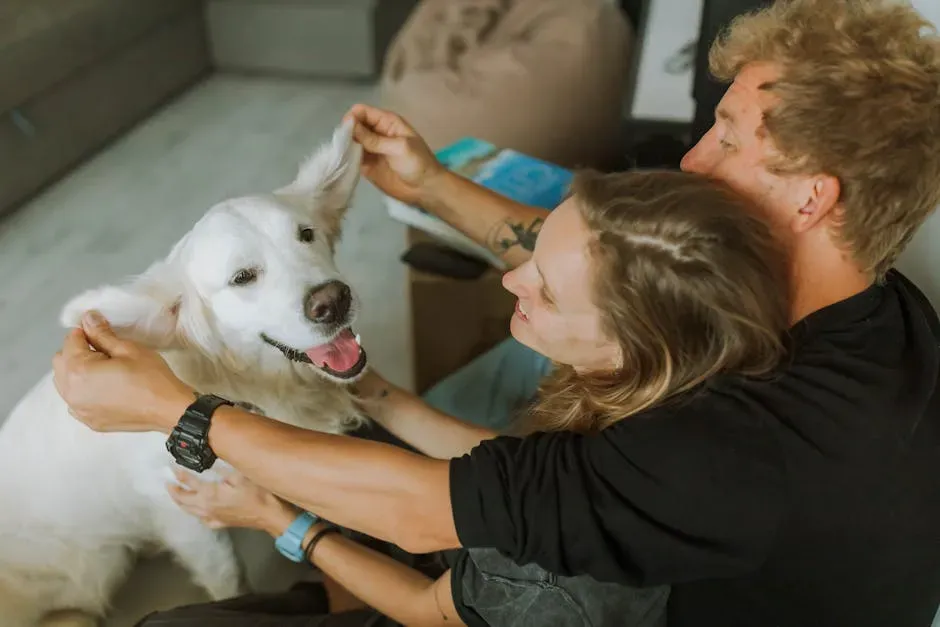
Dogs are attuned to and care about our emotional states, and their interactions are reciprocal. They also need consistent availability, warmth, comfort, and responsiveness from the humans they live with. The relationship runs both ways, and that reciprocity is precisely what makes the bond so powerful, and so worth protecting. Feeding a dog and walking a dog are necessary. They are not the whole picture.
Science is catching up to what many dog owners have long sensed intuitively: that a well-fed, physically healthy dog can still be struggling. Chronic stress, emotional insecurity, and a lack of stable connection leave real marks, not just on behavior, but on a dog’s overall health. A dog in a clean house with full food bowls and an emotionally absent owner is, in some meaningful sense, a dog in a kind of quiet neglect.
Studies have shown that dogs exhibit behaviors akin to secure attachment when their owners are present, such as reduced stress and increased exploration. This mutual attachment strengthens the bond and enhances the emotional rewards of the relationship. When it works, it genuinely works for both parties. The problem isn’t the depth of the dog’s love. The problem is when that depth meets a wall.
Conclusion: The Dog Loved You First, and Fully
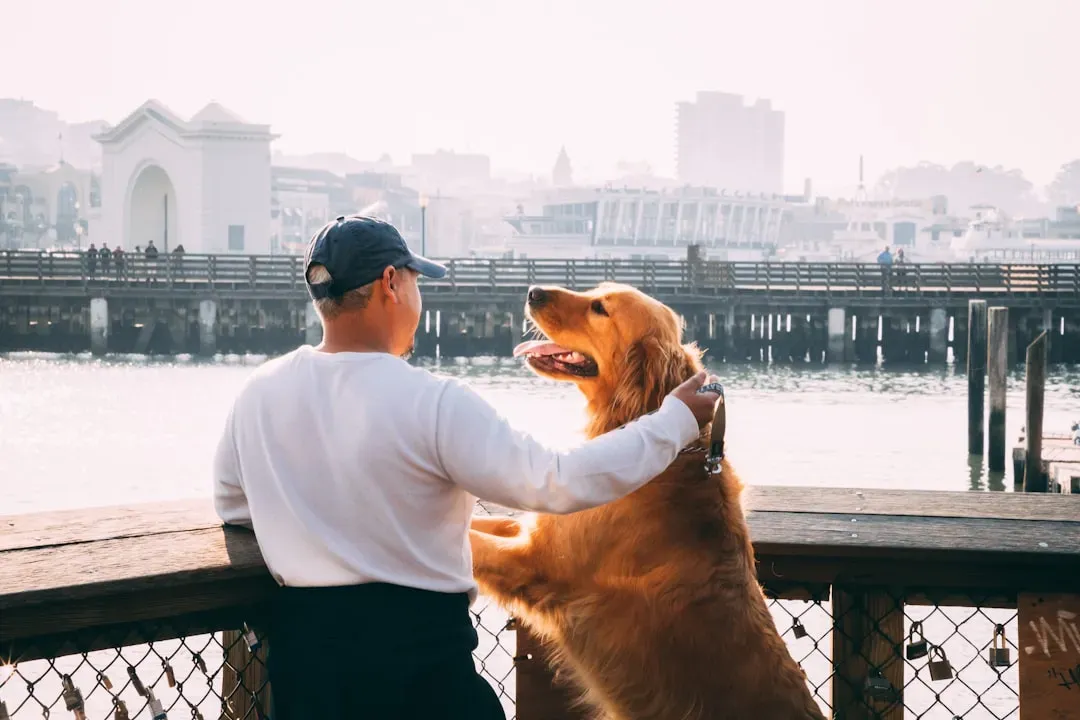
There’s a specific kind of pain in loving someone who isn’t equipped to receive it. Dogs experience something like that, even if they can’t name it. The research is consistent on this point: the emotional availability of an owner shapes a dog’s psychological health in ways that physical care simply cannot compensate for.
This isn’t a case for guilt. It’s a case for honesty. If you’re someone who struggles with emotional availability, whether because of your own attachment history, trauma, or the ordinary weight of a difficult life, the dog in your home is not immune to that. It feels it. It responds to it. It tries to close the distance with its whole being.
The more important question isn’t whether your dog loves you too much. It’s whether you’re in a place to meet that love with something real in return. Dogs, as the science keeps reminding us, don’t just need your presence. They need you to actually show up.


