
Psychology Says the Way You Greet Your Dog After Work Reveals Whether They Feel Truly Loved
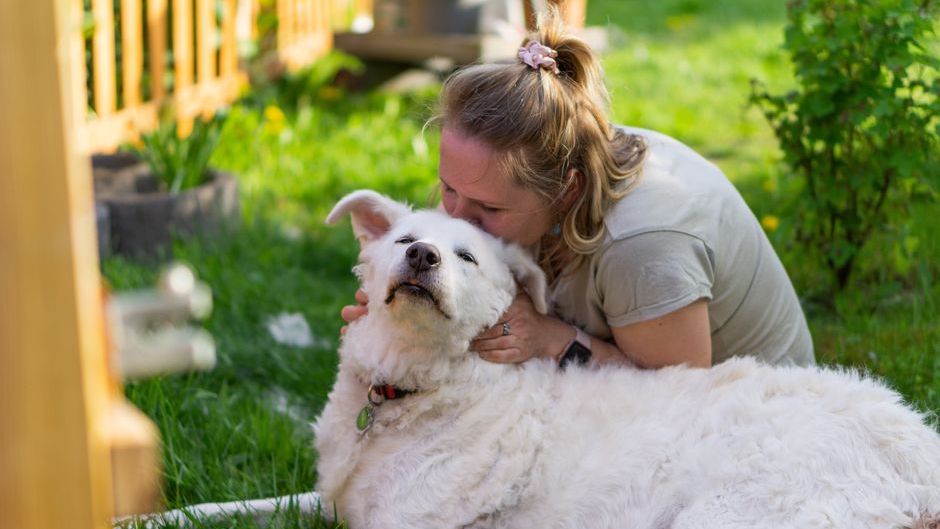
The Science of Secure Attachment in Dogs
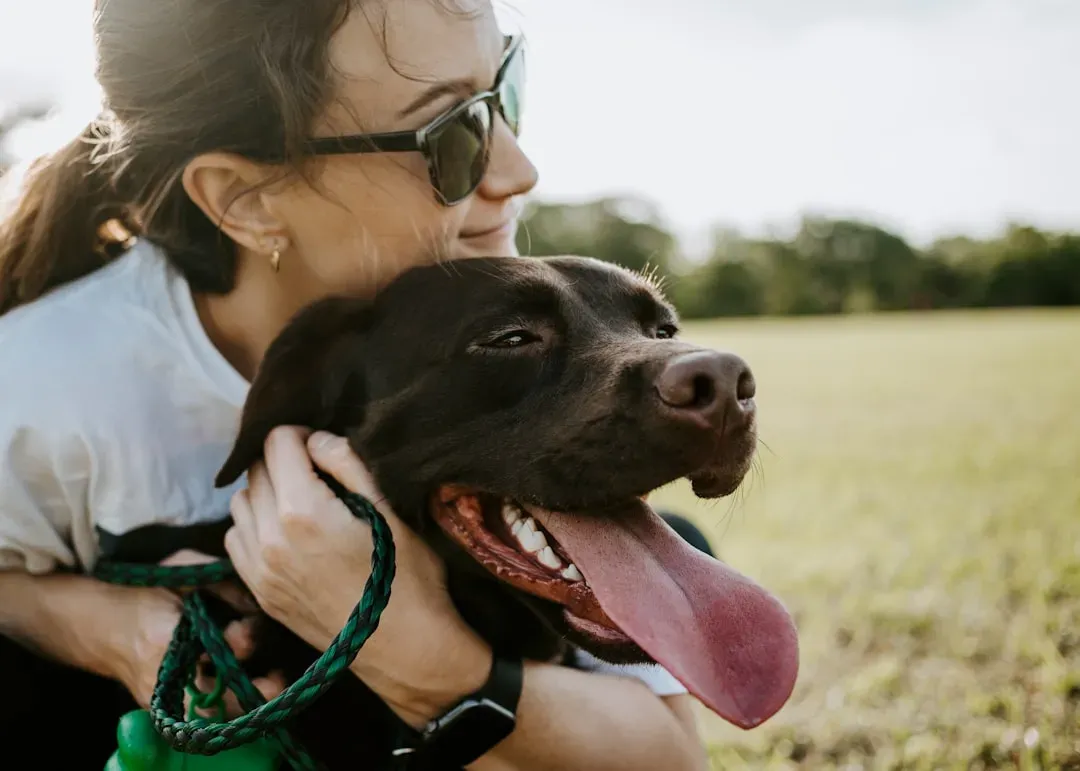
Research into animal behavior shows that dogs form bonds with humans much like children do with caregivers. These attachments influence how a dog responds when their person returns after time apart. A secure bond often shows up in calm yet joyful approaches rather than frantic or overly clingy reactions.
Studies on dog human relationships highlight reunion behaviors as key indicators. When a dog feels safe and valued, they tend to seek gentle contact or maintain relaxed eye contact upon seeing their owner. This pattern suggests the animal views the human as a reliable source of comfort and affection.
Body Language That Signals Genuine Connection
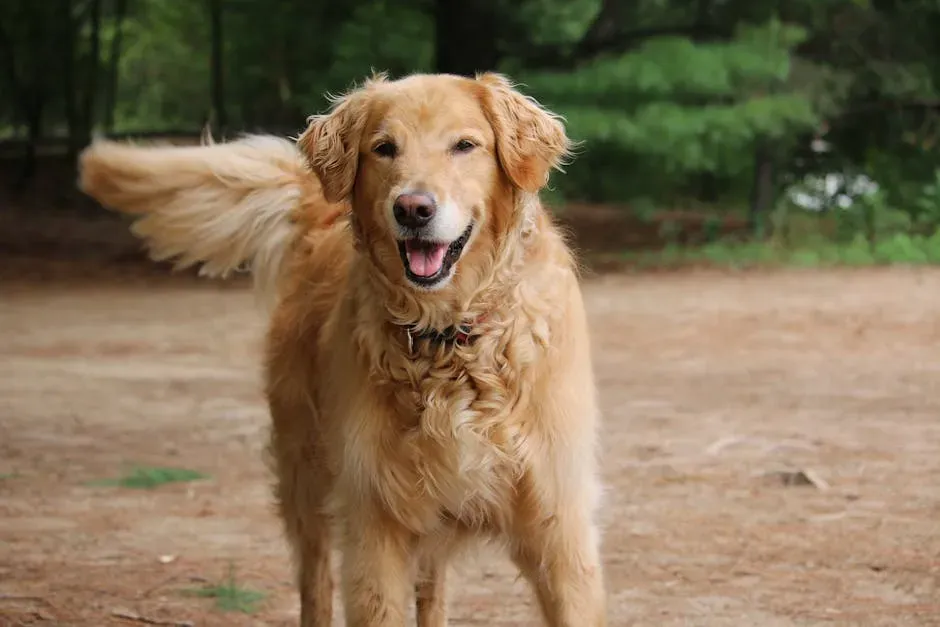
Tail position and movement offer clear clues during those first moments home. A loose, sweeping wag paired with a relaxed posture points to positive feelings. Stiff or tucked tails, by contrast, might reflect uncertainty even if the dog approaches quickly.
Other subtle signs include leaning in for pets without jumping excessively or offering a soft gaze. These responses emerge more readily when daily interactions reinforce a sense of being truly seen and appreciated. Over time, consistent patterns in these greetings build a picture of the relationship quality.
How Oxytocin Shapes the Reunion Moment
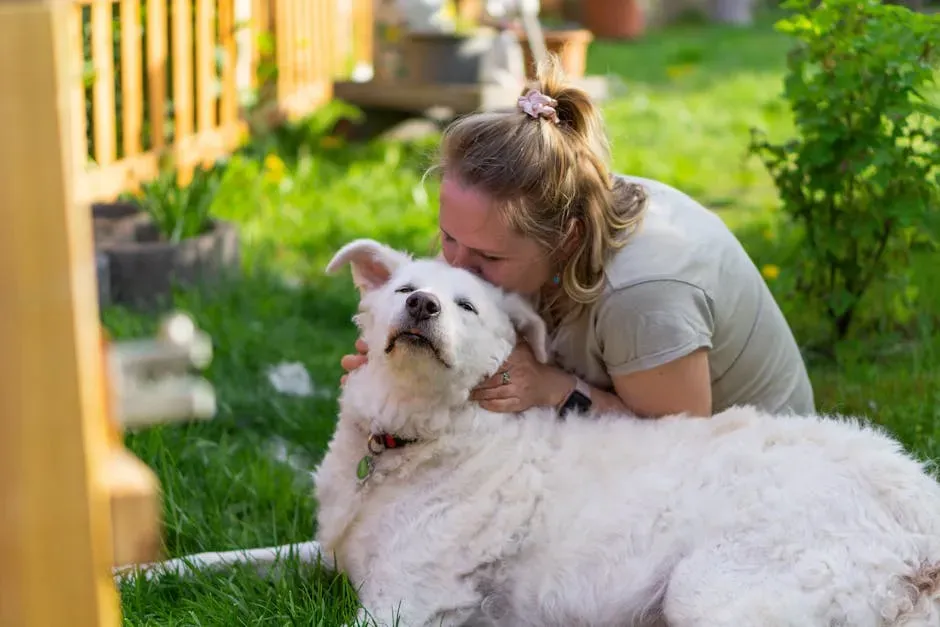
The so called love hormone plays a notable role in dog human interactions. Levels of oxytocin can rise in both species during mutual gazing or gentle physical contact right after separation. This shared response helps explain why certain greeting styles feel especially bonding.
Physical touch combined with a steady voice tends to sustain those elevated levels longer than high energy excitement alone. Dogs that experience this kind of measured welcome often display steadier attachment behaviors overall. The effect accumulates through repeated positive exchanges.
Greeting Habits That Strengthen or Weaken the Bond
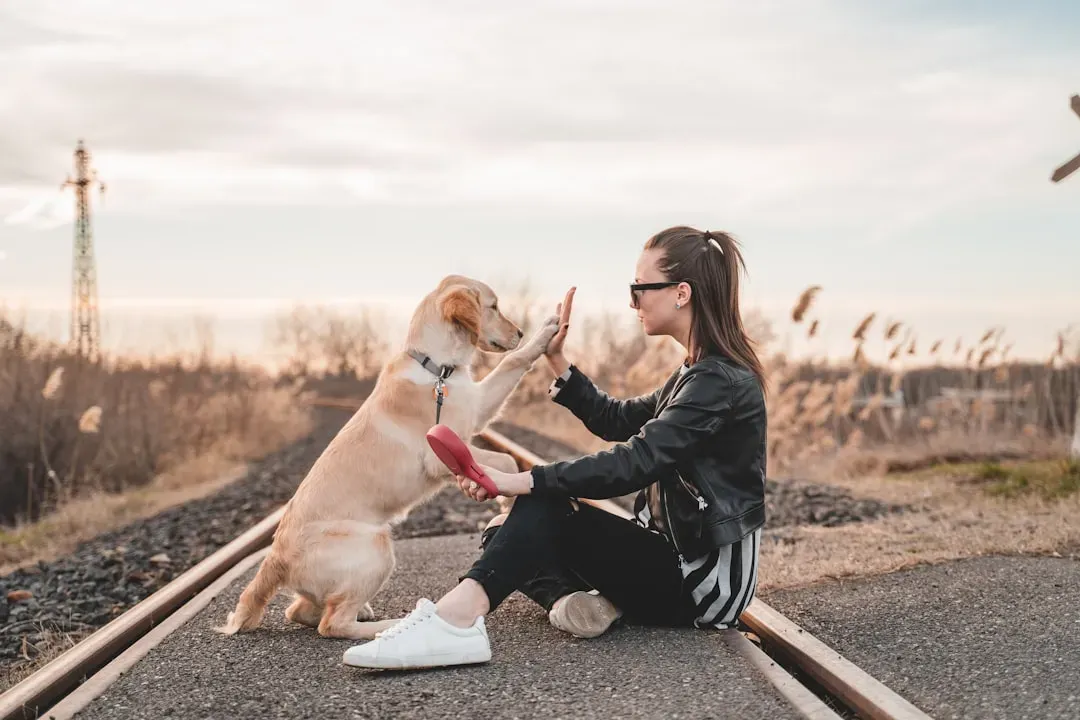
Overly dramatic entrances can sometimes heighten arousal without deepening emotional security. A calmer entry that allows the dog to settle first often leads to more meaningful connection afterward. This approach mirrors advice from behavior experts who study separation and reunion dynamics.
Simple adjustments like kneeling to the dog level or offering quiet verbal acknowledgment create space for the animal to express affection naturally. Such habits signal respect for the dog pace and preferences. They also encourage the kind of relaxed trust that marks a truly felt sense of being loved.
Creating Daily Rituals That Deepen Trust
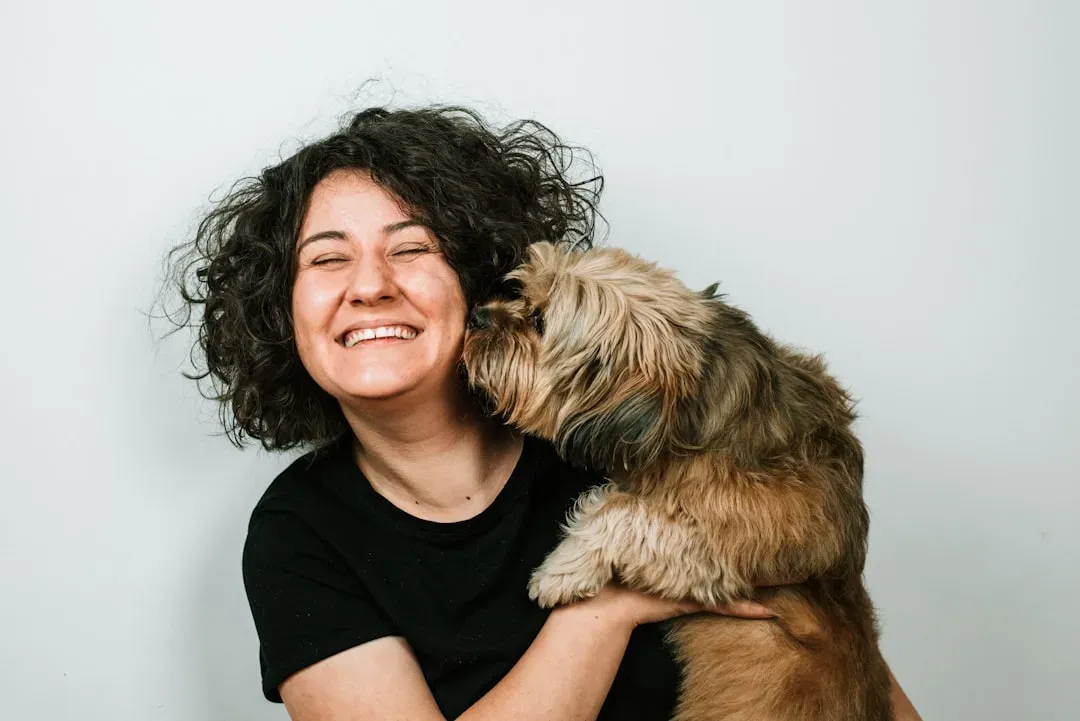
Small consistent choices at the door add up to a stronger foundation. Paying attention to the dog individual signals during greetings helps tailor the interaction to what feels reassuring. This mindful approach turns routine moments into opportunities for genuine closeness.
Over months and years these patterns shape how secure the dog feels in the relationship. The result is often a more balanced companion who greets with quiet confidence rather than desperate need. In the end the real measure lies in the steady comfort both sides draw from each other day after day.