

While vets are experts in pet care, there are a few things they might not always mention. For instance, diet plays a huge role in your dog’s long-term health, and not all commercial dog foods are created equal. Some common behaviors, like excessive scratching or licking, can be signs of hidden health issues that may not be immediately obvious. Keeping your dog active and mentally stimulated is just as important as physical care. A little extra attention to these often overlooked areas can keep your dog thriving well into their golden years!
The Cost of Over-Vaccination
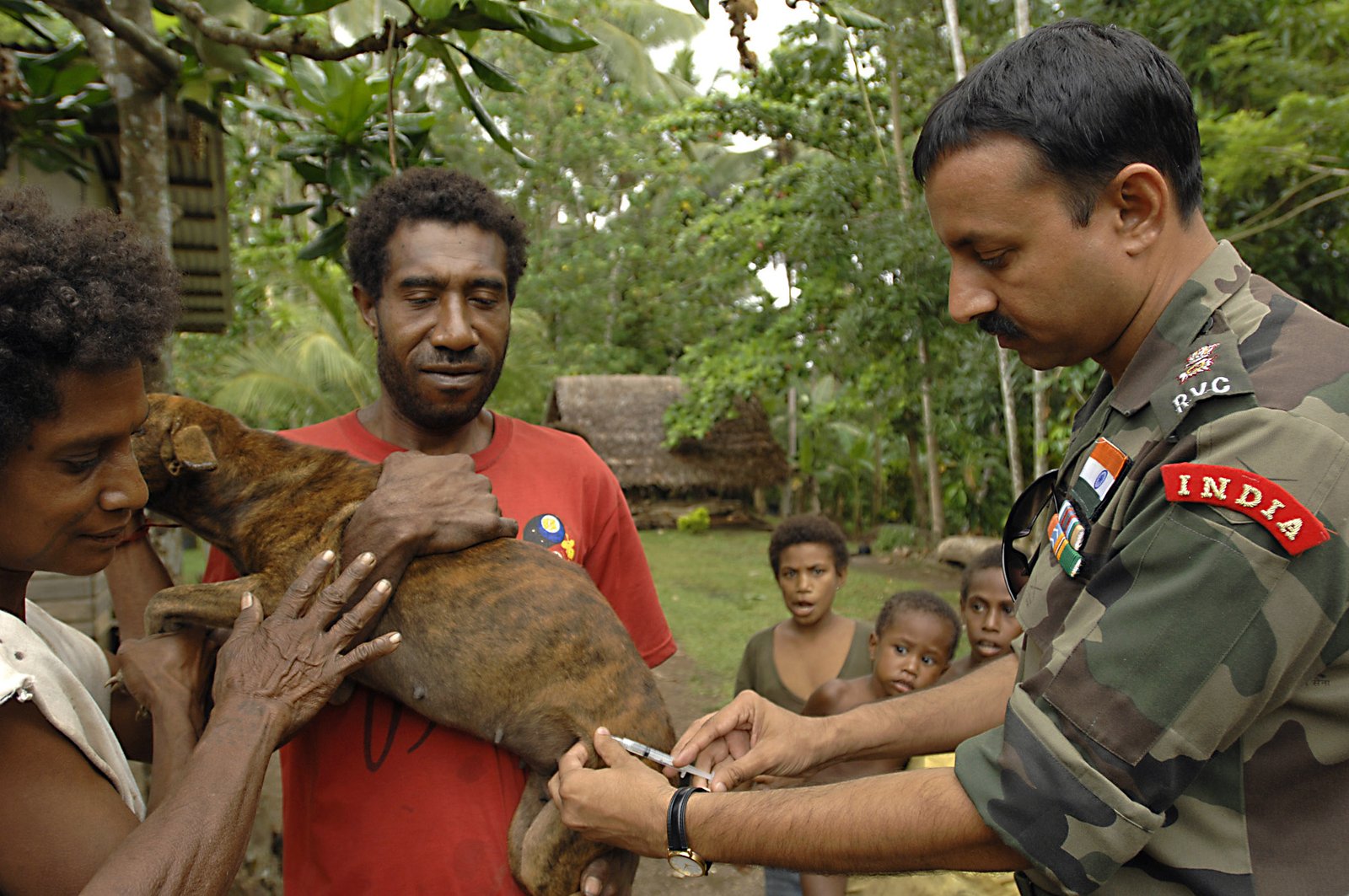
Many dog owners believe that more vaccines mean more protection, but that’s not always the case. Vets know that some vaccines can actually be harmful if given too frequently. Over-vaccination can stress your dog’s immune system, leading to allergies or autoimmune issues. While core vaccinations are essential, boosters for certain diseases might only be needed every few years. It’s important for owners to discuss vaccination plans with their vet and ask about titer tests, which measure immunity levels. Always remember that your dog is unique, and their vaccination needs might not be the same as the dog next door. In some situations, less can truly be more, even when it comes to keeping your pup safe.
Dental Disease: The Silent Sufferer
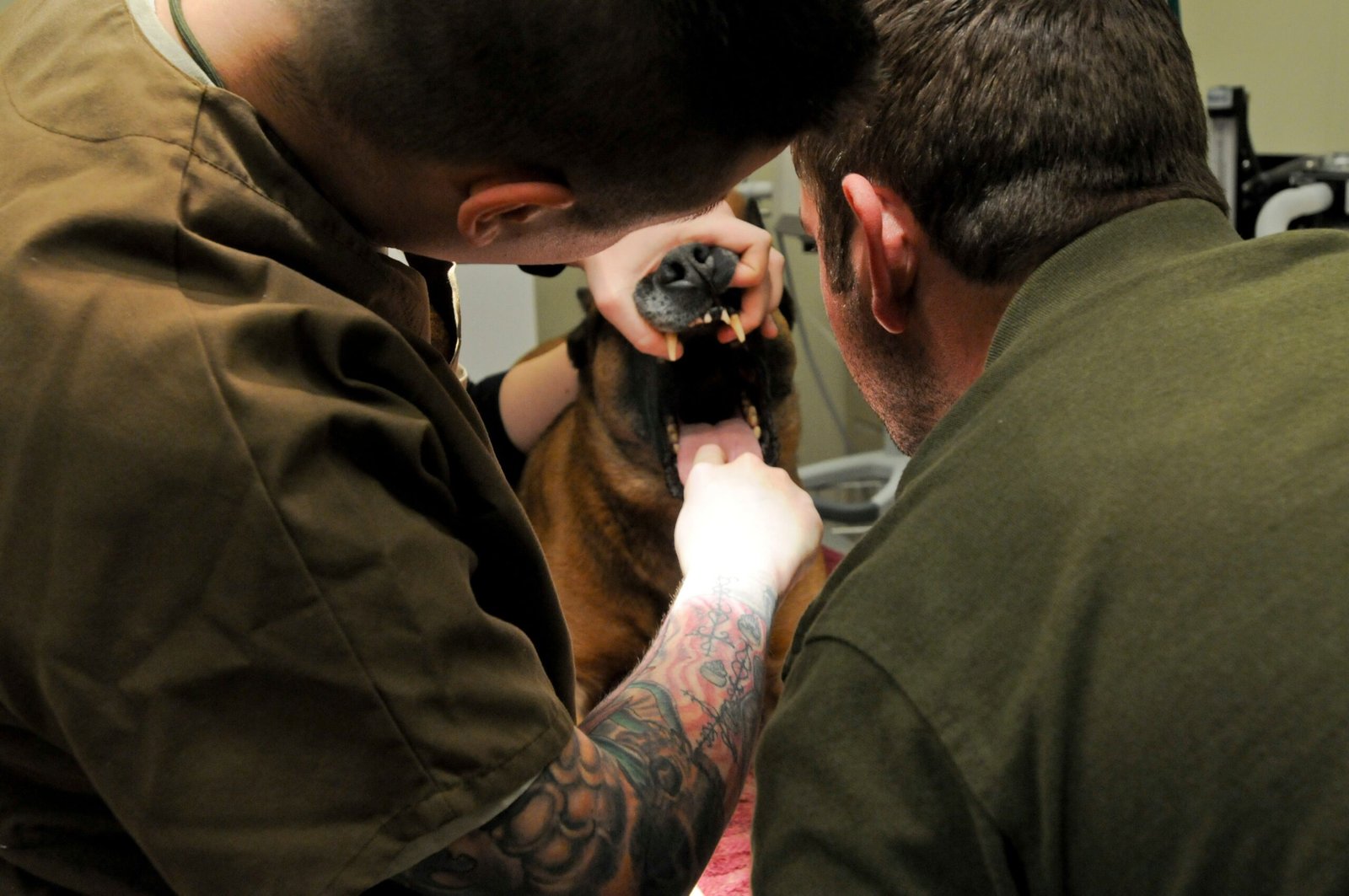
Your dog’s mouth could be hiding a painful secret. Dental disease is one of the most common health problems in dogs, but it often goes unnoticed until it’s severe. Vets see cases where dogs act normal, even though they have infected gums or rotten teeth. Neglected dental care can lead to heart, kidney, or liver problems because bacteria from the mouth spread through the bloodstream. Brushing your dog’s teeth regularly and providing dental treats can make a world of difference. Don’t wait for bad breath or obvious pain—prevention is vital. For many breeds, especially smaller ones like Chihuahuas and Dachshunds, dental health is a lifelong battle that needs daily attention.
The Truth About Grain-Free Diets
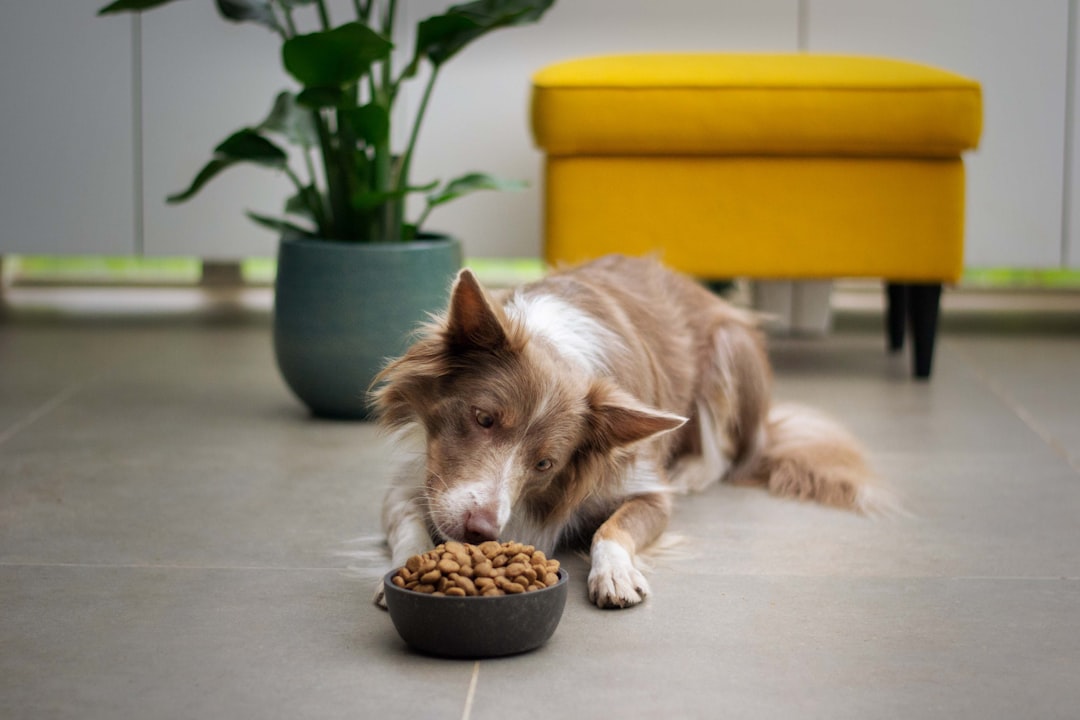
In recent years, many pet food companies have promoted grain-free diets as healthier for dogs. What vets don’t always tell you is that not all dogs need grain-free food, and in some cases, it can be dangerous. Certain grain-free diets have been linked to heart disease, specifically dilated cardiomyopathy (DCM). While some dogs have genuine grain allergies, most tolerate grains just fine. Talk openly with your vet before switching foods, and don’t be swayed by marketing alone. Breeds like Golden Retrievers and Dobermans have been found particularly at risk with grain-free diets. Remember, a balanced diet is more important than following trends.
Obesity: The Hidden Epidemic

Many dog owners don’t realize their pet is overweight until it’s too late. Vets often see dogs carrying extra pounds, but they hesitate to bring it up for fear of upsetting owners. Even a few additional pounds can put your dog at risk for diabetes, arthritis, and heart disease. Breeds like Labradors and Beagles are especially prone to weight gain. Portion control, regular exercise, and healthy treats can keep your dog in shape. Don’t rely on looks alone—ask your vet to help assess your dog’s ideal weight. Sometimes, the kindest thing you can do is say “no” to those pleading puppy eyes.
Breed-Specific Health Risks

Every breed has its secrets, and some health problems are more common in certain dogs. For example, Bulldogs and Pugs often struggle with breathing issues due to their short snouts. German Shepherds are known for hip dysplasia, while Dachshunds face back problems. Knowing your dog’s breed-specific risks can help you prevent or catch issues early. Vets sometimes keep this information brief, but as an owner, you can dig deeper. Ask questions about your breed’s most common health problems and what warning signs to watch for. Being proactive can save your dog from pain and you from expensive emergencies.
Flea, Tick, and Heartworm Prevention Isn’t Optional
It’s easy to think, “My dog isn’t outside much, so they don’t need preventatives.” But vets see heartbreaking cases where indoor dogs suffer from flea infestations, tick-borne illnesses, or deadly heartworm disease. These threats are everywhere, no matter where you live or how often your dog goes outside. Prevention is cheaper, safer, and easier than treatment. Monthly medications or collars can keep your dog safe from parasites that cause misery, anemia, or even death. Don’t skip these vital protections, even if your dog seems low-risk. This is especially true for breeds like Boxers, who can be more sensitive to parasites.
The Importance of Mental Stimulation
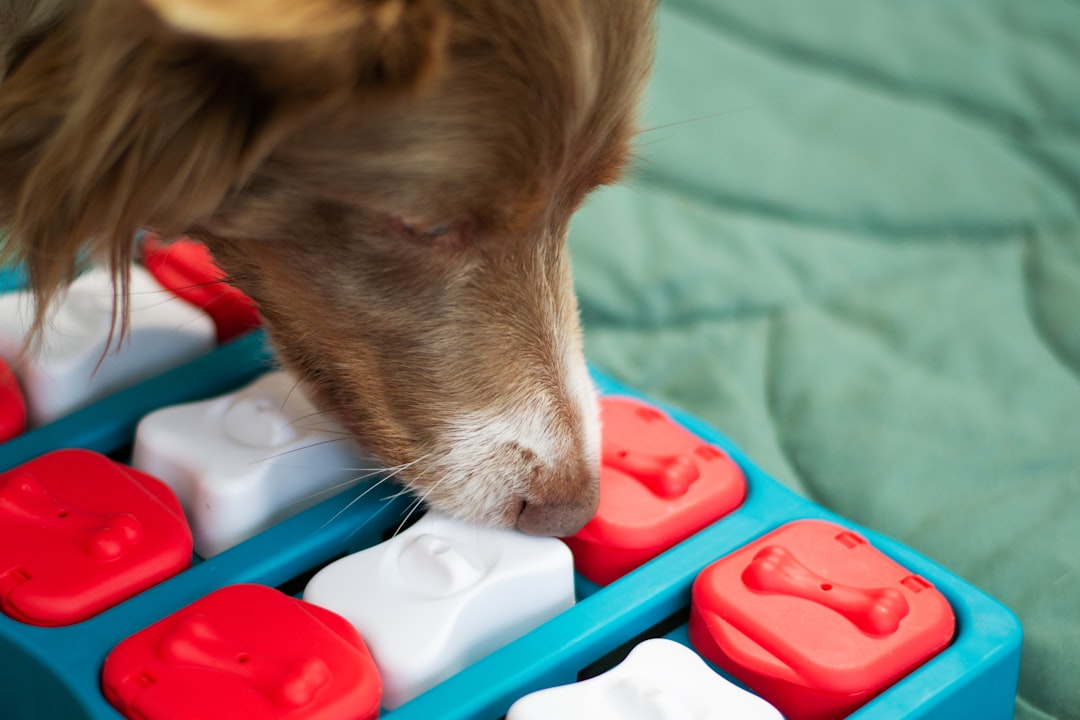
Dogs aren’t just furry bodies—they have minds that crave activity and challenge. Vets notice that bored dogs often develop destructive habits, anxiety, or even depression. Mental exercise is as important as physical walks. Puzzle toys, training sessions, and new experiences can keep your dog’s brain sharp and their mood happy. Working breeds like Border Collies and Australian Shepherds especially need regular mental stimulation. Don’t underestimate the power of a new game or a change in routine. A happy mind leads to a healthier, more balanced dog.
Regular Check-Ups Catch “Invisible” Illnesses

Many illnesses in dogs develop quietly, with no obvious signs until they’re advanced. Vets can spot early warning signs during regular check-ups, catching problems before they become serious. Blood work, urinalysis, and physical exams can reveal hidden conditions like kidney disease, diabetes, or cancer. Skipping annual visits puts your dog at risk for suffering in silence. Even if your dog seems healthy, a yearly exam is a powerful tool for prevention. Breeds like Boxers and Golden Retrievers, who are prone to certain cancers, benefit greatly from routine screenings.
Home Remedies Can Be Risky
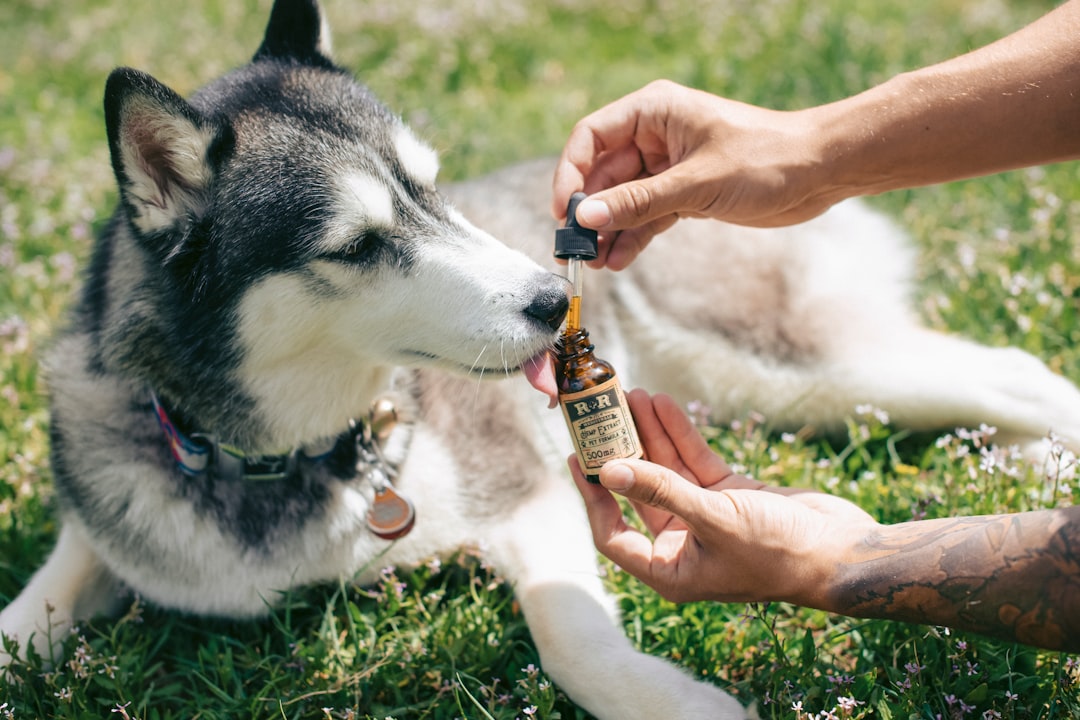
The internet is full of DIY health tips for dogs, but not all are safe. Vets often treat dogs harmed by well-meaning owners who tried home remedies for fleas, ear infections, or stomach upsets. Garlic, onions, and some essential oils are toxic to dogs, even in small amounts. Never give human medications like ibuprofen or acetaminophen, as they can be deadly. If you’re considering a home treatment, always check with your vet first. Sometimes, the fastest way to help your dog is with professional advice, not a quick fix from a blog.
Early Spay and Neuter Decisions Matter

Choosing when to spay or neuter your dog is more complicated than it seems. Vets know that timing affects everything from cancer risk to behavior and joint health. Some studies suggest waiting until your dog is physically mature, especially for large breeds like Labradors and Golden Retrievers, to prevent joint problems. On the other hand, early spay or neuter can help control unwanted litters and certain diseases. This is not a one-size-fits-all decision. Have a thoughtful conversation with your vet about the best timing for your dog’s breed, size, and lifestyle.
Recognizing Pain Isn’t Always Obvious

Dogs are experts at hiding pain. Vets often see dogs who have been suffering for weeks, but their owners didn’t notice because the signs were so subtle. Limping, licking a certain spot, changes in appetite, or sudden grumpiness can all mean your dog is hurting. Breeds like Labrador Retrievers and German Shepherds, known for their stoic nature, may not whine or cry even when in pain. Always watch for small changes and trust your instincts—if your dog seems “off,” a vet visit is the best way to find answers.
Hydration: More Than Just a Water Bowl

A simple water bowl isn’t always enough to keep your dog hydrated. Dogs can become dehydrated quickly, especially during hot weather, illness, or heavy exercise. Vets often see cases where dehydration leads to kidney problems, heatstroke, or worse. Signs of dehydration include dry gums, lethargy, and sunken eyes. Always provide fresh, clean water and watch for changes in drinking habits. Breeds like Bulldogs and Pugs are especially vulnerable to heat-related dehydration. In some situations, adding water to food or offering ice cubes can encourage reluctant drinkers.
The Power of Preventative Care

Preventative care isn’t just about shots and check-ups. Vets wish more owners knew the value of things like regular nail trims, grooming, and weight management. These little routines prevent injuries, infections, and chronic pain over time. For example, long nails can cause joint pain, while matted fur can hide skin infections. Breeds like Poodles and Shih Tzus need regular grooming to stay healthy and comfortable. Taking small steps every day means fewer big problems later. Prevention is truly the best medicine, and it starts at home.
While vets are incredibly knowledgeable, there are some little-known facts that can make a big difference in your dog’s health. Paying attention to their diet, mental stimulation, and even their emotional well-being can help catch issues before they become serious. It’s also worth noting that not all dog health problems are visible right away. By staying proactive and informed, you can ensure your furry friend stays happy, healthy, and by your side for years to come!


