
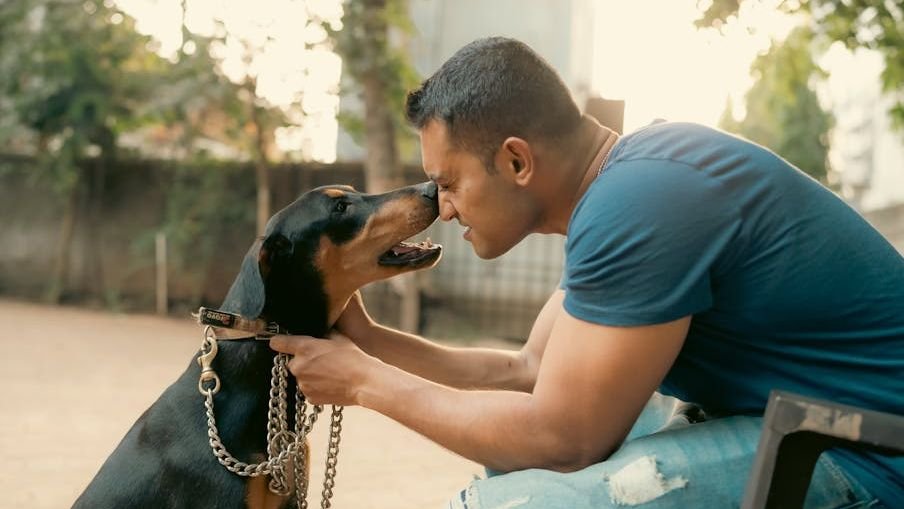
You walk into the bathroom, close the door, and within seconds you hear it. A little scratch. A soft whine. The weight of two paws pressing against the door. Sound familiar? If you’re a dog owner, there is a very good chance you’ve lived this exact scene and smiled about it despite yourself.
Dogs have a way of making their devotion completely impossible to ignore. They don’t just love you. They orbit around you. They restructure their entire existence around your schedule, your moods, your physical presence in a room. It’s both adorable and, honestly, a little astonishing when you stop to think about it.
There’s real science behind all of this, and real things you as an owner can do to honor it properly. Let’s dive in.
The “Velcro Dog” Phenomenon Is More Than a Cute Quirk
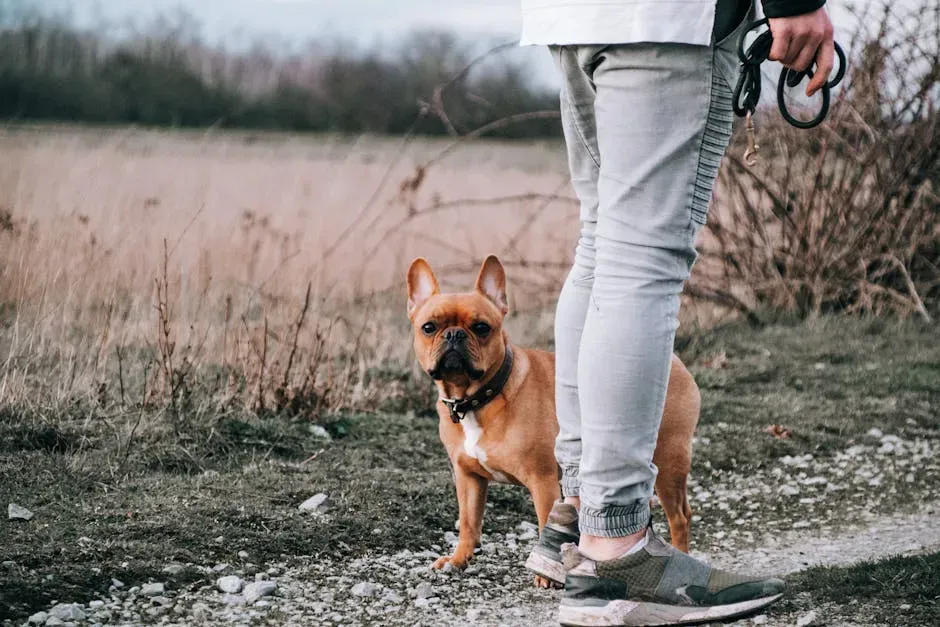
You’ve heard the term “velcro dog,” and trust me, it’s a more fitting description than most people realize. From bathroom trips to kitchen visits, a deeply bonded dog sticks to you like glue, refusing to let you out of their sight even for a moment. This behavior is not simply curiosity. It is a sign of deep attachment.
The dog-owner relationship shows real similarities to the human caregiver-infant relationship. Dogs show comparable behaviors of attachment, including approaching, following, clinging, and vocalizing toward their owners. Think of it like having a toddler who never quite grows out of that “stay close to Mom” phase, except this one has four legs and significantly better hearing.
Dogs are pack animals by nature, and in their eyes, you are their pack leader. When your pup trails behind you from room to room, they are showing you that you are their security blanket and source of happiness all wrapped into one beloved human. There is nothing dramatic about it. To them, it’s just the obvious thing to do.
Psychologists believe the relationship between human and canine is a bidirectional attachment bond, which resembles the typical human caretaker-infant relationship. One behavior that led scientists to this conclusion is proximity-seeking, where the dog will look to its caretaker as a means to cope with stress, and the absence of the caretaker will trigger separation anxiety to a varying degree. If you ever wondered why your dog seems visibly stressed when you just step outside to grab the mail, now you know.
That Intense Stare Has Science Written All Over It

Here’s the thing about your dog’s soulful, unblinking gaze into your eyes. It’s not random. It’s not even just sweet. It is a biochemical event. Humans bond emotionally as we gaze into each other’s eyes, a process mediated by the hormone oxytocin. Research published in Science showed that this gaze-mediated bonding also exists between humans and their dogs. Mutual gazing increased oxytocin levels in both parties, and sniffing oxytocin increased gazing in dogs, an effect that transferred to their owners.
When your dog stares into your eyes, they activate the same hormonal response that bonds us to human infants. The study was the first to show this hormonal bonding effect between humans and another species. The implications of that are genuinely stunning. Your dog didn’t evolve to just tolerate you. They evolved to chemically bond with you.
Wolves, who rarely engage in eye contact with their human handlers, seem resistant to this effect. Human-like modes of communication, including mutual gaze, in dogs may have been acquired during domestication with humans. In other words, that puppy-eyed look is thousands of years in the making. Respect it accordingly.
They Read Your Emotions Better Than Most Humans Do
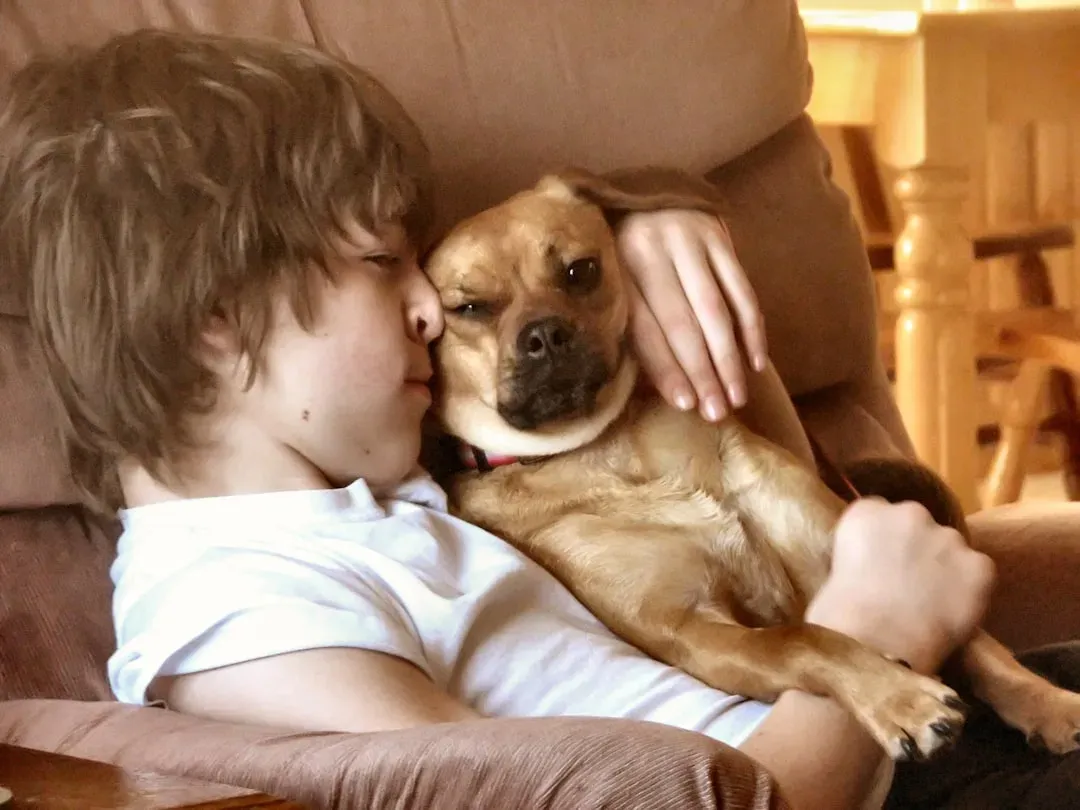
Let’s be real. Some days your dog understands your mood faster than your closest friends do. That is not a coincidence. Dogs who see their humans as their entire world naturally sync up with them. If you are excited, they are bouncing with joy. If you are feeling down, they become extra gentle and snuggly. Their ability to pick up on your emotions and adjust their behavior is one of the many ways they show how deeply they care.
Dogs are incredibly sensitive to our moods. If you are feeling down, your dog might become quieter and stick closer to you. On the flip side, when you are happy, your dog often matches your energy, wagging their tail and bouncing around. It is like having a living mirror that only reflects the version of you that needs the most gentle care right now.
Canines are capable of assessing humans’ emotional states, as well as discriminating humans by levels of familiarity. So when your dog nudges their nose into your hand on a hard day without you saying a single word, they are not guessing. They genuinely know. That is worth pausing on.
Separation Anxiety: When Love Becomes Distress

This is where the beautiful devotion can tip into something that needs careful attention. Separation anxiety is triggered when dogs become upset because of separation from their guardians. Escape attempts by dogs with separation anxiety are often extreme and can result in self-injury and household destruction, especially around exit points like windows and doors.
Signs include excessive barking or howling, indoor accidents, chewing or scratching, pacing, drooling, and trying to escape, mostly when the owner is away. It can be triggered by big life changes, a change in routine, or medical issues. The tricky part is that many of these signs only show up when you are gone, so you may not even realize the extent of your dog’s distress until a neighbor knocks on your door.
Research suggests that roughly eight out of ten dogs find it hard to cope when left alone. Yet nearly half won’t show any obvious signs, so it can be easy for owners to miss. The good news is that separation anxiety is preventable and treatable. Prevention starts early, ideally from puppyhood, by teaching your dog that time alone is safe and even rewarding.
Separation anxiety might be prevented by ensuring that puppies have scheduled times where they learn to spend time alone in their own crates or beds. For adult dogs already struggling, treatment includes behavior training, toys, and exercise to distract the dog. Sometimes medication may be needed. When in doubt, always loop in your vet.
The Protective Instinct: Your Dog Has Appointed Themselves Your Bodyguard
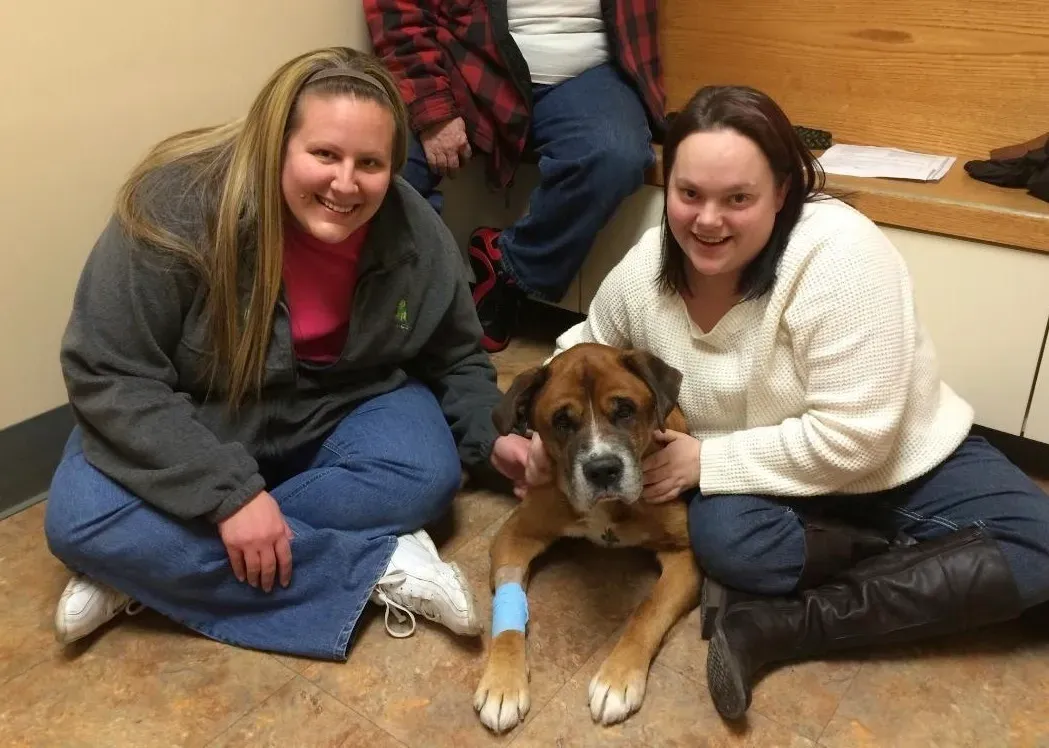
I think most dog owners know this one intuitively. Your dog barks at the delivery driver, positions themselves between you and a stranger, and practically escorts you on every walk like a tiny, furry security detail. That fierce barking at the delivery person or suspicious positioning between you and strangers reveals your dog’s protective instincts in action. Your safety is their priority. This guarding behavior stems from deep loyalty, as they have appointed themselves your personal security detail without being asked.
Even the sweetest, most easygoing dogs have a protective side regarding their favorite person. Whether they bark at a suspicious noise, stand between you and a stranger, or simply watch you during walks, their protective instincts prove that they see you as their most important priority.
Even small dogs display this protective drive, showing that size doesn’t determine dedication. When your pup puts themselves between you and perceived danger, they are demonstrating that you are the most precious element in their world worth safeguarding. Honestly, there is something deeply moving about that level of loyalty from a creature who weighs twelve pounds.
Sharing Their World: The Gift, the Lean, and the Gaze That Says Everything
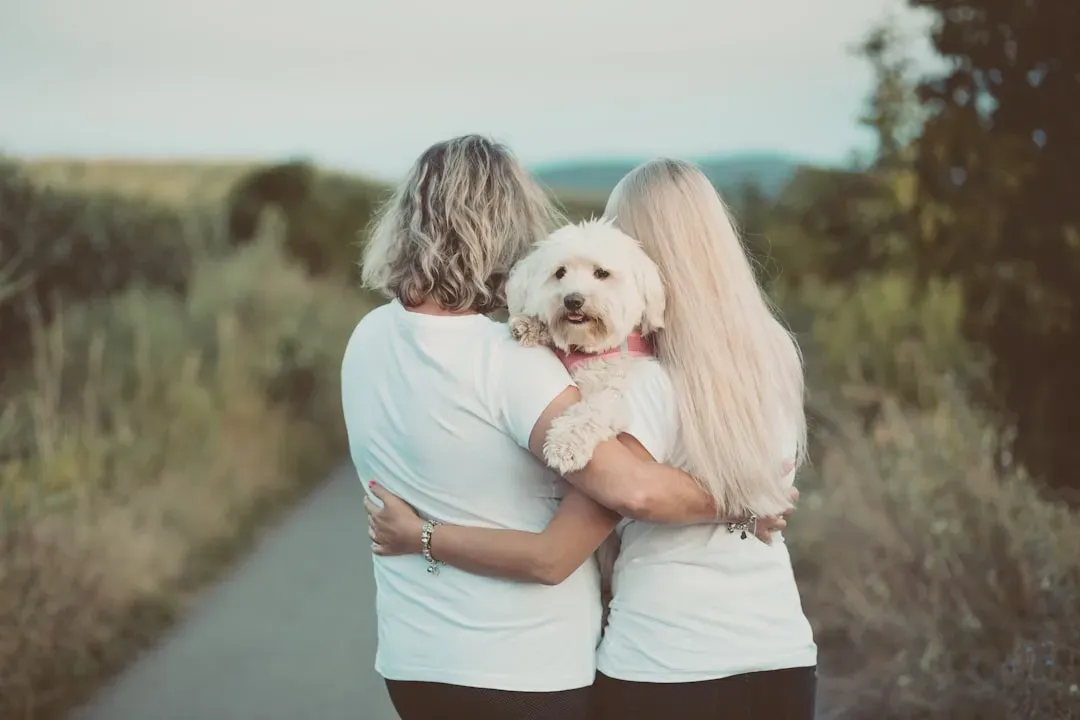
Some of the most touching things your dog does are the ones we brush off as “just dog behavior.” They are not. When your dog proudly drops a slobbery toy into your lap, they are not just asking for a game of fetch. Dogs share their prized possessions with those they love most. In their mind, giving you their toy is the ultimate gift, a sign that they trust you completely and want to make you happy.
If you have ever felt your dog press its body against you, rest its head on your lap, or nudge into you, take it as a huge compliment. Leaning is a physical way for dogs to seek comfort and reassurance. It is similar to a child reaching for a parent’s hand. Think about the last time someone you loved leaned their head on your shoulder without saying a word. That is exactly what your dog is doing.
That heavy warmth against your leg is a deliberate show of trust and affection. When your pup presses their body against yours, they are creating physical closeness that reinforces your emotional bond. This behavior dates back to their pack animal ancestry, where physical contact meant safety and belonging. By leaning on you, they are essentially saying “you’re my person” in the most direct way possible.
Honoring the Bond: What Your Dog Needs From You in Return
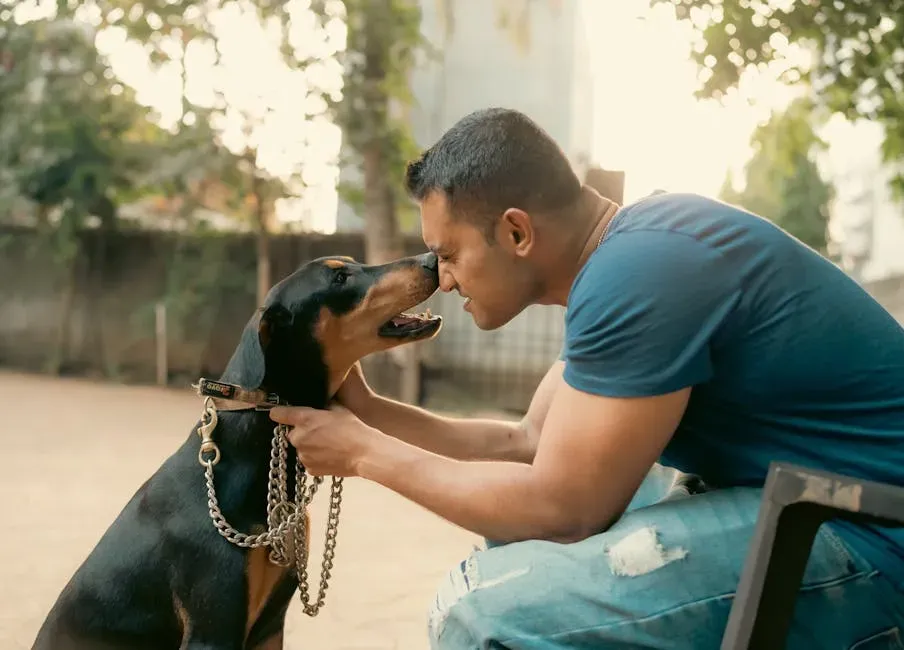
Here’s the thing about having a dog who truly believes you are their universe. That kind of love deserves a response. Owners with a secure attachment style respond to their dog’s signals and acknowledge their need for closeness and safety. You, the owner, need to provide a secure base from which your dog can explore their environment. At the same time, you need to act as a safe haven to return to when your dog faces something challenging or frightening.
Research found that a close emotional bond with the owner appeared to decrease the arousal of dogs. In plain terms, the more secure and consistent you are as a presence in your dog’s life, the calmer and more confident they become. A calm dog is a happy dog. And honestly, that is a better deal than most humans get in their relationships.
Dog companionship often helps people develop a daily routine and gives them something to look forward to each day. Studies also show owning a dog reduces stress, alleviates anxiety, and can even prolong a human’s lifespan. It goes both ways, beautifully. You are their whole world, and in many quiet, everyday ways, they are making yours better too.
A Final Thought Worth Carrying With You
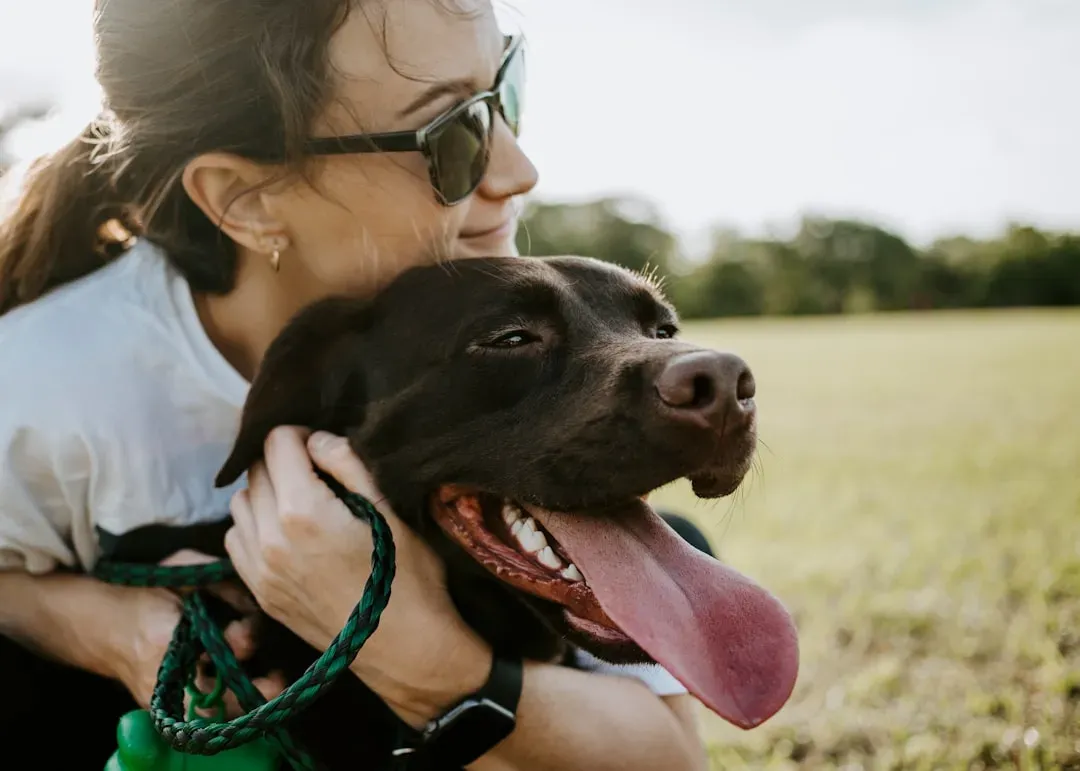
Your dog wakes up every single morning with one primary mission. While humans may have jobs, hobbies, and social lives, dogs have one primary focus: you. From the moment they wake up to the second they fall asleep, their entire world revolves around your presence, your routine, and your attention.
That is not a small thing. Most of us spend our lives trying to matter deeply to someone. Your dog already resolved that question for themselves a long time ago. You matter. Completely. Without condition or complication.
So the next time your dog follows you to the bathroom or drops a half-chewed tennis ball at your feet like it’s the crown jewels, pause for just a second. Recognize what’s actually happening. You are someone’s entire universe, and they are doing their best to show you that every single day.
Does knowing the science behind your dog’s devotion change the way you see their everyday behaviors? Drop your thoughts in the comments. Your pup would probably want you to.


