

Picture this. You come home after a long day, and your dog launches off the couch like a furry missile aimed directly at your face. You laugh it off because, honestly, it’s adorable. Then your guest arrives and gets knocked flat on the welcome mat. Suddenly it’s not cute anymore. Sound familiar?
Here’s the thing that most dog owners don’t want to hear: the problem didn’t start when the guest walked in. It started the moment you decided rules were optional. We love our dogs so deeply that we sometimes confuse kindness with permissiveness, and affection with guidance. The truth is, your dog doesn’t need you to be a pushover. Your dog needs you to be a leader. Let’s dive in.
Your Dog Is Not a Human, and That’s Exactly the Point
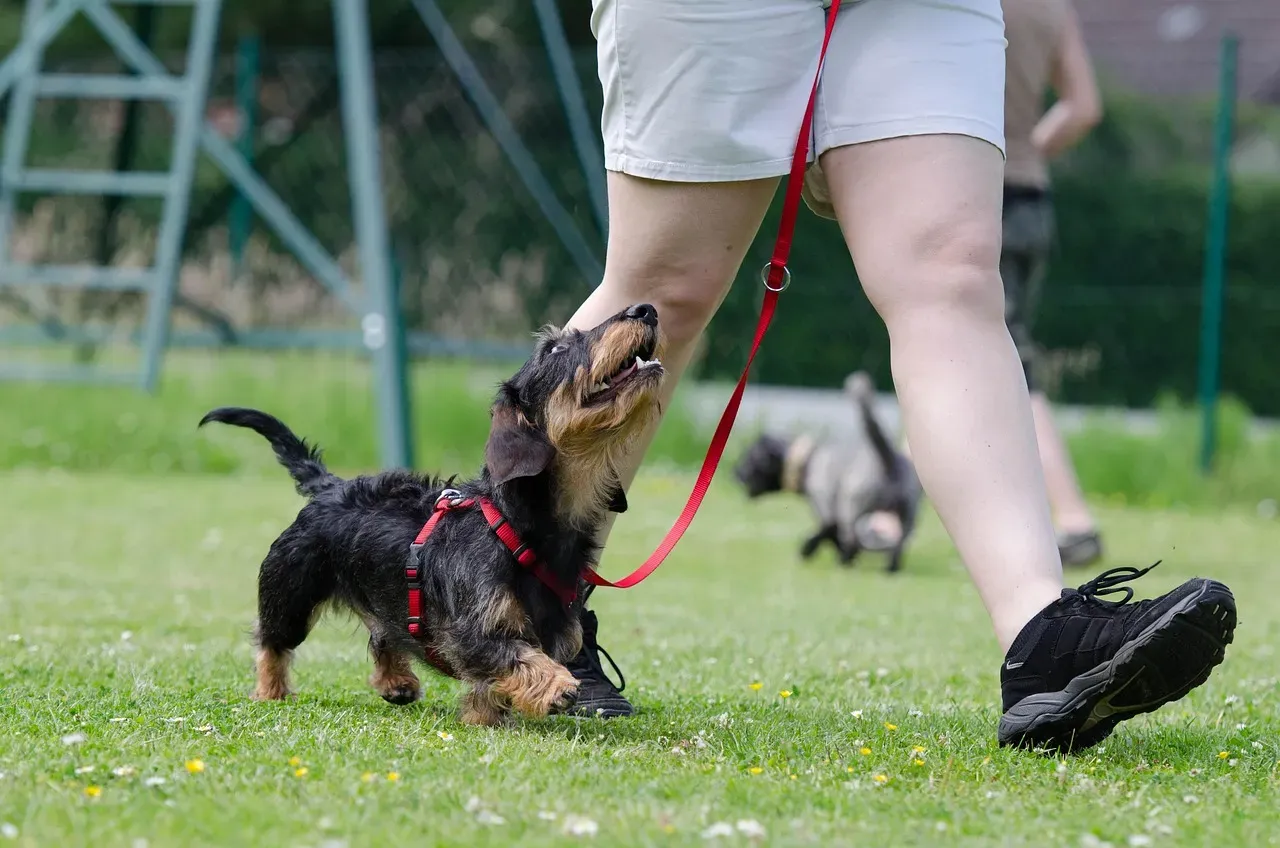
One of the most loving things you can do for your dog is to stop treating them like a small, furry person with feelings that match yours. I know, I know – it sounds harsh. Dogs are not moral decision-makers. They are pattern learners. This is a game-changer once you truly absorb it.
When your dog jumps on guests, steals food from the counter, or barks at every shadow, they’re not being defiant or dramatic. When outcomes change unpredictably, dogs experiment with behavior to determine what works. Jumping, barking, pulling, or ignoring cues are not acts of defiance. They are attempts to create predictability in an unclear system. Think of it like a child who keeps pushing bedtime because sometimes it works. Your dog is running the same experiment.
Dogs need structure and well-defined boundaries, just exactly as children do. In fact, dog training has a great deal in common with child rearing. Done right, it will foster excellent mental health. The sooner you accept this, the sooner your household transforms from chaotic to calm.
The Real Cost of Too Much Coddling

Let’s be real for a second. When we coddle our dogs, we often think we’re being compassionate. In reality, we’re handing them a burden they were never meant to carry. A dog without clear boundaries often takes on more responsibility than they should. They might constantly follow you around the house, bark at every noise, guard the front door, or become protective over food and toys. None of these behaviors come from a place of confidence – they come from stress.
Honestly, that’s one of the saddest things I’ve come across in canine behavior research. A dog who seems “overprotective” or “clingy” isn’t being loving. They’re drowning in anxiety. Without boundaries, they may develop anxiety, confusion, or unwanted behaviours that affect their well-being and disrupt the household. Well-established boundaries provide structure, clarity, and security. So when you let things slide day after day, the price isn’t just a chewed-up couch cushion. It’s your dog’s peace of mind.
Most behavior problems do not begin with neglect or cruelty. They begin with owners who care deeply and want to avoid frustration, conflict, or disappointment. In an effort to be kind, rules become flexible and expectations change based on time, mood, or circumstances. From the dog’s perspective, this inconsistency creates uncertainty. That uncertainty is the true enemy of a happy dog.
Inconsistency Is the Sneakiest Rule-Breaker of All

Here’s a scenario many dog owners will recognize. Monday, your dog is allowed on the couch because you’re feeling cozy and snuggly. Tuesday, your in-laws visit and suddenly the couch is off-limits. Your dog is completely confused, not because they’re stubborn, but because the rules shifted without warning. When the boundaries in the home change depending on the day, the time, or your mood, dogs often become unsettled. One day they’re allowed to jump on the sofa, the next they’re told off for it. Sometimes begging works, other times it doesn’t. One guest lets them jump up, the other doesn’t. Over time, this creates uncertainty – and that often leads to behaviours that get labelled as “naughty” but are actually a sign of confusion.
It’s a bit like driving on a road where the speed limit randomly changes without any signs. You’d be anxious too. If you sometimes let your dog jump on you because you’re wearing casual clothes, but at other times punish them for jumping, how fair is this to your dog? Dogs do not know the difference in clothing. This pattern, or lack of pattern, is very confusing for them and can cause anxiety. Consistency isn’t a luxury. It’s a lifeline.
Having a consistent set of boundaries and consistent rules in your house helps your dog understand that the environment is predictable. It also shows your dog that you provide guidance, leadership, and access to all the good stuff. That’s the foundation of real trust between you and your dog.
Rules Don’t Suppress Your Dog’s Spirit – They Set It Free

I think this is the biggest misconception dog lovers carry. Many people genuinely believe that setting rules will make their dog unhappy, robotic, or afraid. The opposite is actually true. Contrary to what some believe, setting boundaries doesn’t make a dog feel restricted – it actually builds their confidence. When dogs understand the rules, they’re less anxious and more secure. Think of structure as the guardrails on a mountain road, not a cage, but protection that gives you the freedom to drive with confidence.
When dogs know what’s expected of them, they can relax. They stop second-guessing. They stop pushing the boundaries, because the boundaries are clear and dependable. A dog who knows the rules isn’t a suppressed dog. They’re a dog who has been given the gift of clarity. That is an immensely powerful thing.
For example, a dog that knows they must wait patiently before mealtime is developing impulse control and self-trust. These small acts of discipline help dogs grow into calm, balanced companions. It’s remarkable how something as simple as making your dog sit before their food bowl goes down can ripple into better behavior across the board.
How to Start Setting Rules Without Losing the Love
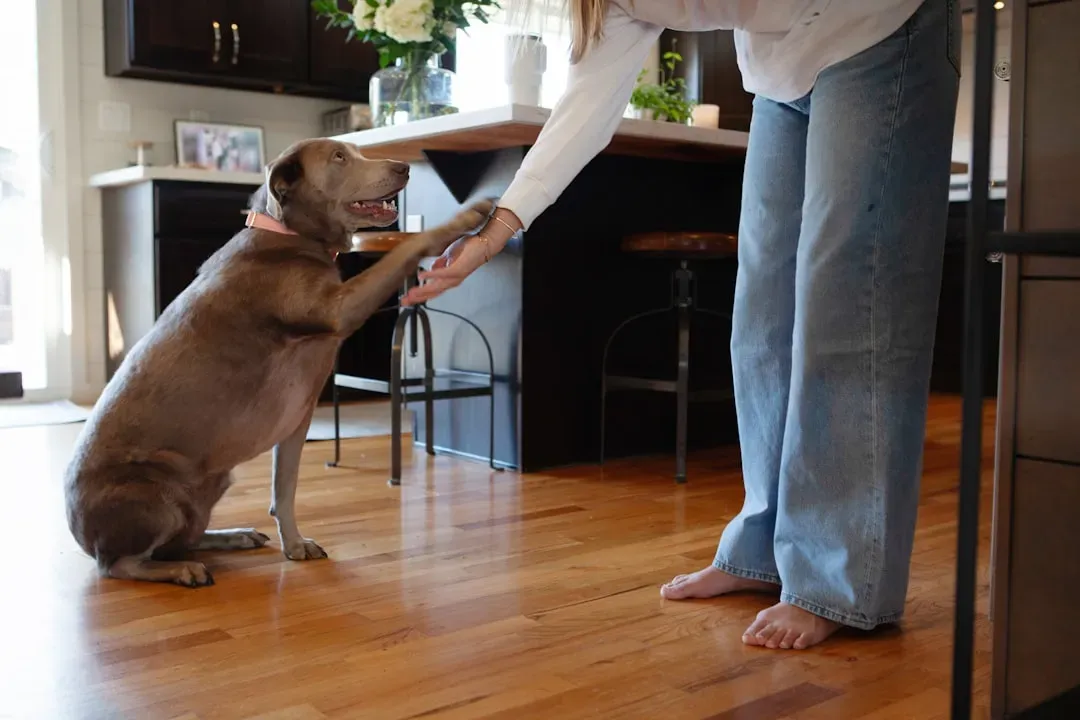
Good news: setting rules doesn’t mean becoming a drill sergeant. It means becoming a clearer, more trustworthy version of the leader your dog is already looking to you to be. Teaching your dog to respond reliably to a handful of basic obedience cues will develop a bond of trust and respect between you. This is a simple, but proven formula for human and canine harmony. Start small. Pick three non-negotiables and enforce them every single time.
Creating a structured schedule for your dog, including meal times, exercise routines, designated rest areas, and no-go zones, reinforces boundaries and provides a predictable environment. Remember, consistency is key in enforcing these boundaries. Think of this schedule like an anchor for your dog’s day. It’s not rigid, it’s reassuring. Common starting rules include no jumping on guests, sitting before meals, and not bolting through doors.
A dog that understands safety cues such as “stay,” “leave it,” or “come” is not only better behaved but also far less likely to get hurt. These cues could genuinely save your dog’s life one day. Start using them calmly, consistently, and with rewards when your dog gets it right. While setting these boundaries, the most important thing is to remain calm, clear, and consistent with your approach. Good training and dog behavior takes time and like most things in life, repeated practice only makes you better at it.
The Warmth Behind the Rules: Leadership Is Love

Let me close this section with something worth sitting with. Setting rules for your dog is not an act of authority for authority’s sake. It is one of the deepest expressions of love a dog owner can offer. Strong relationships are built on trust – and for dogs, trust comes from consistency and clarity. When you set boundaries, your dog learns they can rely on you to guide them. That reliability is everything to a species that depends entirely on you to make their world make sense.
Kindness without leadership places pressure on dogs. Leadership paired with kindness provides relief. Dogs relax when they are shown what to do and when they are not required to guess. That image, a dog finally relaxing because they don’t have to figure everything out alone, is honestly one of the most moving things to witness in dog training. You’re not taking something away from your dog. You’re giving them permission to exhale.
Conclusion: The Most Loving Thing You Can Do Is Lead

We started this conversation talking about a dog launching off a couch. We’re ending it here, with something much bigger. The way you structure your dog’s world directly shapes their emotional health, their confidence, and the quality of the bond you share. Rules are not punishment. They are the language of safety that your dog is hardwired to understand and crave.
You don’t have to choose between being loving and being consistent. The most devoted dog owners are both. Predictability is key to dogs’ mental wellbeing in our confusing, complicated, and often scary human world. Give your dog the gift of a world they can count on – one clear boundary at a time.
Your dog isn’t asking you to be perfect. They’re asking you to be consistent. And honestly? That’s something every one of us can work toward. So what’s the one rule you’re going to start with today? Tell us in the comments – we’d love to hear how it goes.


