
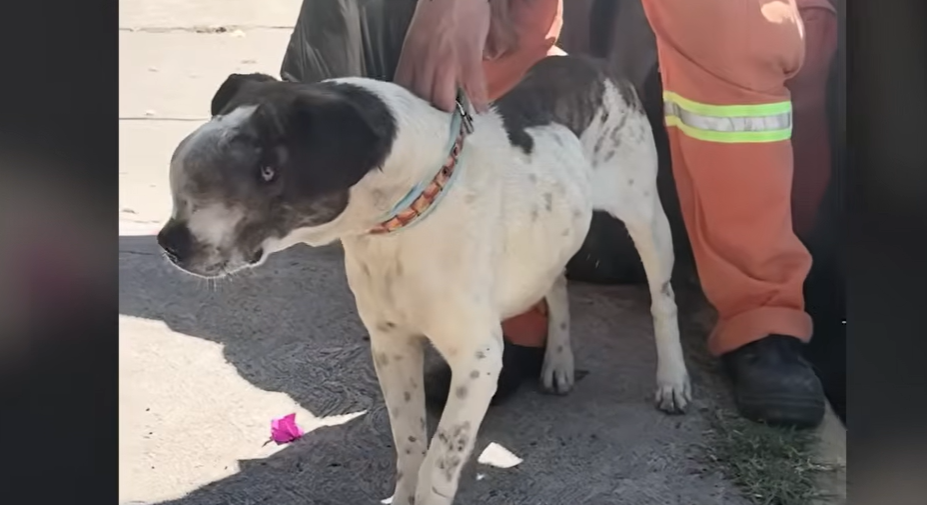
A stray dog named Zadrigman arrived at a local shelter in critical condition, his face swollen by a massive tumor that veterinarians estimated would claim his life within 24 hours. Shelter staff prepared for the worst, yet one volunteer refused to accept the timeline. Through persistent advocacy and rapid coordination with specialists, the dog received emergency evaluation and a chance at treatment. This development comes as many shelters face tough decisions on animals with severe medical needs.
Initial Medical Assessment Reveals Severe Challenges
Veterinarians determined the tumor had grown aggressively, distorting Zadrigman’s features and impairing basic functions such as eating and breathing. Bloodwork and imaging showed the mass was likely malignant, prompting an initial recommendation against surgery due to the animal’s weakened state. Pain management became the immediate priority while options were weighed. Despite the grim outlook, the dog displayed surprising alertness and a will to interact with caregivers. The team focused on comfort measures first, monitoring every sign of distress closely. Zadrigman’s condition highlighted the difficult realities faced by stray animals in shelters without immediate specialist access.
Volunteer Persistence Secures Lifesaving Intervention
Valentina, a producer familiar with the case, pushed for a second opinion at a facility equipped for complex oncology procedures. She arranged transport and funding through rescue networks, overriding the original prognosis. Surgeons ultimately performed a delicate operation to remove the tumor, followed by reconstructive work to restore facial structure. The procedure carried high risk, yet Zadrigman survived the initial 48 hours post-operation. Coordination among multiple organizations proved essential in moving the case forward quickly. This effort transformed what seemed like an impossible situation into one with real potential for recovery.
Recovery Process Brings Dramatic Physical Change
Post-surgical care included antibiotics, wound management, and nutritional support to rebuild strength. Over several weeks, swelling subsided and the dog’s appearance shifted noticeably as tissue healed. Staff documented steady weight gain and renewed energy, with Zadrigman beginning to play and seek affection. Follow-up scans confirmed no immediate recurrence, allowing focus to shift toward rehabilitation and socialization. His gentle demeanor helped during bandage changes and examinations, easing the stress of ongoing treatment. Caregivers noted how his trusting nature supported the healing process every step of the way.
Adoption and Long-Term Outlook
Once cleared by oncology specialists, Zadrigman entered foster care and quickly attracted interest from potential adopters. His transformed appearance and calm personality made him an appealing companion for families seeking a resilient pet. Ongoing monitoring remains essential, yet early indicators suggest a stable prognosis. The case has since been cited by local rescues as an example of how timely intervention can alter outcomes for animals previously deemed untreatable. Stories like this continue to encourage partnerships between shelters and advanced veterinary facilities.
Final Thought
Zadrigman’s journey shows how one person’s determination can open doors for animals in desperate need. What would you have done in a similar situation?
Source: Original YouTube Video


