

DD Animal News: 7 July, 2025: In a landmark move to enhance animal welfare and empower consumer choices, Switzerland is implementing a new set of ordinances requiring transparency around animal suffering in food production. Since July 1, 2025, food labels across the country must declare whether animals endured painful procedures—without anesthesia or stunning—during production. The initiative aims to align food ethics with consumer rights and is being hailed as a significant stride toward humane consumption.
Clearer Labels, More Compassionate Choices
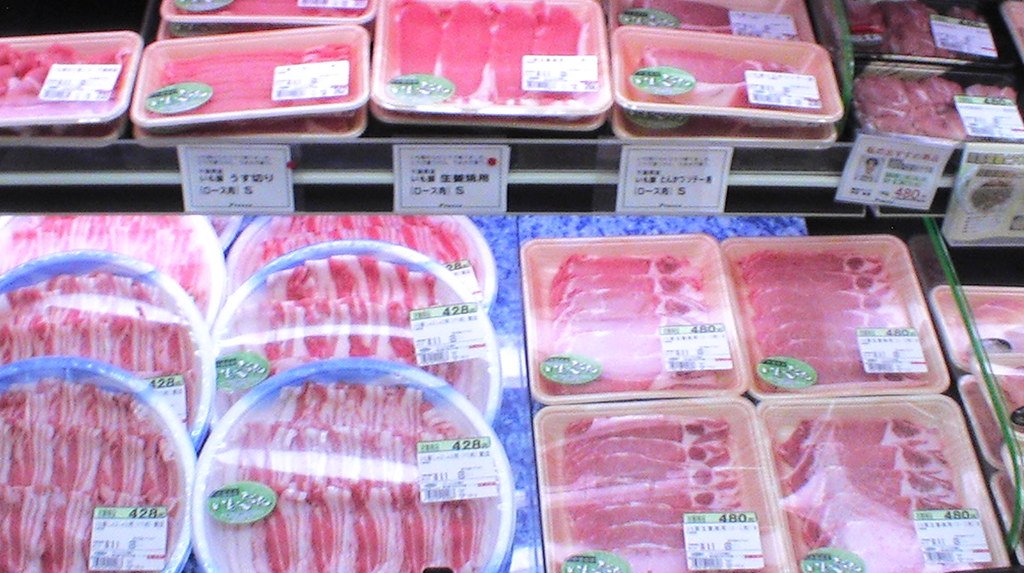
Consumers buying meat, milk, eggs, foie gras, or even frogs’ legs will now know whether these products involved suffering. Labels must disclose if practices like castration or dehorning in cattle, or tail docking and teeth clipping in pigs, were done without pain relief. While these procedures are routine in some farming systems, they often inflict unnecessary suffering. By requiring such disclosures, the Swiss government hopes to spark greater awareness and conscientious buying behavior.
Foie Gras Under the Microscope
Although foie gras production—known for force-feeding geese and ducks—is banned in Switzerland, the delicacy is still legally imported from countries where the practice is permitted. Under the new ordinance, foie gras must be explicitly labeled to indicate if force-feeding was involved. The government’s decision not to support a full import ban has been controversial, but this new regulation brings a level of accountability that didn’t exist before.
All Businesses Held Accountable
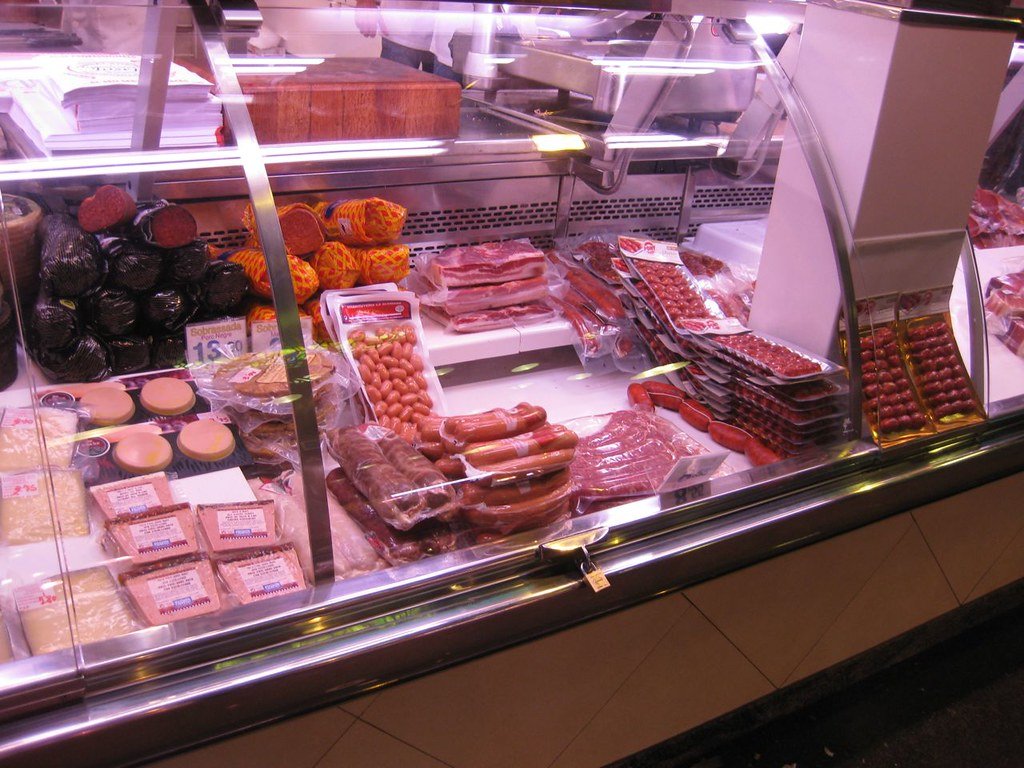
The declaration rule applies across the board: from grocery chains and butcher shops to restaurants and local delis. Each must self-monitor and determine whether their products fall under the new labeling requirement. A two-year transition window allows businesses to adjust, but the onus is firmly on them to ensure transparency. The government hopes this will create a ripple effect across the food industry, raising standards and encouraging ethical sourcing.
Fur Imports Face Stricter Scrutiny
Animal welfare reform doesn’t stop at the plate. Starting July 1, Switzerland will also enforce a ban on fur and fur products obtained through inhumane practices. Importers must now provide concrete proof that their products comply with Swiss animal protection laws. This change comes in response to repeated failures in fur labeling compliance—2023 inspections found nearly 60% of businesses failed to meet basic requirements.
A Compassionate Future in Sight
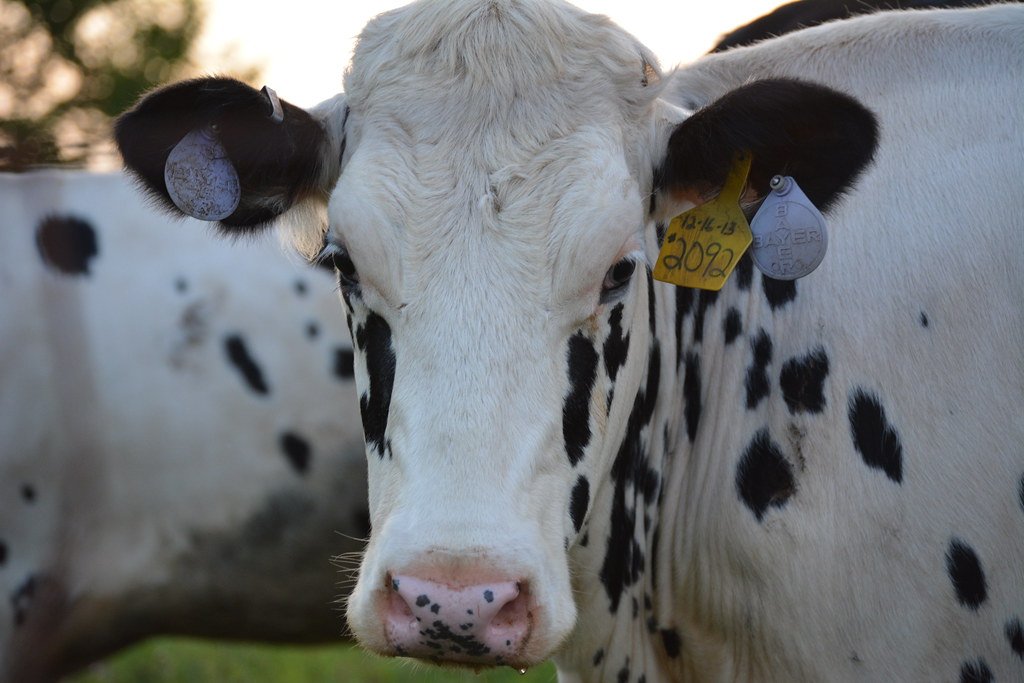
This sweeping change marks a major win for animal rights advocates and conscious consumers alike. It signals a shift toward accountability, both from producers and retailers, and empowers the public to make choices aligned with their values. By putting transparency at the forefront of its food system, Switzerland is setting a humane precedent—reminding the world that how we treat animals matters, and that change begins with information on a label.


