
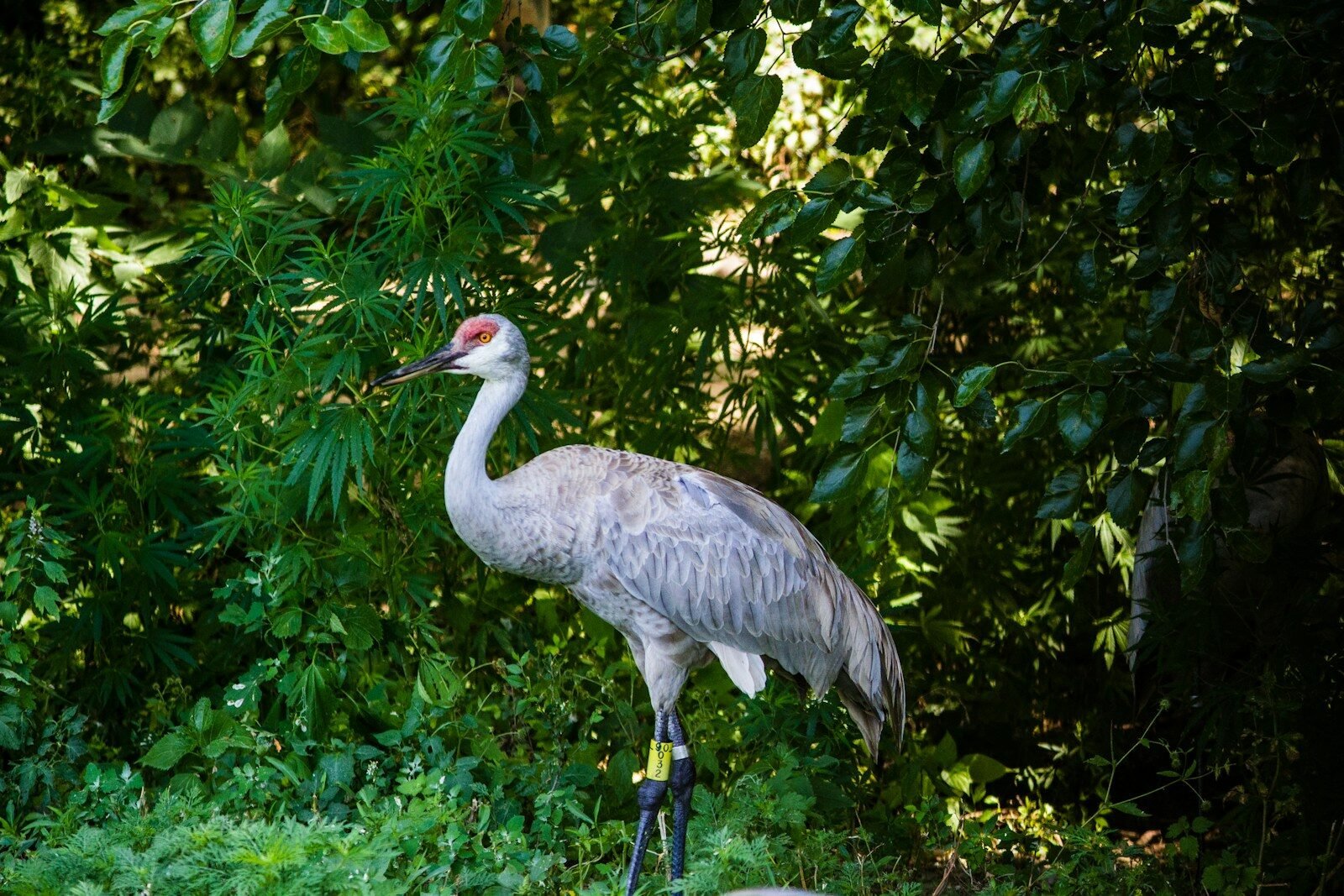
Texas Gulf Coast – Conservation organizations have locked in permanent safeguards for more than 3,300 acres of essential wetlands and prairie, shielding winter grounds for the endangered whooping crane. This effort, centered near the Aransas National Wildlife Refuge in Calhoun County, counters mounting pressures from development and climate change. The initiative marks a pivotal step in sustaining the species’ hard-won recovery.[1][2]
From Near-Extinction to Record Numbers
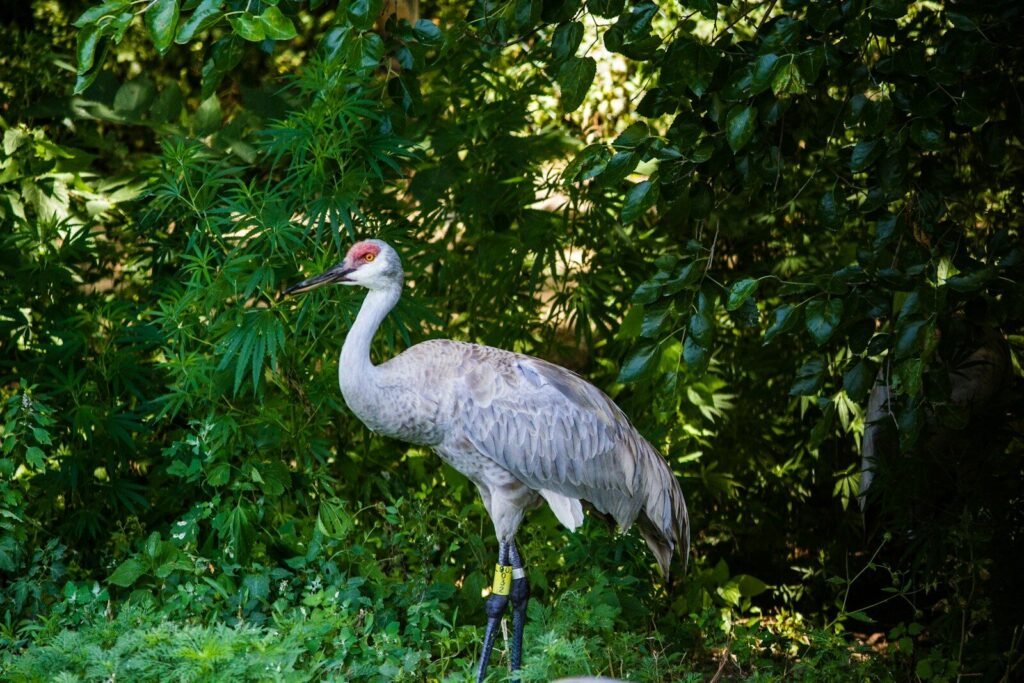
Whooping cranes once teetered on the edge of oblivion, with fewer than two dozen individuals remaining in the 1940s due to hunting and habitat destruction. The sole self-sustaining wild population, known as the Aransas-Wood Buffalo flock, migrates nearly 2,500 miles each fall from Canada’s Wood Buffalo National Park to coastal Texas for winter. Last winter’s survey tallied a record 557 birds around the Aransas refuge, reflecting decades of dedicated work.[3][4]
These towering birds, standing five feet tall with a seven-foot wingspan, favor open prairies and shallow marshes for foraging on crabs, clams, and minnows. Their striking white plumage and red-capped heads make them unmistakable, but their dependence on intact coastal ecosystems leaves them vulnerable. Conservation milestones like this latest protection expand available territory as the flock grows beyond historic refuge boundaries.[5]
Unpacking the Landmark Purchases
The Conservation Fund acquired the 2,232-acre Costa Grande Ranch on December 15, 2025, halting potential development on this prime parcel just over three miles from the International Crane Foundation’s new holding. The foundation closed on its 1,150-acre Wolfberry Whooping Crane Sanctuary on December 4, the organization’s first land buy in 52 years. Together, these properties form a resilient buffer adjacent to a 150,000-acre conservation mosaic, including state and federal lands.[2]
Funded by a mix of grants, foundations, and individual donors, the deals totaled just over $8.4 million. The Costa Grande Ranch will transfer to the Coastal Bend Bays & Estuaries Program for enduring management, while the Wolfberry site anchors a new Central Flyway research program. Restoration efforts, such as prescribed burns to curb brush invasion, aim to revive grasslands favored by the cranes.[5]
Partnerships Driving Lasting Impact
A trio of groups spearheaded the project: The Conservation Fund, International Crane Foundation, and Coastal Bend Bays & Estuaries Program. Supporters included the Knobloch Family Foundation, Turner Foundation, and Houston Zoo, alongside grassroots contributions. “Large, intact coastal landscapes are disappearing fast, and protecting this one is a major win for Texas,” stated Julie Shackelford, Texas state director at The Conservation Fund.[2]
Dr. Carter Crouch, director of Gulf Coast Programs at the International Crane Foundation, emphasized the urgency: “Protecting this vital Whooping Crane habitat is a major win for one of North America’s rarest and most endangered birds.” The sites will host research, restoration, and public events, fostering community ties to the cause. Beyond cranes, the habitats sustain black rails, aplomado falcons, shorebirds, and fish nurseries.
- Enhanced ecological connectivity against sea-level rise
- Boosted resilience for migratory birds
- Preservation of prairie for grassland species
- Support for local economies through eco-tourism
- Model for future coastal collaborations
Navigating Persistent Challenges
Despite progress, threats loom large. Less than 5% of Texas’ native coastal prairie survives amid industrial sprawl, petrochemical growth, and urban expansion. Dredging, upstream water diversions, and power lines compound risks during migration. Climate-driven changes, like intensified droughts, further strain freshwater inflows critical for marshes.[5]
“As the populations have grown, they have expanded more and more off of those protected lands,” noted Crouch. This acquisition addresses that gap, but sustained vigilance remains essential. The broader 150,000-acre network, bolstered by prior efforts like the Powderhorn Wildlife Management Area, underscores the need for ongoing patchwork protection.[3]
Key Takeaways:
- Over 3,300 acres now shielded, expanding safe wintering space for 500+ cranes.
- First-of-its-kind partnership prevents development and enables restoration.
- Benefits extend to multiple endangered species and Gulf Coast resilience.
This conservation victory not only secures a lifeline for whooping cranes but also fortifies the Texas coast against encroaching perils. As the flock thrives, these lands promise a blueprint for balancing growth and nature. What do you think about these efforts? Tell us in the comments.


