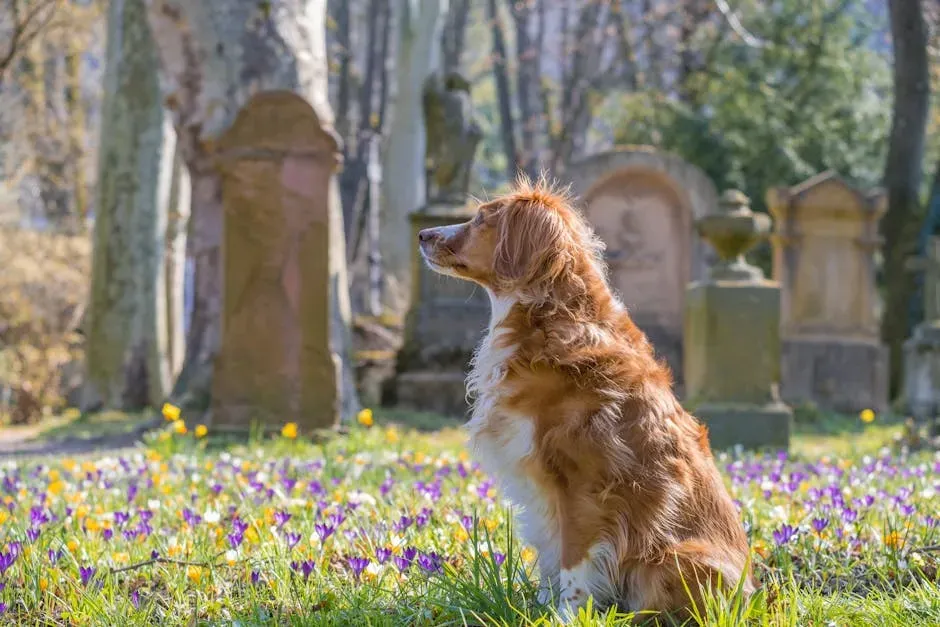
When a dog loses their closest companion, the emotional toll can be profound. Much like humans, dogs experience a range of emotions, and the loss of a fellow canine can lead them through a series of grief stages. Understanding these stages can help pet owners provide the necessary support during such a challenging time.
1. Denial and Disbelief
1. Denial and Disbelief (Image Credits: Unsplash)In the immediate aftermath of their companion’s death, a dog may exhibit behaviors that suggest they are searching for their friend. They might wander through the house, sniffing familiar spots, or wait by the door, anticipating their return. This behavior indicates a struggle to comprehend the absence, as dogs rely heavily on routine and the presence of their pack members.During this period, it’s common for dogs to display signs of confusion or restlessness. They may whine, bark, or exhibit increased alertness, as if expecting their friend to appear. This stage reflects their difficulty in accepting the sudden change in their environment and social structure.
2. Anger and Frustration
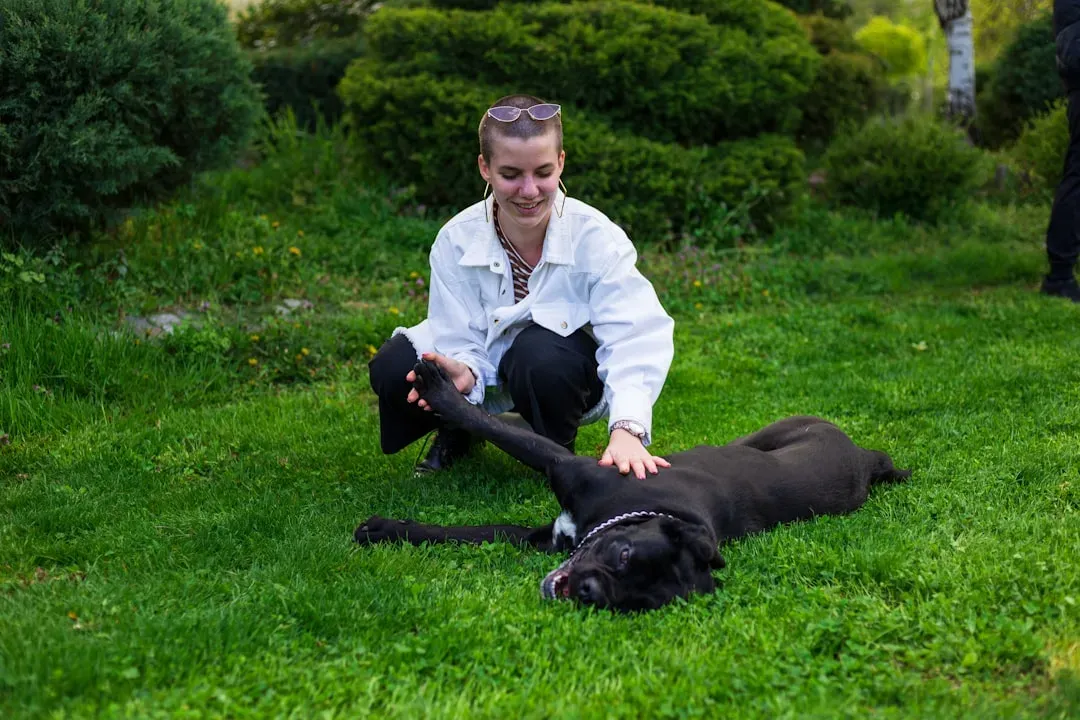
2. Anger and Frustration (Image Credits: Pexels)As reality sets in, some dogs may exhibit signs of frustration or agitation. This can manifest as destructive behavior, such as chewing on furniture or digging, or increased aggression towards other animals or people. These actions are often a dog’s way of expressing their inner turmoil and confusion over the loss.It’s essential for pet owners to recognize these behaviors as part of the grieving process. Providing appropriate outlets for their energy, like engaging toys or increased physical activity, can help alleviate some of the frustration they might be experiencing.
3. Bargaining and Searching
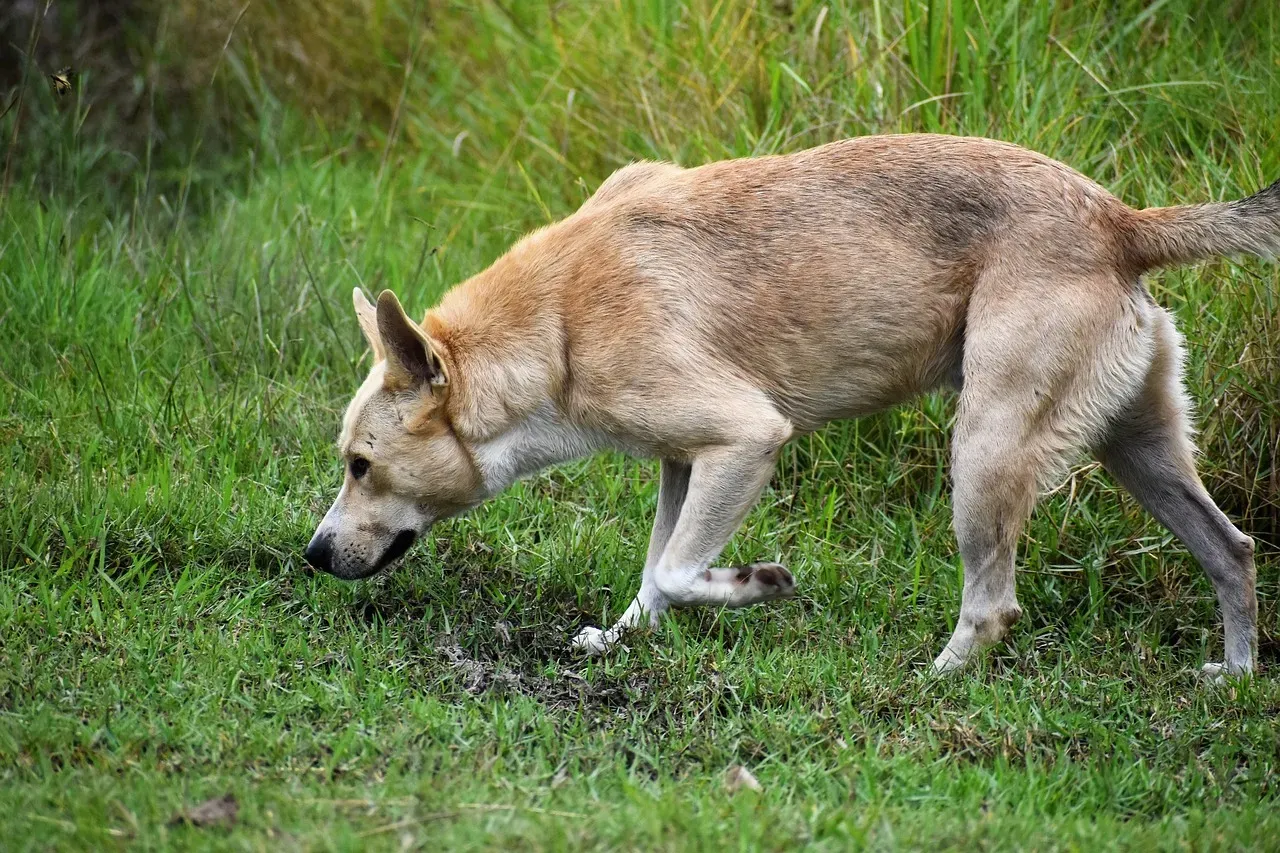
3. Bargaining and Searching (Image Credits: Pixabay)In this stage, dogs may intensify their search for their lost companion. They might return to places they frequented together, sniffing and waiting, or become fixated on areas where their friend used to rest. This behavior is akin to a form of ‘bargaining,’ where the dog is trying to find a way to bring their companion back.Owners might notice their dogs being more clingy or seeking extra attention during this time. It’s crucial to offer comfort and reassurance, helping them understand that while their friend is gone, they are not alone.
4. Depression and Withdrawal
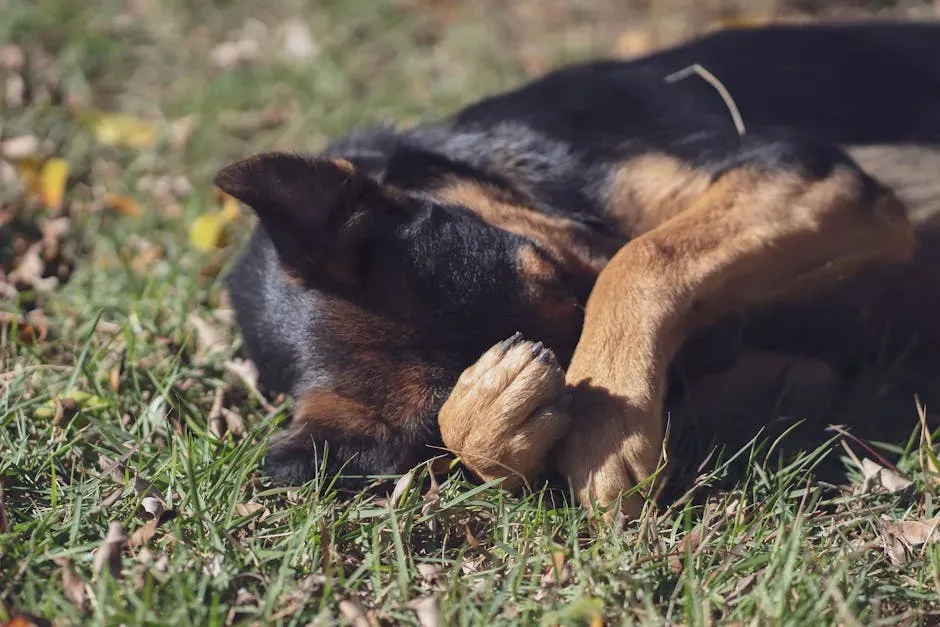
4. Depression and Withdrawal (Image Credits: Unsplash)As the realization of the loss deepens, dogs may enter a depressive state. They might lose interest in activities they once enjoyed, such as playing or going for walks. Appetite changes are common, with some dogs eating less or showing disinterest in food altogether.During this period, dogs may also sleep more than usual or exhibit signs of lethargy. It’s essential to monitor these behaviors closely, as prolonged depression can impact their overall health. Encouraging gentle activities and maintaining a routine can provide a sense of normalcy and aid in their recovery.
5. Acceptance and Adjustment
5. Acceptance and Adjustment (Image Credits: Unsplash)Over time, most dogs begin to accept the absence of their companion. They start to engage more with their environment and show interest in activities again. This stage signifies their adjustment to the new normal and the healing process taking place.Owners can support this transition by introducing new routines or activities that stimulate their dog’s mind and body. Positive reinforcement and patience are key during this period, as each dog will adjust at their own pace.
6. Seeking New Companionship
6. Seeking New Companionship (Image Credits: Pixabay)After adjusting to the loss, some dogs may seek new companionship, either with other animals or by strengthening their bond with their human family members. They might become more social, showing interest in meeting new dogs during walks or being more affectionate towards their owners.Introducing a new pet should be done thoughtfully, considering the grieving dog’s temperament and readiness. Ensuring a gradual and supervised introduction can help in forming a positive relationship between the new companions.
7. Moving Forward with Memories
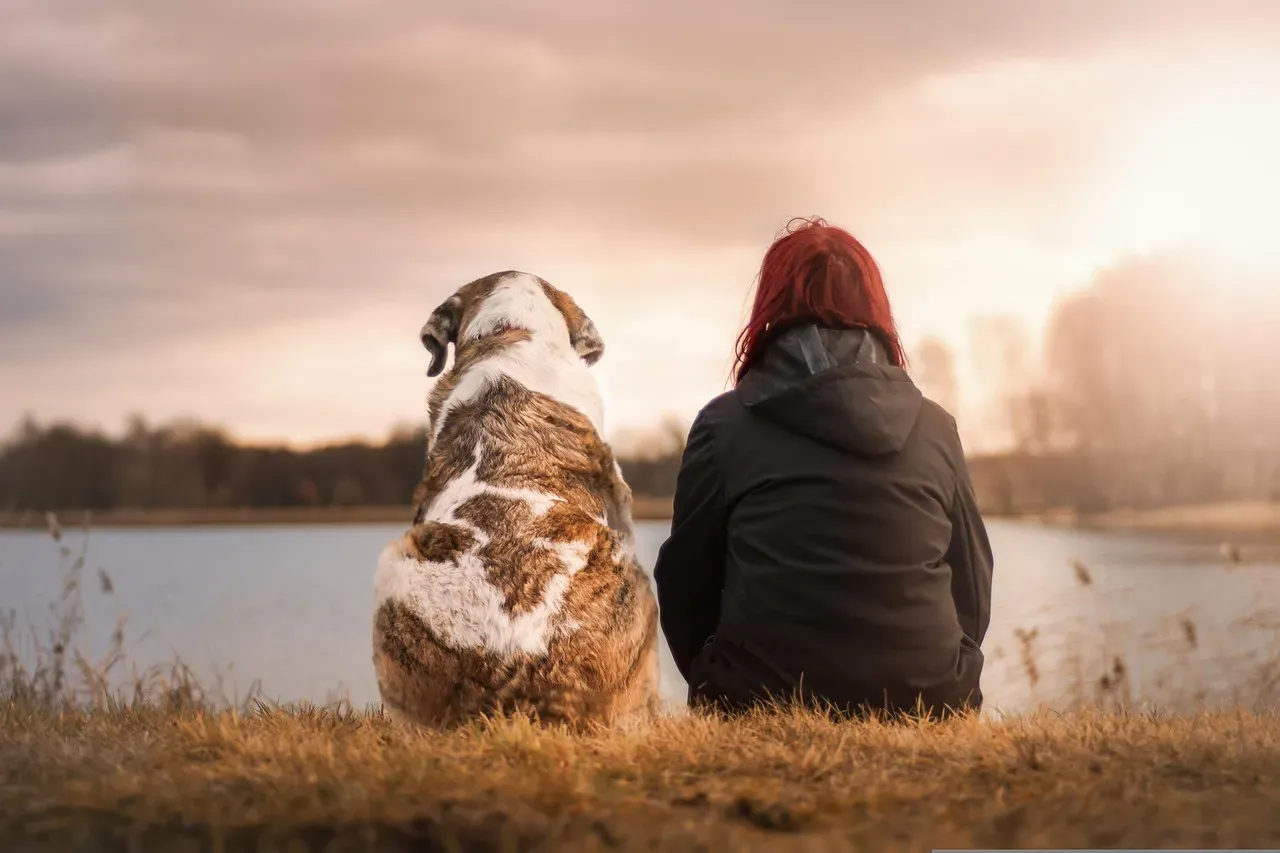
7. Moving Forward with Memories (Image Credits: Pexels)In the final stage, dogs have fully integrated the loss into their lives. They carry on with their daily routines, and while they may remember their lost friend, it no longer disrupts their emotional well-being. This stage reflects resilience and the capacity to heal over time.Owners can commemorate their lost pet by creating a memory space or engaging in activities that honor their life. This not only helps in personal healing but also reinforces the bond shared with the surviving dog.Understanding these stages of grief in dogs underscores the depth of their emotional lives. As pet owners, recognizing and supporting our canine companions through their mourning process is a testament to the profound bond we share. By providing patience, love, and understanding, we can help them navigate their grief and find joy once again.