
Picture this: You’ve reached your golden years, perhaps recently retired from a fulfilling career. The house feels quieter than usual. Your children have their own busy lives, and you find yourself craving that special kind of companionship that only a four-legged friend can provide.
If this sounds familiar, you’re not alone. The April 2019 National Poll on Healthy Aging found that, of those adults 50 to 80 that surveyed who had a pet, 88% said their pets helped them enjoy life; 86% said their pets made them feel loved; and 79% said that their pets reduced stress. The question isn’t whether you need a canine companion (you probably do!), but which breed will best suit your lifestyle and bring you years of joy.
Why Dogs Are Perfect Companions for Senior Women
Let me tell you something amazing that science has discovered. Research suggests that pet ownership may contribute to better health outcomes for seniors. That’s not just coincidence – that’s your potential new best friend literally adding years to your life.
Simply petting a dog can decrease the level of the stress hormone cortisol and increase the level of the mood-regulating hormone serotonin, resulting in lowered blood pressure and heart rate. Think of your future pup as a furry pharmacy that never runs out of mood boosters.
Beyond the health benefits, dogs provide something priceless: purpose. Pets need their owners. They depend on their owners for companionship, love, food and exercise. A pet can give an elderly adult a real sense of purpose and help them create a routine that brings structure to their day.
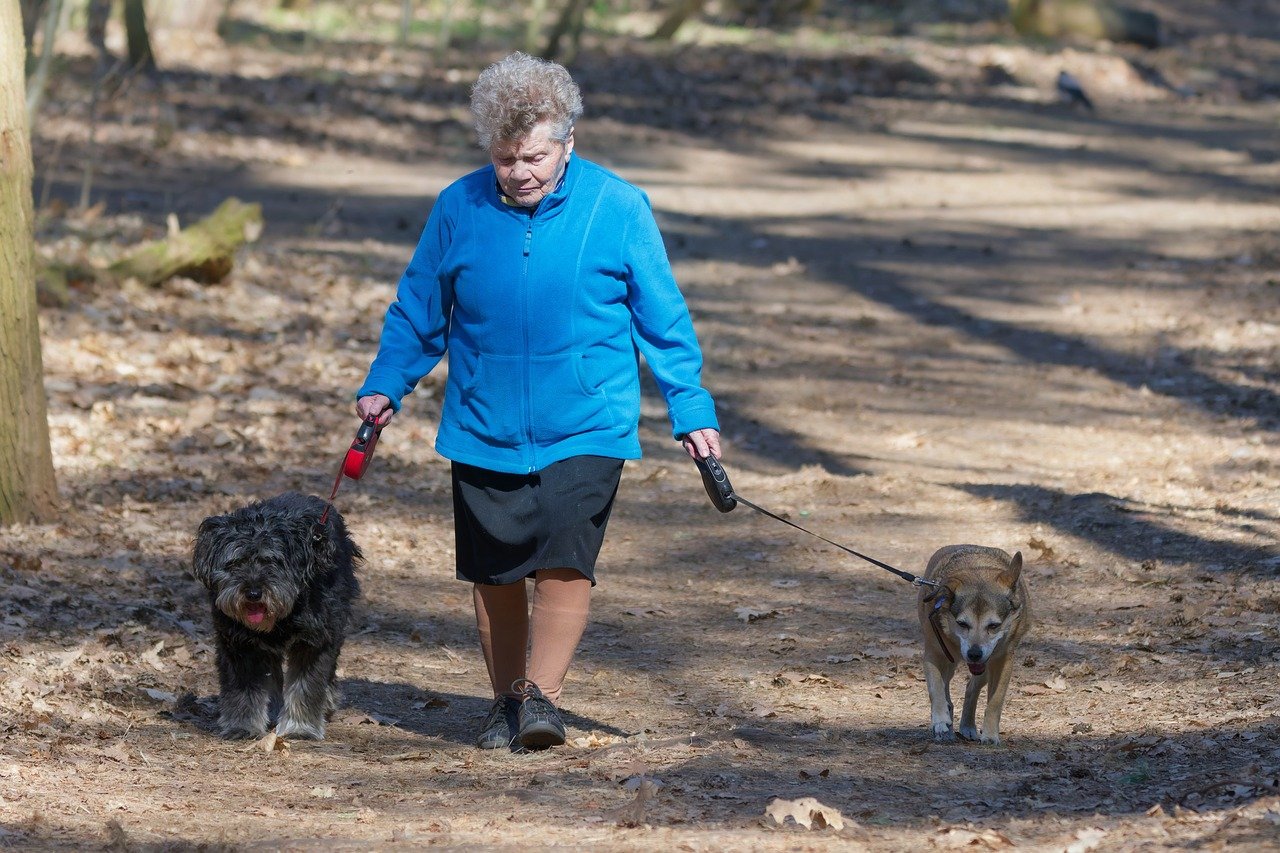
Walking your dog isn’t just exercise – it’s your ticket to community connection. Research has found being a pet owner was the third most common way that people meet other people in their neighborhoods. And, pet owners were 60% more likely than non–pet owners to get to know people in their neighborhoods.
What Makes a Breed Ideal for Women Over 60
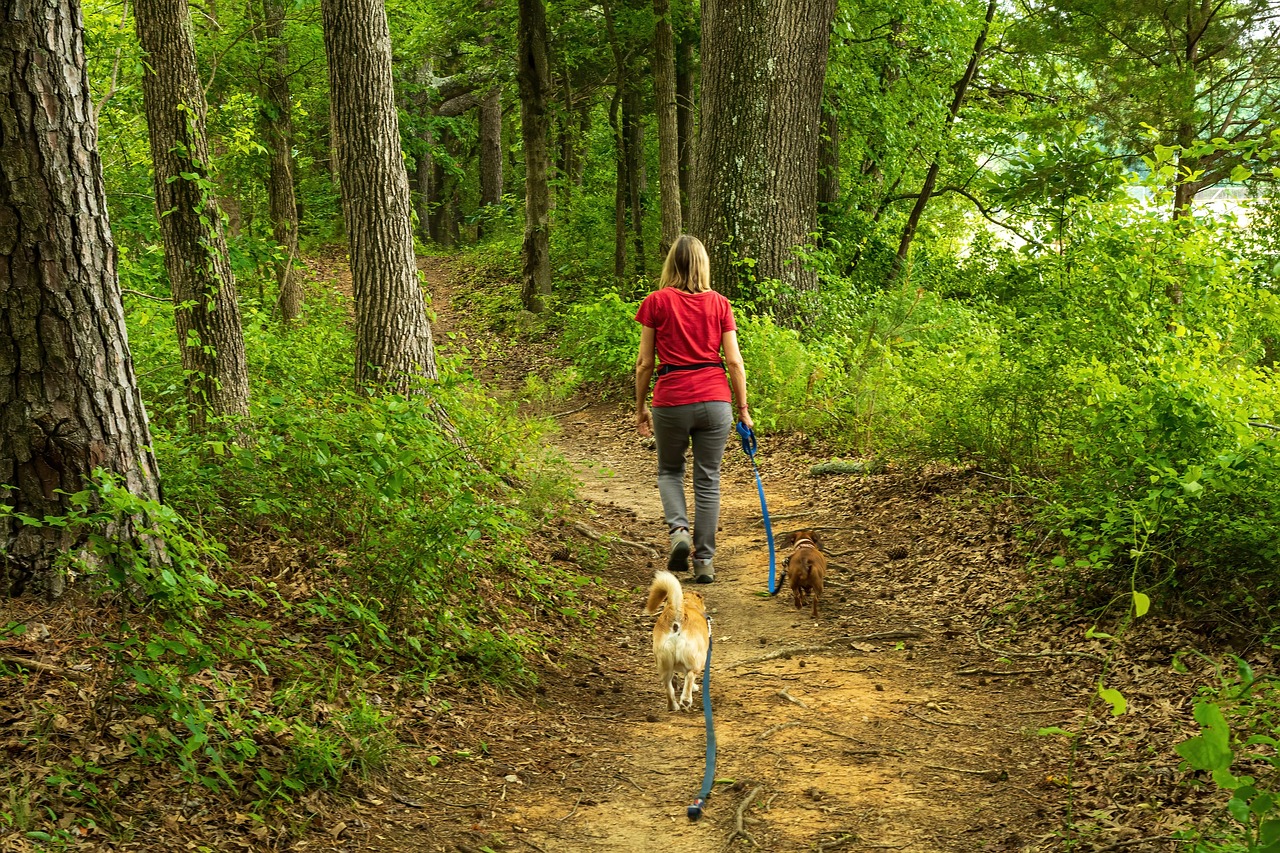
Choosing the right dog isn’t about finding the cutest face (though that matters too!). It’s about finding a personality and energy level that matches yours perfectly. When choosing a dog, size matters – especially for seniors. Small to medium-sized breeds are typically easier to handle and care for. They’re lighter to lift, easier to bathe, and more manageable during walks or trips to the vet. These dogs also tend to adapt well to smaller living spaces, such as apartments or single-level homes, making daily life more comfortable for both the pet and their owner.
Energy level becomes crucial too. Some low-energy dogs only need a short walk to satisfy their exercise needs. Others are bursting with stamina and require several hours of intense playtime and walking. Therefore, finding a dog with an energy level that matches yours will make it much easier to care for it.
Grooming requirements matter more than you might think. Regular grooming needs to be budgeted for – often a consideration on seniors’ fixed incomes. Some breeds require professional grooming every six weeks, while others need only basic brushing.
The Cavalier King Charles Spaniel: Your Royal Companion
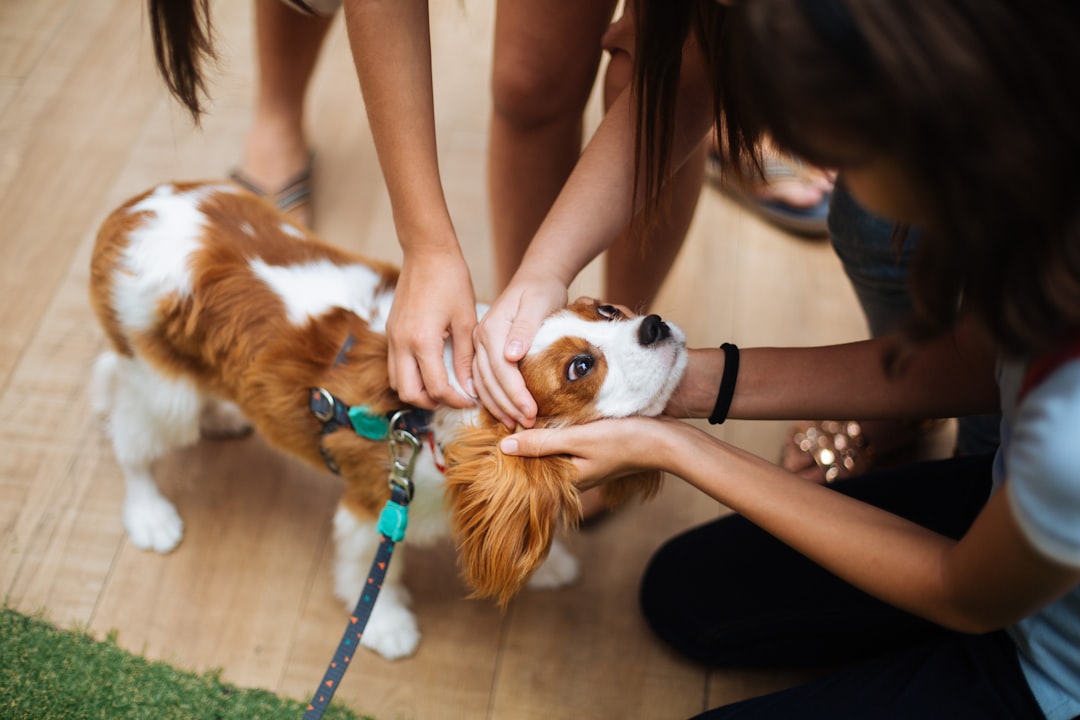
The Cavalier King Charles Spaniel turns up on just about every “Best Of” dog breed list. Not only do they love routine (aka following commands), they enjoy snuggling, walking, calmly sitting on the sofa, adapting to their surroundings and a good brushing once a week. Truly an ideal pup for seniors, kids, workaholics, home offices and general companionship.
Cavaliers can be both a cuddle buddy one day and an adventurous companion the next; they just follow their pet parent’s lead. This breed is laidback, intelligent, and quiet. Picture having a dog that’s perfectly content with your quiet morning coffee routine, yet equally happy to accompany you on errands or visits with grandchildren.
Cavalier King Charles Spaniels are described by the American Kennel Club as “affectionate, gentle, and graceful.” Their silky coat doesn’t require too much maintenance aside from regular baths and brushing. They were also bred to be lap dogs for royalty, so they’ll be happy to lounge around inside, but the AKC notes that they do need moderate exercise.
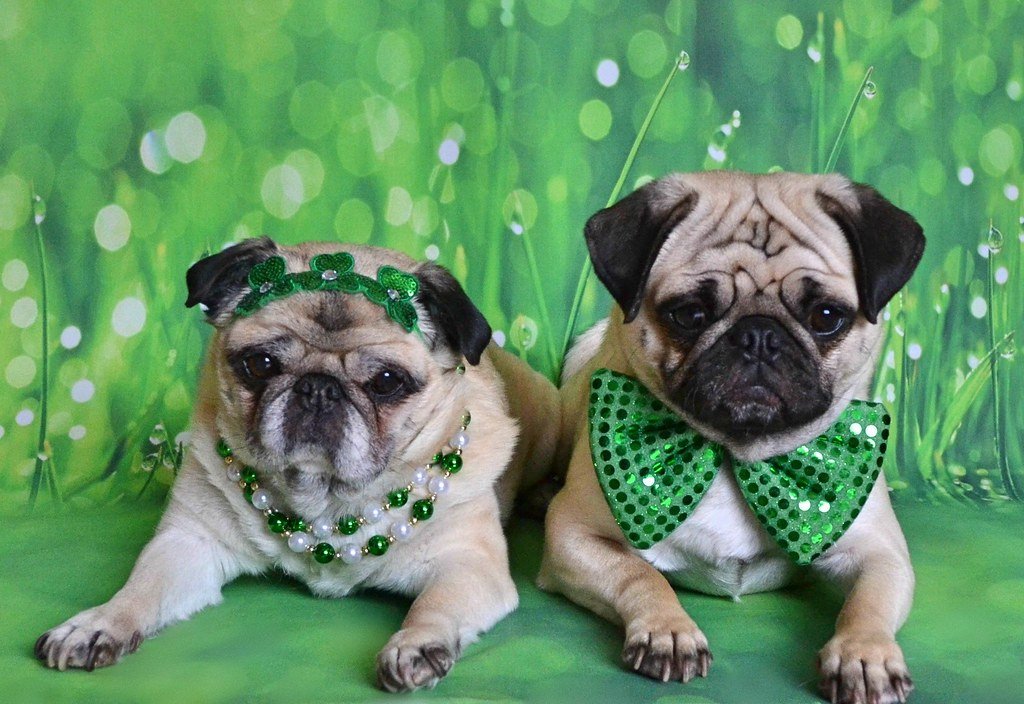
The Charming Pug: Small Dog, Big Personality
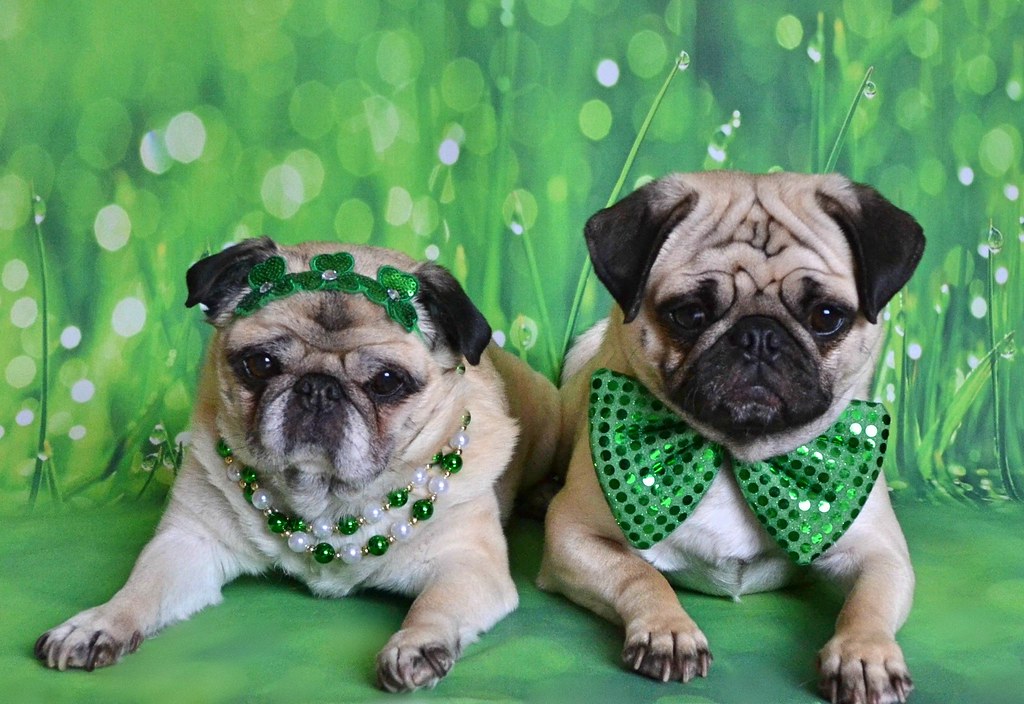
The pug’s motto is “a lot in a little” and that’s a perfect description to describe this vivacious breed. Small in size (pugs weigh on average between 14 and 18 pounds), they are easy to manage and handle. Their expressive faces and amiable dispositions make them great companions for seniors and one of the most gentle dog breeds.
Here’s what I love about pugs for senior women: Pugs may be the best small dogs for seniors who would rather cuddle with their pooch in an armchair than take it out hiking every day. These animals don’t need much exercise and can’t handle temperature extremes, so they spend much of their time indoors. Childlike, loyal, and affectionate, pugs are devoted to their owners and love to nap.
Pugs adore their owners and are known for following them around (there’s a reason why they’re sometimes called little shadows). With their tendency to prefer sleep over exercise, pugs make excellent apartment dogs, though they are just as happy in a house. Keeping with their un-diva-like personality, they are easy to groom and care for.
The Delightful Shih Tzu: Your Living Teddy Bear
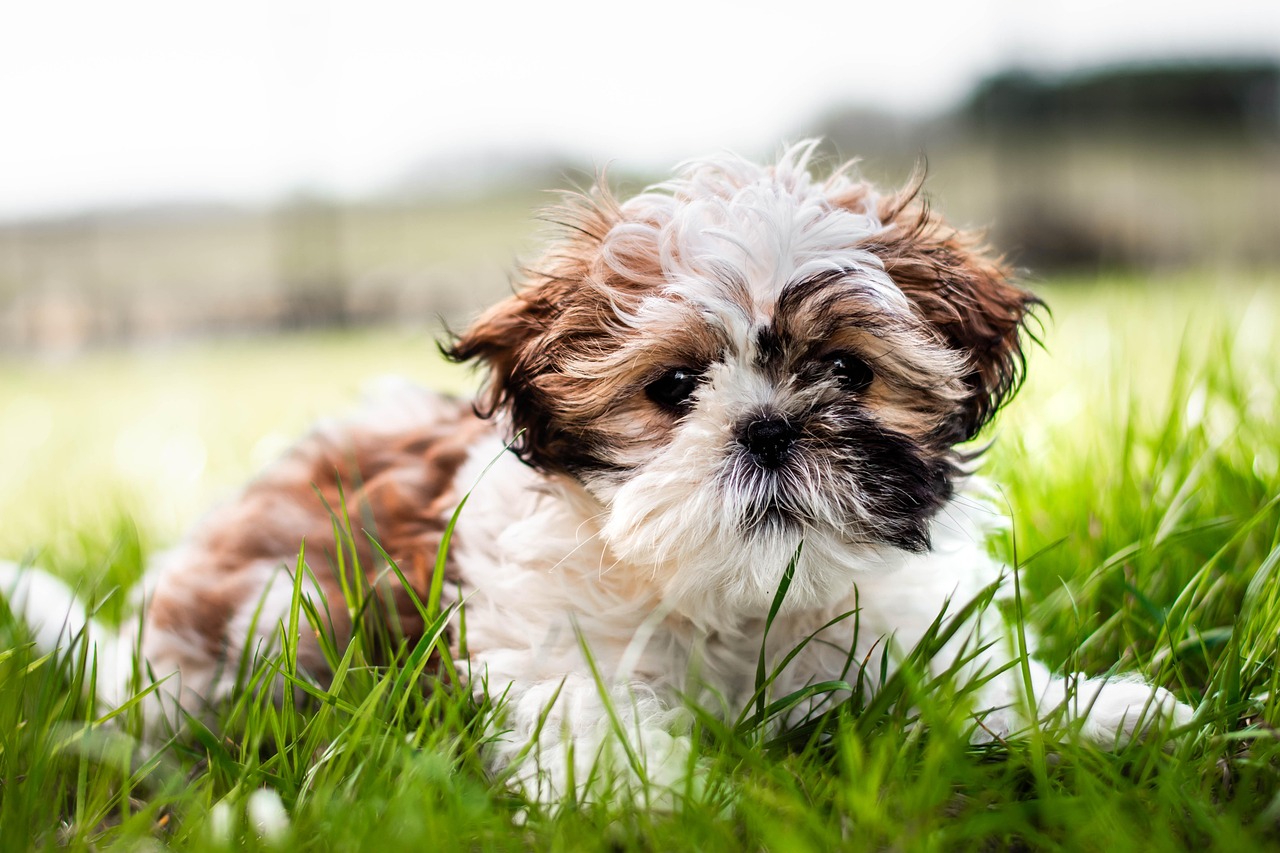
Perfect for seniors with limited mobility, Shih Tzus enjoy prancing around the home and sitting near or on their favorite person. These little bundles of joy weigh between eight to sixteen pounds, making them perfect lap companions without being too heavy for your joints.
Shih tzus always want to be by their owners’ sides and are good small dogs for seniors. This breed lives for cuddles and attention. Shih Tzus are excellent lap dogs and take a welcoming attitude toward strange people and other pets. Imagine having a furry shadow who’s genuinely thrilled by your presence every single day.
With their short smooshed-looking faces and small bodies, Shih Tzus have an adorable appearance. They also are bred to be companions and often enjoy simply sitting with their owners. They can easily adapt to various environments, although they do require routine exercise and grooming. A daily walk and regular brushing sessions can become pleasant rituals you both enjoy.
The Fluffy Bichon Frise: Hypoallergenic Happiness

These white powder puffs of a dog are known for their sweet and friendly nature and are perfect for seniors seeking easy companionship – they also make great pets for first-time dog owners. These low-maintenance pups aren’t difficult to potty train and don’t shed much, which is why they are one of the best dogs for older people.
The bichon frise is an intelligent, obedient, and affectionate breed. They’re like little clouds of happiness that follow you around. Bichon Frises are sweet dogs who love cuddling and aren’t “yappy.” They need a moderate amount of exercise and regular brushing, though they don’t shed much.
To keep their snow-white hair looking fluffy, they do require grooming every five or so weeks. Bichons are gentle and playful and they get along well with other pets and children, so you don’t need to put them in another room if the grandkids stop by! At an average of 12 to 18 pounds, they are also reasonably portable.
The Loyal Miniature Schnauzer: Your Devoted Guardian

The handsome Miniature Schnauzer provides ultimate companionship and commitment to their senior pet parent. Like Shih Tzus, Miniature Schnauzers are patient with children and enjoy playtime, making them compatible with grandkids as well! This breed brings the perfect blend of alertness and affection.
This breed has a strong, outgoing, and friendly personality. Family oriented and protective over the ones they love, Miniature Schnauzers are alert dogs who watch over the house. Plus, these furry friends are obedient and quick to learn when it comes to training. You’ll appreciate having a gentle watchdog who lets you know when visitors arrive.
Miniature Schnauzers are a low-shedding, hypoallergenic dog breed. They have a double coat that requires regular brushing and professional grooming to keep it in tip-top shape. While they need regular grooming, many senior women find the grooming routine therapeutic and bonding.
Making Your Final Choice: Trust Your Heart
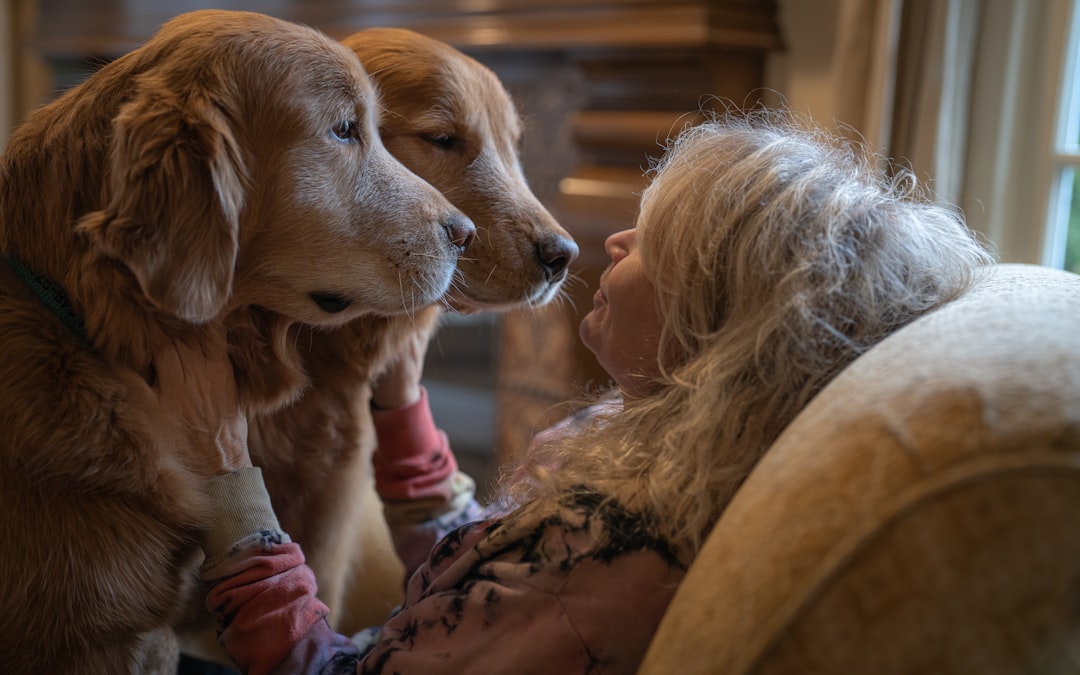
After reading about these wonderful breeds, you might feel overwhelmed by choices. That’s completely normal! The truth is, the best dog for you is the one that makes your heart sing when you meet them. Like any relationship, it requires the right match for happiness. You wouldn’t gift a high energy puppy to a housebound relative and expect that to go well. On the other hand, a mellow senior dog might be just the right companion.
It’s worth considering adopting an older dog rather than buying a young puppy. Puppies require tons of extra work that adult dogs do not (house breaking, teaching commands, hours of playtime, to name a few). Older dogs are often overlooked at shelters, so there’s likely a greater need and more opportunity to adopt these animals. Plus, adult dogs have more even keel temperaments that may better suit seniors.
Visit local shelters and rescue organizations. Many have senior-to-senior adoption programs that offer reduced fees and ongoing support. Your perfect companion might be waiting there right now, hoping for someone just like you to walk through the door.
Your golden years deserve a golden companion. Whether you choose a regal Cavalier, a charming Pug, a cuddly Shih Tzu, a fluffy Bichon, or a loyal Miniature Schnauzer, you’re not just getting a pet – you’re gaining a faithful friend who will fill your days with purpose, laughter, and unconditional love. Trust your instincts, consider your lifestyle, and get ready for one of the most rewarding relationships of your life. What are you waiting for? Your furry soulmate is out there!


