
The Best Low-Maintenance Dog Breeds for Apartment Life in New York City

Picture this: you’re on the 14th floor of a Brooklyn high-rise, 650 square feet, a view of the skyline, and the unmistakable sound of your neighbor’s dog losing its mind every time someone walks past the door. You love dogs. You want one desperately. You just don’t want to be that neighbor.
Apartment living brings with it limited space, a symphony of urban noise, and paper-thin walls – none of which is exactly dog paradise. Yet New York City is full of happy, thriving dogs, and many of them are living proof that matching the right breed to the right lifestyle makes all the difference. Size matters, but temperament and energy level often matter more than square footage alone. The good news? There are breeds that genuinely love small spaces, city rhythms, and the particular chaos of New York streets. Here’s a practical, honest look at the best low-maintenance options.
Why “Low-Maintenance” Means More Than Just Small
A lot of people walk into the dog conversation assuming that a tiny dog automatically equals a trouble-free life. That assumption is worth questioning. A 10-pound Jack Russell Terrier with high energy and vocal tendencies might cause more apartment problems than a calm, 60-pound Greyhound who sleeps 20 hours per day.
What actually makes a dog low-maintenance for city living comes down to a few core factors. The key traits to prioritize are temperament (calm, adaptable, and not prone to excessive barking), exercise needs (moderate activity that can be met with daily walks or indoor play), and noise levels, since quiet breeds are best in shared-wall living.
Many apartments have specific rules about pet size, breed restrictions, and noise levels. Before falling in love with any breed, always check your building’s pet policy. Some NYC buildings restrict breeds by weight or type, and a little research upfront saves a lot of heartbreak later.
The French Bulldog: NYC’s Perennial Favorite
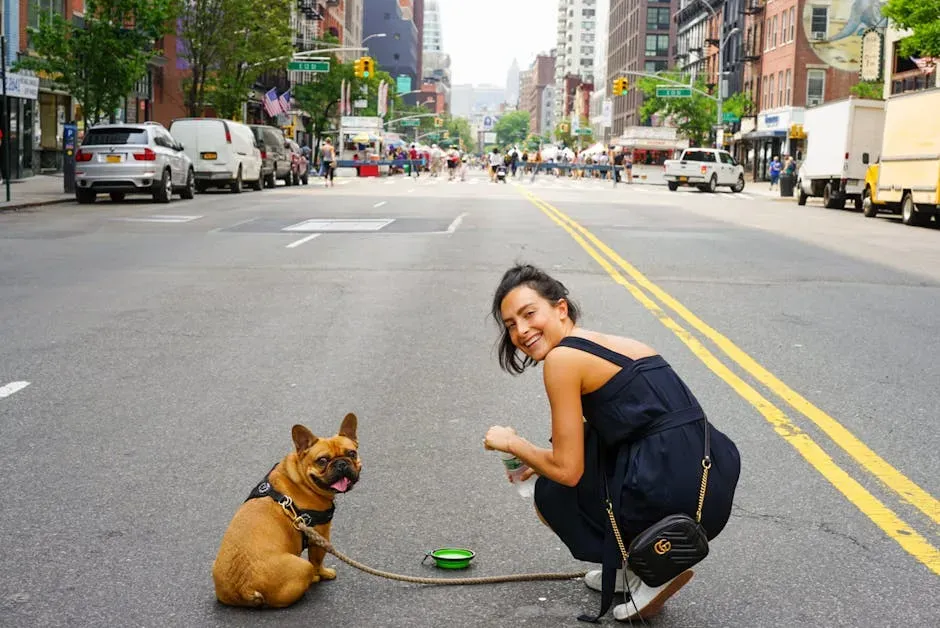
French Bulldogs are one of the most popular breeds for apartment living, especially in cities like NYC. They are compact, typically weighing between 16 to 28 pounds, and they don’t need much exercise. Walk through any Manhattan neighborhood on a Saturday morning and you’ll spot at least three of them waddling happily along the sidewalk.
The French Bulldog is affable and adaptable, making them not only a great apartment dog but also the most popular dog breed in the U.S. Their stout, compact build and calm demeanor mean they’re a great fit for small spaces. A couple of short walks daily and some gentle indoor play is genuinely enough to keep them content.
One thing worth knowing before you commit: French Bulldogs are brachycephalic, meaning they have short snouts that can cause breathing problems, especially in hot or humid weather. New York summers can be punishing, so on those sweltering August afternoons, keep walks short and the air conditioning on. Regular vet check-ins and awareness of heat stress signs – excessive panting, labored breathing, glazed eyes – are part of responsible Frenchie ownership in the city.
The Cavalier King Charles Spaniel: Built for Apartment Living

Cavalier King Charles Spaniels are incredibly sociable and do well around lots of people and dogs, making them great city pups and family dogs. Their smaller size at 13 to 18 pounds and disinclination to bark a lot also make them low-maintenance apartment dwellers and easy travel companions.
Cavalier King Charles Spaniels are generally low-maintenance and can thrive even in small spaces. Gentle and easygoing, they can generally adapt nicely to apartment living. They’re the kind of dog that adjusts to your pace rather than demanding you adjust to theirs – a genuine quality in any NYC roommate, furry or otherwise.
King Charles Spaniels, in particular, were bred to be lap dogs and are great at being calm when it’s time to chill inside. Like all dogs, they also love to run and make good companions for exercise and outdoor play. They are very affectionate and love to be part of the family. Keep an eye on their heart health – the breed can be prone to mitral valve disease as they age, so annual vet screenings matter.
The Shih Tzu: Regal, Relaxed, and Surprisingly Resilient

Shih Tzus were made for apartment living. After all, they were bred to essentially be lap dogs, living with ancient Chinese royalty for thousands of years. At 9 to 16 pounds, they are a great size for any apartment and will require a leisurely walk each day.
Shih Tzus are excellent apartment dogs and are always up for some cuddling and affection. They need some exercise but otherwise are relatively low-energy dogs. Their social calendar stays full too – these pups are outgoing and enjoy strangers, children, and time with their people. That friendliness is a real asset on a busy NYC sidewalk or in a crowded elevator.
That luxurious coat requires regular grooming, and Shih Tzus can develop dental problems if oral care is ignored. Early training helps prevent excessive barking, a common small-breed challenge. Brush their teeth a few times a week and schedule a groomer visit every six to eight weeks. These aren’t huge commitments, but they’re non-negotiable if you want a healthy, happy pup.
The Greyhound: The Surprising Couch Dog of NYC
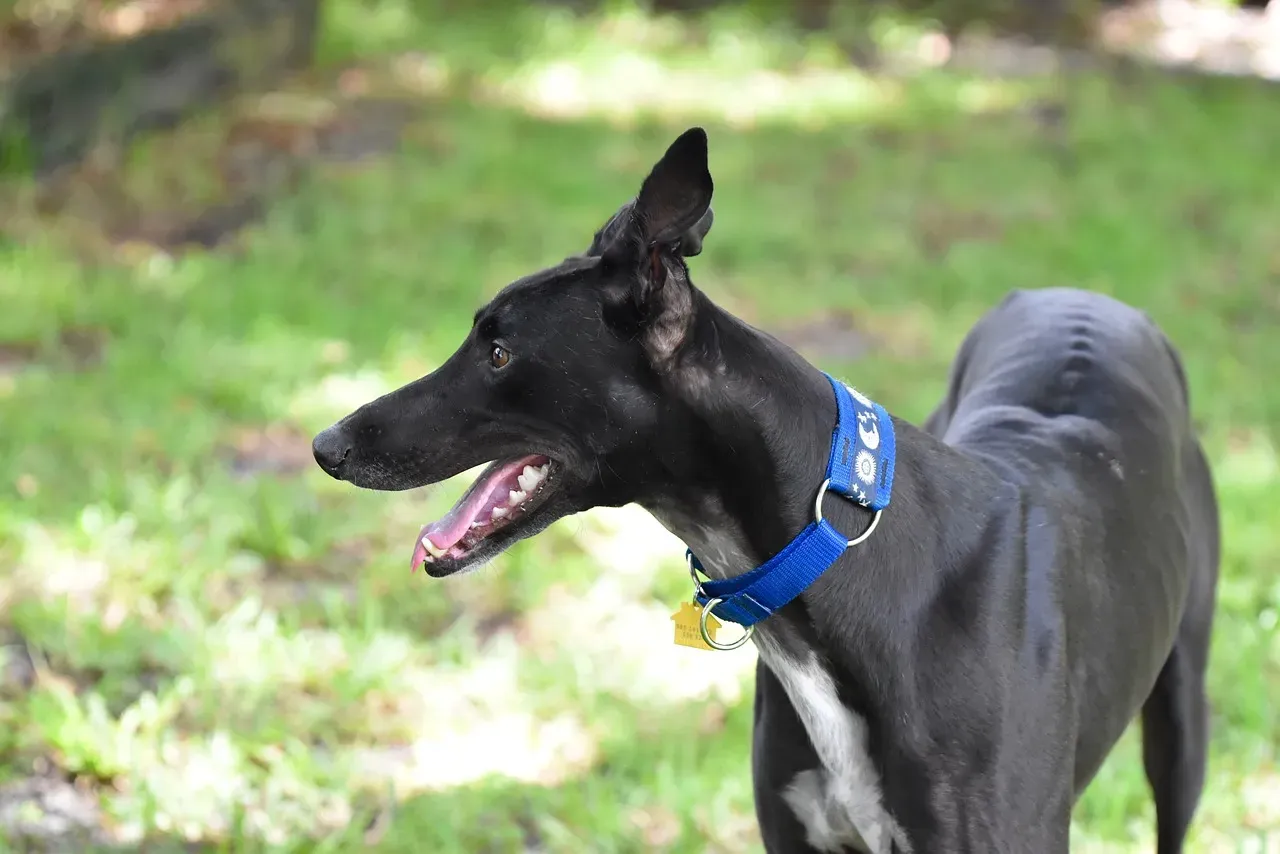
Most people hear “Greyhound” and picture a rocket on legs. The reality, especially for retired racing Greyhounds, is almost comically different. Greyhounds are an elegant breed that can adapt well to apartment living, and many Greyhound pet parents note their ironically lazy temperaments. This is because these dogs were bred to be sprinters, not endurance runners, making their exercise needs incredibly manageable.
Despite their racing reputation, Greyhounds are surprisingly laid-back and quiet. They enjoy short bursts of exercise but are otherwise happy lounging indoors. Their calm nature and minimal grooming needs make them excellent apartment companions. For NYC dog lovers with slightly more space – think a one-bedroom rather than a studio – a Greyhound can be a remarkably effortless companion.
There are a couple of honest caveats. Greyhounds may struggle with separation anxiety, and their sensitive nature requires patient handling. Because of their prey drive, they may not do well with small pets unless properly socialized. If you’ve got a cat or a hamster at home, proceed carefully and introduce any new pet slowly and with professional guidance.
The Bichon Frise and the Pug: Two Classics With Different Personalities

These two breeds are quite different in temperament, but they’ve both earned their reputation as genuinely solid apartment dogs. Bichon Frises are small, friendly dogs known for their hypoallergenic coats, making them a great option for apartment dwellers with allergies. They are playful and energetic but don’t need a lot of space to burn off energy, making them perfect for smaller living spaces.
The small size and intelligent nature of the Bichon Frise make this breed one of the best dogs for small apartments. A daily walk or game of indoor fetch is typically enough exercise to satisfy this lapdog. The breed’s curly white coat is low-shedding and considered hypoallergenic, so you don’t need to worry about cleaning up dog hair in your small space.
Pugs, on the other hand, bring a very different kind of energy. Pugs are true companion dogs who enjoy snuggling up on the couch, and perhaps the only thing they love more is food. They’re low-maintenance dogs who thrive in smaller spaces due to their minimal exercise needs, but they’ll still need some exercise to keep them from becoming overweight. While the breed is unlikely to become a problem-barker, you will need to get used to the snorting and snoring sounds caused by their short airways. Think of it as ambient white noise – most Pug owners find it oddly charming.
Making Your Apartment Work for Any Dog
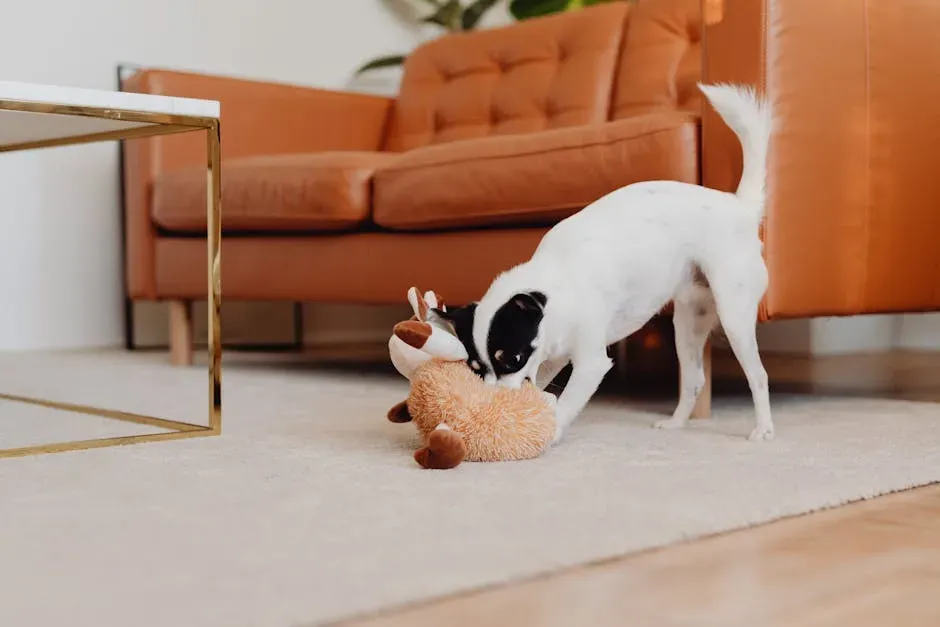
Choosing the right breed is only half the equation. The other half is making your space and routine genuinely work for your dog. Just like how Sudoku can help you pass the time on a long bus ride, the right puzzle can keep your dog’s brain busy while they’re hanging out at home. Kongs, puzzle toys, squeaky toys, feeding mats, and electronic games can help keep your dog’s brain working and help keep separation anxiety at bay.
Creating a quiet, designated puppy area with a bed or crate that your dog can access anytime they need a breather helps them decompress from the sights, smells, and stresses of city life. This is especially useful for dogs that are new to the urban environment. Dogs who have not been properly socialized and desensitized to the loud noises of the city may develop anxiety when around large crowds of people, which is why it’s important to consider a breed that is not only easy to train but also able to adapt to a different environment.
NYC is generally dog-friendly, with plenty of off-leash dog parks and walking trails. Larger green spaces such as Central Park and Prospect Park even offer specific off-leash hours, and Prospect Park features a popular dog beach. Building those outings into your weekly routine does wonders for both your dog’s wellbeing and your own.
Conclusion: The Right Match Makes All the Difference
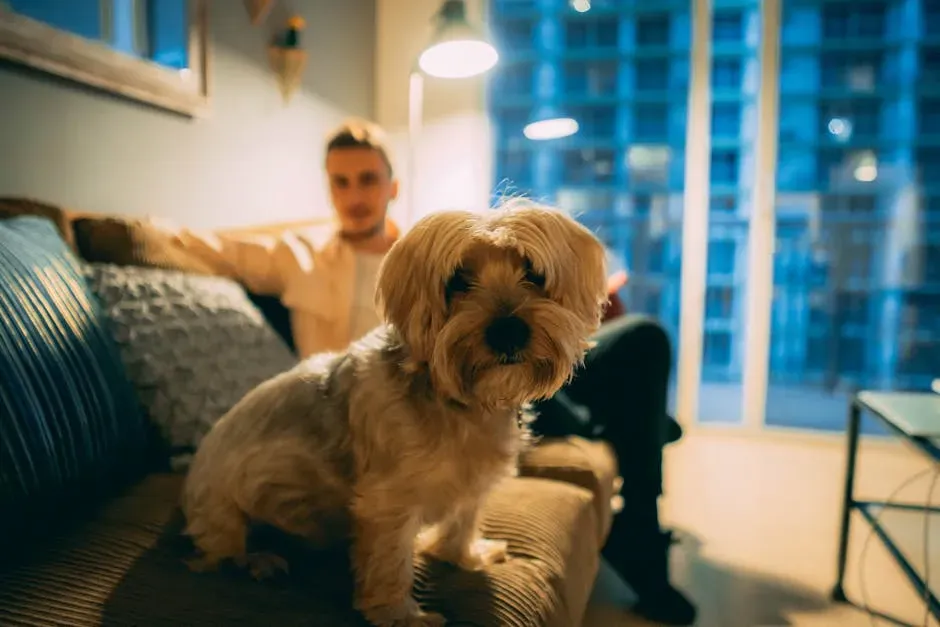
Living in New York City with a dog isn’t a compromise – it’s a lifestyle choice that, done right, enriches everything. The most important thing to consider when looking for an apartment-friendly dog is lifestyle. Size is significant, especially if your apartment has restrictions, but finding a dog that’s the right match is the top priority.
Regardless of breed, all dogs need exercise, socialization, and affection. Just because a dog is suitable for apartment living doesn’t mean they only need to go out for potty breaks. With attention and care, any dog can thrive in an apartment and be a loyal companion for years to come.
The city is loud, fast, and relentless – and the right dog doesn’t just survive it, they soften it. Coming home to a wagging tail at the end of a long subway commute is a small thing that turns out to be a very big thing. Choose thoughtfully, prepare honestly, and that 650 square feet will feel like more than enough.