

Picture this: an elderly woman sits quietly in her chair, fingers gently stroking the soft fur of her beloved companion, while outside the world rushes by. There’s something magical happening here that science is just beginning to understand. The relationship isn’t just sweet – it’s scientifically proven to be one of the most powerful health boosters available.
When the vast majority of pet owners consider their pet a part of their family, and research shows many pet owners report experiencing health benefits from having a pet in their lives, we’re looking at something truly extraordinary. Yet for our senior loved ones, this bond runs even deeper, touching every aspect of their physical and emotional wellbeing in ways that might surprise you.
Let’s explore how these four-legged family members become so much more than pets – they become lifelines, therapists, and sources of joy that can transform the golden years into something truly golden.
The Science Behind Senior Hearts and Furry Friends
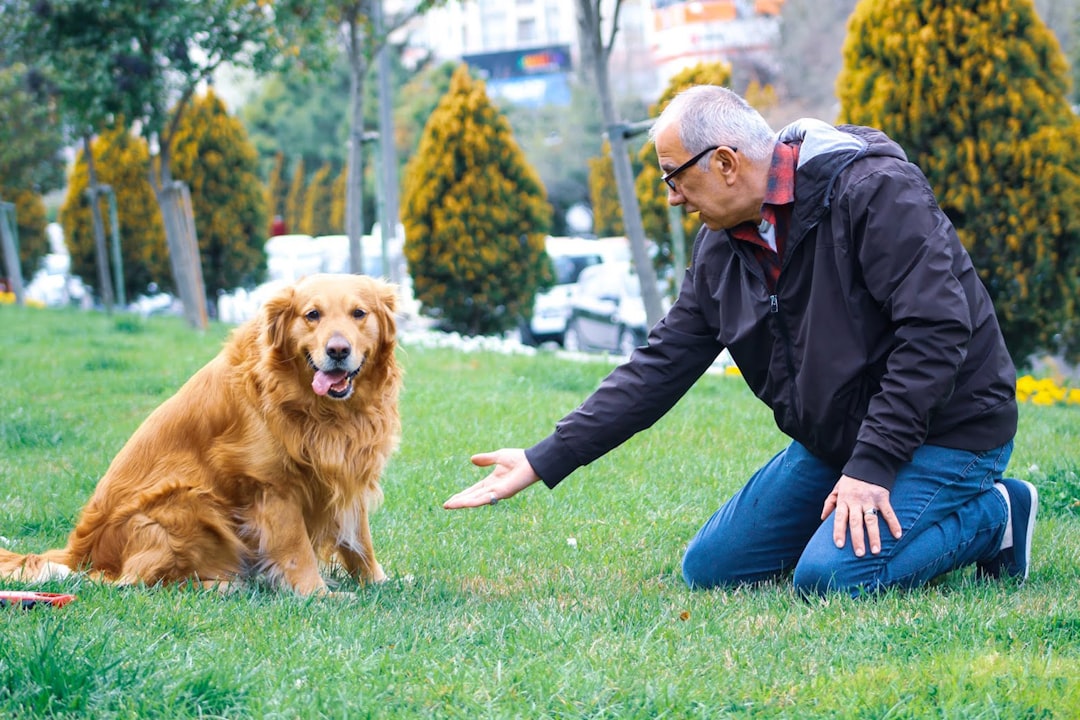
The moment a grandparent’s hand touches their dog’s warm fur, something remarkable happens in their body. The simple act of petting a dog or cat can release oxytocin, a hormone associated with bonding and affection, which helps alleviate stress and anxiety. Think of oxytocin as nature’s own happiness pill – and it comes with a wagging tail.
This isn’t just feel-good science either. Dogs have proven to be beneficial to our health through things as simple as being a motivation to be more active, to lowering blood pressure, heart rate and stress levels. For seniors who might struggle with isolation or health challenges, these benefits become even more pronounced.
Studies have shown that in elderly people dogs have proven to greatly enhance their quality of life. When you watch an 85-year-old light up at the sight of their golden retriever, you’re witnessing this science in action. The dog doesn’t judge their slower movements or forget their stories – they simply love, unconditionally and completely.
Fighting the Silent Enemy: Loneliness in Later Years
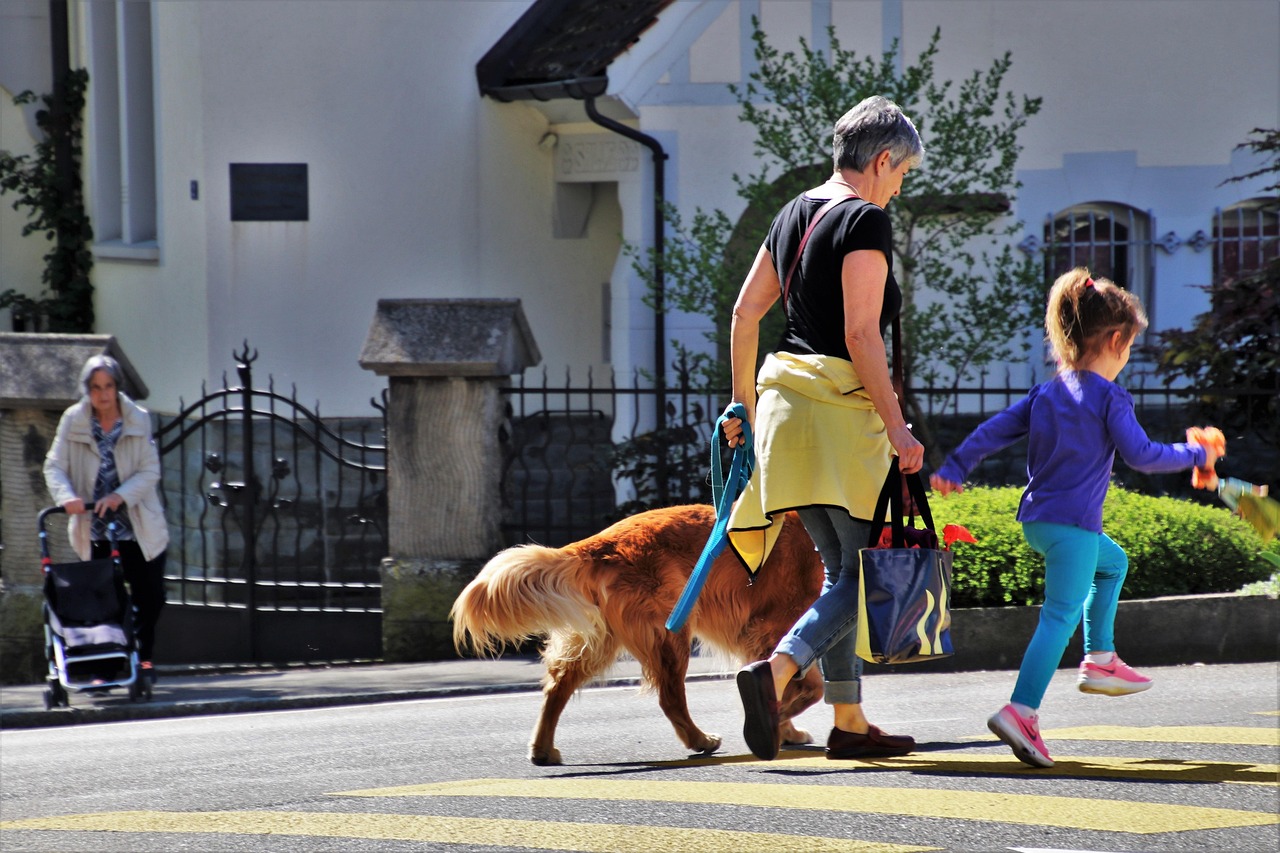
Loneliness among seniors has reached epidemic proportions, but dogs offer a powerful antidote. Pets provide constant companionship, which can significantly reduce feelings of isolation. Unlike human relationships that can be complicated by judgment or expectations, the bond with a dog is beautifully simple.
Seniors may start developing anxiety disorders and depression, but having a pet around for emotional support helps their mental health. Also, the elderly tend to experience more deaths of friends than those who are younger. During these difficult times, a dog’s presence becomes invaluable – they’re always there, ready to listen to stories about the old days or simply provide comfort through their steady breathing beside their owner’s chair.
I’ve seen grandparents who barely spoke after losing their spouse suddenly become animated when talking to their dog. The conversation might seem one-sided, but the therapeutic value is immense. For those living alone, a pet provides a constant presence that can alleviate feelings of loneliness. The mere act of petting a dog or cat releases oxytocin, often referred to as the “love hormone,” which enhances feelings of comfort and connection.
The Daily Routine That Saves Lives
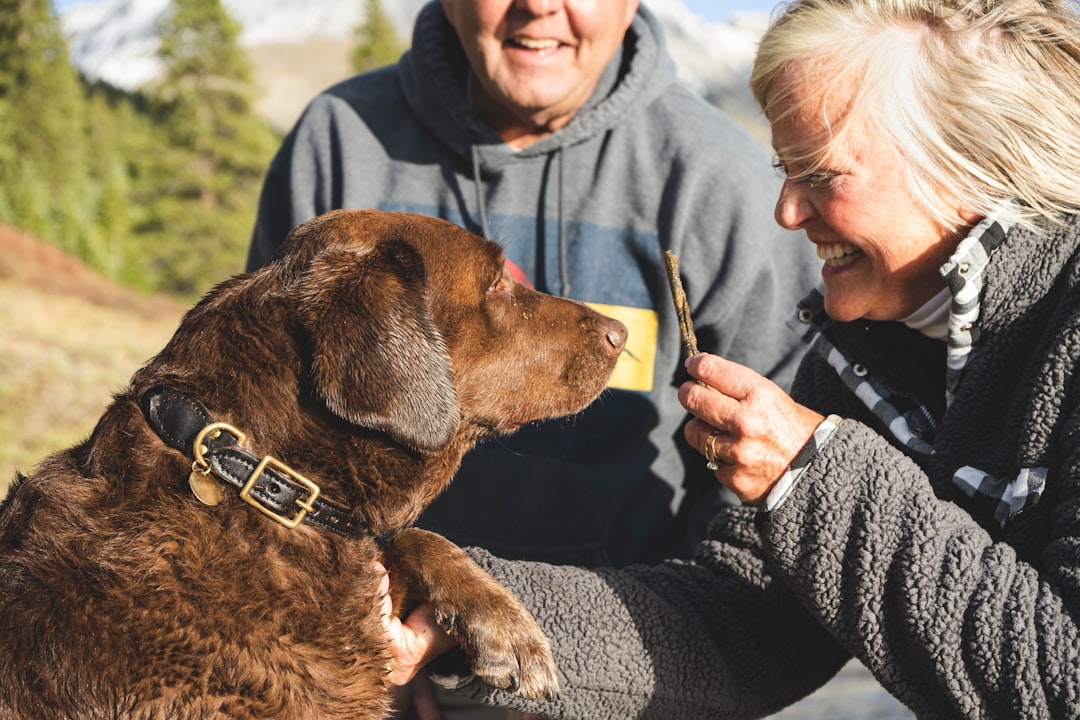
Structure becomes increasingly important as we age, and dogs are natural routine creators. As we get older, maintaining a routine becomes increasingly important, and pets thrive on routine and require regular feeding, exercise, and care. Having a pet encourages seniors to establish and adhere to a daily schedule. This isn’t just about keeping busy – it’s about having a reason to get up each morning.
Many people need a reason to get up in the morning, go for a walk, and visit the grocery. Without a purpose, many seniors fall into harmful patterns of behavior that ultimately lead to depression, illness, or worse. The morning feeding, the afternoon walk, the evening cuddle – these simple acts create anchors throughout the day that provide meaning and purpose.
Watch a grandparent prepare their dog’s meal with the same care they once used for family dinners. There’s pride in this responsibility, a sense of being needed that retirement sometimes takes away. This structured routine provides a sense of purpose and helps seniors maintain cognitive abilities and mental alertness. Caring for a pet’s needs helps seniors maintain a sense of responsibility and control, enhancing their overall quality of life.
Physical Health Miracles on Four Legs
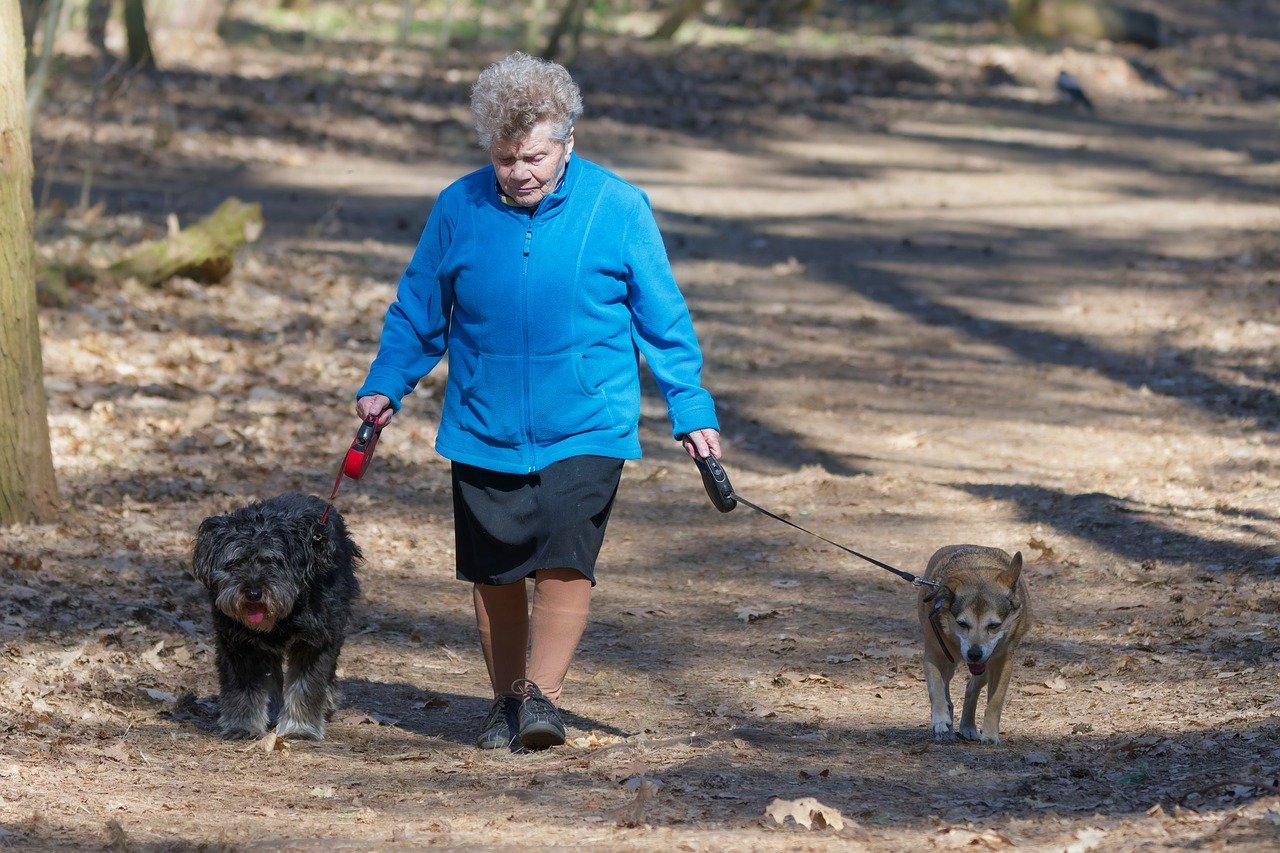
The physical benefits of dog ownership for seniors are nothing short of remarkable. Studies suggest dog owners may have lower blood pressure and healthier cholesterol levels, and potentially reduced risk of heart disease, compared to non-owners. This isn’t coincidence – it’s the result of increased activity, reduced stress, and the cardiovascular benefits of companionship.
Pets, particularly dogs, require regular exercise, which can be a great motivator for seniors to stay active. Walking a dog provides cardiovascular exercise, helps maintain mobility, and can reduce the risk of chronic conditions such as heart disease and arthritis. That daily walk might seem small, but it’s often the difference between maintaining independence and losing it.
Even beyond exercise, the health benefits continue. Regular interaction with pets can also boost the immune system. Studies have found that pet owners have higher levels of certain immune system markers, which can help fend off illnesses. This is particularly beneficial for seniors, whose immune systems may be weaker. The dog becomes a living, breathing health supplement.
Reading Your Dog’s Body Language: A Guide for Grandparents

Understanding what your furry companion is telling you deepens your bond and ensures their wellbeing. A relaxed dog’s mouth will be slightly open without showing any teeth. When a dog is relaxed, their ears will be positioned forward or tilted slightly to the side. If your dog’s tail is high in the air, they likely feel confident or excited. These are the signs of a content companion.
However, seniors should also watch for signs of stress or discomfort. Notice the black dog’s body language, as the tan dog gets close. She looks away, puts her ears back, and you can see the whites around her eyes. All of these are indications that she is uncomfortable. Learning these signals helps create a safer, happier environment for everyone.
Look for signs such as a wagging tail, a slightly open mouth (almost like a smile), or a soft gaze. Happy dogs may also flop onto their backs and expose their bellies – a vulnerable position that shows trust. When your dog shows you their belly, they’re saying “I trust you completely” – one of life’s most precious gifts.
The Emotional Support Revolution
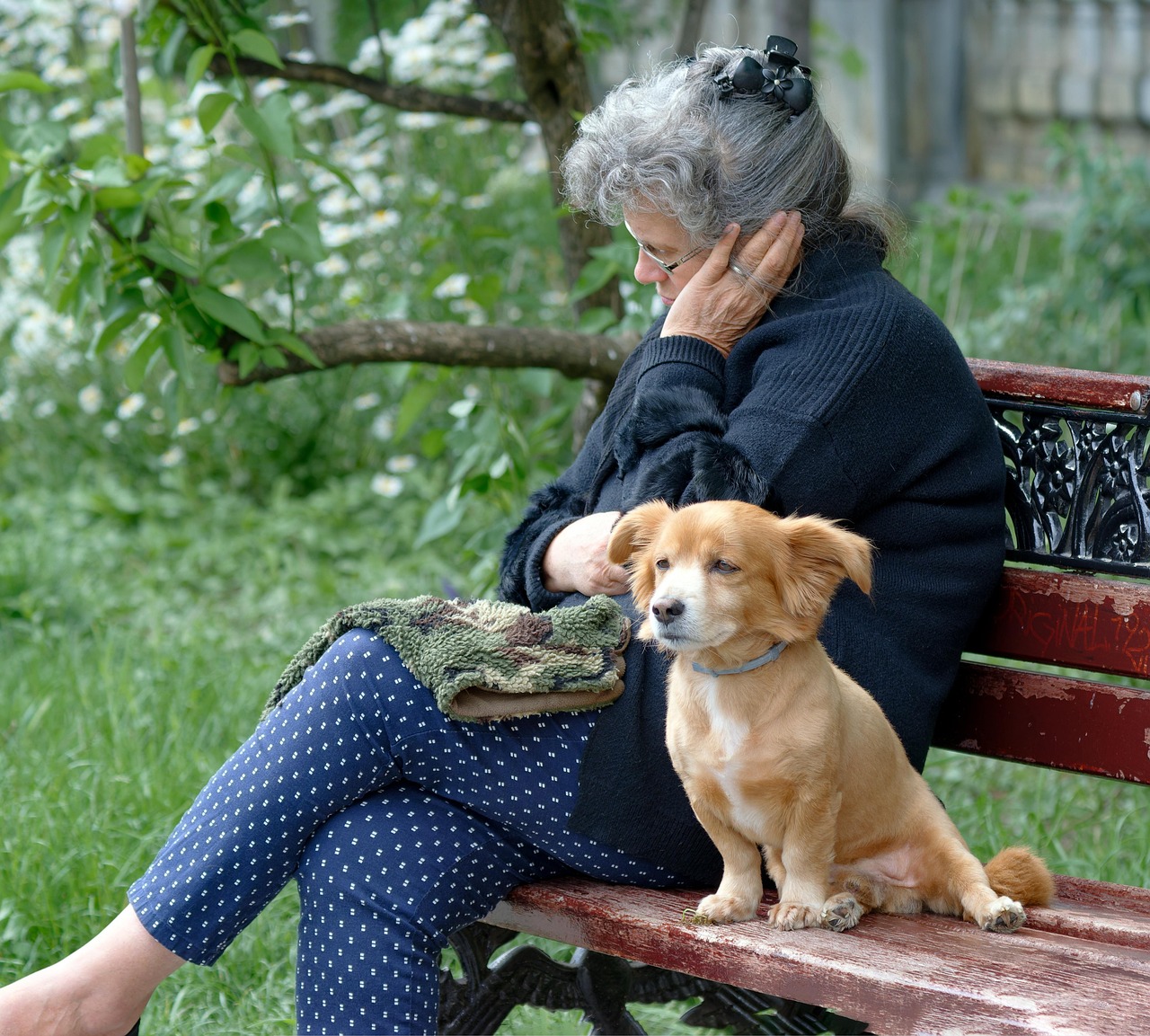
Dogs don’t just provide companionship – they become emotional support systems that rival any human therapist. Dogs are very present. If someone is struggling with something, they know how to sit there and be loving. Their attention is focused on the person all the time. This presence is especially valuable for seniors dealing with grief, anxiety, or depression.
Those who participate in pet therapy report lower levels of anxiety, fear, and depression. Residents who normally aren’t active see a dog and are suddenly getting up, petting, and talking to the dogs, smiling and interacting. The transformation can be immediate and profound – watch a withdrawn senior suddenly become animated in the presence of a gentle dog.
The emotional benefits extend to pain management as well. Research has found that therapy dogs can provide significant reduction in pain and emotional distress for chronic pain patients. This may be in part due to a boost of the feel-good oxytocin hormone in the brain, something that research suggests can happen when gazing into your dog’s eyes.
Building Bridges: How Dogs Create Social Connections

One of the most beautiful aspects of the grandparent-dog bond is how it naturally expands to include other people. Pets can facilitate social interaction and create opportunities for seniors to engage with others. Walking a dog in the neighborhood often leads to casual conversations with other pet owners, providing a sense of belonging and community. Suddenly, the senior who rarely left home has become the neighborhood’s favorite dog parent.
One of the most profound mental health benefits of pet ownership in seniors is the way animals facilitate social interaction. Pets often serve as social icebreakers, encouraging conversations and relationships that might not have occurred otherwise. Whether it’s chatting with fellow dog walkers at the park or participating in pet-related community events, seniors find that having a pet naturally expands their social network.
These connections matter more than we might realize. Social connectedness is critical for mental health. Studies have found that seniors with strong social networks have lower risks of depression, anxiety, and cognitive decline. Pets create opportunities to build these networks, fostering a sense of belonging and reducing feelings of invisibility that many seniors experience.
Choosing the Right Companion for Golden Years
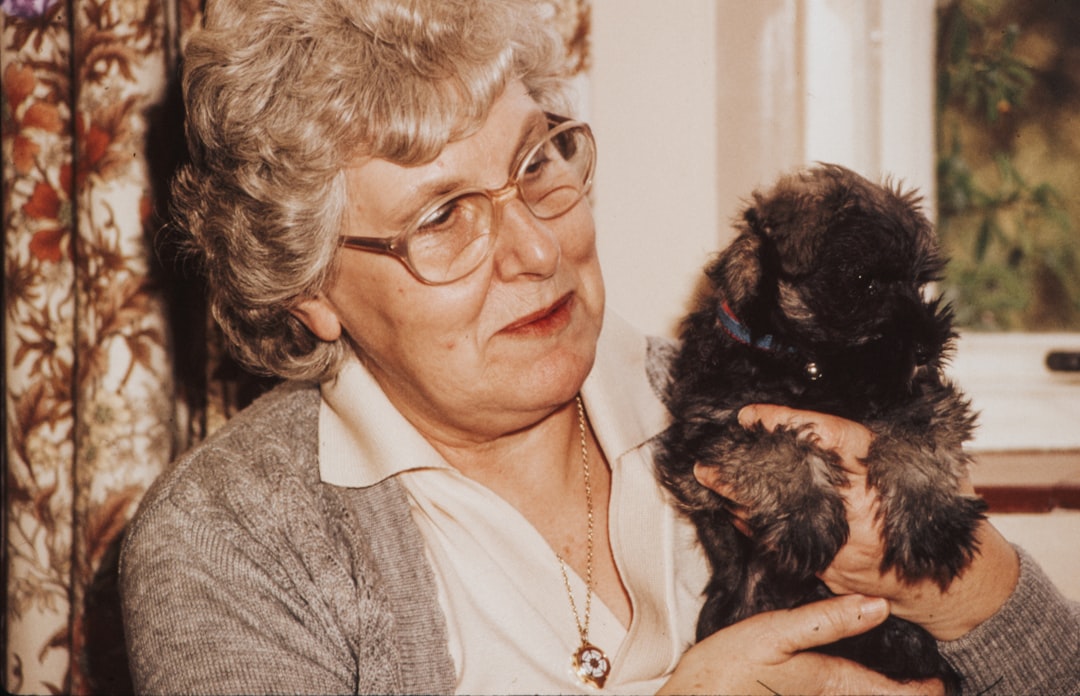
Not every dog is perfect for every senior, and making the right match is crucial for success. Factors such as mobility, living arrangements, and personal preferences should be considered. For example, a highly active senior might enjoy the energy and companionship of a dog, while someone with limited mobility might find a cat, bird, or fish more manageable. The key is honest self-assessment and careful consideration.
Organizations and shelters often offer adoption programs tailored for seniors, sometimes pairing older animals with older adults. These mature pets usually have calmer temperaments and lower care demands, making them ideal companions for seniors. Sometimes the perfect match is an older dog who’s also looking for a quieter, more peaceful life.
Remember, adaptability can depend on personality. A confident dog will more likely ‘go with flow,’ where a worried dog might struggle until they get to know the new place [or] person. Taking time to meet potential companions and considering personality matches leads to the most successful partnerships.
A Love That Transcends Age

The represents something profound about the human spirit – our endless capacity for love, regardless of age. These relationships prove that it’s never too late to form new connections, find new purposes, or experience the pure joy that comes from unconditional love.
As we watch our senior loved ones navigate their golden years, we see how a simple dog can become a bridge between loneliness and connection, between declining health and vitality, between existing and truly living. The science is clear, the benefits are real, and the love is immeasurable.
What do you think – have you witnessed this special bond in your own family? The magic might be closer than you think, waiting behind eager eyes and a gently wagging tail.


